A political theory in the area political economy is prone to be labelled as classical, neo-classical, Keynesian, Neo- or Post-Keynesian or heterodox economics. This is a university level course in the history of economic ideas, if you like this. Let’s try something creative here. We have unprecedented levels of inflation currently in Europe and many other parts of the world. Reasons for this are higher prices for energy, transportation and food. Anything else you need for life? You must be an artist or a priest, a bit off the normal, it seems to many economists. Add to this that, we want to foster strategic autonomy in Europe rather than anything from China that is cheaper and more polluting. In 2023 we have inflation stay with us for some years. Central banks give out warnings in this direction now as well, having negated the problem for far too long (their own statistics ECB on long-term forecasts of inflation).
Besides the ample economic advice (IMF), depending on which theory of money and the economy you adhere to, political theory allows a refreshing perspective on these economic facts and trajectories. (1) From an international strategic perspective, countries that have to renegotiate a lot of their debt or take new credits to finance imported food, energy or transport will run into insolvency rather quickly. Self-sufficiency becomes an economic asset not only a geo-strategic one. Turn around globalisation is a side-effect.
(2) Countries eager to build new public infrastructure, irrespective of concerns for bio-diversity, might reschedule or abandon huge projects, thereby reducing their CO2 footprint. This reduces the official counting of GDP, but has beneficial effects to save the planet in the medium term.
(3) Individuals and households will have to reconsider their consumption patterns: more expenditure for food, less for energy and/or transport. Behavioural changes might be induced by inflation. Less of some form of consumption, guided by inflation, will induce reductions in CO2 most likely as well.
So far this is only applied economic theory as in any textbook. A more challenging political economy question is to ask: can we come to like inflation? Can we change our preference set (ECB growth dogma) for economic variables? Southern countries in Europe seem to like inflation more than the North. Does this depend on historical experiences or is it cultural or personality trait? There is again a huge money transfer due to inflation within the Eurozone. The less indebted countries pay with loss of their purchasing power of their savings and indirectly pay for the highly indebted countries mainly in the South. European and international solidarity will be put to a tough test.
As governments fear of being voted out of power they tend to soften the price signals from markets. Again, it is cultural more than economic to what extent people are willing to accept state interference in economic affairs even of households need for food. From an ecological point of view inflation could be our friend due to the potential to induce behavioural changes. However, more expensive bio-products seem to get crowded out due to further price rises and many even middle-income households seem to return to cheaper non-bio food in many countries. The distributive effects of inflation are a major issue here. Same rationale seems to apply to transport. If you can no longer afford CO2 saving transport by train, since it has become overly expensive more people are likely to take a heavily polluting low-cost flight to your holiday location.
Hence, from a political economy perspective liking inflation might well turn out to be a rich, white man’s perspective on the economy as the global South is likely to suffer most having no resources left to invest in energy and CO2 -saving in general. Price signals may induce behavioural changes for the better of us all. However, the story it is not only about allocation of resources, but also about distribution. There we should embrace a renewal of trade union strength to correct imbalances in the distribution of earnings as the basis for consumption and investment of households as well. (Image: Tapta, at Wiels Gallery in Brussels, 2023-6, mostly untitled work, one with title: on the edge of time). 
Political theory 2
Chris Brown (2004, pp. 289) comments on the tension between the notions of political theory and international relations in the Handbook of political theory. Whereas the former notion has a foundation in the “cause and effect” rationale, the latter notion has predominantly developed into an approach of “Realpolitik”. Realpolitik that starts from observed facts, normative or historical approaches rather than scientific methodologies applied in “natural” sciences. The link of this approach to the theory of democracy is obvious, but it is also under a lot of discussion within the disciplines concerned.
One of the corner stones of political theory in international relations is the concept of the “balance of power”. Derived from a rational choice perspective this approach holds that states can only be controlled by other states and, taking this for granted, international relations are built on power relations. Therefore, moving away from a bi-polar balance of power to a multi-polar balance of power will entail some frictions. These frictions might be wars of independence where states attempt to relocate themselves within the new multi-polar world and space. Even “Brexit” becomes a strategic move to remain an independent power in the upcoming new multipolar world. Russia is testing this multi-polar world order right now. The big countries like Brazil, Russia, India, Nigeria and China, (which I abbreviate BRINC) have huge populations, country size and economic potential. From the Arab States certainly Saudi Arabia has the potential and is eagerly beginning to play a more important role in the world arena. Beyond capability it is a question of willingness to get involved in costly matters of world affairs.
In the 1940s, post-World War 2, the entry ticket into the Security Council of the UN required the possession of a nuclear weapon of mass destruction. As this technology and the ban of these weapons is no longer really working internationally, we shall have to rethink the requirement of an entry ticket. A radical solution would be to ban all countries who own nuclear weapons from the international assembly of the people of a peaceful world. In theory this sets an incentive to dismantle the deadly threats of nuclear weapons. As a side-effect, nuclear power plants used to enrich uranium for use in weapons would no longer be necessary as well.
Political theory allows us to rethink the bi-polar world, which is no longer bi-polar for some time now (perhaps only in the psychiatric sense of the word). The multi-polar world has to be prepared. It is a question of political design. The toughest issue is not only the design, but the implementation of the transition to distributed power systems with multiple rising and failing states or actors. It might get ugly before peace will reign. 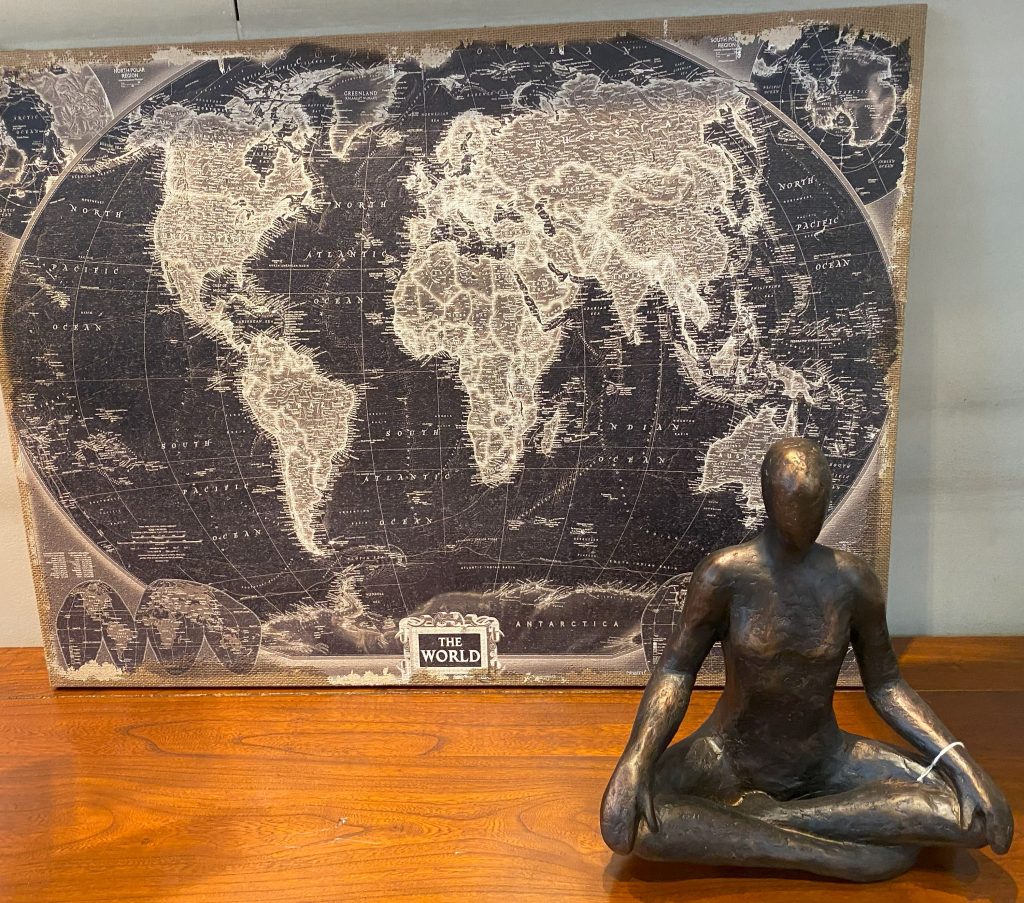
Grenzgang 2
Innerhalb vom Kern Europas ist der physische Grenzübergang kaum merkbar. Sobald es um die Regeln der sozialen Sicherung, Beschäftigung, Selbständigkeit geht oder der Unternehmensbesteuerung werden die bilateralen Regeln bereits viel komplizierter. Falls 3 und mehr Länder ins Spiel kommen wird die Lage ziemlich unübersichtlich oder zum Expertentum. Staatsbürgerin im Land A und Staatsbürger im Land B, arbeitend im Land C dürfen sich über einen Dschungel an Regeln freuen, der Kafkaeske Verhältnisse hoch 3 produziert. Irgendwo klemmt dabei immer etwas. Dabei hatte die Regulierung CE Nr. 883/2004 über die Koordinierung der nationalen Systeme der sozialen Sicherung doch weitgehende Konkretisierungen hervorgebracht und Sicherung der Bestandsrechte hervorgebracht.
Wie so oft liegen die Schwierigkeiten im Detail und darin sind die jeweilig zuständigen Verwaltungsbeamten, wenn die denn erst einmal herausgefunden wurden, eine Hürde, die es zu meistern gilt. In der jeweiligen landesüblichen Verwaltungssprache, versteht sich von selbst, inklusive regionaler Besonderheiten.
Während juristisch der Grenzübergang von Beschäftigten, Selbständigen und Unternehmen jeweils geregelt ist, ergibt sich aus einer juristischen Figur des „salary split“, also eine beschäftigte Person bei 2 Arbeitgeberinnen eine Lücke in der Zuständigkeit. Diese besteht gleichfalls in den meisten Ländern der EU. 2 Teilzeitjobs zu 50% lassen sich sozialversicherungsrechtlich nicht fair darstellen. Die zweite Lohnsteuerkarte und Besteuerungssätze, na wir ahnen schon, was das für Betroffene heißt.
Unternehmen und der Staat machen es sich einfach. Eine Konfiguration „Mulitplication des employeurs“, mehrere Arbeitgeberinnen, ist nicht wirklich adäquat vorgesehen (Crabeels, 2008 S.272). Dadurch werden viele, besonders junge Beschäftigte systemisch in ihrer beruflichen Findungsphase benachteiligt und in die Selbständigkeit oder gar die Scheinselbständigkeit gezwungen. Dabei brauchen wir dringend diese dynamischen GrenzgängerInnen in Europa mit ihren grenzenlosen Ideen, Enthusiasmus und Gestaltungswillen.
Neben diesen „high potential Grenzgängerinnen“ gibt es viele Beschäftigte, die bereits in einem Mitgliedsland der EU mehrere Beschäftigungsverhältnisse ausüben müssen, da sie von einem Job ihren Lebensunterhalt nicht bestreiten können. (EU Statistik Jugend Eurostat,2022). 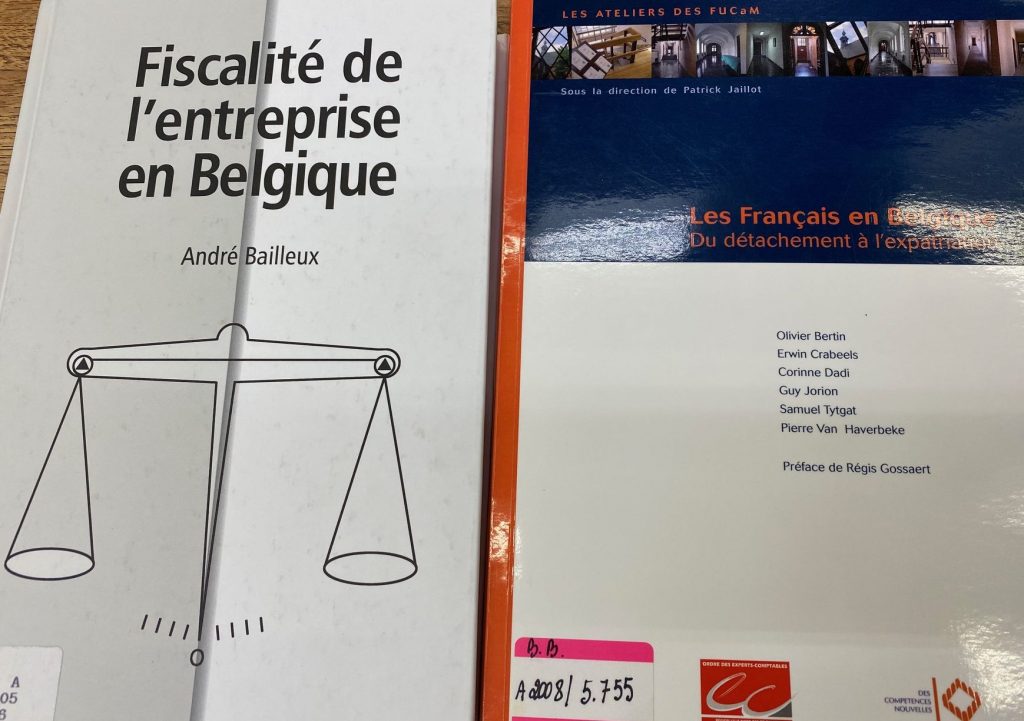
Grenzgang
Eigentlich wissen wir gar nicht mehr, was eine Grenze im Schengenraum der EU darstellt. Viele Arbeitende überqueren eine Grenze täglich, sozusagen als Arbeitsweg. Die Logik dafür ist vielfältig. Mal gibt es mehr oder besser bezahlte Arbeit im Nachbarland, mal ist es der preisgünstigere Wohnraum oder die Liebe. Diese Herzstücke Europas haben viel Selbstverständlichkeit, aber auch spezifische Belastungen mit sich gebracht. Das Europa der Grenzregionen bleibt für die meisten eine ständige Herausforderung. Regeln gelten meist noch nach Ländergesetzen. Sozialversicherungen sind ein besonderes schwieriges Thema. Das betrifft gerade die vielen Grenzüberschreitenden besonders hart. Misstrauen bei Sozialkassen ist die Regel und nicht die Ausnahme. Da wird dann schnell doppelt von Grenzgängerinnen abkassiert. Bei großen Katastrophen, bei denen die Medien überall hinsehen, stellen sich viele Politikerinnen ein. Für das Klein-klein des täglichen Lebens fehlt oft die Nachhaltigkeit der Handelnden, um wirkliche Verbesserungen zu erreichen.
Seit Jahren fahre ich beispielsweise in der schönen Grenzregion bei Aachen und Vervier mit dem Zug zwischen den beiden Ländern, doch dort scheint seit Jahrzehnten die Zeit still zu stehen. Wer mit ICE oder THALYS von Metropole zu Metropole fährt, rast mal eben vorbei. Die Bürgerinnen vor Ort dürfen sich zu Recht etwas abgehängt fühlen, bleibt für sie doch meist nur der Lärm der vorbeirasenden Züge. Zwischen Deutschland und Belgien gibt es für Grenzgängerinnen noch eine richtige Bimmelbahn. Sie wissen schon, die fährt langsam und kommt trotzdem an. Und das stündlich hin und her oder kreuz und quer. Leider wächst Europa selbst im Zentrum nur sehr gemächlich zusammen. Ob wir so viel Zeit noch haben, bevor undemokratische Kräfte die Uhren wieder zurückdrehen, bleibt eine Überlebensfrage für uns überzeugte Europäer. 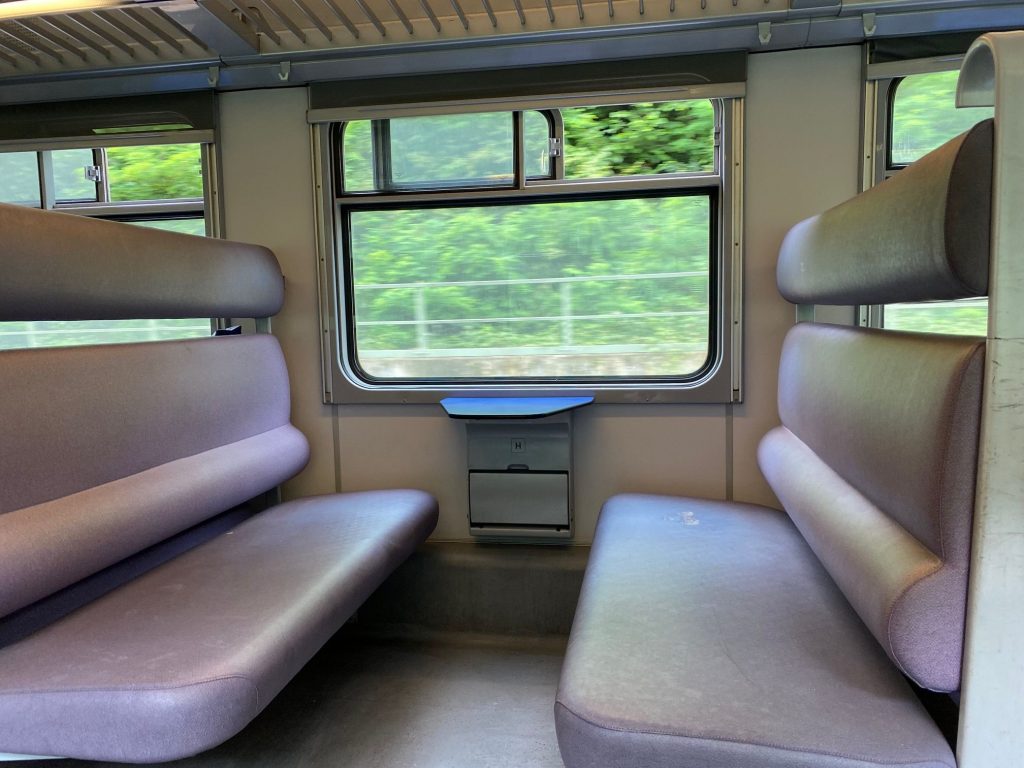
Special 3
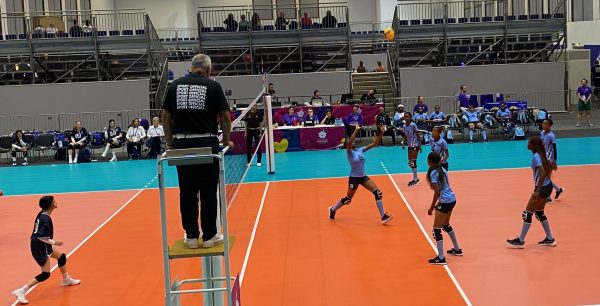
The special Olympics (SOWG) are competitive games just like other Olympic Games. The athletes compete with all it takes to win. Some with more success than others, as usual. The disciplines of Volleyball and Basketball give an advantage to mostly tall persons. Few exceptions are created by good team play. The warming-up exercises were already a challenge for the athletes preparing them very well for the match to come. Once in the game, all concentration is focused on the sport. Extraordinary athletes are no exception to the rule. There competition succeeds to get or to keep persons focused on the specific task.
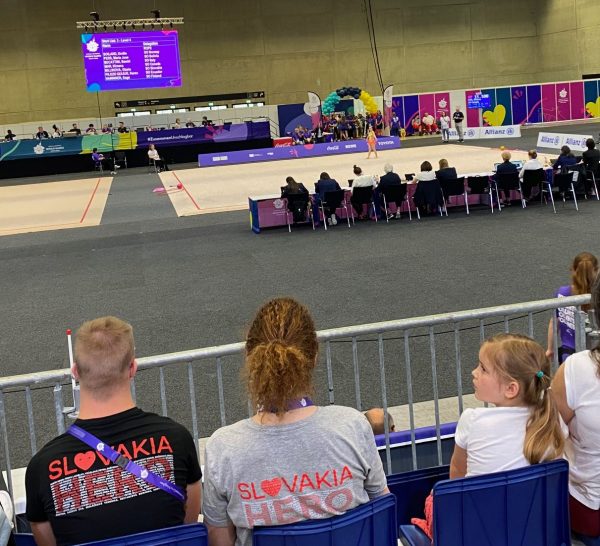
In rhythmic gymnastics the musical talent is asked to complement the physical effort. Gracious moves, difficult with a ball, ring or rope need to be coordinated to the rhythm of the music. Great to see the special athletes live up to the challenge, too. The roaring applause in the sports hall is surely encouraging them to continue on their athletic trajectory. The special athletes encourage everybody to keep exercising to make the most of our capabilities. Thanks for the lesson.
Additionally, in a hall next to the SOWG non-competitive games were presented as an accessible form of fun exercises that invite everybody to move and enjoy. Just being together and moving together is the basic form of happiness. Even having fun is exhausting after a long day and still lots to do in Berlin for all the teams on their way back to the hotels. sowg video
sowg video basket1.

Shake Hands
Shaking Hands, like rubbing noses or kissing cheeks are social practices you will have to master depending on which society you live in. After the Covid-19 crisis we have become more careful to shake hands or exchanges of touching another person. The handshake has another medical function as well. If we are approaching eachother to shake hands, we prepare our handgrip mentally and physically.
It is exactly the strength of the handgrip, which serves as measure of another person’s health. Believe it or not, your handgrip is telling a lot about your general muscle strength. Of course, it is possible to conceal the true strength, but most people seem to have an intuitive handgrip with less mentally controlled strength of application. Medical studies mostly confirm the correlation of handgrip strength and frailty in older persons, predominantly for women. The conclusions of these studies lead us to a preventive approach of exercising your hand grip strength and other muscles in order to reduce frailty and to increase even life expectancy. After Covid-19 we should return to shaking hands more forcefully than ever before. Exercising by shaking hands with yourself or shaking your foot with your hand as alternative are fun exercises. The scientifically confounding effect of laughing while exercising might additionally cheer you up. Balance and joy are additional features of a healthy longevity. (Image: Extrait from Degas, copyright BnF, 2023)
Source: Santos S and Paúl C. Handgrip Strength and the Perceived Risk of Institutionalization, Hospitalization and Death. Journal of Fam Med. 2022; 9(4): 1302. 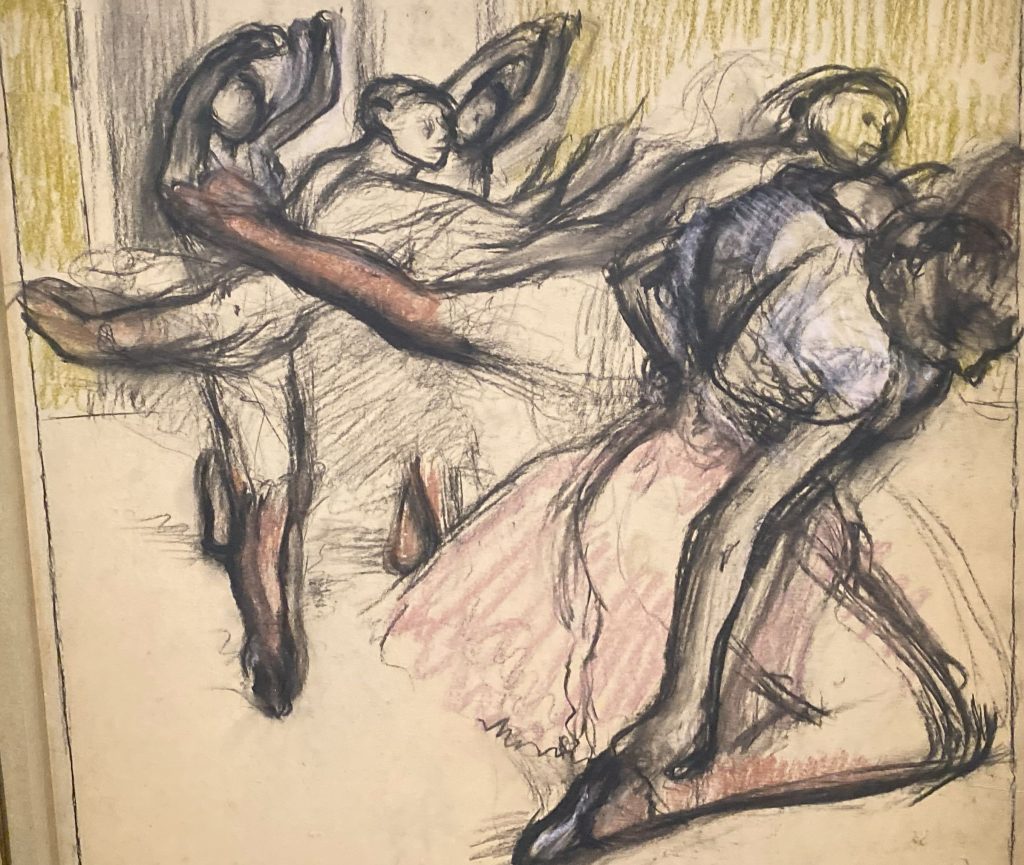
Special
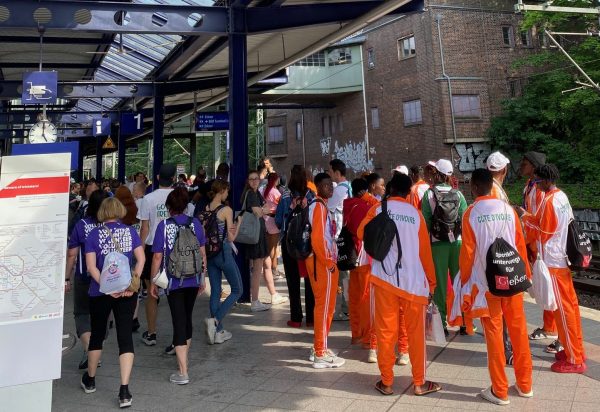
We all value special skills and specialists. In Berlin is a whole week devoted to the special event of the #SOWG. These are the special Olympics world games. Berlin is booming with special people all around. Already the arrivals of the athletes to Berlin tests the public transport system as much as private infrastructure to welcome persons with special needs. Rather than the waste that is produced for normal Olympic games the same incredible amounts of money should be devoted to make cities more welcoming to special people every day. We have become as societies so used to speed up things as much as we can that we have forgotten the value of allowing people to live their lives with their own speed and rhythm. Looking at the huge numbers of private sponsors for the SOWG it becomes obvious that many people care to support these special people on their journey. I am more willing to pay taxes for such efforts than the public money wasted for football, like TV-rights or stadium buildings. The joint experience of love and joy with these extraordinary persons makes us all happy and rich. Happiness is the new “wealth of nations”. Inclusion brings happiness to more than just the normal. We wish you all a happy #SOWG. The 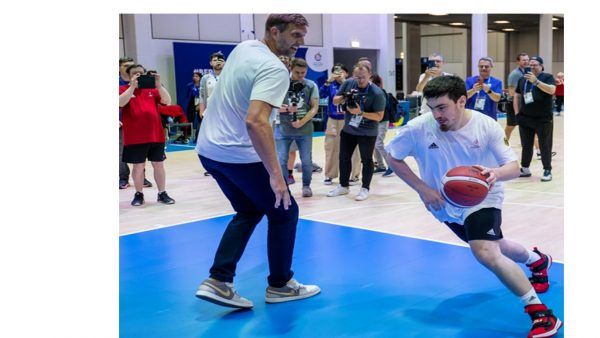 stars are you.
Air pollution
Only if we measure air pollution , we shall be able to be sure it is not getting worse or is improving. The European Environment Agency has developed an app that gives us fairly accurate measure of several important indicators of air pollution or air quality as they prefer to name the indicators. With the wild fires in Canada and the repercussions of this in U.S. cities we are certainly aware that air pollution by neighbours is just as important to know as air polllution originating in your own country.
In Europe this matters as well. Therefore the comparative view on air pollution is a necessary precondition to coordinate action within the EU. Specific meteological conditions yield SMOG in winter and too much heat facilitates SMOG in summer. Thousands of people die every year due to effects of air pollution. This is all well-known and documented.
In Science Advances (2023-6-9) new evidence is presented that fine particles (PM 2.5) in air transport influenza H1N1 viruses into the lower respiratory system and even other more distant organs like liver and kidneys. The conclusion is easy: Reduce air pollution much further, this saves lives and lots of costs in the health system as well. Well-being is advanced sometimes by doing less rather than more. Working more in the home office than in the inner city might reduce the peak of an influenza wave. New solutions to old problems are feasible with new technological advances and implementation like fibre-optic cables for fast internet service also in remote areas. Using the “Science Advances” should allow us to rethink our production and consumption model for the improvement of living and working conditions for all. Many extensions of our economic model shall be based on the “beyond growth” logic. We just need to dare to think and implement policies accordingly, rather than to continue to do the same mistakes over and over again. (Image: still building new Autobahn in Berlin 2022 in residential areas). 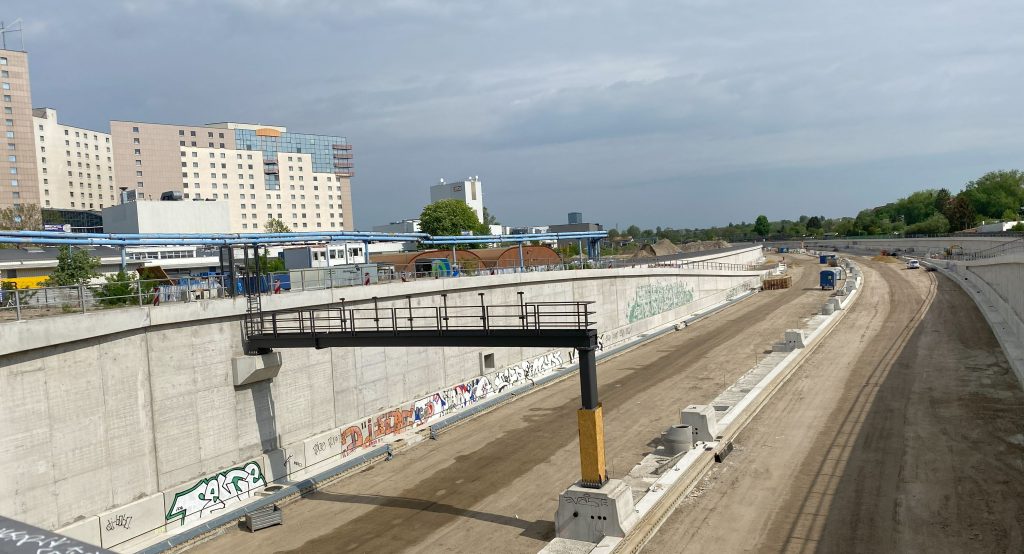
Avers
Der kurze Titel „Avers“ der Sammlung von Novellen des Autors J.M.G.Le Clézio lässt keine Wundergeschichten erwarten. Der kleingedruckte Untertitel „Des nouvelles des indésiables“ noch weniger. Dennoch, aus der Sammlung von Kurzgeschichten werden die kleinen Heldinnen und Helden des Überlebens in unserer komplexen Welt vorgestellt. Mal mit, oft ohne „Happy End“ werden Kinderschicksale erzählt, die uns nachhaltig berühren. Schule ist für die kleinen Helden ein Fremdwort. Der tägliche Überlebenskampf für Nahrung, Gefahr von Kinderarbeit, einfach in Ruhe gelassen werden oder dem Krieg zu entkommen, steht im Vordergrund. Fluchtwege wäre für mich ein möglicher Titel einer deutschen Übersetzung. Flucht vor Missbrauch und die Brutalität des Alltags in Kriegsgebieten sollten uns sensibilisieren für „la Misère du Monde“.
Die unerwünschten Novellen von Le Clézio kommen auf leisen Sohlen oder eher barfuß daher. Sie lassen uns die ständige Herausforderung der Humanität spüren. Menschen, Kindern, Menschenwürde ermöglichen, ist nach wie vor eine riesige Aufgabe. Der Ansatz an konkreten Schicksalen aufzuzeigen, wie wenig es oft braucht, damit Kinder eine faire Chance bekommen, muss uns aufhorchen lassen. Obdachlose werden bei Le Clézio zu „fantômes dans la rue“. Wir ignorieren ihre Präsenz allzu gerne.
Nach 60 Jahren Heinrich Böll „Ansichten eines Clowns“ rütteln uns die Novellen von Le Clézio wieder wach. Wirkliche Humanität braucht uns alle und das ständig, nicht nur sonntags. Aversionen ablegen und sich dem Unerwünschten zuwenden, das fordert den ganzen Menschen. Überforderung gilt nicht als Gegenargument. Wir sind viele, helfen wir. (Image: Extrait, Atelier Albrecht Dürer um 1500).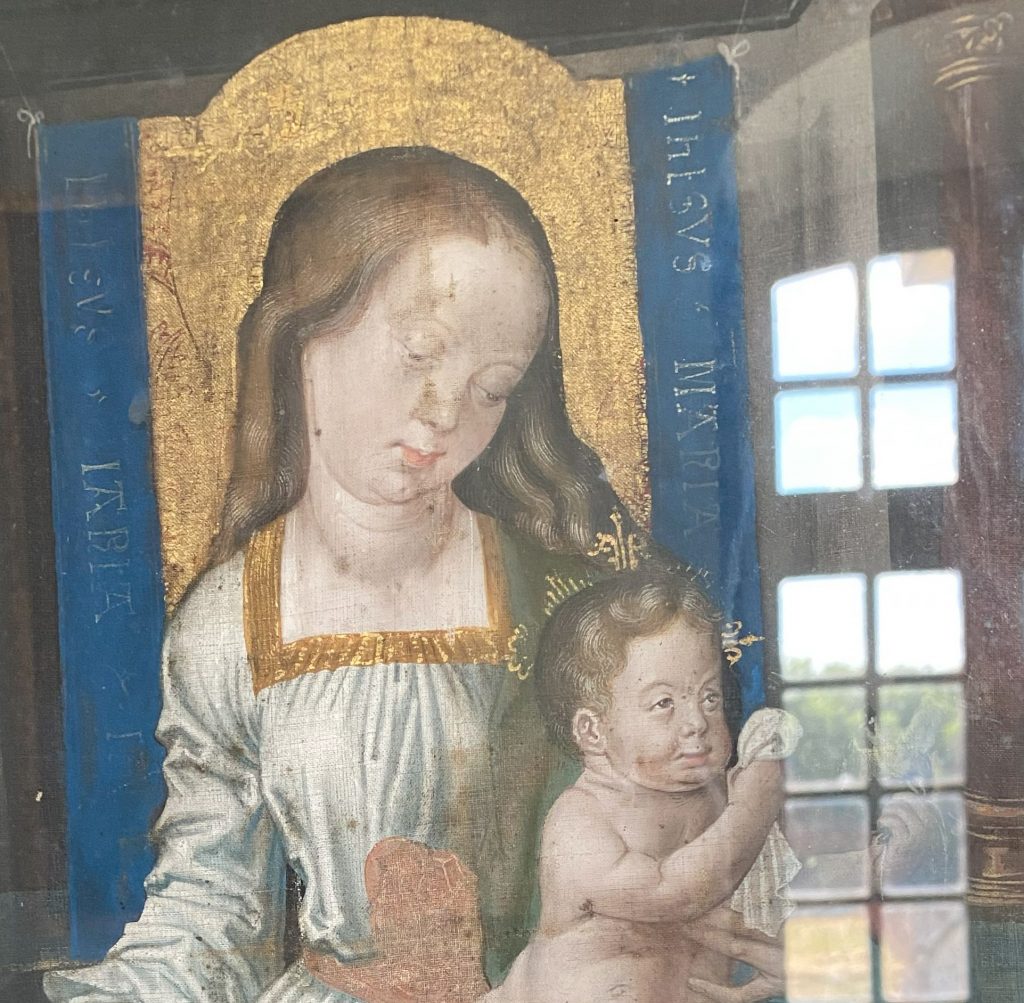
Ground Water
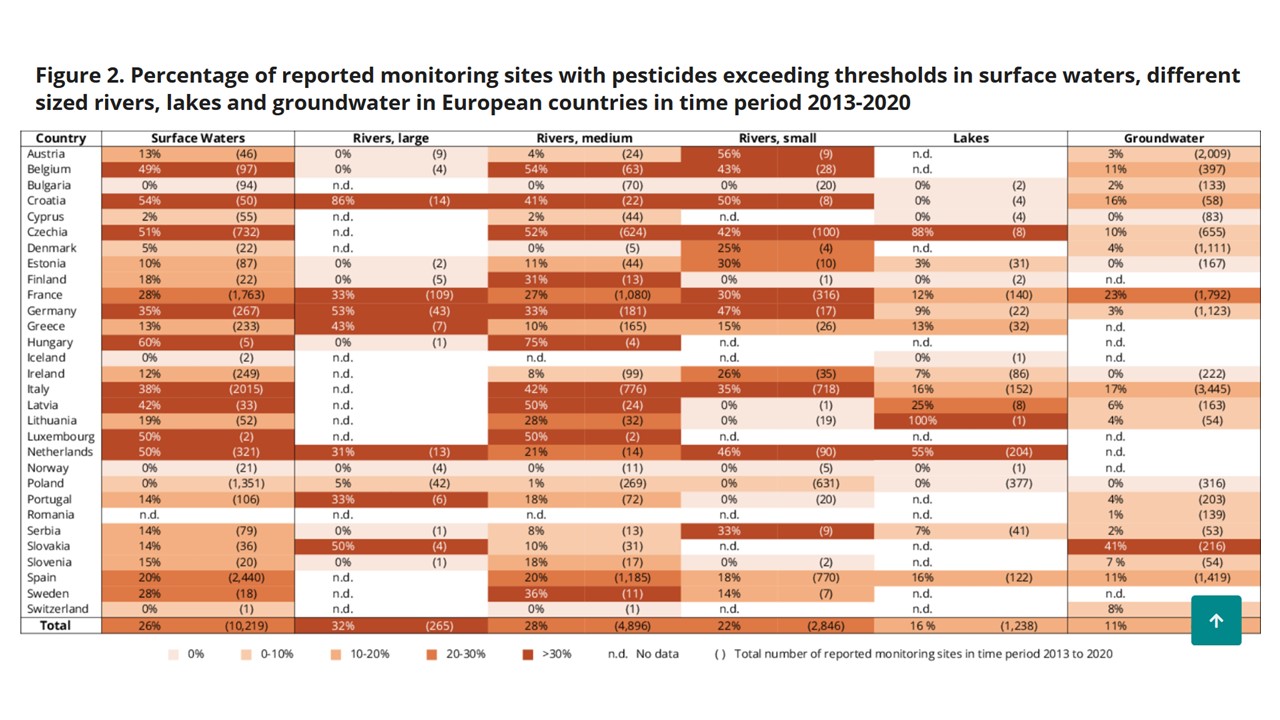
The European Environment Agency collects annual data on pesticides in the ground water. The water most of us use in some form or drink. This used to be possible without too much thinking a generation or two ago. We now learn that this might be more and more dangerous, particularly in areas, where less rainfall and prolonged periods of draughts most likely increase concentrations of pesticides even in our tap water. Drinking this, raises more concerns. We know that in big cities and nearby of hospitals water quality is worse due to the concentration of particles from chemicals applied to increase contrasts in medical imaging. Pesticides are mainly used in agriculture, road and rail maintenance, but also households apply them for simplicity.
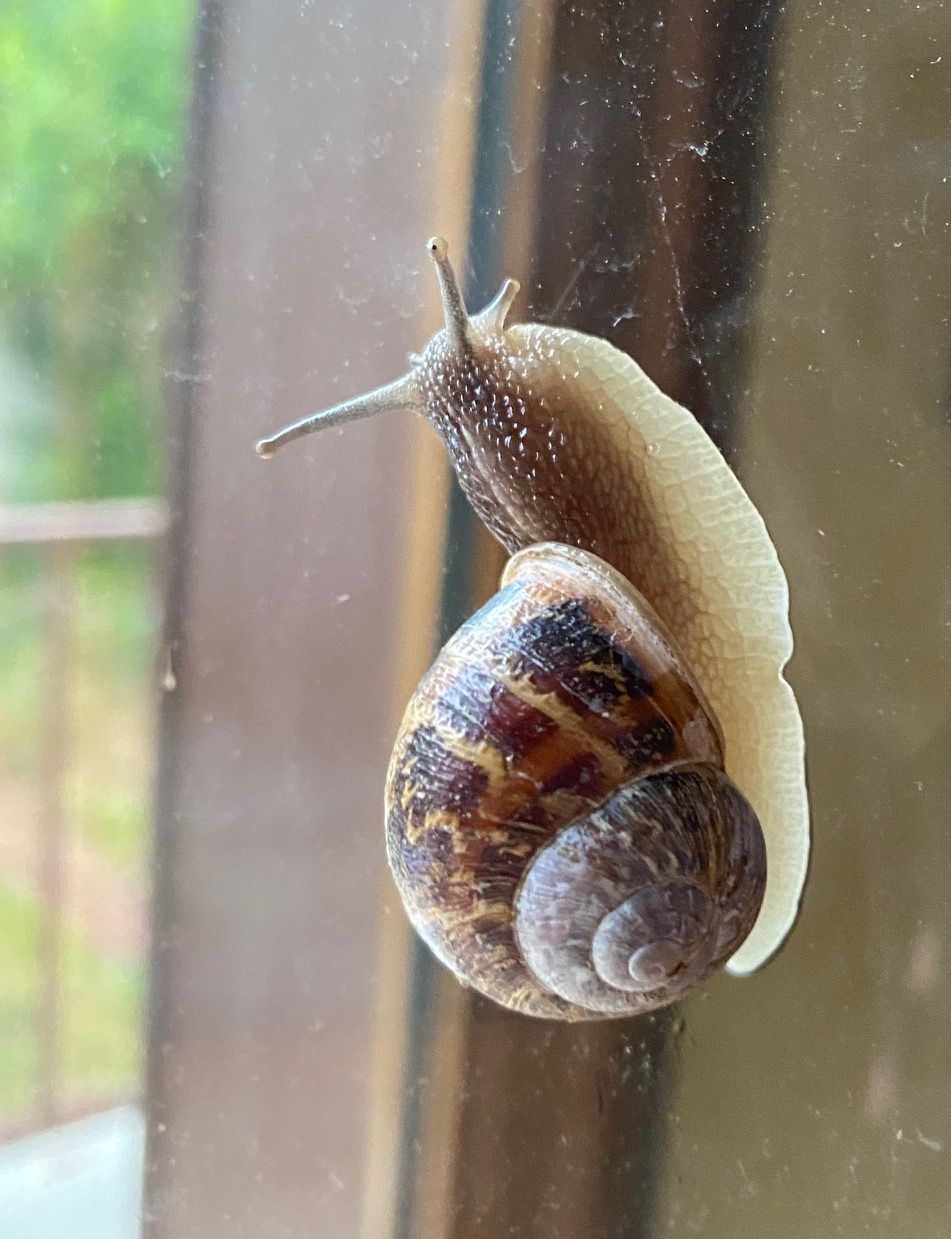
Snails (escargots) might invade your garden and even your home at times. However, it is just a little bit of exercise to “relocate” them in a decent place other than your home. Prepare a race for several ones and bet on who is going to win, but please refrain from the use of more pesticides. Several species of them are consumed and, depending on your taste, considered a delicious part of a meal (for example in Bourgogne, France). It should be easy to agree to stop the heavy use of pesticides across Europe and beyond. We shall have to protect the salads we grow differently. Human intelligence is able to allow other solutions than just killing as efficiently as possible ,at the same time, endangering our own species. (Comparable data EEA below).