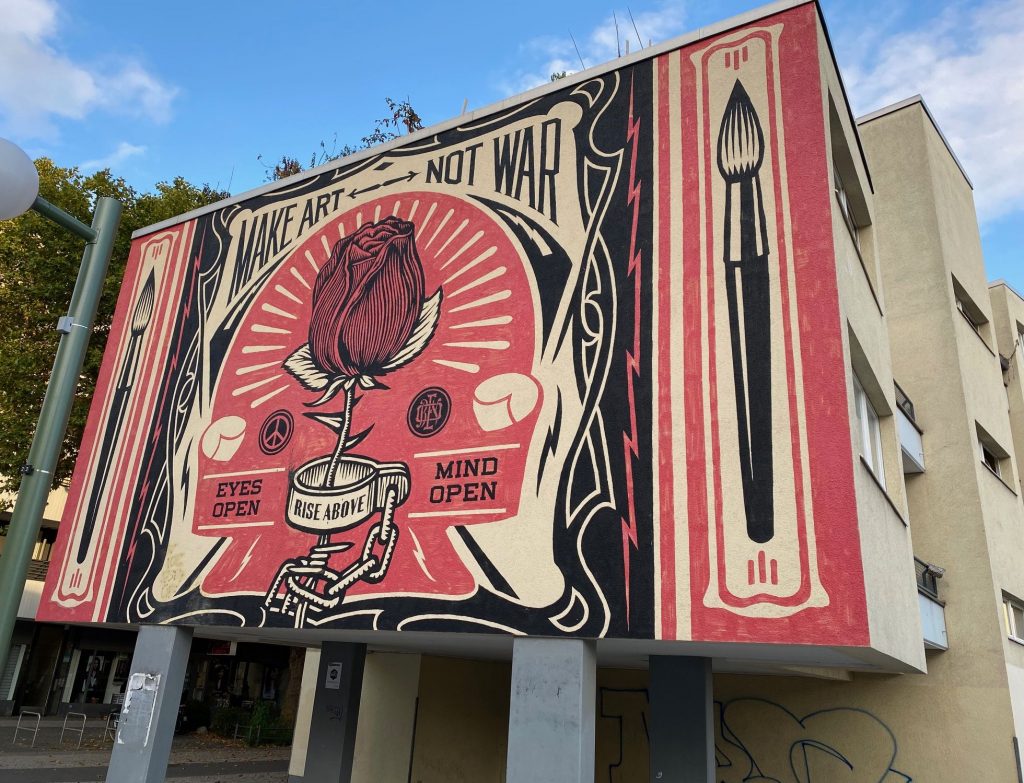
It seems like a horrific idea to talk about the need of war. We might have deemed it outdated to read about the terrible love of war or about the strategy of war. However, the time of war is back in Europe and Eastern Europe feels the real threat and Ukraine the bombs hailing from Russia. Why does Putin love war? The love of war is largely driven by domestic issues. Staying in power for unliked authoritarian leaders is easiest if they indulge in external conflicts. Dictators love war because it makes it easier for them to sustain leadership through brutal force within the country due to a proclaimed external threat or even outright engagement in war. Democratically elected leaders know that they will leave office eventually in a peaceful way (exceptions like Trump are rare). Dictators use any force or terror necessary to stay in power. The love of war is part of this.
Hence, the need of war goes without questioning, if a country in decline or at risk of decline tries to uphold an inefficient, belligerent regime. Beyond rational reasons, such regimes will abuse ideation about national pride, the national interest and anything pertaining to some supposed myths of nationhood to justify its need of war. The dictators have all failed eventually as resistance against this need of useless war is found out by enemies either within or externally. But thousands or millions of victims will suffer. The pressure against the need of war has to rise internally from opposition as well as from alliances of democracies that do not need war to motivate their people to achieve the best they are able to deliver.
Therefore, the defence of democratic rule is, at the same time, a fight against the need of war by some doomed regimes. After winning the war comes the difficult task of winning peace. This means to create a state of affairs and a state of mind that can do without the need of war. If the external threat diminishes the internal threats might rise and have to be contained as well. Lots of challenges, even for mature democracies. (Image: Berlin 2022-10)
Symbol
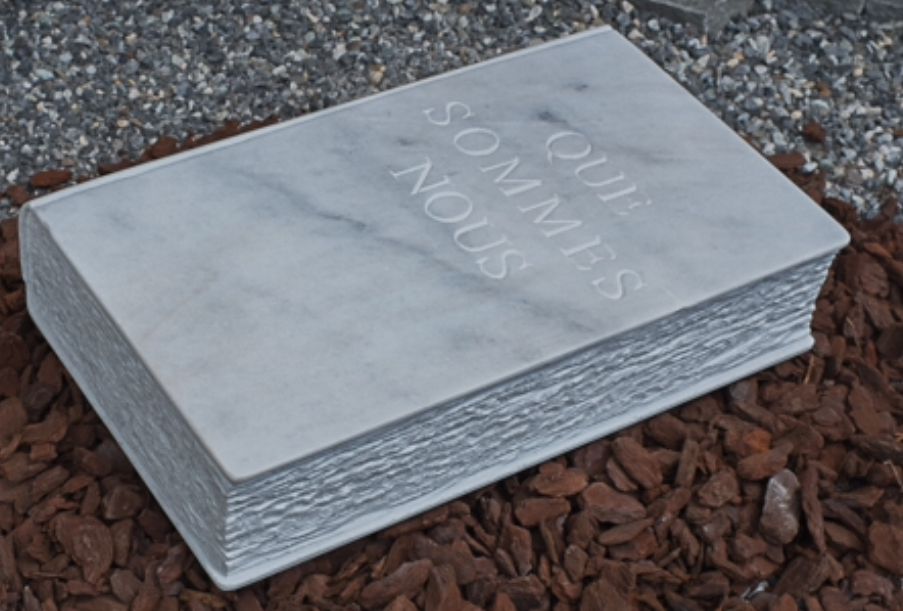
What is it that makes an object a symbol? Probably, it is the widely shared perception of the meaning of a symbol that turns an object into a symbol. The etymology of the word symbol refers back to the Greek word σύμβολον. The earliest philosophical refer back to the Greek philosopher Aristoteles who deals with symbols when he writes about interpretations. Written words have become powerful symbols in the ancient world. We still have them all around us today. The interpretations of the words as symbols, however, may change considerably over time. Some symbols keep their designation and significance over centuries. Maps are well known to contain lots of symbols for roads, railways, tunnels or height. We learn about these symbols and interpret them in a specific societal context. Science is making ample use of symbols, e.g. chemistry. Different cultures define and apply their own symbols. Colonialism has been a form to impose symbols upon other societies. Throughout history symbols of power have changed as well. Each of those topics is an interesting field of application in itself. Young generations create their own symbols to establish a specific cultural identity or subculture. Urban spaces have been invaded by graffiti that tend to spread symbols as messages or symbols for their own sake.
Sociology has taken up the challenge to identify “status symbols” of groups of society. Possession of gold and silver have long ago been symbols of being rich. Maybe, even today such easily visible symbols play a role in how a person’s role is perceived in societies. Not only for priests etc. dresses have been applied as a symbol. Modern fashion is full of symbols as well. Interpretation of the meaning or even no meaning is an act of becoming conscious of the world around you. From the seriousness of symbols, we have come to the playing around with symbols as expressions of ourselves.
No matter whether we use the word, like water, we all know the chemical symbol H20. An image or art work using the symbol in whatever form will be decoded by us accordingly. However, the meaning we attach to water depends on the environment as well as specific context we (or the artists) are using it in. Cross-cultural competences consist in the awareness that symbols grow out of contexts and need to be interpreted accordingly. It needs a lot of openness, willingness to learn about differences and careful consideration in our everyday world to handle symbols. Doing culture is doing symbols.(Image of art work by Anderegg, Andi taken in 2016)
Biographies
The biographies of painters, composers or artists in general can be reconstructed by use of their major works. The biography of René Magritte by Eric Rinckhout (2017) has chosen this way of a retrospective in images and explanatory texts. The biography is built around 50 major images starting with the first one by Magritte at the age of 28. “Les réveries du promeneur” (see below) deal with the confrontation of Magritte with death, suicide and the difficulty to find rational answers to all those questions of why this happens and what becomes of people who experience such a tragedy.
His own childhood was affected by such an event concerning his own mother who suffered from depression. Coping with the evolution of psychic illness over years and the absence of a supportive father have posed a steep challenge for the young person. Creation of art became a coping strategy as well as a relief for those who manage to eventually cross the bridge into their own life leaving behind the bad experiences. J.J. Rousseau was an influence on Magritte as well.
Finding your own destiny and your own style is a process. This process evolves over years. The chronological sequence of 50 images allows to follow the path taken. Thereby, it becomes possible to open up the personal learning and working trajectory of the artist. In retrospective perspective it seems often logical that one style or period of painting follows on from another one. However, in the forward living of the creative life many choices are heavily contingent on other circumstances. Influences of friends, exhibitions, reading, cinema, private or financial situations may determine the creative choices simultaneously or one at a time.
The chronological path of images writes a biography of a special kind. It allows to think in sequences just like in a sequence analysis as sociological methodology. Description, reconstruction, analysis, causality remain a challenge in our attempts to learn and understand more about biographies or the construction and reconstruction of life courses. 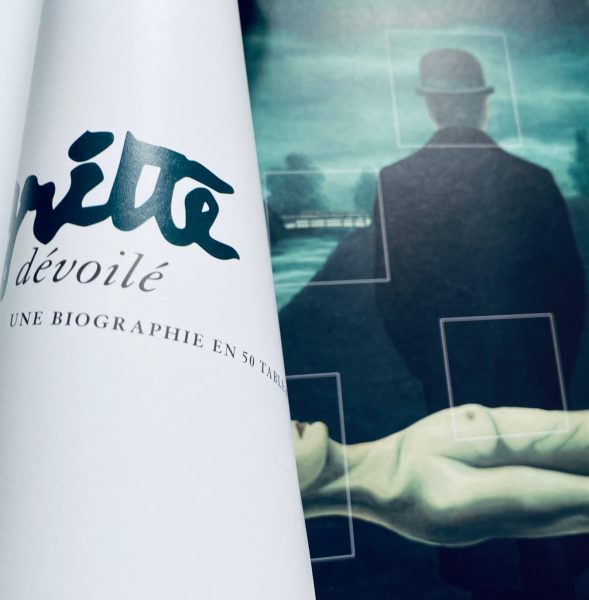
Error 444
The error message 444 is a not so rare encounter while surfing on the web. The error code 444 stands for the message that from the side of the server the connection is closed without any additional message. The occurrence leaves you without further indication of what exactly went wrong in building a connection to a web service or website. You just simply get shut out and that’s it. It may be tough on you if concerns your online banking or other access to vital services delivered through the internet.
In organization science and social science there are many new studies dealing with the finding, dealing, coping or handling errors. It has become much more acceptable to deal openly with errors, blunders or failures. From an individual as well as organizational perspective the cultures that deal openly with these events seem to have a certain advantage to overcome the consequences of errors at all or faster than others.
In some biographies failures are part of the lessons learned throughout life. It is deemed important to acknowledge failures or paths not taken for better or worse. Organizations just like individuals seem to learn more intensively from their failures or omissions than from everything seemingly running smoothly. Learning curves are faster also for “machine learning” if you have access to a huge data set which contains ample data on failures rather than encountering failures after release. Hence, the compilation of errors is an important part or early stage of a learning process. Failed today? Fail again tomorrow. You’ll be really strong the days after although it might hurt. 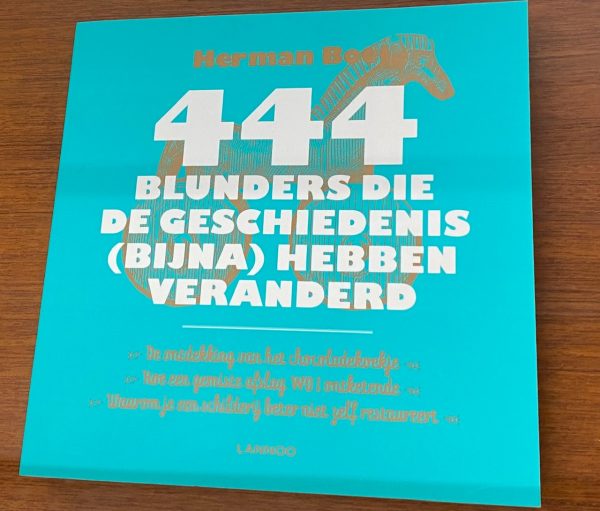
Sepsis
Sepsis is a major cause of mortality. Therefore, early detection of sepsis is of high importance. Antibiotics constitute a powerful antidote. However, the application of antibiotics without need, i.e. for purely risk reduction in general, has side effects in antibiotics losing their effectiveness later on.
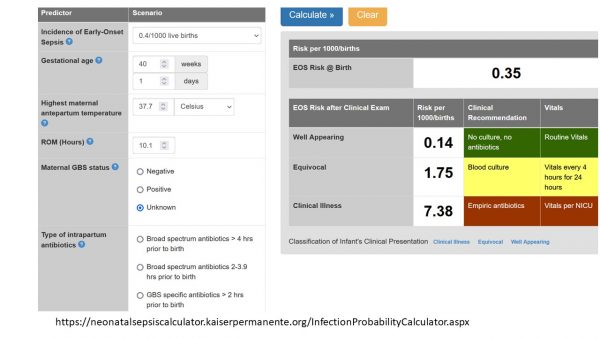
The paper published in The Lancet Digital Health by van der Weijden et al. (2024) reports on the effort to provide an open source access to a calculator of early onset of sepsis (Link). The Neonatal early-onset sepsis calculator developed by Kaiser Permanente builds on the use on the risk carried by mothers like time since membrane rupture, regional infection risks of mothers per 1000 population and the infants presentation at birth. It is important to point out the combination of risks put into the calculator. New systems of artificial intelligence might equally make predictions or recommendations about the application of antibiotics implicitly making use of such a calculator without disclosure.
From a sociological point of view it is interesting to scrutinize the indicators used in the calculation. The approximation of mothers carrying a sepsis risk relies on national, regional or better local indicators. This information is rarely accessible to the public. The choice of a hospital, speed of access to it in case of membrane rupture as well as staffing come into the calculation of an overall risk of sepsis.
It is great to follow the progress of digital health and the increased transparency of critical health decisions at the earliest stages of the life course. Inflammation as a precursor of sepsis should be taken serious at all stages of the life course. (Image calculation based on Kaiser Permanente digital tool Link)
Cancer Inequality
Inequality is a hugely important topic for societies. Inequality has many different dimensions and differential longitudinal patterns. New data in this field of social research are helpful to inform on possible ways to prevent increasing inequality. At the same time, it is important to reflect on factors that may reduce inequality in and between societies. Inequality in health is both an outcome of inequality experienced during previous stages of the life course as well as a factor in causing inequality in the evolution of the life course later on. Disentangling the factors is a difficult research issue.
A first descriptive pattern across Europe allows to get a snapshot impression of the status quo as a first indication of what health inequality looks like. Cancer is a major cause of mortality across Europe and by 2045 it is estimated to be the leading cause of mortality.
Without precisely analyzing the causal factors the overview across European countries allows to give a first impression on fields that need more policy attention and more in depth studies. The European Cancer Inequalities Registry and the ECIR Data Tool is based on data from 2019 (Link). The overview matrix by employment status reveals the highest prevalence of smoking among the unemployed (followed by the employed, not shown in figure) and the frequency of alcohol consumption is highest among the employed. Low physical activity is mostly prevalent among the retired. This has consequences for cancer and gives hints to how an intensified prevention may work.
The OECD report (Link) based on these data and additional country case studies and policy data base reiterates the known prevention recommendations: Reduce smoking, alcohol consumption, air pollution as well as more physical activity. The dimensions of inequality are gender, age, employment status and most of years spent in education. The curing of cancer also suffers from inequities as to the amount of and access to screening of cancer. Cost coverage and shortages in medical personnel add to multiple sources of inequality in treatment of cancer within countries by regions and between nation states. The Lancet Public Health editorial contributes to the spread of the awareness among scientists and the medical profession.
(Image: ECIR data tool download 2024-2-22) 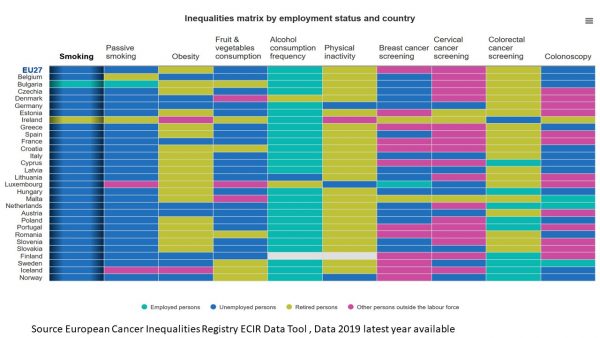
Digital organising
Since the digital innovations continue to broaden our scope of how to organise, we have to make conscious choices which way to choose. The traditional form of sending out newsletters and waiting for responses is still a feature that is prevalent across Europe. Most organisations have shifted to digital plus physical versions by now, just like newspapers. Young organisations by founding year have started or shifted to digital only for speed of delivery, CO2 and cost saving mainly. We may derive a first dimension of organising between the digital and physical. 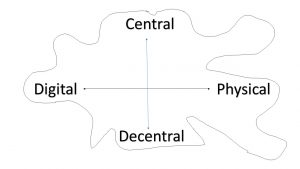
A second dimension consists in the central versus decentral forms of organising. Similar to the franchise principle of organising companies, organisations have a choice to keep a central structure with varying degrees of freedom at the regional, sectoral or local level. Organisation theory is helpful in this respect. Various hybrid forms are equally possible. Centralised in financial aspects, but scope for local decisions on content.
Bohn et al. (2023) define digital organising as “collective purposeful alignment and distributed action fostered through digital technologies”. Centralisation and/or Decentralization become a matter of conscious choice. The processes of datafication and connectification, whereby every bit of information becomes a data point and any electronically enabled device can be connected with each other. Organisations now have a choice of how to organize including digital organising. The opportunities are within the space opened up by the 2 dimensions (figure below). A specific subject matter may require more physical presence and maybe centralised structure, but digital only forms with highly decentralised forms are powerful tools in the 21st century. New as well as established social movements may well take advantage of these digital technologies as well. (Image: Digital Organising 2024 Protest Berlin). 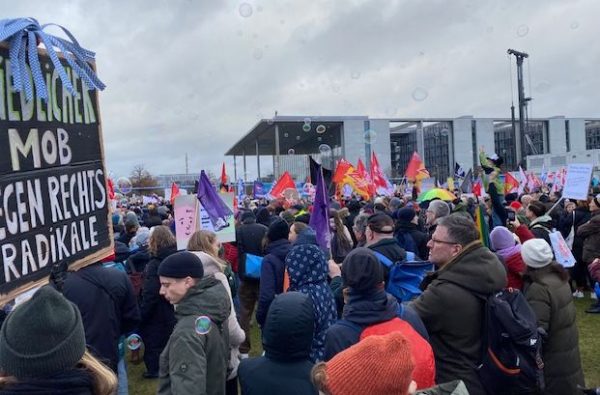
Skill loss
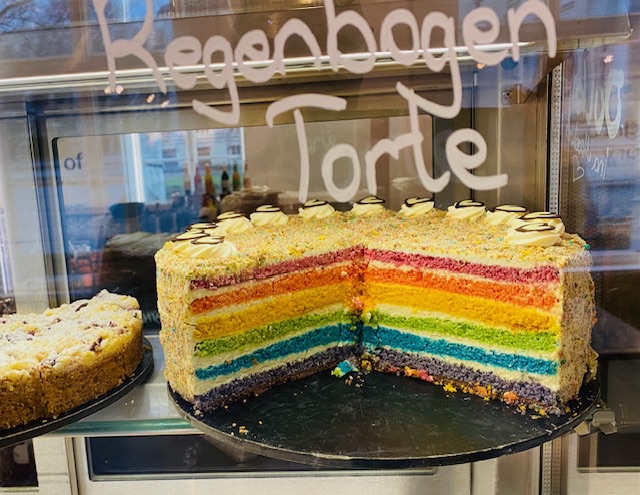
There is a sense of skill loss in watching the trends to increase comfort. We all use washing machines and maybe dishwashers. Households can save a lot of time by using those machines. Some porcelain and clothes should not be left to the machines. The need to organize traditional washing routines is almost forgotten after 1-2 generations. The same holds for many technical skills. Bicycle and car repairs or small repairs of electrical appliances are delegated to specialized repair shops. Not using or having learned these skills puts you in a form of dependency and at the risk to pay a price for specializing on other skills. Find out and focus on what you are best at. This has been the mantra of economic theory since Adam Smith. The potential value of satisfaction with an own production rather than a bought product is frequently acknowledged for baking cakes yourself rather than simply buying one in a shop. The same rationale holds for many other skills. Autonomy of own production with possibility to improve or repair are forgotten values. The have become a luxury item or a necessity for persons lacking financial spending power to buy products from others. Many skills will be lost rapidly because products have become so cheap to replace or order for home delivery. Industrial production is desperately searching for skilled persons but losing skills is pervasive at the same time. Public schools and academic curricula will not be able to stand the tide of pervasive skill loss.
Postmodernism
The grand narratives of the modern world, like modernism itself, are under serious criticism. Deconstruction of the modern way of thinking has become philosophical mainstream. Economics as a science is in the middle of the behavioural shift and changing or at least complementing its narratives. Sociology has embraced postmodern thinking in theoretical as well as empirical forms (Mirchandani, 2005). The empirical measurement focuses a lot on the groups and people who hold postmodern beliefs and values. The discussion in the social and literary sciences continue. In the arts reading on modernism and postmodernism is a must in order to understand much of contemporary art or art from the 19th and 20th century.
Bookstores in art galleries that cover long spells of history can make surprising links between historical periods of art. Books of postmodernism appear next to books on romanticism. A lot of the ideation of postmodernism rejoins romantic depiction about nature, re-naturalizing or the emotional connotations of wildlife, isolated places and stillness.
On the other hand, we are confronted with the brutal world of war, drugs and crime. Classical warfare and strategies are back in Europe with tanks and rockets killing like in previous wars. The Russian empire of a specific version of modernism strikes back as if it were to stop the postmodern turn of the 21st century. Neo-fascism tries to build on the losers of the transitions to the socio-ecological economy and society. There are manifold backlashes of modernism, but the postmodern world is under continuous construction, most of in our mindsets. 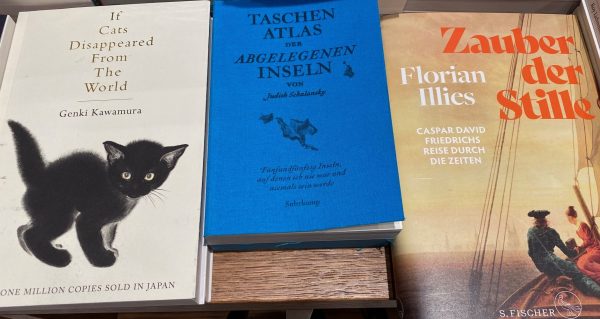
Modernism
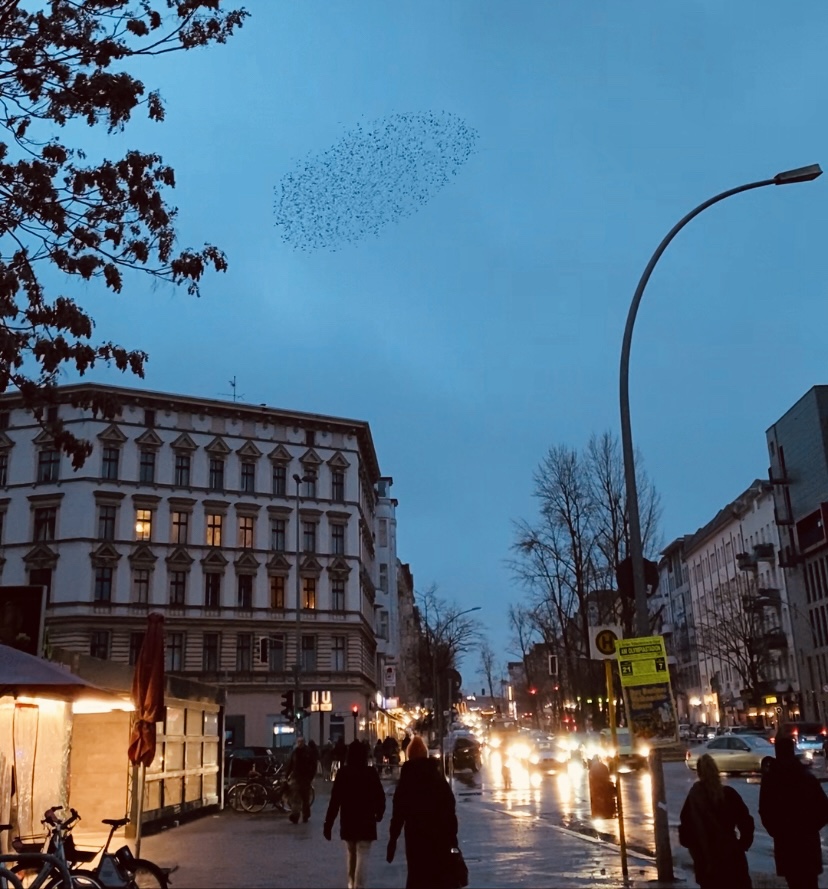
More and more people move into cities. A modern way of living is more accessible there. Besides abundant car traffic public services of transportation like buses and underground are within easy walking distance. Culture, science and education offer attractive opportunities for learning, working and leisure. Diversity is an additional asset most people appreciate of cities. The chances to live your very own way of life are much easier to achieve and thrive in as in remote or rural communities. “Birds of the same feather flock together “. It is easy to find likeminded people among a million people than among a hundred particularly if you’re a bit off the mainstream or avantgarde. The excitement of birds passing the city can reach the emotional force of Hitchcock’s famous movie “The birds”. Even in the modern world we not quite sure what these creatures are up to. Is it a swarm of drones? Are they out of control? Modernism has brought us many amenities, we have to make sure that we really are still in control.