Eco-trees

This time we thought to advance with our ecological version of Christmas. We use LED lighting and instead of advocating real horse riding we opted for the wooden replacement. We reduced the size of the tree by 27.5% to further cut down on the carbon footprint of our event. As we were all feeling pretty confident that we are on the right track now, we learned from the media reports in Germany that the trees usually grown specifically for Christmas are taking away precious land where otherwise food would be grown. Much worse is the fact that pesticides are very often applied to facilitate the production of trees. (Link to study and test results).

We know that there is a problem in Germany to be frank about environmental dangers of diesel and glyphosate, but we did not want to believe that we inhale glyphosate in our living rooms after the diesel disaster in cities. We thought trees were synonymous for nature. Far off the truth. Better check the ecological impact and risks incurred even for trees. Trust and good faith seems to be utterly misplaced when it comes to nature turned into a product.

2023 hazardous tree 🌲 is

Infrastructure

For some societies and cities it is a continuous question of how much resources we should invest in infrastructure. Access to funding is a major concern. The calculation of the viability of the project needs careful examination and evaluation. Societies have very different kinds of preferences and, interestingly, about time horizons for their deliberations.

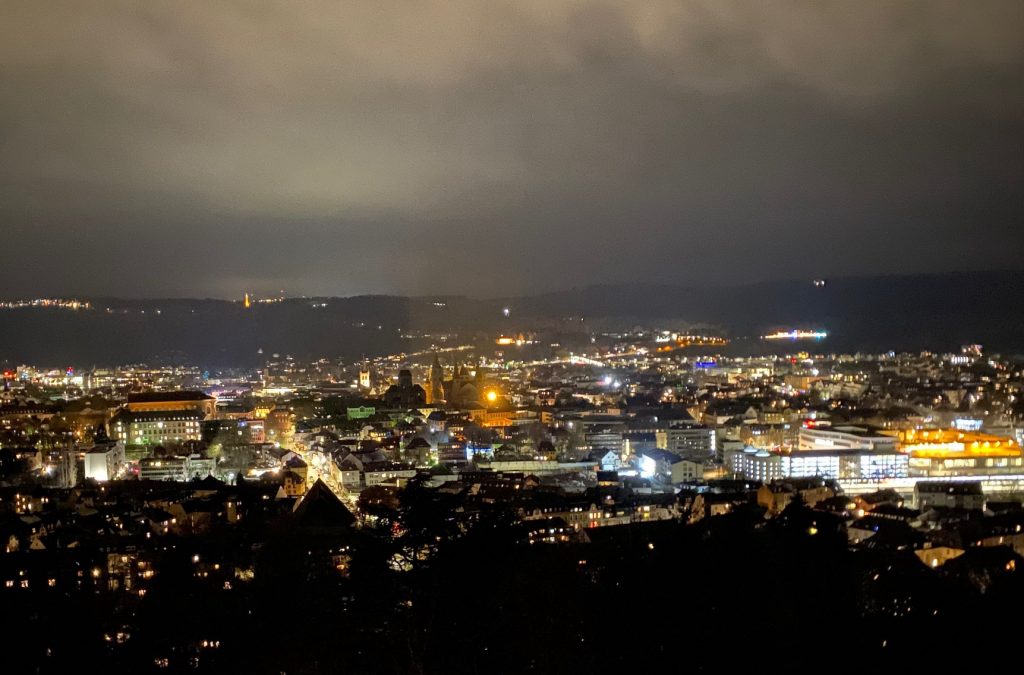
There are examples that have been built to last a century and lasted 2000 years. Other worst scenario examples are built for just one World Expo and torn down afterwards. The Eiffel tower is such an example of the latter kind, but it lasted longer than 100 years by now. We should be thinking more about time horizons as it remains an often overlooked part of investment in infrastructure. The oldest city in Germany has many buildings from the Roman occupation that still characterize the city’s architecture. This remains an important economic factor for the city of Trier as an attractive location for tourists throughout the year. Only wars or negligence may cause severe deterioration if infrastructure has been built with an emphasis on its lasting value. The narrow-minded investment in downhill skiing like in the Swiss Alps is at best expected to last 20 years. For trees to grow there again it will take 50+ years. Sustainable investment will be viable and vital in many respects. High interest rates force us to recalibrate our societal and private s again. Taking into account a longer time frame for investment we indirectly build infrastructure that should last longer. Moving beyond short-termism is necessary, particularly in the field of investment in infrastructure.

Trier 2023-12

Mobility Concept

Berlin has an exceptional chance to rethink mobility in the city as new modes of transport arise. Just as the bicycle paths have been expanded over the last decade there more options to reach your destination. For the vast majority of moves in the city the “decision tree” has grown new branches. We start to change habits to consider (1) walking (2) bicycle (3) roller (4) public transport and (5) cars (electric and sharing or still owned). Multi-modality (Jelbi) in Berlin figures out the best combination for you getting from A to B. Other hybrid forms of transport start their entry in the big cities.
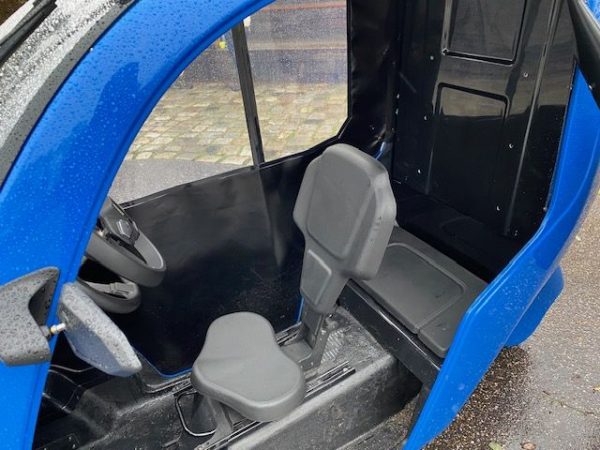
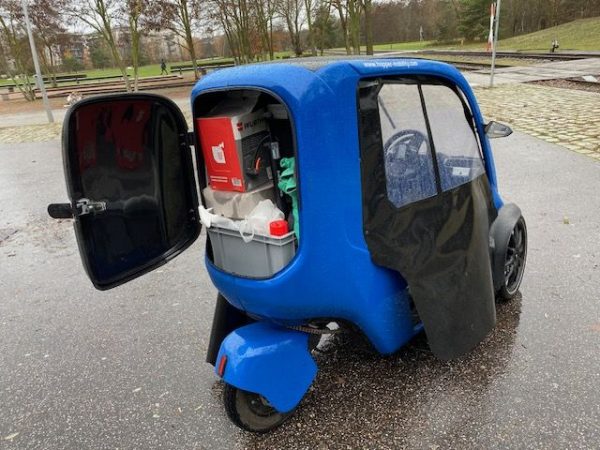
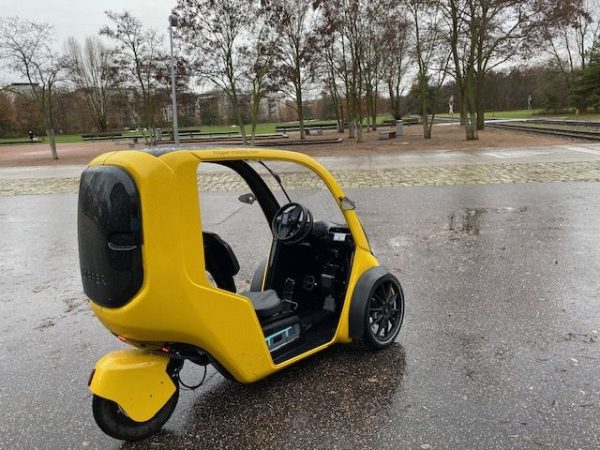
The last hybrid form that soon will claim an entry into the Deutsches Technikmuseum in Berlin is the hybrid version between a bicycle and a car. The Hopper has a permission as a bicycle. It is allowed to use bicycle tracks and therefore has an advantage on the “last mile”. At the same time, it feels more like sitting in a car and a 2nd person behind you, 2 children and/or luggage or shopping bags. These hybrid forms manage to combine advantages of both original modes of transport. You may feel more safe, dry and visible on the roads like in a car, but you are not travelling at more than 25km/h. Cyclist might not be to keen to have a big competitor on their limited cycle space.
Legally the Hopper would need to take the cycle path even if the road would be empty, but there are many cyclists on the cycle path. This is a good reminder of the societal and legal issues involved in new technological solutions. Acceptability of another competitor for space in the city has to be earned. Legality has to be tested and laws interpreted, whether the hybrid form falls in one or the other pre-existing category. Otherwise, the legislator has to establish a new category altogether, but this is the very lengthy procedure. Two bicycle wheels in front and one motorbike-like wheel in the back make 2/3 bicycle and 1/3 moped.
With a stronger electric support, the bicycle becomes a pedelec and can go faster, has to use roads and is insurable against accidents. The options grow. We are likely to witness more innovation and options in the world of mobility. The proof of concept has been achieved. Finding a market for the hybrid mode of transport is another challenge. Competition and lobbying are fierce in this world of mobility as well.

Mating Birds

Mating birds have astonishing capabilities. Some songbirds can expand areas of their brains during the mating season. Apparently this helps to outperform other birds in singing contests. The expansion of the brain in the preparation for mating is not so much of an interesting phenomenon in view of the fact of subsequent decline of the capacity. Of course in human engineering the expansion might be useful and the hope to repair a damaged brain is worthwhile as well. In a few years we might know how to expand brain irrespective of brain functions. The naive hope that we might just sing more beautifully in preparation for mating is probably misplaced. While everyone is talking about AI new horizons for HI as human intelligence or hybrid forms become more feasible. Meanwhile we continue to focus on our preparation for mating songs. It seems to exercise parts of the brain with the best intentions in mind. Composers have created fantastic arias and singers impressed audiences across the globe with melodies in preparation of mating like the birds. Art is full of such extraordinary examples. Let’s keep up the preparation as long as the season lasts and before climate change kicks in more forcefully. The mating season might be prolonged a bit, it might be too hot or too wet to prepare for mating as well.

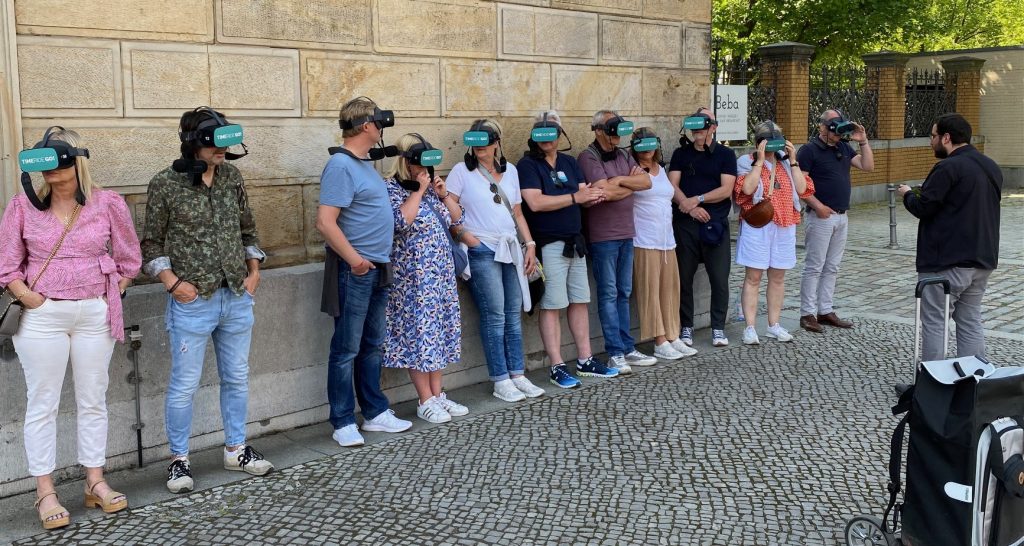
VR to AI to HI

Energy Storage

News agent Reuters has published an analysis of the setback for short peak coverage of electricity by power plants fueled with gas. Conclusion: economically no longer viable. Investors draw back even from contracts already signed. What is the game changer technology here. Batteries that store energy just like the batteries of millions of cats that have a storage capacity to supply energy for a whole household for more than 2 days. Other giant batteries cost only half the price compared to 5 years ago equal to $150 per kwh. In five years solar energy doubled its share of energy production to now reach the same amount as energy provision by gas.
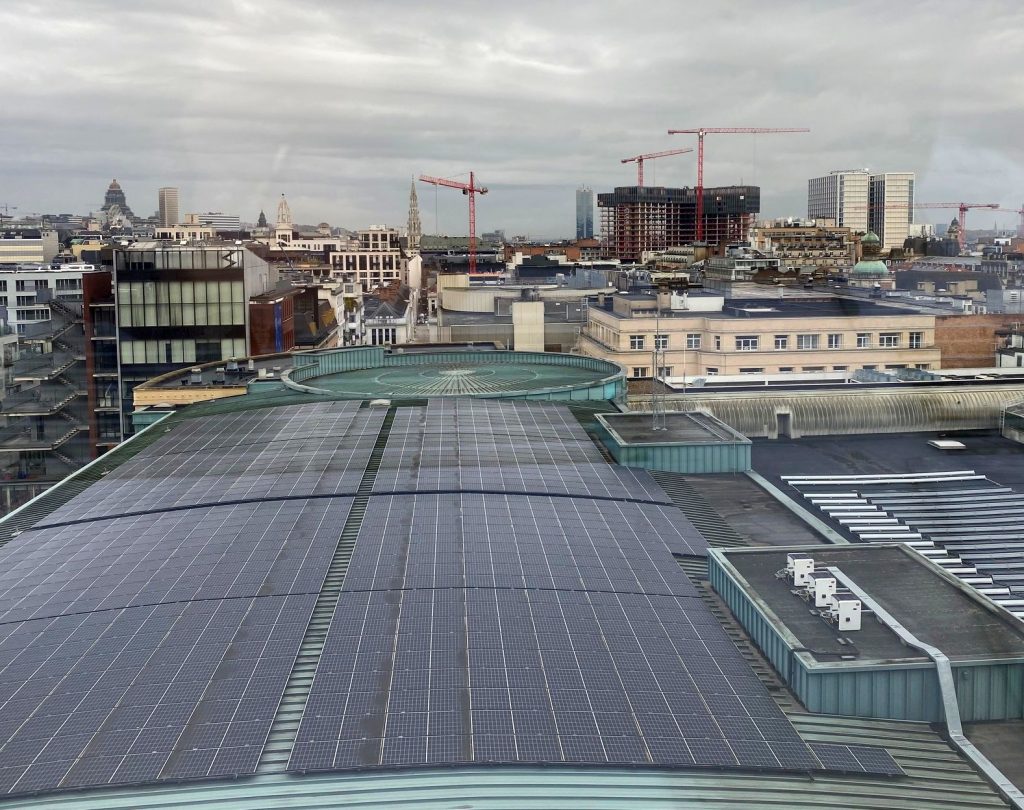
Reaching a critical turning point in energy generation, investors flock to the more profitable medium or long-term investment. Good news for the planet. Wind and the sun are all around us. We have only started to cover roof tops of office buildings, car parks and other shelters. Start thinking about your energy storage as of now and reserve a suitable space for it. Costs are coming down rapidly in a few years or maybe only a few months.

Concorde

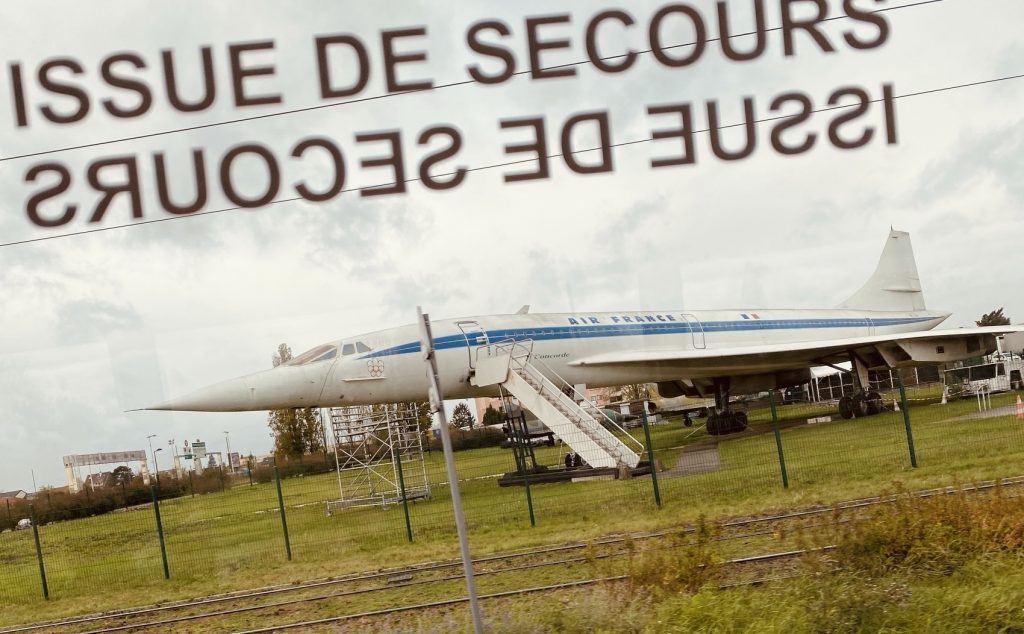
„These were the days my friends, we thought they’d never end …“ And yet the Concorde served for decades as a massively polluting aircraft for those paying or had their flights paid be their enterprises to cross the Atlantic ocean. Yes it was the fastest way, but we learned that it didn’t really make sense. After a technical default with an explosion the entire craze got stopped. Now next to Orly airport the remainders of this undoubted design highlight is exposed. It serves more as a warning that not all technical innovations are viable as commercial or ecological innovations. The delta-design as aircraft is still the most common design children play around with as paper models. Wing designs have made progress to adapt the bent end on each wing. So should do our paper models of them. The Concorde is also a perfect example to learn from concerning the link between “Society and Technology”. Similar mistakes seem to occur still today. “When will we ever learn, when will we ever learn…”.

Concorde near Orly airport France 2023

CO2 Footprint of Books

In view of the worldwide size of book publishing we should also keep an eye on the CO2 footprint of book publishing. The Italian association of publishers gave a brief overview of the likely CO2 footprint the printing of a book causes. Their best guess is at ½ a kilo of CO2 on average. For simplicity of calculation and assuming that an editors’ association is unlikely to overstate the amount, let us assume it is 1 Kg CO2 per book. The most CO2 is consumed not in the book production but in the transport of the items, machinery and personnel involved in producing, editing, selling etc. Of course, paper is recycled to a large amount. Certified sustainability of paper from trees has become a standard in most countries.
Nice twist to the issue: your own library at home has become a CO2 storage, if you keep them or lend them or pass them on to others. Reading can be a little bit addictive and buying books as well. Reading online or electronic books reduces your CO2 footprint. The best way to imagine the reduction of your CO2 footprint, however, is to buy or to borrow a book on travelling which replaces the actual journal by reading on the couch. Yes, being a couch potato is good for the planet, and if you want to buy a book, walk to the book shop or the library if possible. If you enjoyed flying previously shift over to buying books on planes, airports, clouds in images or stories that involve extensive travelling instead for the sake of your own CO2 footprint and future generations.
Even a book will need somehow wood as input, many alternative ways of leisure time or professional activities are worse in terms of CO2 footprint. Any e-book, e-journal or e-newspaper is even better for the planet, especially if we think of the millions of paper copies across the world that are printed but never sold. Knowing your market is crucial to reduce misallocation of ressources. E-books are so much easier to store as well using regenerative energy for the content servers around the world.

Civil Protection

A lot of important activities do not receive the attention they deserve. During a humanitarian crisis, Europe frequently acts with varying involvement of Member States. This holds true in droughts, inundations, earth quakes, civil wars or imperialist state conflicts. The extent and time of commitment are an additional and differentiating element. Coordination of such activities is important for those wanting to help and those asking or receiving assistance. Efforts, equipment and political support vary enormously as well. There is a need to approach this topic more strategically. The Union Civil Protection Knowledge Network (UCPKN) goes a long way to attempt to find a common language, data infrastructure and responses in this respect. It surely is important to go beyond the piecemeal approach of the past to be able to address emergencies in multiple kinds more effectively. It is, however, also in some instances a highly controversial issue as well. For each term in this old (Tschernobyl nuclear disaster) and still novel field (Fukushima) for joint activities, we have to come up with compromises of definitions.
For example, what constitutes an emergency? Does the climate crisis and disasters related to it already constitute an emergency now? Some say yes, we have to act now to avoid bigger floods and wild fires as of next year. Others, do not want to tackle the root causes, but rather focus on curing actual devastating effects of disasters.
We are back to a well-known topic of preventive rather than curative approaches. In the meantime, we are convinced that we have to commit more resources to both approaches: immediate relief and structural change to prevent an otherwise never-ending sequence of disasters in varying places.
Most important probably is the keeping of address books and fast digital networking facilities to react and communicate with the competent institutions and civil organisations. Beyond the involvement and linking of experts in the field, the larger public and volunteers make up for additional invaluable resources to act.
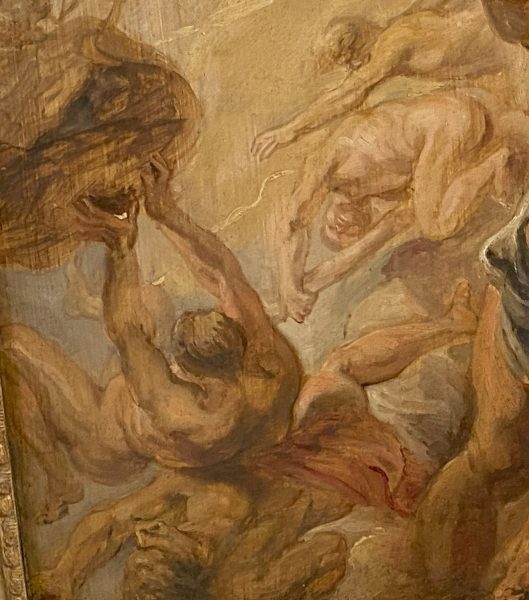
It is crucial to make it possible for decentral links between cities like in city partnerships to be involved. Building on existing human to human links motivates and mobilises huge additional resources. Of course, continuous training is a very important element in all those efforts. We should embrace it in the private and public sector, at school and in retirement even. (Image: Extrait de Peter Paul Rubens La chute des géants MRBAB, Brussels)

World in Common

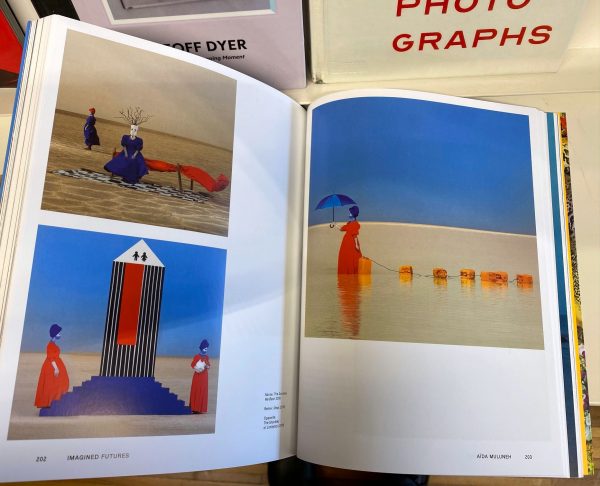
The Tate Modern Gallery in London has an exhibition of photography on display which challenges our Western view of art works. With a focus on photography and African photographers it is complementary to the many other photo exhibitions. We have a world in common, says the title of the exhibition. The images, however, reveal another vision of African photographers. Other perspectives on beauty, architecture and the distribution of wealth and waste across the world becomes explicit. Beyond the documentary effect of a lively African scene of photography and past colonialism the forward-looking vision of African photographers is also evident. Colours and Imagination of a unique kind allow us to look beyond the current state of affairs. Rising from the ashes and western waste the colours of Africa will prevail.
Only through the force to imagine a different trajectory for the continent we shall eventually be able to see new flowers blooming.
Positive images have to be put in front of the “negativity bias” in Western media when reporting about African countries. The light, the sun, the sea and coast lines, all can contribute to the rise of Africa in various ways. The photographers in the Tate exhibition demonstrate an impressive power to go beyond the day-to-day topics.
Broadening our scope of visuals with more images from Africa certainly are  fist steps to enlarge the spectrum of photography and art. A chance to browse through the catalogue allows to go back from time to time to counter our usual stereotypes. (Image taken from Tate catalogue A world in common, 2023 Muluneh Aida 2018 p. 202-3).

Trees

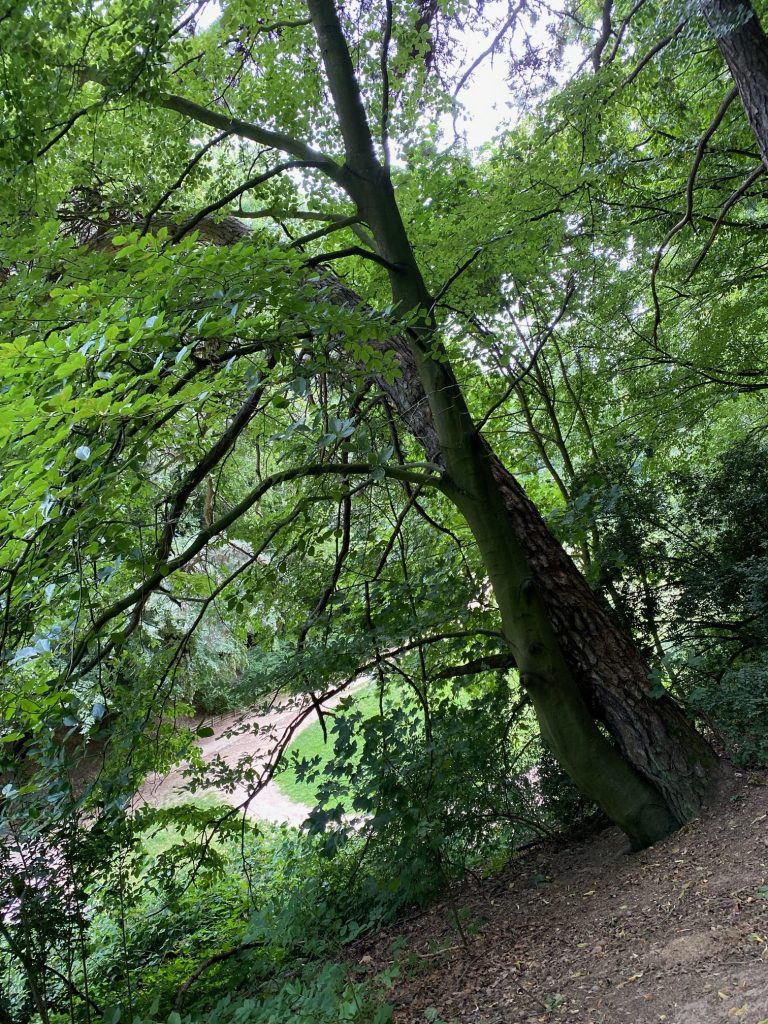
Looking at trees is relaxing. At least this is true for most of us. Some researchers, however, have a stressful time to sort out what it is exactly about trees that causes this impression, perception or feeling. Time to do a few studies on this issue (Lancet RM, 2023). Most likely it is the size or the number, maybe the surface or volume covered by trees that have an impact on us. Maybe it is the sequence of seasons that really causes the pleasant feeling about trees. Perhaps the fresh air, shadow in summertime or more the birds and squirrels or dogs that „inhabit“ the trees in neighborhoods that are important to us. More and more cities really develop sizable programs to care about their green spaces. In a simple cross-sectional study it seems the visibility of trees that is important rather than other effects. More sophisticated second round effects like oxygen levels or meeting points like in rural areas seem not to matter as much in cities currently. The study cited below invites us to devote more consideration to trees which we took for granted for far too long.

Ordóñez, C., Labib, S.M., Chung, L. et al.Satisfaction with urban trees associates with tree canopy cover and tree visibility around the home. npj Urban Sustain 3, 37 (2023). https://doi.org/10.1038/s42949-023-00119-8