Knowledge Work

In the social sciences the term knowledge work defines the group of professions that deal with and deal in knowledge. Most of them are in academia, but there are many other professions like ICT professionals or lawyers that used to shuffle paper who now work all digital. Hence the relatively new addition to the sociological vocabulary is “mobile knowledge work”. We, and yes I am part of this group, can do our job from almost any place with a stable internet connection. Breda Gray et al. (2020, Made to work: Mobilising contemporary worklives.) highlight the importance of gender considerations when we study these new forms of work. Similarly, social class and cultures of more or less trust are thriving for independence. This will play a role in who choses these new forms of work. The digital technology enterprises, media and social media workers are and will be the forerunners of this change. The education sector and academics in general have followed suit.

The issue of autonomy has also received some attention by the authors and this is likely to be a big challenge to standard work relationships as we knew them before the digital turn and the Covid-19 pandemic. The mobile knowledge workers were the first to insist on change of work practices, there will be other professions that will strive for greater autonomy of various kinds.

Bikenomics

There is a whole cluster of enterprises associated with bicycles. Selling a bike is only the first we might think of. Repair works are the most tricky part of bikenomics, a bit like bidenomics. In many cities during spring and summer it is even more difficult to get an appointment for bicycle repairs than for a doctor’s appointment, and that can be hard at times. Shortages of skilled technicians are pervasive in this sector. DIY for do it yourself is the best alternative. With the arrival of e-bikes and the digital connectivity the skill set has been enhanced recently as well. Insurance for bikes, lockers, helmets, airbag system or clothing including spectacles are part of the standard safety and security set of bicycle riders nowadays. Many, many job opportunities there and the willingness to pay for bicycles has steadily increased over the last years.

Berlin has just seen its 48th bicycle demonstration in 2024-6 on roads including 2 motorways with several ten thousands of participants. In a star like fashion multiple tracks met at the city center. The final meeting with stands and information was at the Deutsche Technik Museum with refreshments and repairs. The exhibition of cargo bikes and taxi bikes or “rickshaws” was another highlight. We need to rethink our mobility concepts and try to get the sharing to work more comfortably. For different purposes and activities you need a different bike. Ownership of each is no longer adequate as for example with aging alone your preferences for mobility with bikes also changes. Sharing is caring and this is also part of bikenomics.

Trending

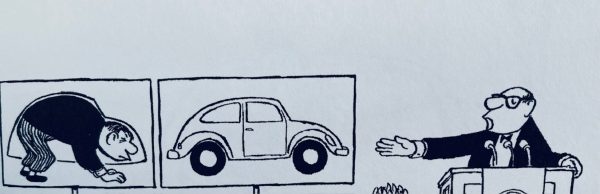
Some cartoonists or scientists have a special capacity to sense and to explain upcoming trends. Put in a humoristic form the audience you are likely to reach will by far exceed the numbers you might reach otherwise. Loriot had a gift in this respect which is much acclaimed in Germany. Taking issue with the obsession of driving a car and all sorts of topics related he foresaw the trend to massive expansion of road traffic and what this trend, if extrapolated, will do to us. Mankind will change, men will no longer be kind. We return to animal-like behaviour and become slaves of the new technologies we create. Bad weather at least makes us rethink our mobility patterns.

Mobility Concept

Berlin has an exceptional chance to rethink mobility in the city as new modes of transport arise. Just as the bicycle paths have been expanded over the last decade there more options to reach your destination. For the vast majority of moves in the city the “decision tree” has grown new branches. We start to change habits to consider (1) walking (2) bicycle (3) roller (4) public transport and (5) cars (electric and sharing or still owned). Multi-modality (Jelbi) in Berlin figures out the best combination for you getting from A to B. Other hybrid forms of transport start their entry in the big cities.
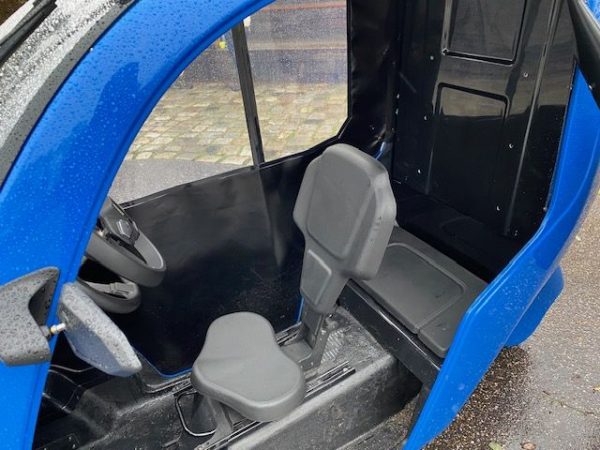
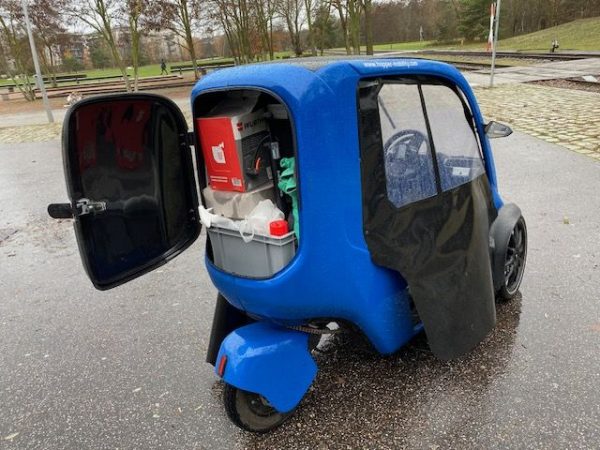
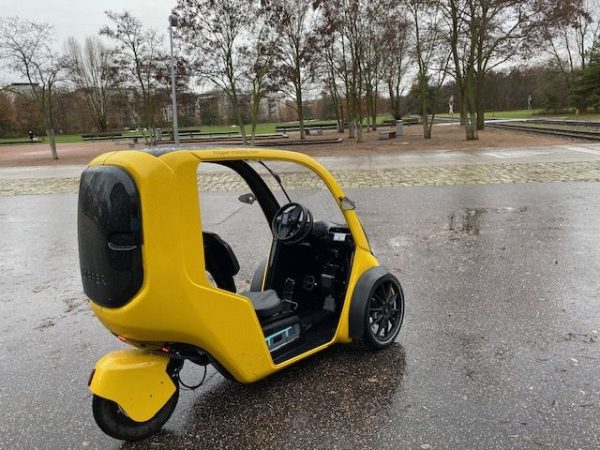
The last hybrid form that soon will claim an entry into the Deutsches Technikmuseum in Berlin is the hybrid version between a bicycle and a car. The Hopper has a permission as a bicycle. It is allowed to use bicycle tracks and therefore has an advantage on the “last mile”. At the same time, it feels more like sitting in a car and a 2nd person behind you, 2 children and/or luggage or shopping bags. These hybrid forms manage to combine advantages of both original modes of transport. You may feel more safe, dry and visible on the roads like in a car, but you are not travelling at more than 25km/h. Cyclist might not be to keen to have a big competitor on their limited cycle space.
Legally the Hopper would need to take the cycle path even if the road would be empty, but there are many cyclists on the cycle path. This is a good reminder of the societal and legal issues involved in new technological solutions. Acceptability of another competitor for space in the city has to be earned. Legality has to be tested and laws interpreted, whether the hybrid form falls in one or the other pre-existing category. Otherwise, the legislator has to establish a new category altogether, but this is the very lengthy procedure. Two bicycle wheels in front and one motorbike-like wheel in the back make 2/3 bicycle and 1/3 moped.
With a stronger electric support, the bicycle becomes a pedelec and can go faster, has to use roads and is insurable against accidents. The options grow. We are likely to witness more innovation and options in the world of mobility. The proof of concept has been achieved. Finding a market for the hybrid mode of transport is another challenge. Competition and lobbying are fierce in this world of mobility as well.

Get mobile

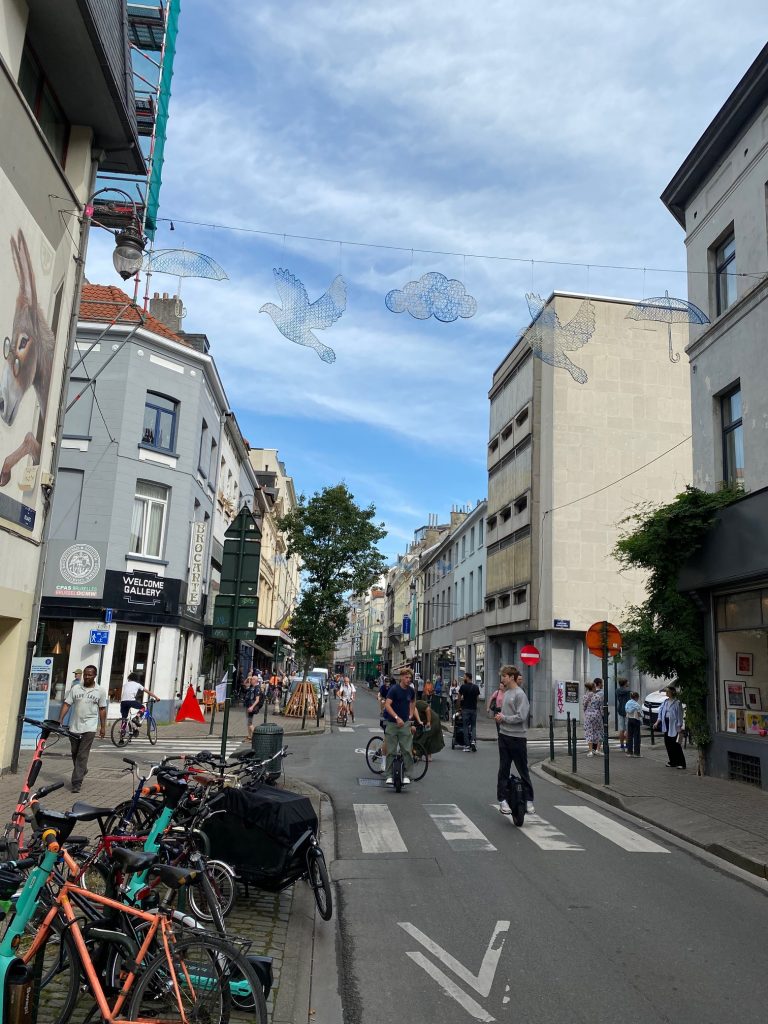
In inner cities, plagued by horrible traffic jams and pollution by cars and lorries, we dearly await at least the one day per year without this nuisance. Mobility can be organized differently. Brussels demonstrates this in an exemplary fashion. Many families gear up for this one day to teach kids how to cycle technically without the dangers of the fight for space, speed and breathable air. Older persons also feel much more save then and walk or cycle longer distances than they usually do. So many winners and only a few forced to not use their cars during 10 hours. Massive health benefits for the whole city, especially on too warm a day in autumn 2023. All these kinds of ideas were already discussed before the COVID-19 crisis on a mobility fair in Brussels. It is not the ideas that are missing, but the political will and courage to try new ways forward. Learning that walking and cycling in cities do not hurt you, prepares the readiness to go further along this path. Just do it. And do it faster than in the past. The planet needs it, people seem to really like it, too. Enjoy.

Car free sunday Brussels 2023-9-17

Moped

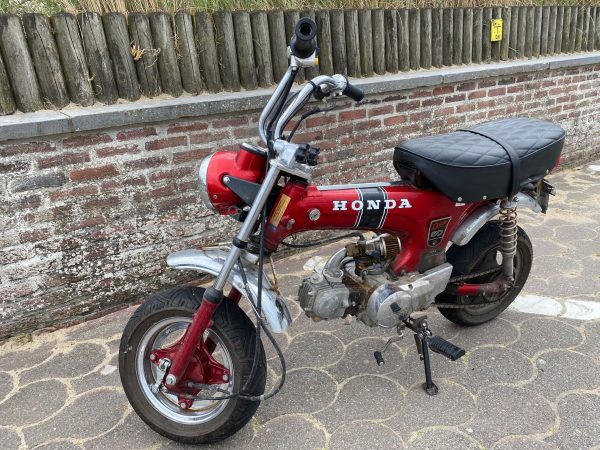
Im Osten Deutschlands schwören viele Moped Enthusiasten auf ihre Schwalbe. Italienische Mopedliebhabende wollen immer nur Vespa fahren. In den 70er Jahren gab es bereits eine kleine platz- und energiesparende Alternative. Das war die Honda Dax. Als Moped zu haben mit 50cm³ Motor bis zum Motorrad mit 125cm³ bekannt als Monkey-bike. Der 4-Takt-Motor erlaubte geräuscharme, niedrige Drehzahlen. Dazu gab es eine Fliehkraftkupplung, besser bekannt als Halbautomatik mit Fußschaltung. Tanken mit Benzin ohne Ölbeimischung, was die Mobilität einfacher machte und mal vom Reservekanister getankt werden konnte. Reichweite ohne nachtanken, ça 70 km.
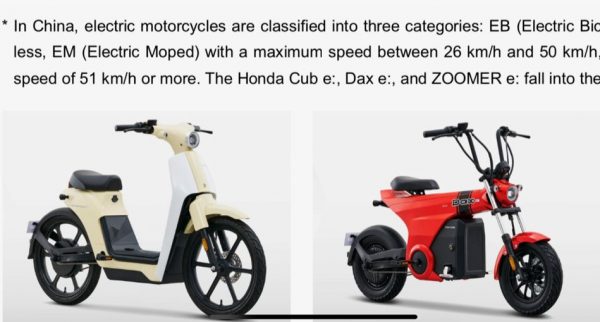
Im Juli 2023 habe ich noch einige Exemplare in einem autoberuhigten Ferienort an der Nordsee gespottet. Das Motorrad wird 2023 mit 1,5 Liter/100km ausgewiesen. Eher zeitgemäß ist die elektrische Variante, die sich sauber in der Garage oder direkt an der Solarzelle laden lässt. Das hat ungefähr ein halbes Jahrhundert gedauert. Umweltbewusstsein fällt nicht vom Himmel. Der Elektromotor bietet mit 800W. Das ist mehr Kraft als ein Pedelec. Da steht einem Ausflug zu zweit, nicht zu weit, nichts mehr entgegen. Bevor die Emotionen die Überhand nehmen, mache ich meinen täglichen Spaziergang.

Züge

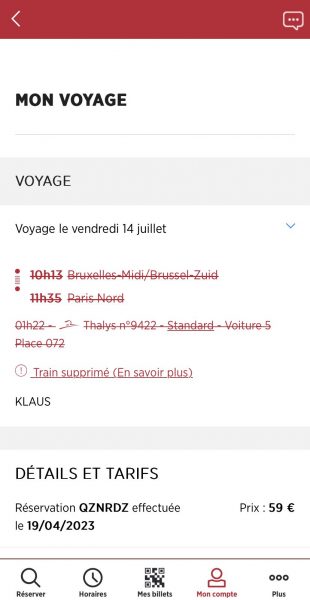
Wer heutzutage mit dem Zug verreisen möchte braucht starke Nerven. Eine lange im Voraus geplante kostengünstige Reise kann dann schon mal zu unerwarteten Kapriolen führen. Jede Person wird wissen, dass eine Reise zum 14.Juli nach Paris ein besonderer Anlass ist. Normalerweise wird Revolution gemütlich gefeiert und nicht Revolution gemacht. Die Befürchtung ist jedoch im Juli 2023 könnte das anders sein. Die Gewalt an Jugendlichen und in der Folge von Jugendlichen war schließlich erst vor einigen Tagen mehrfach eskaliert. SozialwissenschaftlicherInnen führen dabei nebenbei Feldstudien durch.
Aber eigentlich war die Reise mit dem Zug schon Monate vorher geplant. Jetzt kommt es anders. Die THALYS Gesellschaft hat in ihrer App allerdings eine Gebühr für das Umbuchen fest verankert, selbst wenn es eine erzwungene Umbuchung ist. Also rein ins Geschäft, Wartenummer ziehen und Warten, Warten und nochmals, na was schon, Warten.
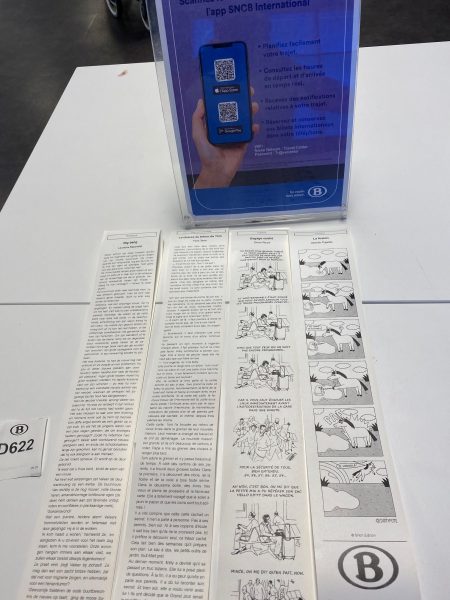
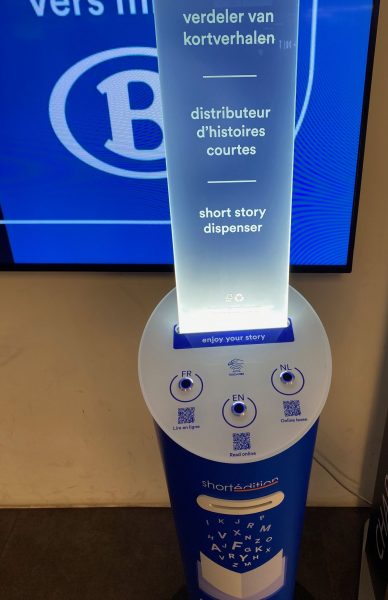
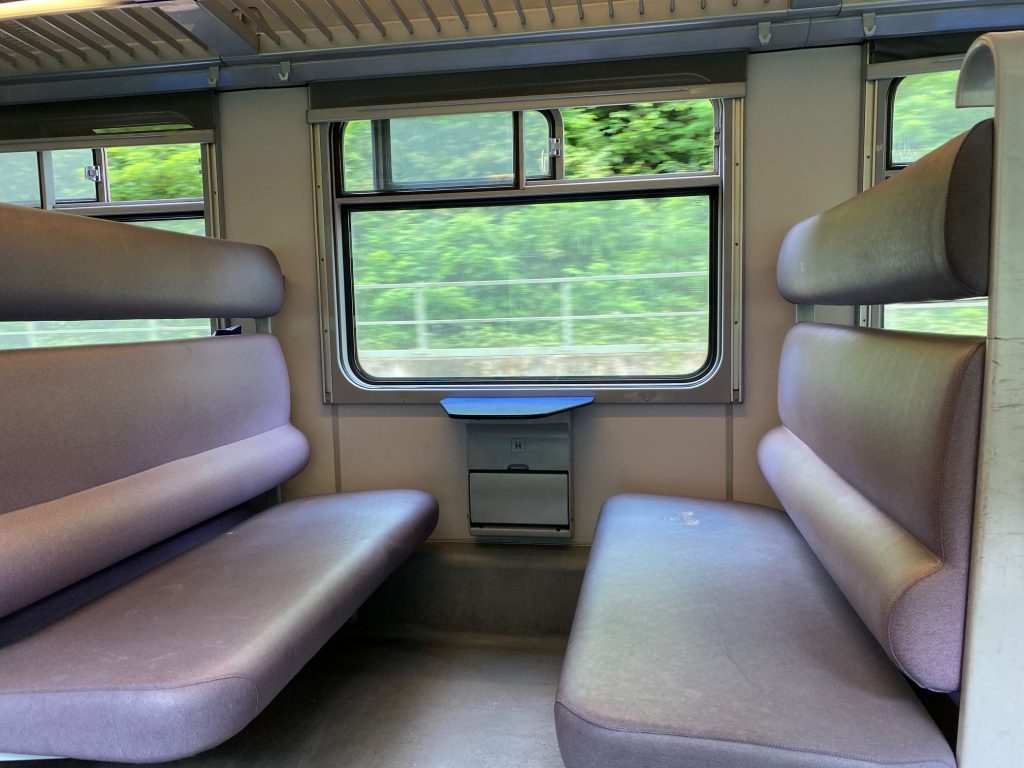
Zum Zeitvertreib wird ein Geschichtendrucker bereitgestellt. Ouf, Kurzgeschichten und Comics. Das macht Hoffnung beim, na was schon, Warten. Aber irgendwann fahren wir dann ganz schnell mit dem Hochgeschwindigkeitszug nach Paris. Aber da wir doch bitte 30 Minuten vorher auf dem Bahnsteig sein sollten, wissen wir schon, wir werden, na was schon, Warten. Mein Mantra bleibt: Mit der Bimmelbahn mag ich gerne fahren, die fährt langsam und kommt trotzdem an.

Grenzgang 2

Innerhalb vom Kern Europas ist der physische Grenzübergang kaum merkbar. Sobald es um die Regeln der sozialen Sicherung, Beschäftigung, Selbständigkeit geht oder der Unternehmensbesteuerung werden die bilateralen Regeln bereits viel komplizierter. Falls 3 und mehr Länder ins Spiel kommen wird die Lage ziemlich unübersichtlich oder zum Expertentum. Staatsbürgerin im Land A und Staatsbürger im Land B, arbeitend im Land C dürfen sich über einen Dschungel an Regeln freuen, der Kafkaeske Verhältnisse hoch 3 produziert. Irgendwo klemmt dabei immer etwas. Dabei hatte die Regulierung CE Nr. 883/2004 über die Koordinierung der nationalen Systeme der sozialen Sicherung doch weitgehende Konkretisierungen hervorgebracht und Sicherung der Bestandsrechte hervorgebracht.
Wie so oft liegen die Schwierigkeiten im Detail und darin sind die jeweilig zuständigen Verwaltungsbeamten, wenn die denn erst einmal herausgefunden wurden, eine Hürde, die es zu meistern gilt. In der jeweiligen landesüblichen Verwaltungssprache, versteht sich von selbst, inklusive regionaler Besonderheiten.
Während juristisch der Grenzübergang von Beschäftigten, Selbständigen und Unternehmen jeweils geregelt ist, ergibt sich aus einer juristischen Figur des „salary split“, also eine beschäftigte Person bei 2 Arbeitgeberinnen eine Lücke in der Zuständigkeit. Diese besteht gleichfalls in den meisten Ländern der EU. 2 Teilzeitjobs zu 50% lassen sich sozialversicherungsrechtlich nicht fair darstellen. Die zweite Lohnsteuerkarte und Besteuerungssätze, na wir ahnen schon, was das für Betroffene heißt.
Unternehmen und der Staat machen es sich einfach. Eine Konfiguration „Mulitplication des employeurs“, mehrere Arbeitgeberinnen, ist nicht wirklich adäquat vorgesehen (Crabeels, 2008 S.272). Dadurch werden viele, besonders junge Beschäftigte systemisch in ihrer beruflichen Findungsphase benachteiligt und in die Selbständigkeit oder gar die Scheinselbständigkeit gezwungen. Dabei brauchen wir dringend diese dynamischen GrenzgängerInnen in Europa mit ihren grenzenlosen Ideen, Enthusiasmus und Gestaltungswillen.
Neben diesen „high potential Grenzgängerinnen“ gibt es viele Beschäftigte, die bereits in einem Mitgliedsland der EU mehrere Beschäftigungsverhältnisse ausüben müssen, da sie von einem Job ihren Lebensunterhalt nicht bestreiten können. (EU Statistik Jugend Eurostat,2022).

Grenzgang

Eigentlich wissen wir gar nicht mehr, was eine Grenze im Schengenraum der EU darstellt. Viele Arbeitende überqueren eine Grenze täglich, sozusagen als Arbeitsweg. Die Logik dafür ist vielfältig. Mal gibt es mehr oder besser bezahlte Arbeit im Nachbarland, mal ist es der preisgünstigere Wohnraum oder die Liebe. Diese Herzstücke Europas haben viel Selbstverständlichkeit, aber auch spezifische Belastungen mit sich gebracht. Das Europa der Grenzregionen bleibt für die meisten eine ständige Herausforderung. Regeln gelten meist noch nach Ländergesetzen. Sozialversicherungen sind ein besonderes schwieriges Thema. Das betrifft gerade die vielen Grenzüberschreitenden besonders hart. Misstrauen bei Sozialkassen ist die Regel und nicht die Ausnahme. Da wird dann schnell doppelt von Grenzgängerinnen abkassiert. Bei großen Katastrophen, bei denen die Medien überall hinsehen, stellen sich viele Politikerinnen ein. Für das Klein-klein des täglichen Lebens fehlt oft die Nachhaltigkeit der Handelnden, um wirkliche Verbesserungen zu erreichen.
Seit Jahren fahre ich beispielsweise in der schönen Grenzregion bei Aachen und Vervier mit dem Zug zwischen den beiden Ländern, doch dort scheint seit Jahrzehnten die Zeit still zu stehen. Wer mit ICE oder THALYS von Metropole zu Metropole fährt, rast mal eben vorbei. Die Bürgerinnen vor Ort dürfen sich zu Recht etwas abgehängt fühlen, bleibt für sie doch meist nur der Lärm der vorbeirasenden Züge. Zwischen Deutschland und Belgien gibt es für Grenzgängerinnen noch eine richtige Bimmelbahn. Sie wissen schon, die fährt langsam und kommt trotzdem an. Und das stündlich hin und her oder kreuz und quer. Leider wächst Europa selbst im Zentrum nur sehr gemächlich zusammen. Ob wir so viel Zeit noch haben, bevor undemokratische Kräfte die Uhren wieder zurückdrehen, bleibt eine Überlebensfrage für uns überzeugte Europäer.

Air pollution

Only if we measure air pollution , we shall be able to be sure it is not getting worse or is improving. The European Environment Agency has developed an app that gives us fairly accurate measure of several important indicators of air pollution or air quality as they prefer to name the indicators. With the wild fires in Canada and the repercussions of this in U.S. cities we are certainly aware that air pollution by neighbours  is just as important to know as air polllution originating in your own country.
In Europe this matters as well. Therefore the comparative view on air pollution is a necessary precondition to coordinate action within the EU. Specific meteological conditions yield SMOG in winter and too much heat facilitates SMOG in summer. Thousands of people die every year due to effects of air pollution. This is all well-known and documented.
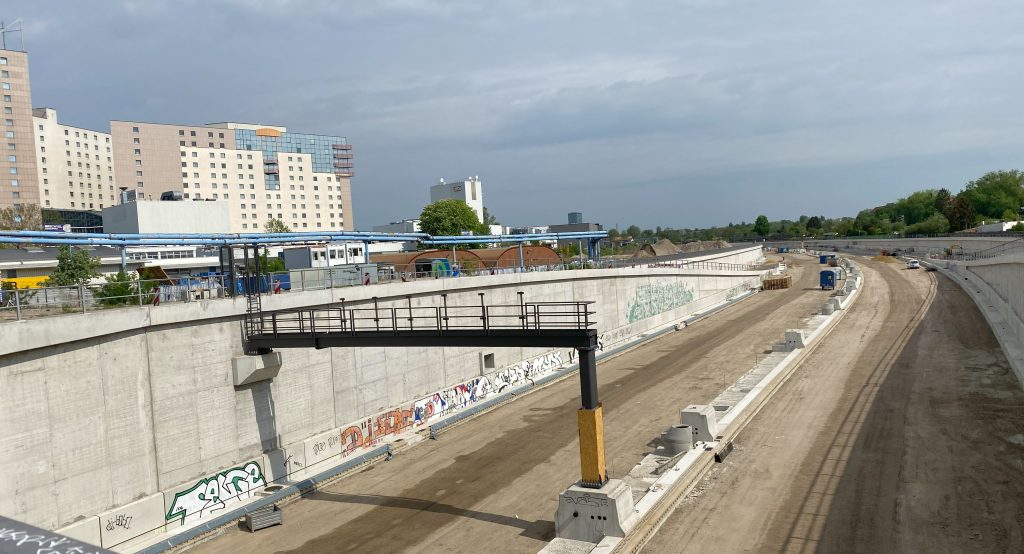
In Science Advances (2023-6-9) new evidence is presented that fine particles (PM 2.5) in air transport influenza H1N1 viruses into the lower respiratory system and even other more distant organs like liver and kidneys. The conclusion is easy: Reduce air pollution much further, this saves lives and lots of costs in the health system as well. Well-being is advanced sometimes by doing less rather than more. Working more in the home office than in the inner city might reduce the peak of an influenza wave. New solutions to old problems are feasible with new technological advances and implementation like fibre-optic cables for fast internet service also in remote areas. Using the “Science Advances” should allow us to rethink our production and consumption model for the improvement of living and working conditions for all. Many extensions of our economic model shall be based on the “beyond growth” logic. We just need to dare to think and implement policies accordingly, rather than to continue to do the same mistakes over and over again. (Image: still building new Autobahn in Berlin 2022 in residential areas).