Für Demokratien ist die Frage des Gewaltmonopols eine sehr entscheidende Frage. In gleichem Atemzug muss dabei die demokratische Kontrolle dieses Monopols gewährleistet sein. Verfassungsrecht in Demokratien ist darin eindeutig. Lediglich die Praxis des Rechts gestaltet sich oft schwierig und durchaus wechselhaft. Die Studie von Laila Abdul-Rahman, Hannah Espin Grau, Luise Klaus und Tobias Singelnstein (2023 bei Campus kostenlos downloadbar) greift das wichtige Thema mit einer repräsentativen Studie von 3300 Opfern polizeilicher Gewalt in Deutschland auf (Zusammenfassung). Anders als im amerikanischen Raum fehlt bei uns bisher die Berücksichtigung von Rassismus und räumlicher Verortung in der wissenschaftlichen Aufarbeitung des Geschehens. Das Interaktionsgeschehen oder Eskalationsstufen (S. 31) bieten einen weiteren Ansatzpunkt zukunftsweisend präventiv tätig zu werden. Die Aussetzung der Strafverfahren gegen Polizeibedienstete wegen Gewaltausübung (Körperverletzung) ist mit 93% aller Fälle außerordentlich hoch. Das Kapitel 8 (S. 307ff.) über die strafjustizielle Aufarbeitung offenbart die Randbedingungen der justiziellen Verfahrensweisen.
Das Gewaltmonopol darf nicht in Frage gestellt werden, aber sobald Gewalt des Monopolisten unverhältnismäßig und rechtsstaatlich ungenügend kontrolliert wird, kommt eine politische Gewaltenteilung langsam ins Wanken. Die wehrhafte Demokratie braucht Polizeigewalt, um beispielsweise das Demonstrationsrecht durchzusetzen oder öffentliche Veranstaltungen zu sichern. Aber die Exzesse polizeilicher Gewalt müssen geahndet werden. Solche Anklagen finden wir in England anlässlich der Krönungsfeier, in Frankreich bei Streiks oder Fußballspielen oder in Belgien bei Gipfeltreffen oder Räumungen von Flüchtlingslagern. Das ist keine Randnotiz. Friedlicher Protest ist wesentlicher Bestandteil von Demokratien. Einschüchterung durch Gewaltanwendung ist Teil der dunkelsten Kapitel und muss entschieden unterbunden werden im Friedensprojekt Europa. 
Crises
Crises, yes crises, we have seen a few in recent years. After the first financial crisis, 2009, the COVID-19 crisis and now the energy crisis, , they all have cost us respectively 1.6%, 2.5% and lately a whopping 7.8% of GDP loss according to Tom Krebs (Uni Mannheim and FNE) in his assessment of lessons from these crises. Also Philip Lane (ECB) showed the lower GDP growth rates due to the crises.
We lost out on the wealth of our nations and face mounting difficulties for the distribution of this wealth. As firms cashed in on profit margins lately, workers risk even more to fall behind significantly. At the same time, it is high time to prepare for the next winter season now, to ensure the same risks as the dependency on energy resources from outside Europe, especially Russia, can be maintained. The conference of the Forum New Economy from the 8th of May 2023 discussed several ways forward to learn our lessons from these crises. Strategic independence needs to be properly defined for Europe as a whole, not just in each individual state. Implementation has to be rapid as well. Geopolitical challenges will not wait for us to finish discussions. Germany and minister Robert Habeck has received some acclaim from the economists for a fast and rather successful reaction to safe us from an energy crisis last winter. Massive increases in renewables (+20% solar energy) has helped a lot to ensure sufficent energy supply when France suffered heavy reductions from its nuclear energy power plants. “Let the sun shine … in”, I would sing. However, we have to think even further ahead build our resilience based on improved energy efficiency and may rethink the risks and vulnerabilities of our economic model of production and consumption. Diversifying imports from Russia with imports from other countries and other (green) forms energy is part of the solution. A heavy reliance on China as buyer of our products is good for trade balance, but some sectors (automotive) are nowadays critically dependent on selling in China. Some of our partners are very anxious about this new dependency on Asia for our economic growth model (see figure below from conference). Market based economies suffer more openly from huge economic swings than more secret-based autocratic economies. Our state agencies have to keep that in mind and state intervention seems to become more likely options in future as we have already witnessed in the past crises. We had to rely on running higher state deficits to cover the losses incurred from the crises. The EU, the larger Europe in combination with the transatlantic and pacific alliances has a lot of resources to address these strategic interdependencies. Being prepared, in strategic thinking and potential implementation procedures is a major part of building capacities that ensure resilience and strategic independence. As in a game of chess, you have to think ahead a couple of steps to frighten off some potentially dangerous moves of other players.
In terms of a planetary concern we still have to address the major climate crisis and the last 3 crises have largely contributed to reduce the resources we have available to address climate change. Smart crisis management succeded to ask for emission reductions in return for subsidies from firms and private households. This might be the “best practice examples” worthy to learn from. There are still huge evaluation tasks for analysts of these crises. 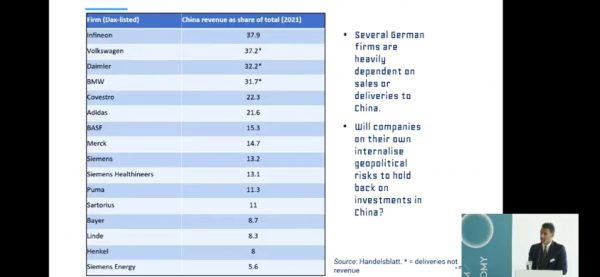
Polypharmacy
Each specialist treats a person or patient in her/his field of competence to the best of current knowledge. Well, marketing of pharmaceutical products is also a field of special competence. Medical doctors and pharmacists are largely competent intermediaries between the world of medical and pharmaceutical research, commercial interests and patients. As persons age, so-called multimorbidity is creeping into the daily life of many persons. After a certain age (75+), depending on country of residence to some extent, we all become patients. Although the basic problem has been known since the phenomenal rise of the pharmaceutical industry, little research is devoted to patients receiving multiple treatments with medical prescriptions from several specialists. In addition, we know there is a rather severe issue with compliance to prescriptions, for example, taking antibiotics for the whole prescribed period, to name just one. The interactions between several prescriptions and molecules administered to patients are very difficult to monitor and scientific tests of those are expensive and no pharmaceutical company really has an interest in such studies that might further add to the already long list of potential side effects. However, the study published by Daunt et al. (2023) reiterates the warnings that treatment of multimorbidity can have unwanted side-effects we do not really know about. General practitioners will have to take on the role for medical stewardship for their patients. Monitoring a patient’s digestion of a combination of medications becomes a prime role as of the age of 75, the paper specifies. Whereas a common believe tells us, taking more, will help more, the “daunting” truth might be, less can be more. (Source: Daunt, R., Curtin, D., & O’Mahony, D. (2023). Polypharmacy stewardship: A novel approach to tackle a major public health crisis. The Lancet Healthy Longevity. https://doi.org/10.1016/S2666-7568(23)00036-3. 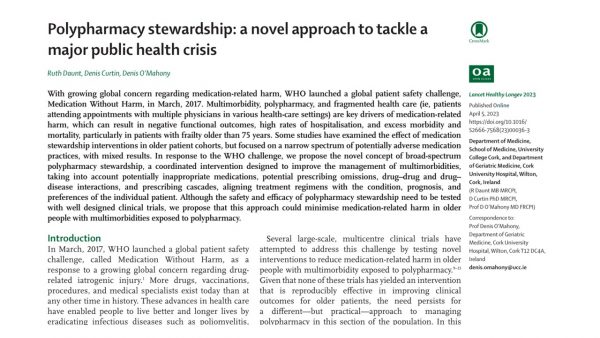
Immune system
A brief review of the press on the coronavirus 3 years after its first appearance shows that we have learned to live with it. Everyone has found the personal way to balance exposure to risk and protection against infection. Long-term consequences are severe for pupils. Many lost friendships, were lonely at home and accumulated missing out on peer advice or effective teaching.
Overall, strengthening of the immune system is another more complex issue. Some people swear by masks and others keep washing hands, or both. More rare is the vaccination approach against COVID-19. The evolving virus seems to adapt to a seasonal pattern as the influenza had done decades ago. The term seasonal greetings nowadays has an additional flavor to it. We have come out of the 3rd year of the pandemic reasonably well. Preparing for the next winter is left to the scientists to study the ever new variants arising, probably in parts of the world where winter is just beginning. Working on our immune system’s strength, however, is up to us. Happy Walking and cold Showering. 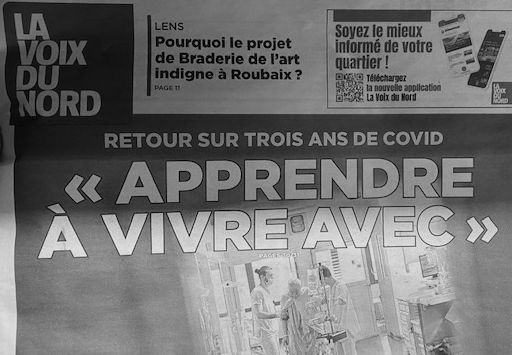
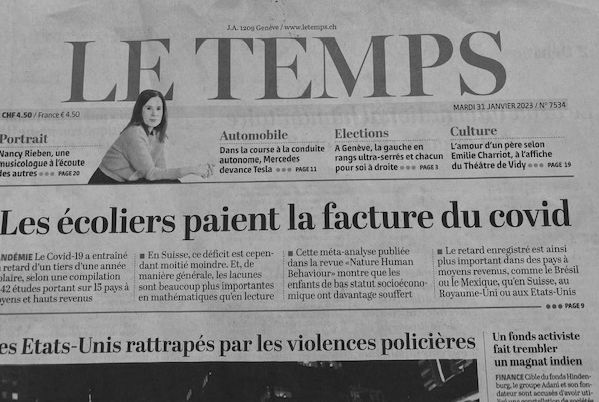
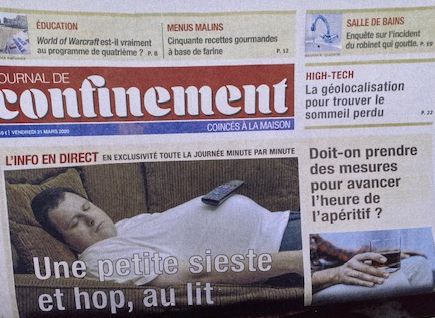 2 real newspapers, 3rd one “Pastiche” exposé à la BnF, Paris April 2023.
Feuer im Wald
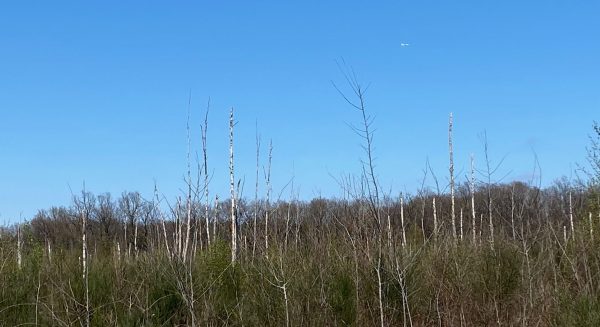
Das sogenannte grüne Lunge kann immer öfter ihre wichtige Funktion der Klimaregulation nicht mehr wahrnehmen. Waldbrände begleiten den Klimawandel. Bereits 2018 gab es ein großes Feuer im Wald bei Paris. Im “forêt de Sénart” in der Nähe der Städte Montgeron, Yerres und Brunoy (nahe Paris) hat sich der Wald seit dem Feuer im Hitzejahr 2018 noch nicht erholt. Geld für Reparatur der Schäden fehlt und so lässt die notwendige Aufforstung auf sich warten. Der Verlust der Biodiversität durch den Brand lässt sich schwer bemessen. Brandrodung, gängige Praxis im Amazonasgebiet, hinterlässt auch bei uns mehrere ungewollte Folgewirkungen. Die Bewirtschaftung des Waldes hat die Schäden abgeschrieben, aber Zukunftsinvestitionen lassen auf sich warten. So heizt sich die Region Ile de France eben weiter auf und Millionen Käufer von Klimaanlagen. Die befördern in naher Zukunft das Wirtschaftswachstum, aber beschleunigen den Klimawandel. Wir wissen, dass es so nicht weitergehen darf. Nur der Wille, wirklich etwas daran zu ändern, fehlt an vielen Orten. Weiterso, wenn es kein Weiterso geben darf, ist die Schizophrenie unseres und des letzten Jahrhunderts. Lernen im und vom Wald ist nötig. Das ist unsere Lebensgrundlage. 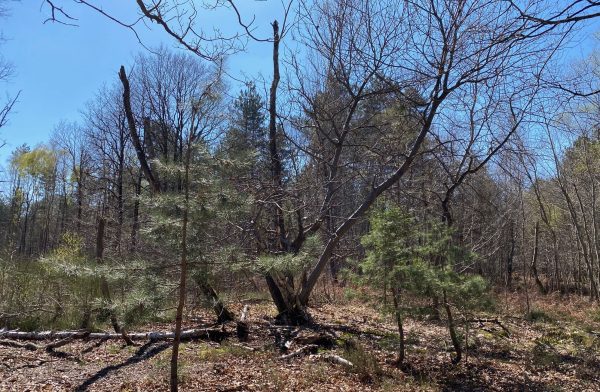
Pressure
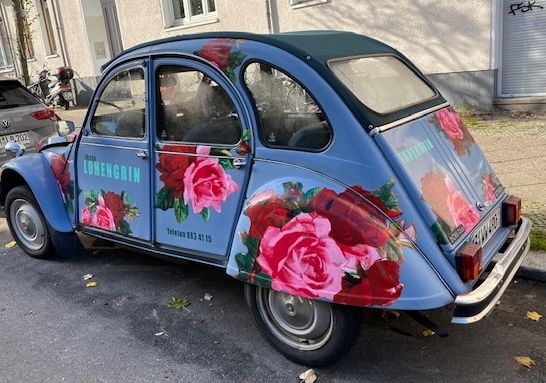
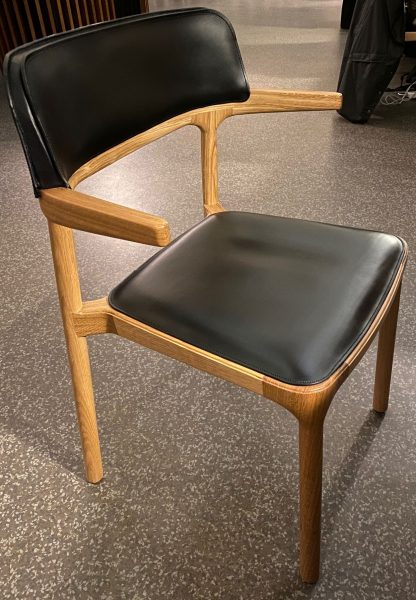
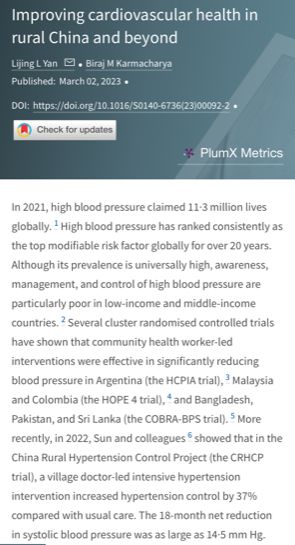
Pressure or stress, in most humans, contributes to higher blood pressure. Sources for pressure are manifold and that is the basic problem. As it is hard to identify the major sources of high blood pressure, we often use a summary term “life style” in order to avoid shaming particular substances, (tabaco, red meat, alcohol to name just a few). Among life style elements is the daily rush to work and back home or bringing children to school and home again. Work itself is a major contributor as well. Leisure activities are not free of pressure in order to perform at a person’s best. As in many health topics, the balance does the trick. This is common knowledge beyond the Asian world as in their health philosophy of Yin and Yang. The Western world is proud to have the best and highest availability of medical treatment and hospitals for their populations, accepting some inequality in access nevertheless. For countries with less means for curative practices they have no choice and have to focus on preventive strategies (Lancet Study Link). Rural China, therefore, is a good case to study access and willingness to apply western medical type treatment of high blood pressure is too expensive and just not available in sufficient numbers. The good news is, with a preventive programme based on nurses rather than medical doctors the prevention of high blood pressure works reasonably well. Community health workers are therefore a cost-effective alternative in reducing blood pressure. Sitting is the new smoking, and driving around in a car rather than walking or cycling are health risks, even if the car or the chair is a very nice one.
20th Century
The 20th century has told us many lessons. History does not repeat itself, but it appears that new variants of old themes keep coming back. Slowly passing the century like a movie in decades instead of episodes, we witness socio-emotional tides. The first decade, the 00s intensify the beginning of urban planning and social revolutions. The 10s show the arousal and subsequent extinction of masses of people in trenches. The 20s were described as the Carefree Twenties. In the 30s we observed the rising tides of fascist organisations followed shortly afterwards by the disastrous 40s. After the Shoah and the World War the 50s were fabulous viewed from the U.S. and Western Europe. The 60s propagated sex, drugs and rock n’ roll spreading across continents. The wild 70s became almost inescapable through the continued rise of mass media. The 80s were depicted as the colourful 80s as the 2 previous decades had set the scene for psychedelic colours. The 1990s have been coined as the gay 90s by some. Coming out as a gay person became easier and Western societies more sensitive and open to diversity. The back cover of the recent publication by Aurélien Bellanger “Le vingtième siècle” (The 20th century) speaks of the book as “roman polyphonique virtuose”. I look back on the 20th century as “polyphone” in many respects. It would be an illusion to believe we can only keep the nice sounding harmonies without the tensions or dissonances. 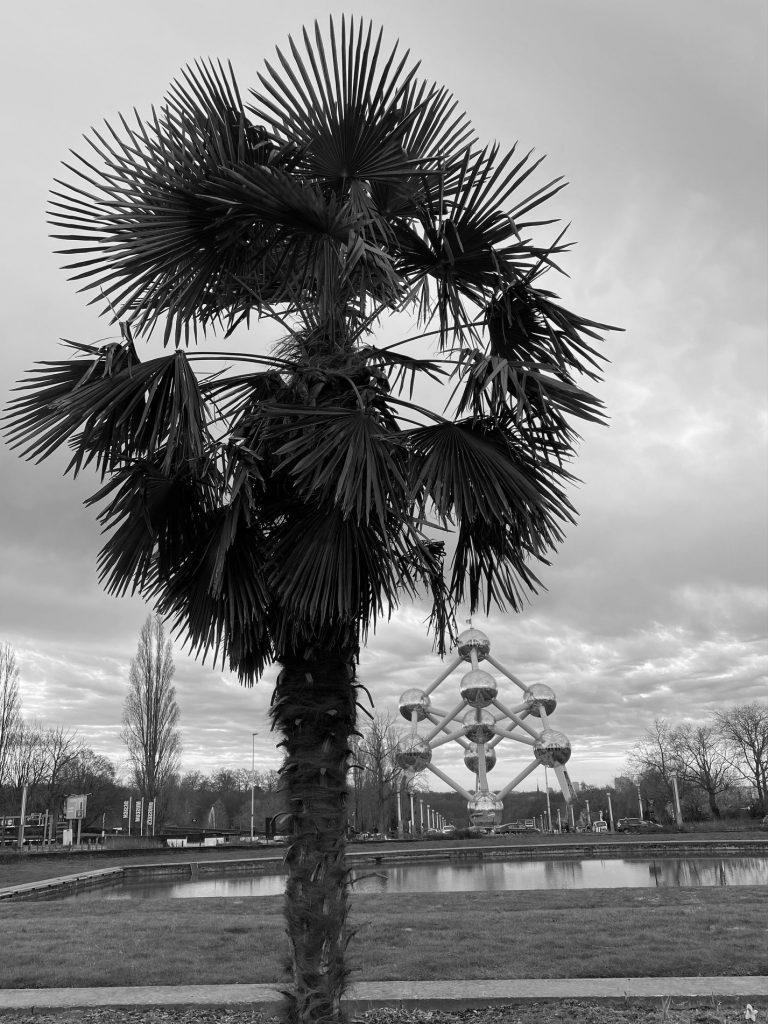
10s
The 1910s have been eclipsed completely by “the Great War” between 1914 to 1918. The 1st world war certainly was the most horrific period of the decade of revolutions and mass arousal. From a global history perspective the years preceding and shortly after the humanitarian disasters deserve more attention, if we were to derive lessons for prevention of other world encompassing wars of imperialist states. The numbers 1st, 2nd, … 3rd (?) world war suggest an unescapable numbering of events. We no longer can think in this trivialising logic of war or historical determinism. Empires go to war more easily than democracies. This was the social scientists’ consensus after the Great War. It took several years for many European states to turn more democratic, allowing women to vote, or introduce more robust health and social security systems. Powerful aristocracies would not cede power easily, only the widespread poverty after the Great War and the human losses discredited many aristocratic regimes throughout Europe. The imperialist dominance of the beginning of the 1910s produced a spirit of ruthless conquest and exploitation of colonies around the world. It took another global war and almost half a century to dismantle these regimes. To understand global alliances and impediments of wars in the 21st century, the early 1910s are instructive as they inform the restitution of artefacts debate in the 2020s. In the history of ideas, the 1910s are probably best characterised as the period of attempting to turn “grand ideas” into political facts on the globe. The rise of Marxist ideology, liberal and fascist counter movements started to take powerful roots at the end of the 1910s. All these ideas and factual changes of the maps of power still seem to govern a lot of international politics even today. 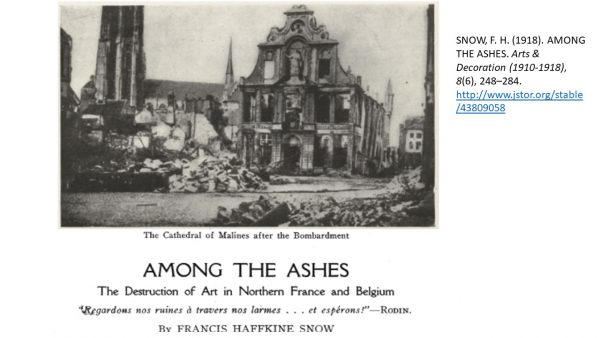
Fukushima 12
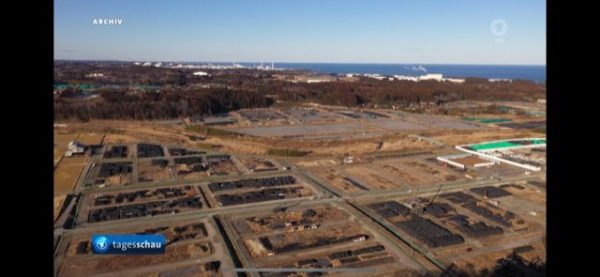
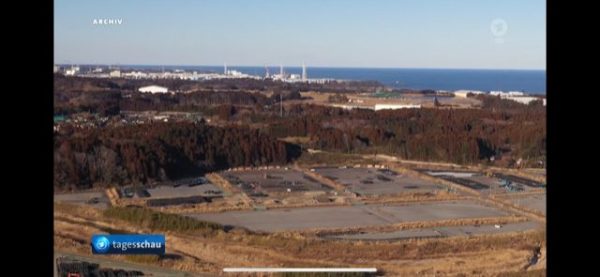
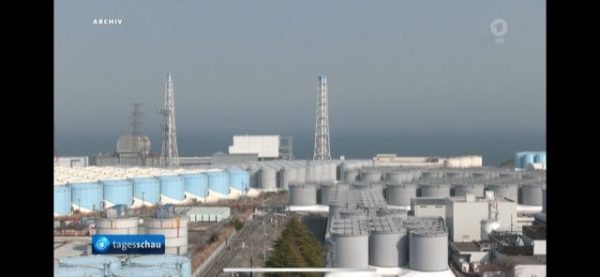
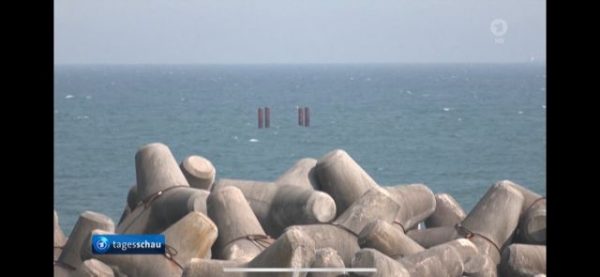
12 Jahre nach der Kernschmelze im Atomkraftwerk der technologiebegeisterten Japaner stellt sich immer noch die Frage nach der Entsorgung der verstrahlten Reste und Kühlwassers. Laut eines Berichts und den veröffentlichten Bildern zu dem Kernkraftwerk Fukushima staunen wir über das weite verseuchte Umfeld und die riesigen Lagerstätten für den verstrahlten Abfall. Geothermie, Wasserkraft, Windkraft und Solarenergie könnten auf der Fläche sicherlich riesige Mengen von nachhaltigem Strom produzieren. Das hatte bis vor 13 Jahren niemand denken oder aussprechen dürfen. Heute nach 18.000 Toten und vielen Folgeschäden durch Krebs und geschädigtes Erbgut wird der Unsinn weitergehen. Da sind sehr starke Interessen am Werk, denen es nicht um Menschenleben geht. Atomkraft, koste es was es wolle. Die Einleitung eines Teils des verseuchten Wassers ins Meer ist wohl bereits erfolgt. Noch mehr wird folgen müssen. Über die Fische als Teil der Nahrungskette werden Menschen dann mehr Radioaktivität aufnehmen. Das war schon so mit den Pilzen nach Tschernobyl. Fukushima bleibt ein abschreckendes Beispiel weltweit, da helfen jetzt zum 12. Jahrestag ein paar Solarzellen als Trostpflaster wenig. (Bilder aus ARD Tagesschau 11.3.2023. Auch bei uns ist es leider schmal Glück gewesen, dass nichts Schlimmeres passiert ist (Link Radiobeitrag DLF 2023-4-17)
Alkoholismus
Alkohol ist eine Droge, da Alkohol abhängig machen kann. Die Bewusstseinsveränderungen können beachtliche bis extreme Ausmaße erreichen. Das wissen wir alle und zwar seit Jahrhunderten. Mäßigung bei Rauschmitteln ist nötig, aber schwer erlernbar. Etwas Genuss ist gesellschaftlich nicht nur toleriert, sondern gewollt zur Förderung der Geselligkeit. Zu viel Genuss beeinträchtigt meistens andere und wird dann zu einer schwierigen Problematik. Ärztinnen, Psychologinnen und andere Heilberufe stehen oft hilflos, wie auch das nahe familiäre Umfeld, vor dieser Situation. Selbst neuere Studien weisen darauf hin, dass die Versorgung dieser Patienten (UK), bestenfalls in der Hälfte der Fälle als gut einzustufen ist. Die Studie zu Großbritannien beschreibt gleichfalls die Krankheitsgeschichte und -versorgung als „eskalierende Tragödie“. Für die meisten anderen Länder liegen keine wirklich guten Daten vor, die weder einen Handlungsbedarf noch auf einen gesellschaftlichen Gestaltungswillen hindeuten würden.
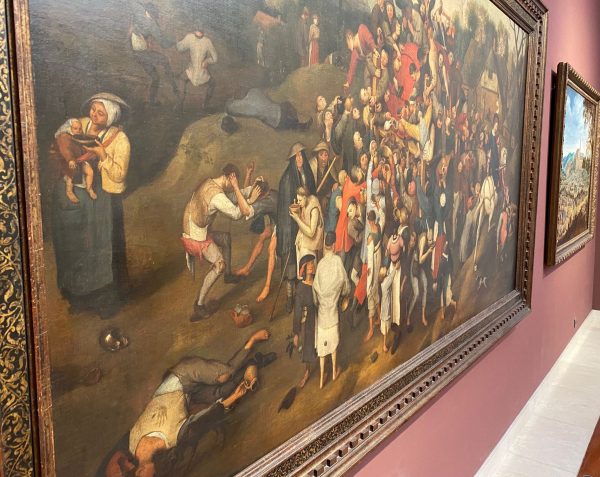
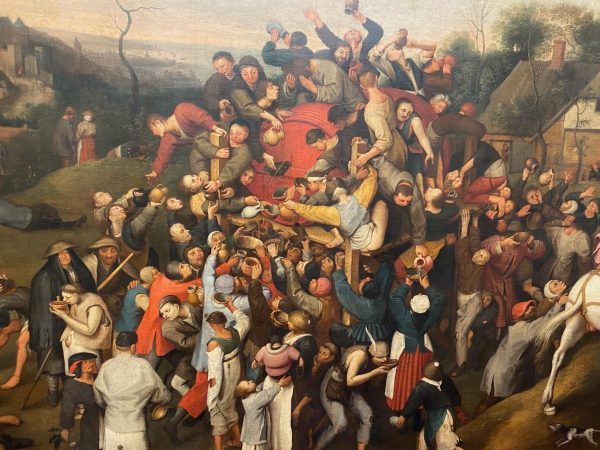
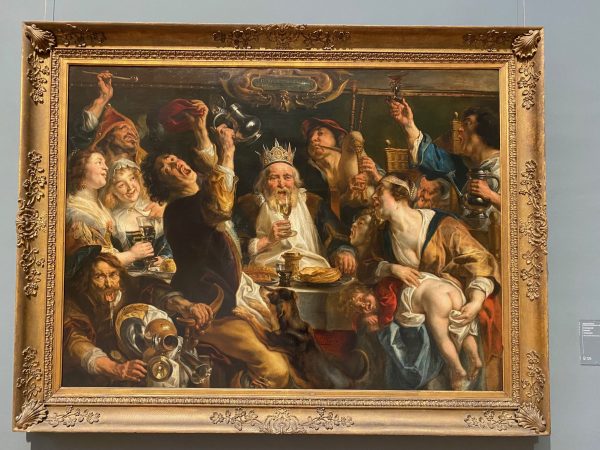
Die Radiosendung zum Thema „Umgang mit Alkoholkranken“ und die Initiative von Sänger Max Mutzke, „Kindern suchtkranker Eltern eine Stimme geben“ beschreibt eindrücklich die generationsübergreifende Bedeutung von Alkoholkrankheit. Alkohol ist eben nicht nur das Problem der betroffenen Person. Ein ganzes Umfeld ist betroffen. Das Problem wächst sich meistens aus zu einer Problematik für das weitere familiäre Umfeld, Freundeskreise und ArbeitskollegInnen. Es ist erstaunlich, dass wir seit Jahrhunderten keinen anderen Umgang mit alkoholbasierten Rauschmitteln gefunden haben, als alles erlaubt oder alles verboten, außer der Altersbegrenzung für Kinder und beim Autofahren. Der Maler Bruegel sah das wohl ähnlich. Den St. Martinswein kann sich heute jeder im Laden um die Ecke selbst kaufen. Mäßigung im Umgang mit Drogen ist nach wie vor ein schwieriger Lernprozess, für Einzelne (Jordaens – Der König drinkt!), wie für die Gesellschaft. ( fast betrunkenes Video Alko VLC Bruegel MRBA Bruxelles.jpg zur Bildexploration).