Das Handgelenk hat noch viel Platz für elektronische Geräte. Vom preiswerten Schrittzähler bis zur smart watch und intelligenten Armreifen oder sogar Ringen gibt es dort viel Potential für Innovation. Jenseits der Schritte werden mittels vielfältiger Sensoren eine Fülle von Daten erfasst. Datenschützer erschaudern geradezu. Das Potential für medizinische und soziologische Auswertungen dieser Daten ist immens. Vergleichbar mit einer elektronischen Waage, die Knochenmasse, Wasser und Muskeln erfasst erlauben die smarten Uhren noch mit Ungenauigkeiten, aber stetig besser werdend, kardiologische Werte und Schlafrhythmus zu erfassen. 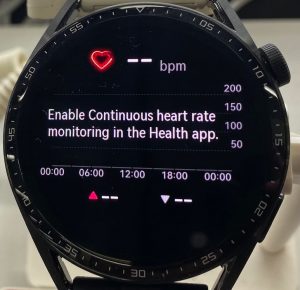
Mit Daten von tausenden bald Millionen Datenlieferanten lassen sich wichtige Studien zur Früherkennung von Gesundheitsrisiken durchführen. Plötzlicher Herzstillstand ist eines der immer noch wenig aufgeklärten Phänomene. Die Studie im LANCET digital health hat solche Daten ausgewertet und kommt zu der Schlussfolgerung, dass dyspnoea für Frauen und Männer der größten Risikofaktoren darstellt. Für Frauen wird Entwarnung gegeben für Diaphoresis, exzessives Schwitzen, aber nicht für Männer. Letztere sollten Schmerzen in der Brust ebenfalls ernst nehmen. Daten sammeln kann durchaus Leben retten. 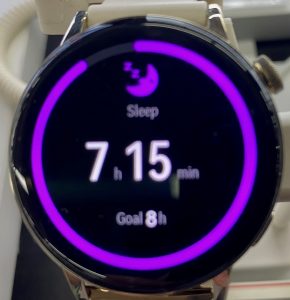
Dennoch droht dem Gesundheitswesen eventuell eine Welle an falsch positiven Selbsteinweisungen in der Notaufnahme der Krankenhäuser. Darauf sind wir noch wenig vorbereitet, inklusive der möglichen rechtlichen und finanziellen Konsequenzen. “Big brothers are smart watching you”. Müssen Ärzte die smarte Evidenz berücksichtigen, etwa so wie eine Patientenverfügung? Was wenn plötzlich der Notarzt unaufgefordert an der Tür klingelt? Wer hat meine Uhr gehackt, … , singt das Paulchen Panther jetzt.
Drowning
Drowning is a largely underestimated risk. 2.5 million people die of drowning in 10 years according to the WHO. low and middle income countries have the highest drowning rates. However, remedies like teaching how to swim and to assess drowning risks at an early age can make a huge difference. Flooding as natural disaster causes high numbers of casualties, but even in such extreme weather conditions survival strategies involve drowning prevention.
Even in the richest countries drowning is still a reality. Life guards cannot prevent the most irresponsible behavior like drinking alcohol, taking drugs and drowning risks. Overestimating one’s own swimming capabilities is yet another reason for drowning in wealthy countries. Try floating your body with as little movement as possible and you slowly enhance your capabilities to survive in dangerous water conditions. This increases your self-confidence to master tricky situations. Panic in water is surely not helpful. Learning how to help others in danger is for well-trained rescuers or professionals.
Healthy Brain
We’ve got only one brain. Hence, we better take good care of it. There is only a small community in Wales that has got more than one brain, they have got brains. For all others we should like to know what we can do to keep our brain healthy for as long as possible. Scientists try their best to find out for decades. The state of the art is well documented in a study published in The Lancet which followed 64 so-called superagers in the study and 55 in the control group. These superagers are 80 years old persons that have annual brain fitness tests and brain scans (MRIs) that show their brain has a functionality of a person 20+ years younger. Anxiety scores and depression levels seem to be major explanatory factors for reduced grey matter and decline in functionality of the brain in aging. Fewer glucose disorders and hypertension contribute to successful aging of the brain. An active lifestyle and any form of practicing music make you also more likely to be in the group of superagers. Motor control, balance and speed are important to take into account additionally. A good solution to successful aging is “singing in the rain” I would say. In terms of prevention of “brain loss” it seems important to highlight both the pure brain functionality and the importance of exercise to keep sufficient motor control. Get up and walk! That is the answer. Yes. Again. Trying to do it fast is a good way to preserve not only your body but also your brain. 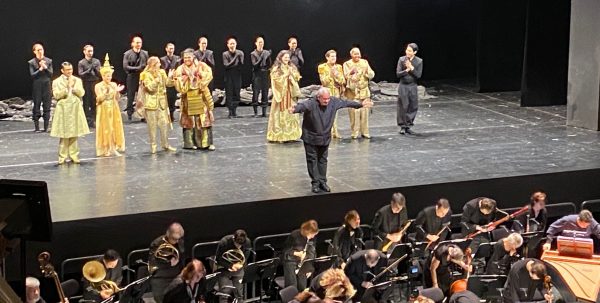
Schwalbe
Verzicht auf Spritzmittel wie Gluphosat in großen Mengen an Bahngleisen, Autobahnen und sonstigen Verkehrswegen kann schon viel helfen, dem Artensterben zu begegnen. Unkraut zupfen im Weinberg, Nutzgarten oder Ziergarten, statt die chemische Keule einzusetzen, beginnt Wirkung zu zeigen. Zarte Ansätze von Biodiversität sind beispielsweise die Rückkehr der Schwalben (Hirundinidae) in vielen städtischen Bereichen. Das freut sehr viele Menschen, die das Zwitschern der Schwalben lange vermisst haben. Die Schwalben ernähren sich hauptsächlich von Insekten. Genau diese Insekten werden aber mit den Spritzmitteln ebenfalls vernichtet. Das führt nicht nur vielfach zu erheblichen Gesundheitsschäden beim Menschen, sondern lässt sich an dem Vogelbestand bereits gut ablesen.
Daher ist es ein gutes Zeichen, dass die Schwalben zurückkommen. Wir bieten mehr Nahrung, Brutstätten und weniger Umweltgifte in den Innenstädten. Nebenbei braucht der Stadtneurotiker dann auch weniger in das Umland auszuschwärmen, um urwüchsigere Landschaft und Klangwelten zu erleben. Ein paar Singvögel leisten damit sogar einen Beitrag, die persönliche CO2-Bilanz aufzubessern.
Für alle, denen Vogelstimmen zum Wohlbefinden beitragen, hier noch ein Link auf die umfangreiche Hitliste der Stimmen der Mehlschwalben. Von dort lässt sich die Vielfalt weiter erkunden. Für Musikliebhabende lässt sich im Internet auch eine Webseite zu der Verwendung von Singvogelstimmen in der meist klassischen Musik und darüber hinaus, finden (BR-Klassik).
Schwalben schlagen zudem jede Wetterapp in der Kurzzeitvorhersage von Regenschauer im Sommer. Ein nahendes Tiefdruckgebiet mit Regenschauern zeigen die Schwalben bereits mit Tiefflug-Akrobatik an. Der richtige Indikator verbessert eben die Vorhersage. Das können Ökonomen und Meteorologen aus der Biodiversität lernen. Wir erfreuen uns einfach an dem Zischen der Schwalben im Flug und lassen uns inspirieren oder amüsieren uns an anderen Spielarten von Schwalben (Moped, Fußball, War and Diplomacy). 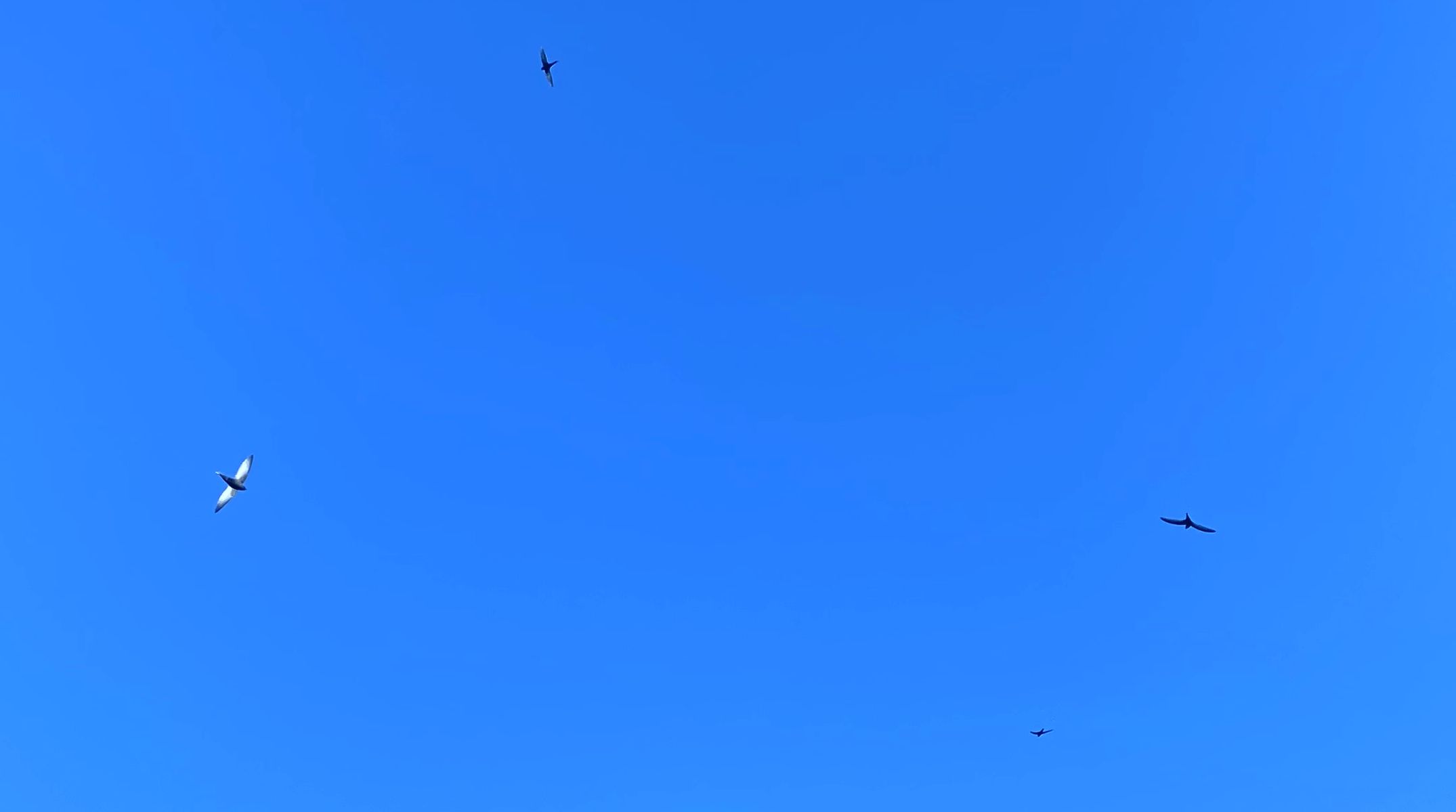
Collective Violence 2
Summers and Markusen (1999) subsume state terrorism under the broader heading of collective violence. Even beyond non-governmental groups, states might apply collective violence against innocent people. Among the strategies governments use as a form of collective violence fall (1) arbitrary arrests, (2) imprisonment without trial, (3) torture and (4)a summary execution of members of alleged enemy groups. Particular outcries are caused by, for example, police or other para-military groupings of persons who jump from (1) to an execution of an innocent person or of several even seemingly unrelated murdered persons (4b).
Amnesty International attempts for decades to fight against such occurrences on an almost global scale. The need to complement the national legal systems through supra-national instances as well as NGOs in this domain is obvious. Even the most advanced democracies need to permanently check their systems for several forms of state terrorism or abuses of power to eliminate or intimidate opposition.
Staub (1999, pp.195) undertook an attempt to list elements that allow to predict and maybe prevent collective violence. The theory starts with “conditions of life” more generally like economic, social and political conflicts as well as rapid social change. Activation of basic needs in people, like several forms of security, challenges to a person’s self-concept, traditional values, simply the customary way of life (COVID-19) or new comprehension of (climate) realities, they all challenge old world views of people (superiority) and their place in the world (AI).
Claims for support by other people (government), missing connection to others (individualism) lead people to focus more on their own needs and isolated action. Rebellion as collective violence is directed against differences in status, power and (social) rights. Self-interest is becoming an overriding societal principle. Racism (p.200) and police violence (p.201) are part of Staub’s theoretical considerations. He argues in favour of training of situations in which a police officer is likely to become unnecessarily violent or to stop it if it occurs. At least a medium-term solution.
Framing of such training as preparation of good teamwork rather than betrayal is crucial in action teams, be they in the police or the military. The reader on “violence subie, violence agie” by Seron and Denis (2000) allows us to take a step back and reflect on the spirals and repercussions involved in violence from the perspective of the person who carries out an act of violence and the victim. A social-therapeutic approach aiming at reconciliation is worth trying, albeit a lot of obstacles. Collective dance rather than collective violence is the immediate as well as long-term solution (More on dance here). 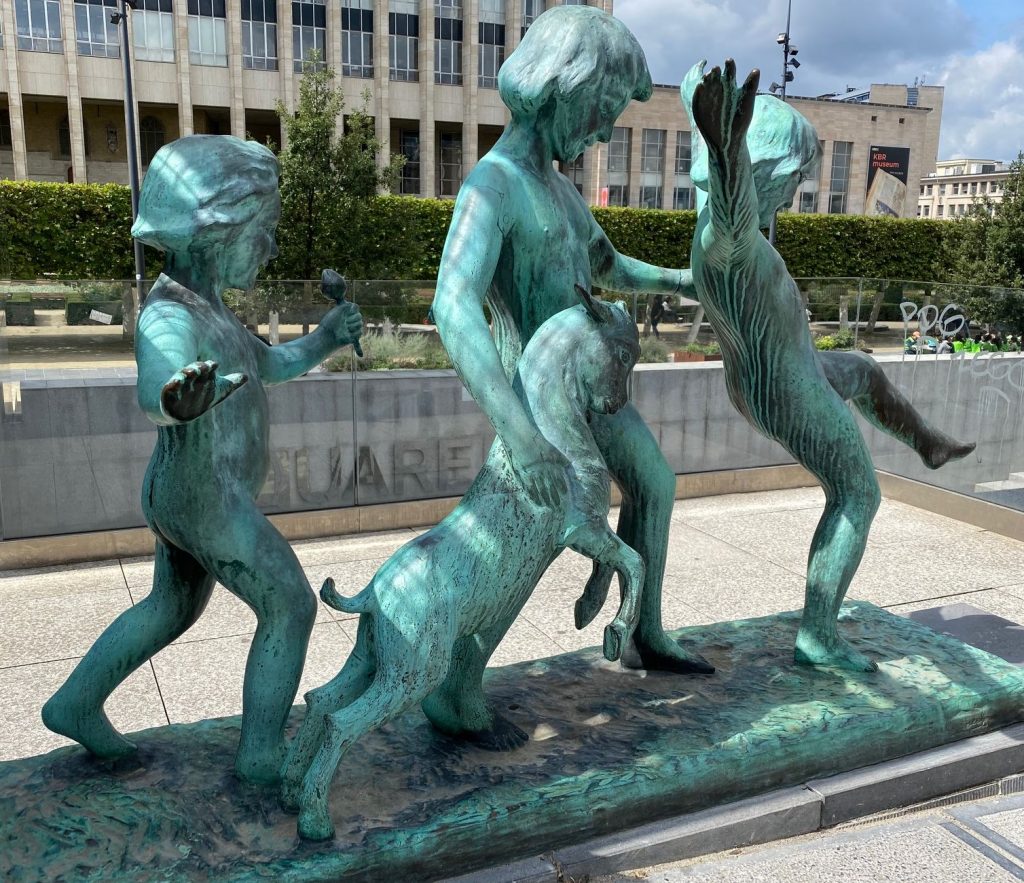
Medical Personal
Like in many other professions, medical doctors and nurses are in short supply. Labour markets in Europe have changed from high oversupply (unemployment) to shortages of mainly skilled persons. 20 years ago, such skill needs were already visible in projections. In 2023 the discussion of skill needs is spreading to more and more professions. The medical professions are no exception to this rule. Even the best paying jobs will not be filled in sufficient numbers. The German institute for the medical profession (www.zi.de) forecasts, in my opinion, a lower bound estimate of medical doctors for the year 2030. Their projection is based on an underestimation of the growth of the population (war in Ukraine), which they see as about constant until 2030. From the recent figures on the population of Germany there were 1.5 million persons moving to Germany and a loss of more deaths than births of 327.000. Migrants are on average much younger than the German population and, therefore, overall aging of the population is reduced. Tough news for those daring to do projections. Thanks to the immigration of younger persons there will be more persons contributing to health insurance and pay for the higher costs of a rapidly aging population.
Following the projections of the distribution of specialists needed, we shall need more urologists, eye specialists and substantially more psychotherapists. This originates in the aging of the population and the higher demand of younger persons (post Covid-19), as well as refugees, in need of psychotherapeutic assistance.
So-called hog-cycles tell us for the medical profession, with a “production time” of 10 years for a medical doctor, that we are already far behind schedule to address the future skill needs of the aging medical profession and population. This strengthens the need to get serious about prevention of avoidable diseases. Stop reading here, stand up and go for walk. It is the best-practice-solution taking account of the aging of the medical profession and the population as a whole. 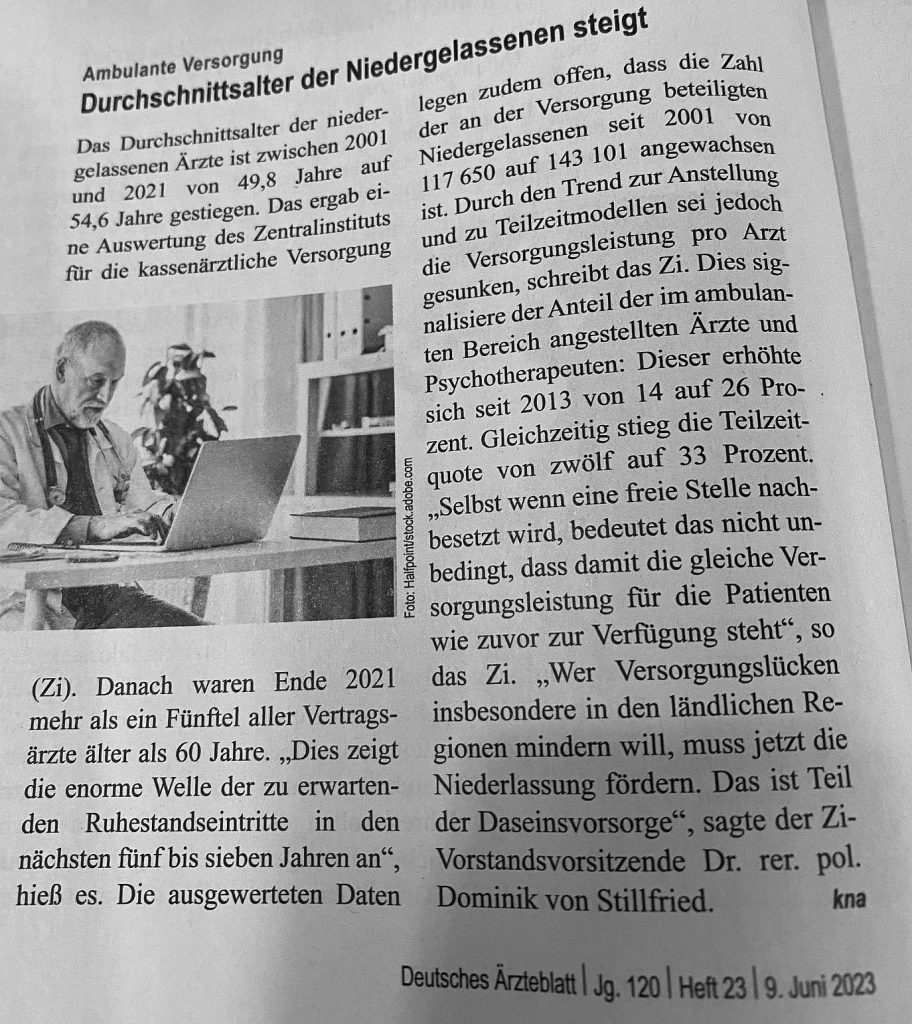
Shake Hands
Shaking Hands, like rubbing noses or kissing cheeks are social practices you will have to master depending on which society you live in. After the Covid-19 crisis we have become more careful to shake hands or exchanges of touching another person. The handshake has another medical function as well. If we are approaching eachother to shake hands, we prepare our handgrip mentally and physically.
It is exactly the strength of the handgrip, which serves as measure of another person’s health. Believe it or not, your handgrip is telling a lot about your general muscle strength. Of course, it is possible to conceal the true strength, but most people seem to have an intuitive handgrip with less mentally controlled strength of application. Medical studies mostly confirm the correlation of handgrip strength and frailty in older persons, predominantly for women. The conclusions of these studies lead us to a preventive approach of exercising your hand grip strength and other muscles in order to reduce frailty and to increase even life expectancy. After Covid-19 we should return to shaking hands more forcefully than ever before. Exercising by shaking hands with yourself or shaking your foot with your hand as alternative are fun exercises. The scientifically confounding effect of laughing while exercising might additionally cheer you up. Balance and joy are additional features of a healthy longevity. (Image: Extrait from Degas, copyright BnF, 2023)
Source: Santos S and Paúl C. Handgrip Strength and the Perceived Risk of Institutionalization, Hospitalization and Death. Journal of Fam Med. 2022; 9(4): 1302. 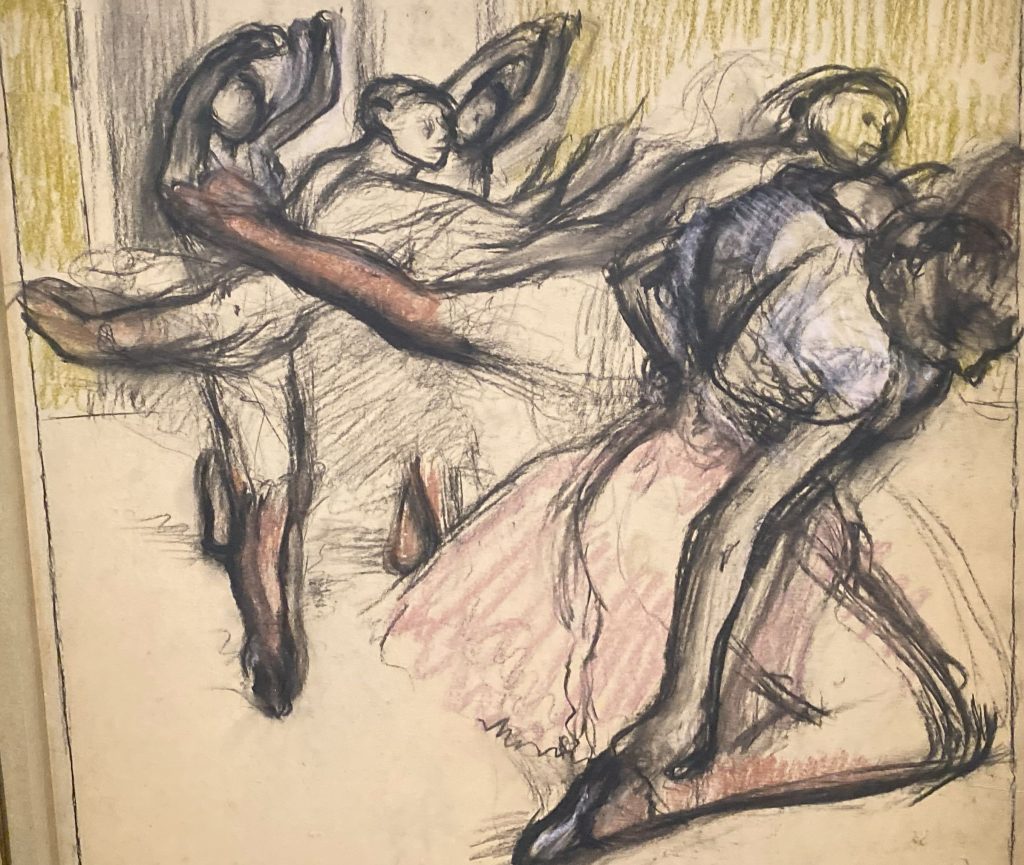
Waldbrände
Waldbrände sind leider jenseits vom Süden Europas auch im Zentrum von Europa ein Bestandteil der täglichen Gefahren geworden. Vor 50 Jahren waren die seltenen heißen Sommer die große Gefahr. Seit einiger Zeit bemerken wir öfter heiße Sommerwochen, die die Wälder austrocknen und leicht entzündlich machen. Jetzt haben wir die noch frühere Sommersaison nicht nur im Süden, sondern auch im mittleren Europa. Neben den Bränden in der Lausitz in Deutschland, kämpfen Feuerwehrleute öfter in den französischen nördlicheren Waldregionen mit Bränden. Eine Nachricht, wie die zum Brand Anfang Juni im „Forêt Fontainebleau“, sollte uns klar machen, da brennt unserer europäisches ökologisches und kulturelles Erbe. Jeder hat die brennende Kathedrale „Notre Dame de Paris“ noch in Erinnerung. Da war Klimawandel nicht die Ursache. Bei den Waldbränden sieht das anders aus. Das Ergebnis ist das gleiche. Die Vernichtung unseres kulturellen Erbes schreitet voran ohne Prävention. Das ist eine zentrale Aufgabe. Nicht erst in der Zukunft. Prävention verlangt Handeln, Planen und Implementieren schon heute. Das ist ein riesiges Qualifizierungsprogramm nötig. Es umfasst die Sensibilisierung für die allgegenwärtigen Gefahren genauso, wie das Schulen allfälliger Einsätze von professionellen und freiwilligen Helfenden. Gefahr erkannt, heißt leider nicht schon Gefahr gebannt. Da gibt es viele Zwischenschritte, die geprobt sein wollen, damit ein effektiver Einsatz gelingen kann. Es bleibt viel zu tun, packen wir’s endlich an. (Artikel in La Marne 7.6.2023 S.6) 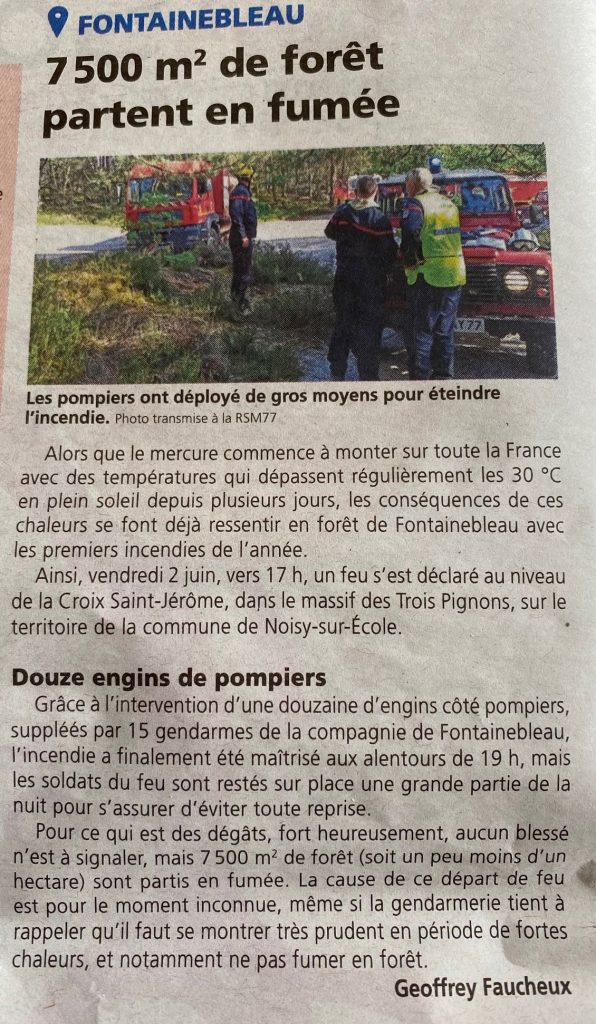
Corruption EP
Corruption is a severe crime. Not only in administrations, organisations and enterprises, but primarily in democracies it is discrediting political systems. Autocracies rely on corruption as a major tool to be able to persist over time. They are used to such practices. Democracies rely on meritocratic systems, where ideas, effort and winning elections should be the major ingredient of achieving higher positions in organisations, enterprises, political parties and democracies. This is not easy to ensure. The European parliament has a tough time to get rid of an enemy of the democratic Europe. Rather than stepping aside for the time of the legal procedure, Eva Kaili, accused, but not yet convicted of corruption is willing to destroy the European project as much as she can. If money can buy political decisions, the European project will no longer find wide-spread support. Big interests will always have a strategic advantage, however, the ethical principles on which democracies are found have to guard against corrupt misbehaviour. The same applies to the business world. Even low corruption countries like Sweden still face a risk of adverse effects of corruption like the negative impact on entrepreneurship on the local level. It is another context, but the same conclusion.
Additionally, it is part of the strategy of corrupt persons to portray themselves as victims of other persons’ wrong-doing. The major function of this strategy is to remind other persons in the corrupt network that the network has still some clout on its members as well as outside the inner circle. Hey, we are still alive and in powerful positions, they proclaim.
Therefore, the fight against corruption is a long and persistent one. Reducing the guards against early onsets usually is very lengthy to fight later on. Always a painful lesson for believers in democracy and the European project. (image Jacques Jordaens before 1678 “The King Drinks! Musées royaux des beaux arts, Brussels). 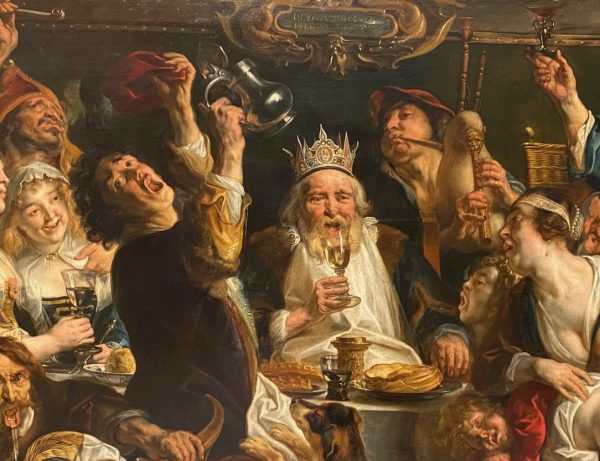
2P2R
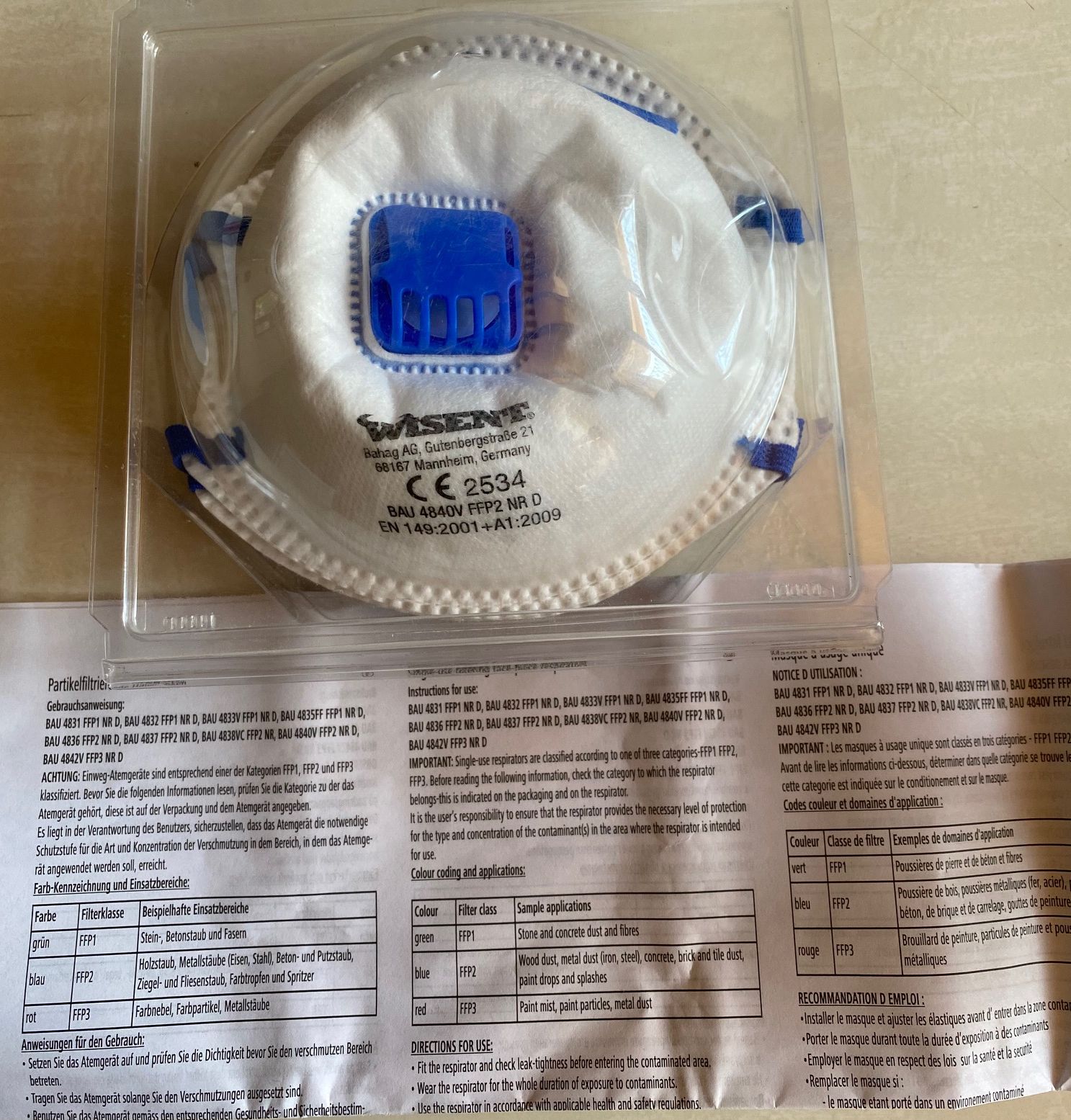
2 Pinot 2 Riesling. That could be the long version of 2P2R. However, this far from (politically) correct. The not-joking scientific medical journal “The Lancet” (Vol.401 Nr 10391) has next to the article on “Laughter is the best medicine” coping with trauma, the serious matter of how best to deal with pandemics. Remember 2P2R as the important lesson from the pandemic. Prevention, preparedness, response, and recovery (2P2R) are key. And don’t forget about primary health care or essential (medical and other) workers. This is, in short, the message from Arush Lal and Nina Schwalbe (Paper Link). Lots of social topics involved in this correspondence from the authors. Prevention is a big issue and, as in the health system, fighting continuously for sufficient resources. Prevention is in most cases less costly than curing a disease. Preparedness has direct costs. Masks and ventilators need to be produced, stored and monitored in their functionalities. Response has to be immediate, masks in China a important but do not allow us to respond fast to local emergencies. Recovery can be long and costly as well, just as we learn from Long-COVID patients.
Now we need to define properly what is included in primary health care. Medical doctors, nurses and technicians of hospitals have to reach patients and hospitals in pandemics or need child care, food etc. and, maybe, also laughter to avoid trauma. Remember 2P2R, but best in company with your loved ones, but not on your own.