In peace times we tend to forget about the deal making function of diplomacy. The Russian war in Ukraine brings back the fact that war times are a strategic operation from before the start, from start to end, and even afterwards. More than 500 days into the Russian aggression a lot of strategic efforts on all sides are concerned with the best strategies to pursue in order to prepare for starting positions for diplomatic peace talks. As Russia is currently pursuing again 4 nights and days of missile attacks on Kiev around the 14th of July (AFP), Ukraine is showing its continued resilience to Russian bombings assisted through modern missile defence systems.
Russia seems to demonstrate its willingness to continue assaults far into the terrain of Ukraine, the Ukrainian forces, step by step, increase the immense costs of a prolonged war to Russia. Russia is sacrificing a whole generation of youth for the neo-imperialist claim on Ukrainian territory. Ukraine currently demonstrates the ability and willingness to fight back its territory even in a protracted war.
Both sides battle for starting positions in case negotiations for the time after the hot war are about to begin. Russian bombing of Kiev might address more the western allies of Ukraine who might be more reluctant to send personnel to start rebuilding the country beyond financial efforts. Russia’s loss of soldiers, lots of material and facing the militarisation of the whole country incurs another historic loss for completely the wrong reasons.
Another analogy to the strategic game of chess becomes obvious. Many games end with a “remis” or a 1/2 point for each side. In chess it is an outcome of when 2 strategists weigh the chances of loosing as high as winning even if they continue for hours to play. It is the endpoint of an evaluation of own strategic options as well as those of the opponent. The handshake to conclude a remis needs careful preparation. Part of this is to demonstrate the ability to be able to sustain a prolonged battle despite the costs as a kind of threat to the opponent. We might believe that not much has changed since Thucydides and Clausewitz. However, Putin’s forceful opening of the war irrespective of loss of lives and against international law has lost its impetus and, with the turning of the tide. Ukraine is slowly winning back land, square mile after square mile. Strategic thinking is back in the foreground, but this is exactly the moment when diplomacy comes in. Negotiating for peace is the art of warfare. It is a formidable task to reach a peace deal when bombs are still killing people every single day. (Image: AI using Bing.com Text: impressionist oil painting of two soldiers from different countries shaking hands and making peace). 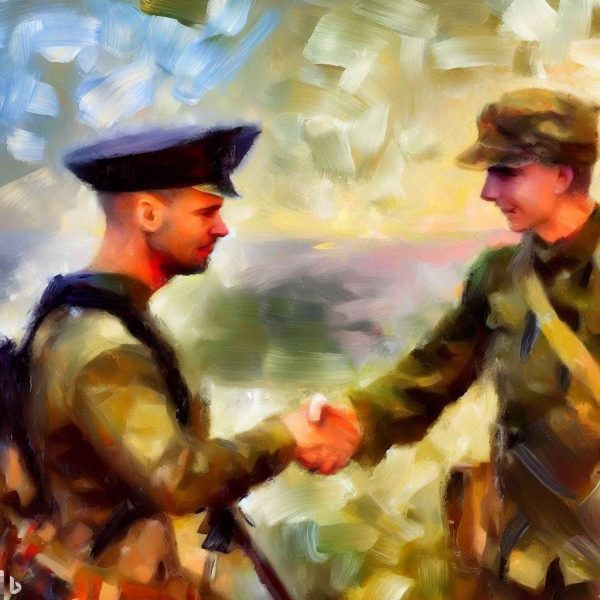
Züge
Wer heutzutage mit dem Zug verreisen möchte braucht starke Nerven. Eine lange im Voraus geplante kostengünstige Reise kann dann schon mal zu unerwarteten Kapriolen führen. Jede Person wird wissen, dass eine Reise zum 14.Juli nach Paris ein besonderer Anlass ist. Normalerweise wird Revolution gemütlich gefeiert und nicht Revolution gemacht. Die Befürchtung ist jedoch im Juli 2023 könnte das anders sein. Die Gewalt an Jugendlichen und in der Folge von Jugendlichen war schließlich erst vor einigen Tagen mehrfach eskaliert. SozialwissenschaftlicherInnen führen dabei nebenbei Feldstudien durch.
Aber eigentlich war die Reise mit dem Zug schon Monate vorher geplant. Jetzt kommt es anders. Die THALYS Gesellschaft hat in ihrer App allerdings eine Gebühr für das Umbuchen fest verankert, selbst wenn es eine erzwungene Umbuchung ist. Also rein ins Geschäft, Wartenummer ziehen und Warten, Warten und nochmals, na was schon, Warten.
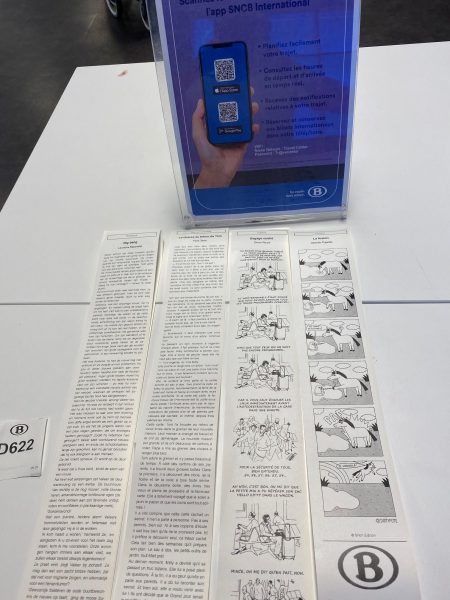
Zum Zeitvertreib wird ein Geschichtendrucker bereitgestellt. Ouf, Kurzgeschichten und Comics. Das macht Hoffnung beim, na was schon, Warten. Aber irgendwann fahren wir dann ganz schnell mit dem Hochgeschwindigkeitszug nach Paris. Aber da wir doch bitte 30 Minuten vorher auf dem Bahnsteig sein sollten, wissen wir schon, wir werden, na was schon, Warten. Mein Mantra bleibt: Mit der Bimmelbahn mag ich gerne fahren, die fährt langsam und kommt trotzdem an.


Flotow Aus
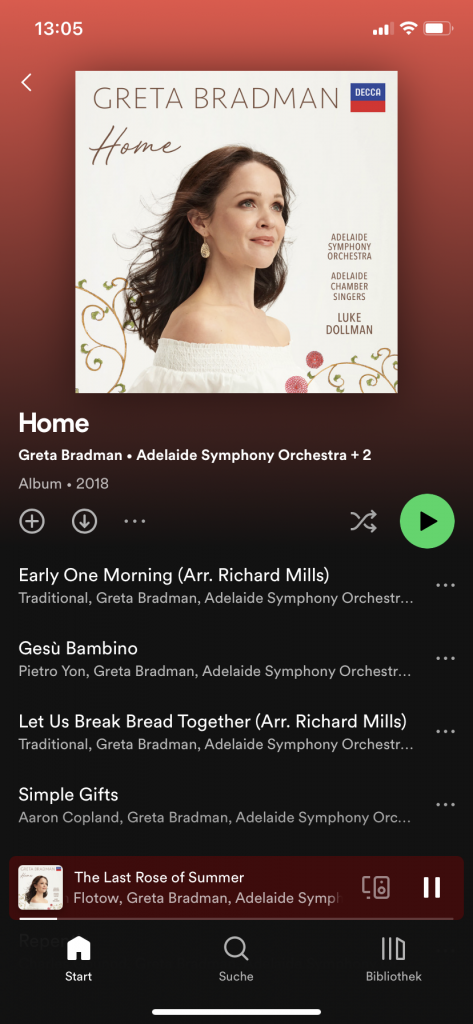
Irgendwann, so denkt man, sollte der Ruf einiger Komponierenden enden oder zumindest verblassen. Überraschend war das Auffinden auf der Musikplattform Spotify einer populären Sammlung von Liedern bei denen die letzte Rose von von Flotow zu hören ist. Ein Bayer oder Österreicher hätte vielleicht gerufen: Ja AUS is! Nix AUS ist es. Ein australisches Orchester (aus Adelaide) und Greta Bradman haben in 2018 auf der anderen Seite der Erdkugel, Flotow mit seiner „irischen“ Arie ins Programm genommen neben anderen Ohrwürmern. Die Romantik lebt. Einige Melodien finden weiterhin ihr Publikum. Erstaunlich, nach 150+ Jahren und 6000km Entfernung. Flotows Opernarien aus Stradella begeistern auch hin und wieder die Fangemeinden der Startenöre.
Geister
“ Herr, die Not ist groß!/ Die ich rief, die Geister/ werd ich nun nicht los.“ Dieses Zitat aus dem Zauberlehrling von Goethe aus dem Jahr 1797 könnte im Juli 2023 von Putin ausgerufen worden sein. Als der von ihm geförderte und üppig finanzierte Chef der Wagner-Armee Prigoschin plötzlich auf Moskau losmarschierte. So sehen das viele Analysten zu Beginn des scheinbaren Angriffs auf Moskau eigener Söldnertruppen. Frei nach Goethe fragen wir uns also: Wer und Wo ist der Meister? Wer ist hier der Zauberlehrling? Aber schon Goethe hat seine Ballade rasch und ohne Überraschung aufgelöst. „In die Ecke, Besen, Besen! Seids gewesen. Denn als Geister ruft euch nur zu seinem Zwecke, erst hervor der alte Meister.“ So entpuppt sich am Ende Putin wohl als der Meister und Progoschin „nur“ als sein Zauberlehrling.
Das ist nicht die herrschende Meinung der Redakteure und Editorialisten (Süddeutsche, LeMonde). Literatur der Romantik sollte besser aus der Tagespolitik herausgehalten werden. Weit gefehlt. Sie weitet den Blick auf Herrschende, meist Autokraten, und ihre tragischen Lebensverläufe.
Jetzt mal eine ernsthafte Vision(?) eines Politikberaters. Da die Mission von Prigoschin mit Unterstützung oder angeordnet von Putin in Butcha als abgeschlossen galt, und das Staatsheer diese Aufgabe übernommen hatte, wäre Prigoschin arbeitslos geworden. Den treuen Chefkoch Prigoschin aus St. Petersburger Zeiten, der Putin in seinen Restaurants schon hätte vergiften können, hat seinem Meister vorgeschlagen, Putins faktischen Schutz vor einem Anschlag oder einer militärischen Einsatzgruppe zu testen.
Militärisch gesprochen, läuft das entweder unter einer „false flag attack“, eines mit russischer Flagge getarnten Angriffs, oder einer „white flag attack“, dem Vorspiegeln einer geschützten friedlichen Mission (vgl. trojanisches Pferd).
Aus der Sprache der Börsianer kennen wir ebenfalls die „weiße Ritter“ Attacken. Dabei versucht ein anderes Unternehmen, eine InvestorIn oder eine im Hintergrund agierende Person (Progoschin), eine feindliche Übernahme eines Unternehmens zu verhindern. Dabei sind Mehrheitsbeteiligungen am Zielunternehmen oder Fusionsangebote die gewollte Lösung und Abwendung der feindlichen Übernahme.
Im Internetzeitalter kennen wir die bezahlten Hacker, die eine Webseite eines Unternehmens oder Behörde auf Schwachstellen testen und damit Datenschutz, Erpressung und Ausfälle vermeiden helfen.
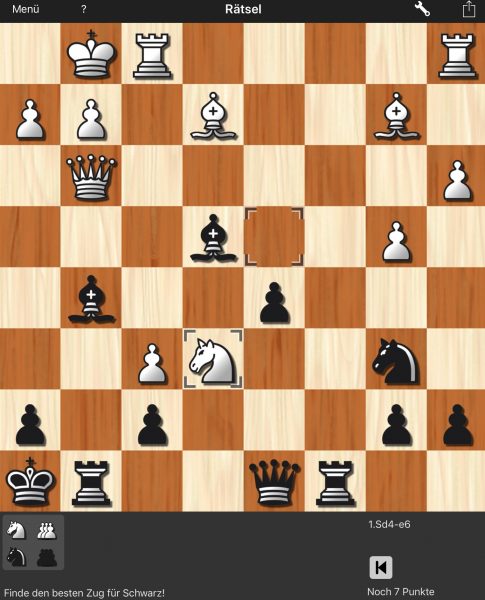
Klingt alles kompliziert, ist es aber nicht. Es ist einfach Teil des modernen Arsenals von Strategen à la Clausewitz. Schachspielen mit echten Söldnern ist grausam und kostet echte Menschenleben für den Machterhalt. Der militärische Probealarm wurde getestet und der Schutz um Putin, den Meister mit seinem Zauberbesen kann verbessert werden. Sein Zauberlehrling Prigorschin ist wohl vielleicht sogar vom Springer (Schachfigur) in einen Turm eingetauscht worden. Vielleicht ist er aber schon längst die Dame an der Seite des Königs oder eben einer der Geister im Umfeld von Putin.

Schwalbe
Verzicht auf Spritzmittel wie Gluphosat in großen Mengen an Bahngleisen, Autobahnen und sonstigen Verkehrswegen kann schon viel helfen, dem Artensterben zu begegnen. Unkraut zupfen im Weinberg, Nutzgarten oder Ziergarten, statt die chemische Keule einzusetzen, beginnt Wirkung zu zeigen. Zarte Ansätze von Biodiversität sind beispielsweise die Rückkehr der Schwalben (Hirundinidae) in vielen städtischen Bereichen. Das freut sehr viele Menschen, die das Zwitschern der Schwalben lange vermisst haben. Die Schwalben ernähren sich hauptsächlich von Insekten. Genau diese Insekten werden aber mit den Spritzmitteln ebenfalls vernichtet. Das führt nicht nur vielfach zu erheblichen Gesundheitsschäden beim Menschen, sondern lässt sich an dem Vogelbestand bereits gut ablesen.
Daher ist es ein gutes Zeichen, dass die Schwalben zurückkommen. Wir bieten mehr Nahrung, Brutstätten und weniger Umweltgifte in den Innenstädten. Nebenbei braucht der Stadtneurotiker dann auch weniger in das Umland auszuschwärmen, um urwüchsigere Landschaft und Klangwelten zu erleben. Ein paar Singvögel leisten damit sogar einen Beitrag, die persönliche CO2-Bilanz aufzubessern.
Für alle, denen Vogelstimmen zum Wohlbefinden beitragen, hier noch ein Link auf die umfangreiche Hitliste der Stimmen der Mehlschwalben. Von dort lässt sich die Vielfalt weiter erkunden. Für Musikliebhabende lässt sich im Internet auch eine Webseite zu der Verwendung von Singvogelstimmen in der meist klassischen Musik und darüber hinaus, finden (BR-Klassik).
Schwalben schlagen zudem jede Wetterapp in der Kurzzeitvorhersage von Regenschauer im Sommer. Ein nahendes Tiefdruckgebiet mit Regenschauern zeigen die Schwalben bereits mit Tiefflug-Akrobatik an. Der richtige Indikator verbessert eben die Vorhersage. Das können Ökonomen und Meteorologen aus der Biodiversität lernen. Wir erfreuen uns einfach an dem Zischen der Schwalben im Flug und lassen uns inspirieren oder amüsieren uns an anderen Spielarten von Schwalben (Moped, Fußball, War and Diplomacy). 
Acanthus
Wer erkennt ihn noch, den dornigen Bärenklau? Acanthus gibt es in vielen Farbkonstellationen. Die fast 1 Meter hoch wachsenden Stauden sind dekorativ, obwohl wegen der kleinen Stacheln etwas unfreundlich zu handhaben bei der Gartenarbeit. Nicht nur die üppigen Blütenstände beeindrucken durch ihren kerzengeraden Stand bei überragender Höhe vor der Hauswand, sondern auch die Blätter hatten es schon den Griechen angetan. Die Kapitelle griechischer Säulen wurden schon nach den Blättern der Acanthus geformt.
In der Dekoration werden die Ornamente auch bei zahlreichen Schnitzereien traditionell seit Jahrhunderten verwendet. In weichem Holz (keine Eiche) lässt sich die Blattform nachzeichnen und schmückt dann ganzjährig das (deutsche) Innere in Anlehnung an das (französische) Äußere. Für Acanthus und Holzfans ein Erklärvideo auf Youtube à la zugeschaut und mitgebaut. 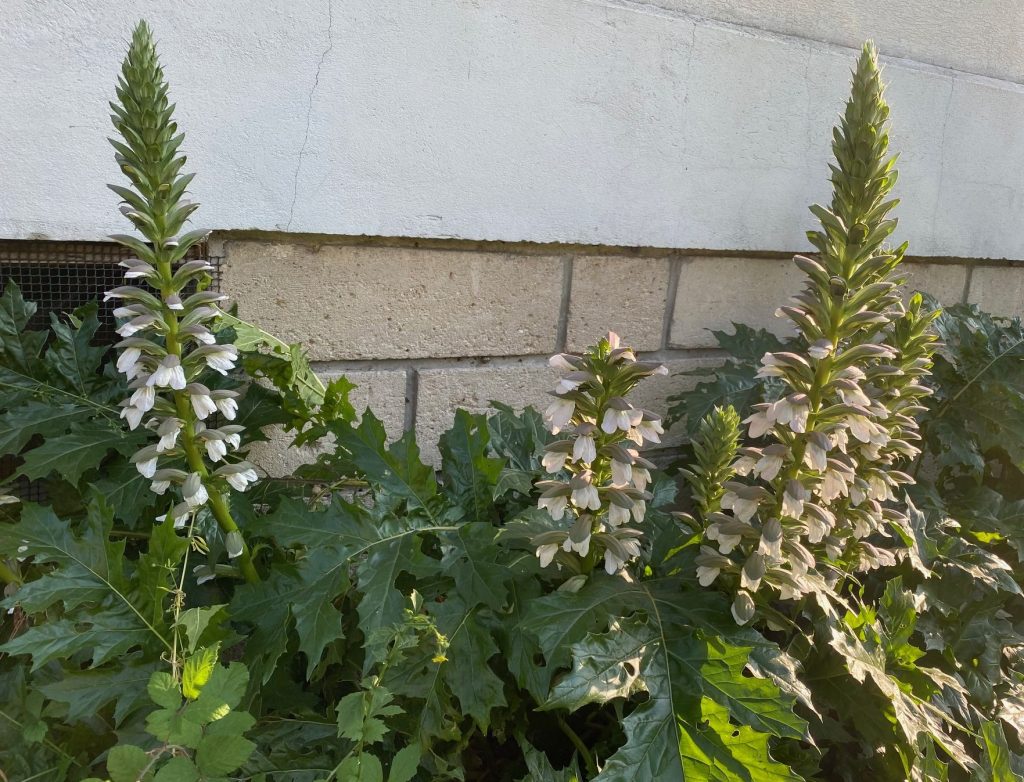
Lebensverlauf Musik
Lebensverläufe von Musizierenden (Wagner, Flotow, Chopin) sind, ganz so wie die Musik, mit vielen Höhen und Tiefen versehen. Das ist von wenigen Ausnahmen kaum planbar. Wettbewerbe spielen in den schönen Künsten ebenfalls eine bedeutende Rolle. Karrierewege werden so in entscheidendem Ausmaß beeinflusst. Der „Concours Reine Elisabeth“ in Belgien bemüht sich, nicht der Devise „The Winner takes all“ gerecht zu werden. Zum Beispiel war der Zweitplazierte Pianist von 2021 Sergei Redkin, 2 Jahre später auf dem “Mont des Arts” in Brüssel erneut zu hören. Anlass war das 2. Konzert im Rahmen des „Musicorum“ Festivals am 5.7.2023. An Stelle des geplanten Konzerts mit Aleksandr Khramouchin (Violoncello), der mit 43 Jahren an einer Blutvergiftung verstorben war, präsentierte Sergei Redkin ein tiefgehendes, mit teilweise virtuosen Klavierstücken angereichertes Programm von Rachmaninoff (Rachmaninoff-Richardson : Vocalise Rachmaninoff) und Prokofiev (Sonate Nr.4).
Alle beteiligten Institutionen und Personen gewinnen mit dem gemeinnützigen Arrangement auf dem Berg der Künste.
Der Weg auf den Berg der Künste ist mit vielen beschwerlichen Momenten gepflastert. Selbst der Weg von WettbewerbsfinalistInnen bleibt steinig. Wenngleich die Musizierenden auf dem Weg zur Bergspitze kaum Anstrengungen scheuen, ist das Publikum leider nur noch eine kleine Gemeinde von Leidenschaftlichen einer anderen Generation. Musik bringt sie alle zusammen zumindest in der kleinen, vielleicht allzu feinen Welt der späten Romantik. In den von Sergei Redkin ausgewählten Stücken lassen sich die Turbulenzen des frühen und späten 20. Jahrhunderts bereits erahnen. Mehr braucht es nicht, um eine ¾ Stunde lang ein Gefühl von Vergangenheits- und Gegenwartsbewältigung zu haben, auf dem Brüsseler Berg der Künste. 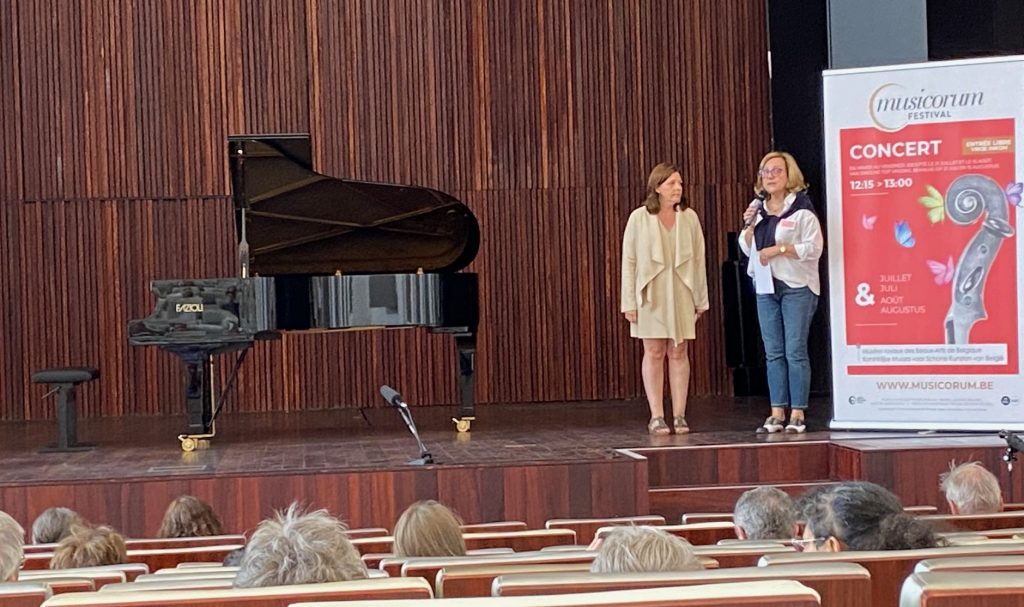
Collective Violence 2
Summers and Markusen (1999) subsume state terrorism under the broader heading of collective violence. Even beyond non-governmental groups, states might apply collective violence against innocent people. Among the strategies governments use as a form of collective violence fall (1) arbitrary arrests, (2) imprisonment without trial, (3) torture and (4)a summary execution of members of alleged enemy groups. Particular outcries are caused by, for example, police or other para-military groupings of persons who jump from (1) to an execution of an innocent person or of several even seemingly unrelated murdered persons (4b).
Amnesty International attempts for decades to fight against such occurrences on an almost global scale. The need to complement the national legal systems through supra-national instances as well as NGOs in this domain is obvious. Even the most advanced democracies need to permanently check their systems for several forms of state terrorism or abuses of power to eliminate or intimidate opposition.
Staub (1999, pp.195) undertook an attempt to list elements that allow to predict and maybe prevent collective violence. The theory starts with “conditions of life” more generally like economic, social and political conflicts as well as rapid social change. Activation of basic needs in people, like several forms of security, challenges to a person’s self-concept, traditional values, simply the customary way of life (COVID-19) or new comprehension of (climate) realities, they all challenge old world views of people (superiority) and their place in the world (AI).
Claims for support by other people (government), missing connection to others (individualism) lead people to focus more on their own needs and isolated action. Rebellion as collective violence is directed against differences in status, power and (social) rights. Self-interest is becoming an overriding societal principle. Racism (p.200) and police violence (p.201) are part of Staub’s theoretical considerations. He argues in favour of training of situations in which a police officer is likely to become unnecessarily violent or to stop it if it occurs. At least a medium-term solution.
Framing of such training as preparation of good teamwork rather than betrayal is crucial in action teams, be they in the police or the military. The reader on “violence subie, violence agie” by Seron and Denis (2000) allows us to take a step back and reflect on the spirals and repercussions involved in violence from the perspective of the person who carries out an act of violence and the victim. A social-therapeutic approach aiming at reconciliation is worth trying, albeit a lot of obstacles. Collective dance rather than collective violence is the immediate as well as long-term solution (More on dance here). 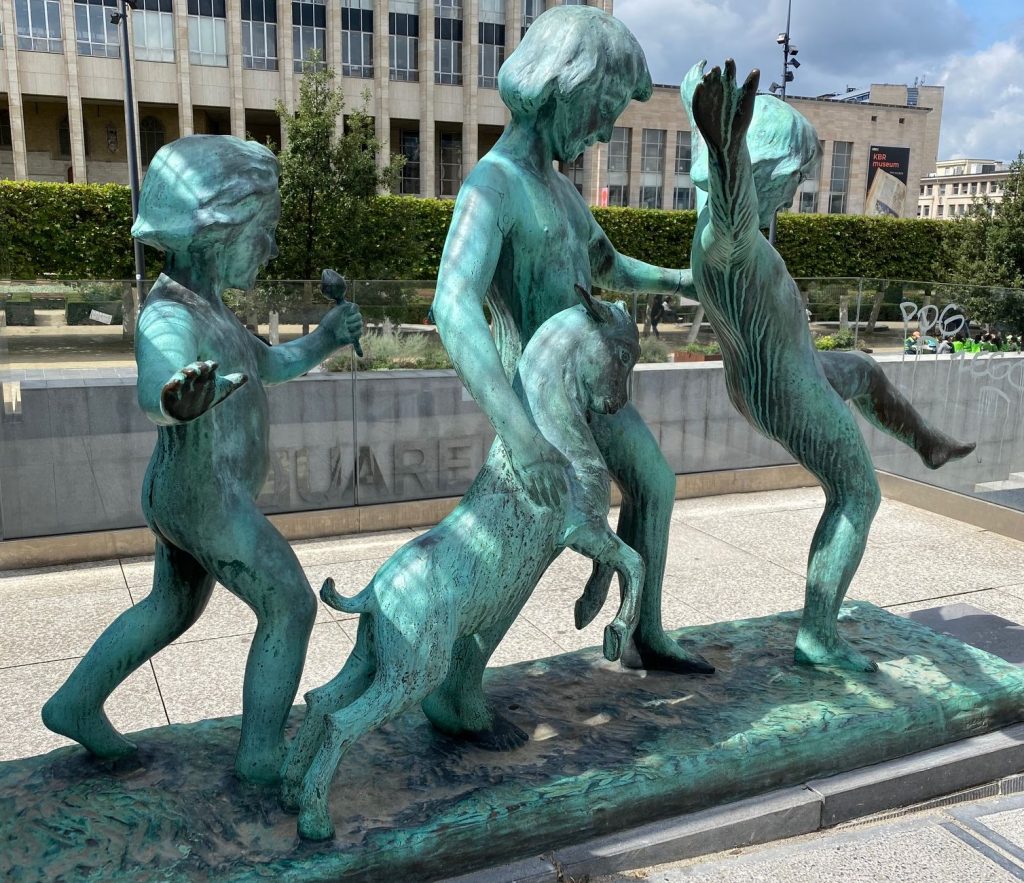
Triangle without words
There are many forms of triangles. Jacques Pain (2000, pp.121-136) adds another one. “Jeunes, banlieue, école : le triangle sans parole” (Youth, suburb, school : the triangle without voice). He calls it a symbolic, sensitive triangle which is confronted with mounting difficulties from inside as well as external pressure. Pain describes and analyses the violence that emanates from the triangle.
Additionally, the triangle appears to be spiralling upwards causing mounting pressure on the social fabric of whole societies. Education systems have to deliver sufficient numbers of youth ready for insertion into the labour market, ready to accept the subordination to hierarchical structures while at the same time being confronted with high social contributions to other parts of society and unrepairable environmental damage and depletion of resources by older generations. With high interest rates even the middle-class dream of a house with garden is out of reach for almost all of the young growing up in suburbs, disadvantaged schools with pervasive violence. Dealing drugs or taking drugs has become pervasive and an entry port into the violence of law in addition to the violence of the street, school or even home.
Give the triangle a voice. Call the names of the victims so that politicians do not forget all too quickly what is their duty to guarantee – a youth free of violence and a youth with an equal chance for learning. Free from violence, but free to learn or be given a chance to find your way into society at large not only restrained to your suburb.
Reference to the historic riots of the mid-1960s (Saul Bernstein, 1967, p. 27) and the recent Paris riot statistics from July 2023 suggest that history doesn’t repeat itself, but it seems to rhyme. A breaking of the silent triangle is like an eruption of a volcano. Violence is all over the place and leaves a lot of burned land and people. Cohort effects might prolong the suffering further throughout their life courses. Stigmatisation is likely reinforced rather than overcome. For the so-called holy trinity there were many words and songs. The modern triangle within society is still in search of the right wording, although rap-music is shouting loud about “la misère du monde”, only we are not really listening. 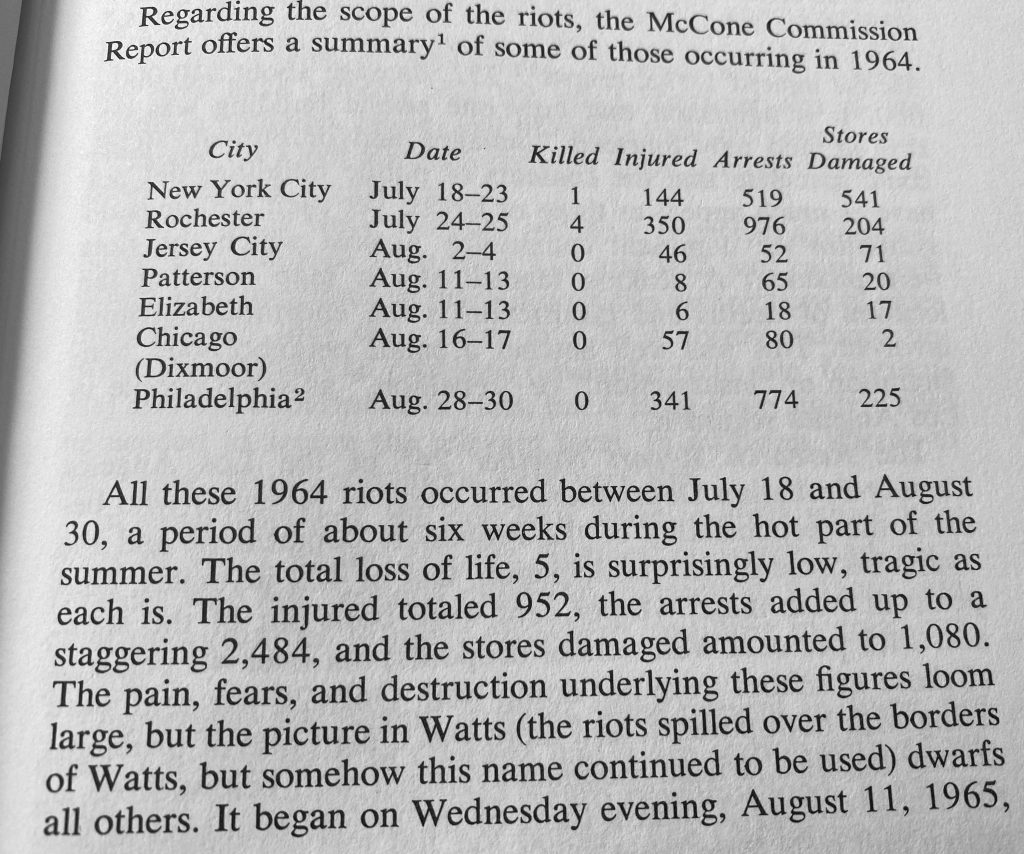
Law’s Violence
In legal studies the use of social thoughts are marginal, although AI has the potential to replace millions of lawyers just guiding through the jungle of laws and jurisprudence especially if several languages are involved (fiscal rules). Only with the eruption of major crises like police violence we start referring back to social and political thought and theories that enlighten the relationship of law, legislation and the social spheres. There is a huge, mainly American, literature on “law’s violence” even beyond the issue of capital punishment, the most obvious form of law’s violence (Sarat and Kearns, 1995). Basic elements of the relationship of law and violence follow from the notion of enforceability of law. Force is a constituent part of law, whether we like it or not, much like Derrida stated decades ago. Walter Benjamin and Albert Camus, both have contributed substantially towards our realisation that law is intrinsically linked to violence.
Linked to political theories, we have the conservative and liberal doctrines that see legitimate violence of the state as part of the normal organisation of statehood. The humanist tradition stresses the function of law as community-building as well as creating meaning, joint objectives and shared vision through law. In daily politics governments refer to one or the other doctrines as they see fit.
Sarat and Kearns (1995, p.8) also point to the tendency in legal studies to refer to singular cases and singular judgements, “discrete acts of its agents” and institutions rather than the overall picture of the violence of law. With respect to violence of the police the authors refer back to Jerome Skolnick, “Justice without trial”(1967), which in 2023 we link to the police violence in France. Police men provoking violence, execute their personal vision of justice and without a chance for a trial of their victim. The 60s are back on streets in Paris. The violence of law is visible for millions as the ratcheting up of power in favour of police to apply more violence in prosecuting “delinquents”. This had recently been voted by the French parliament with a conservative and liberal majority (LeMonde 2023-7-2 p.). The notion “Gewaltspirale”, a spiralling-up of violence, seems to be a fair description of what we currently witness in France.
Violence is embedded in words, uses of language and not only acts. Even in the field of representation and representative democracy, violence is present. Who represents or decides about life and pain for a fatally ill person? Why are persons of 14, 15, 16, 17 years of age not represented in parliaments, if others are deciding on their compulsory education, prison sentences and poverty relief.
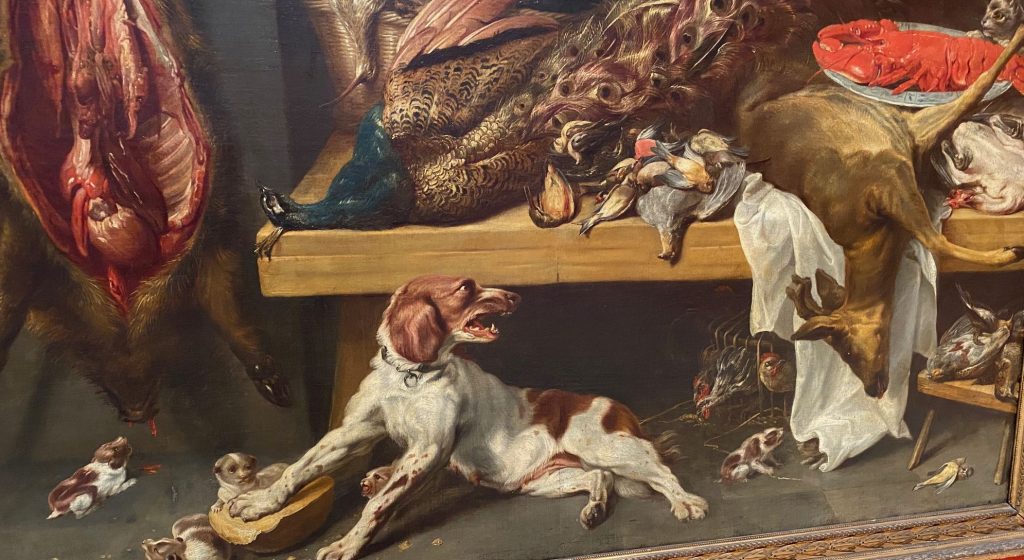
At times it is necessary to take a step back and refresh our memories of the “pain-imposing, death-dealing acts” (Sarat and Kearns, 1995, p.10) of law. The abundant presence of violence of law in religious narratives is, however, another element worth analysing as part of the history of ideas at another time. (Image: Extrait de Frans Snijders, La chienne et ses petits 17th century)