Corruption is a severe crime. Not only in administrations, organisations and enterprises, but primarily in democracies it is discrediting political systems. Autocracies rely on corruption as a major tool to be able to persist over time. They are used to such practices. Democracies rely on meritocratic systems, where ideas, effort and winning elections should be the major ingredient of achieving higher positions in organisations, enterprises, political parties and democracies. This is not easy to ensure. The European parliament has a tough time to get rid of an enemy of the democratic Europe. Rather than stepping aside for the time of the legal procedure, Eva Kaili, accused, but not yet convicted of corruption is willing to destroy the European project as much as she can. If money can buy political decisions, the European project will no longer find wide-spread support. Big interests will always have a strategic advantage, however, the ethical principles on which democracies are found have to guard against corrupt misbehaviour. The same applies to the business world. Even low corruption countries like Sweden still face a risk of adverse effects of corruption like the negative impact on entrepreneurship on the local level. It is another context, but the same conclusion.
Additionally, it is part of the strategy of corrupt persons to portray themselves as victims of other persons’ wrong-doing. The major function of this strategy is to remind other persons in the corrupt network that the network has still some clout on its members as well as outside the inner circle. Hey, we are still alive and in powerful positions, they proclaim.
Therefore, the fight against corruption is a long and persistent one. Reducing the guards against early onsets usually is very lengthy to fight later on. Always a painful lesson for believers in democracy and the European project. (image Jacques Jordaens before 1678 “The King Drinks! Musées royaux des beaux arts, Brussels). 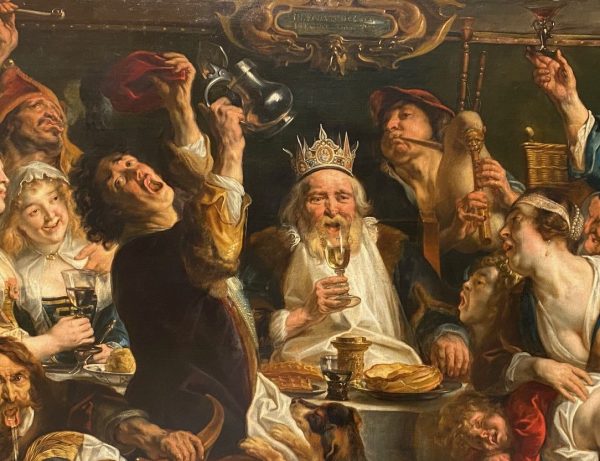
Black White
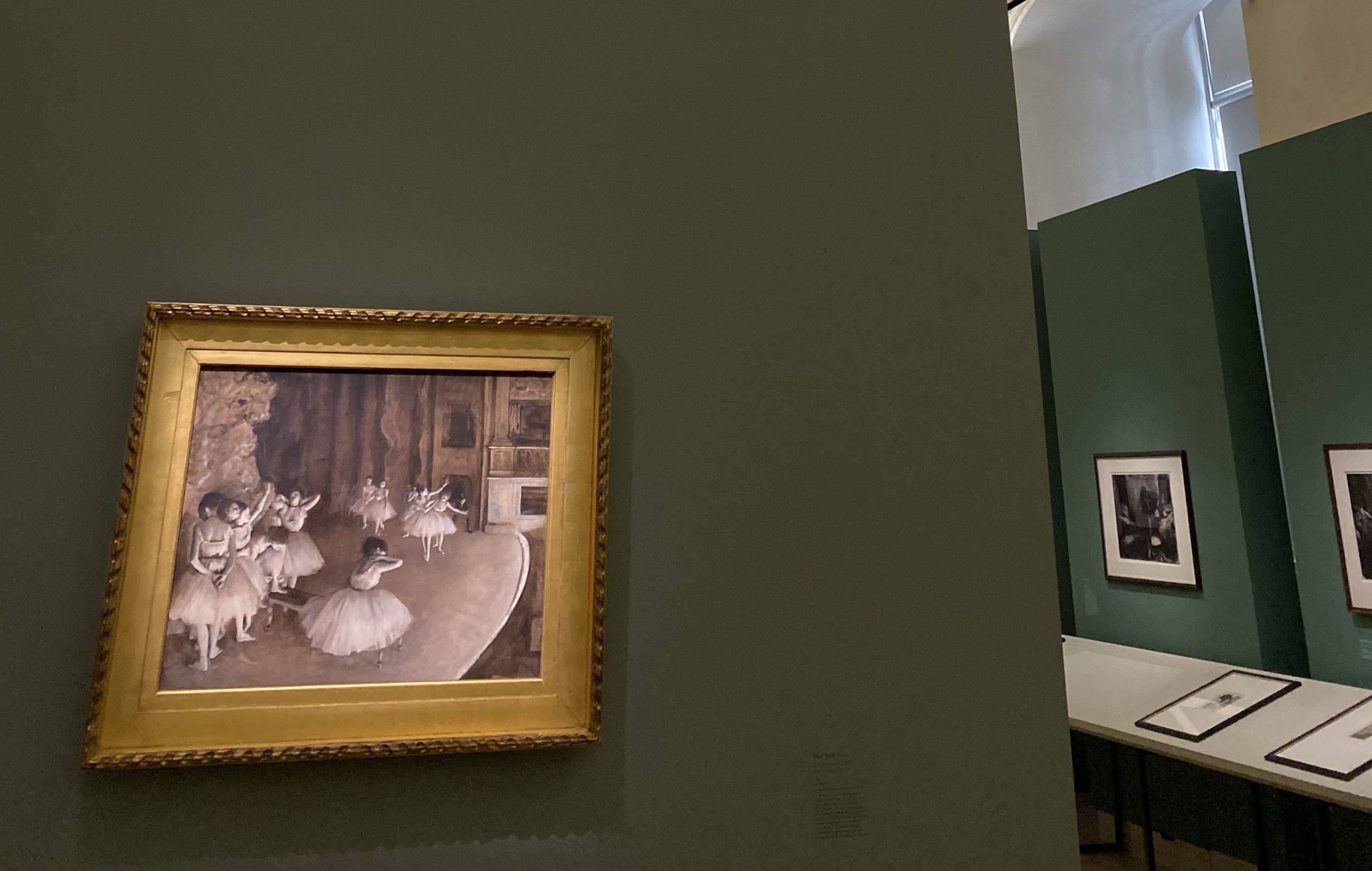
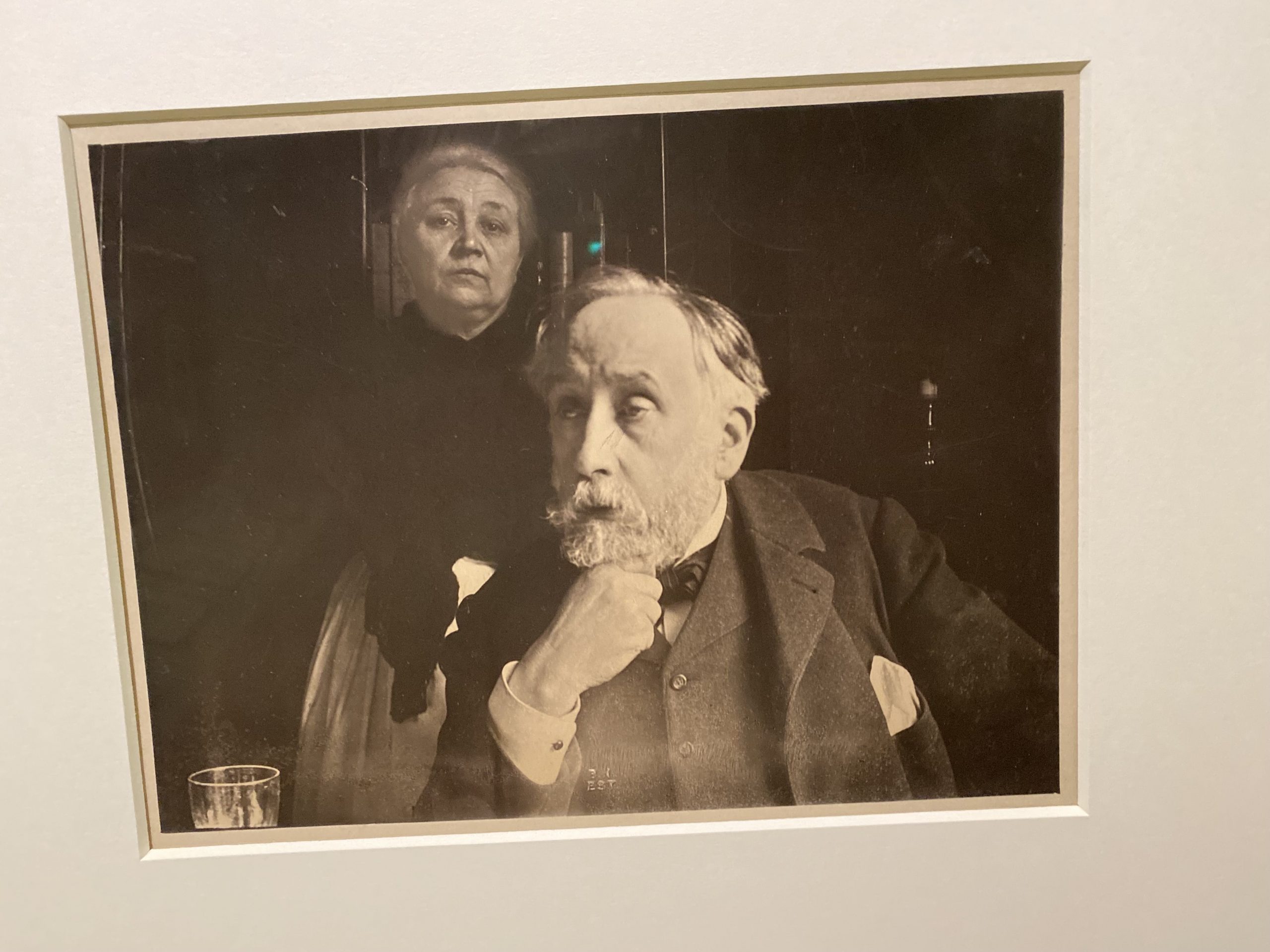
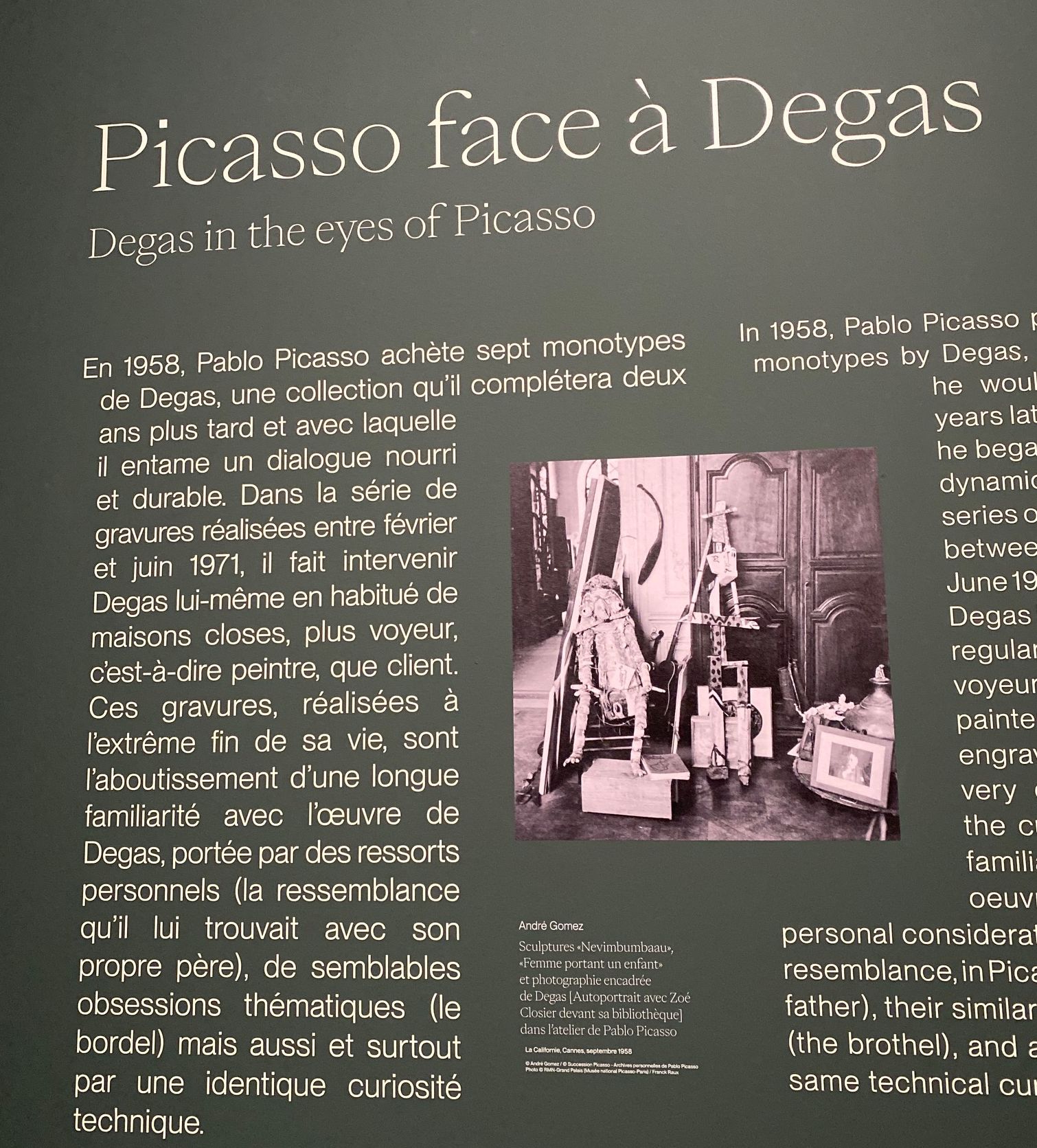
Working at the Bibliothèque nationale de France (BnF.fr), just like visiting, allows you to benefit from the many temporary exhibitions based primarily on their own collections and donations to the BnF. For those who like “dessins, estampes, photographies”, there is a small exhibition as of June 2023 which features on these three techniques in the work of a single artist Edgar Degas from the impressionist movement. Walking through the exhibition or slowly scrolling the press documentation allows you to follow the artistic life course of Edgar Degas. He started with the pencil dessin and evolved to the printing of a single or sequences of “estampes” (up to 20) to impress us beyond black and white with multiples of 50 shades of grey. Degas seems like continuously searching for the uniqueness of the moment to present strong emotions or to summarise interpersonal relationships immersed in a specific spatial setting. Having demonstrated the richness of dessins and estampes as artistic, but a bit laborious technique, he devotes his last few years to a more intensive work taking photographs and proceeding to their development or tirage as printed versions. No matter which technique he applies, he has a special artistic view that allows to capture emotions and immortalise them. The painter’s eye, as well as later on in his artistic career the photographer’s eye, keep scrutinising himself in various forms of “auto-portraits”. Beyond youth, the pervasive obsession with selfies nowadays had its artistic precursor Edgar Degas for example. Whereas most photographers would classify a double exposure as a “raté”, Degas experimented with this almost like a cubist, Picasso-like techniques in photography. Actually, the last few images in the exhibition show the artistic reference Picasso made in his work to images, impressions and techniques that inspired him throughout his artistic work. There are amazing links in and across the history of art or arts. (BnF expo Edgar Degas 2023). 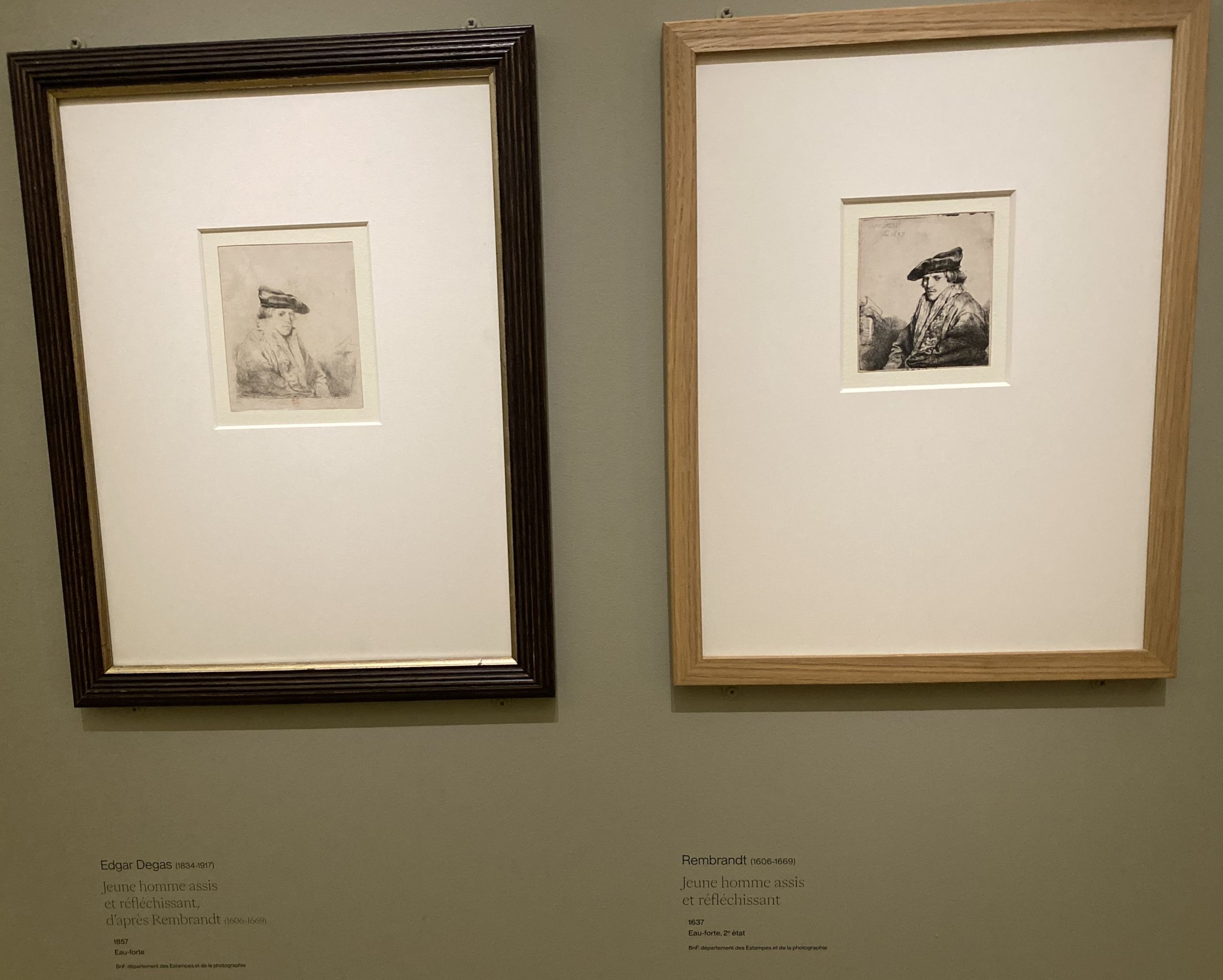
Jury
The are many forms of a jury. In many judicial processes a jury accompanies judges or the president of a jury in the preparing and voting on the verdict. In sports competitions or arts contests it is also common practice to have a jury of several persons to assist in the decision-making process. In academia we are also used to sit on juries to award Ph.Ds or academic positions or fundings. From famous film festivals (Cannes or Berlin) we know the tricky part to select jury members and supervise the proceedings of the jury to follow the official rules of how to accord prices according to a set of predefined rules. The basic proceedings are very similar irrespective of field of application, academia, film, music. Decision-making of the jury is usually based on some voting procedures, attribution of scores and summarising across jury members (to avoid or minimize the effect of corruption for example). Of course, there is a scientific literature on fallacies to avoid for juries themselves or in the selection of jury members.
The Concours Reine Elisabeth in Brussels 2023 has large jury. This year the enlarged diversity of the jury included the amazing lyric soprano Sumi Jo. The slightly more diverse jury (compared to 2018 song competition) might have contributed to the impressive participation of Asian singers in 2023. In competitions the quality of the jury has already a role in the number of international submissions you are likely to receive. Signalling diversity in the jury, therefore, is an important element of diversity of participants and probably intensifies competition through a broader reach. The winner of 2023 Baryton singer Taehan Kim performs a repertoire of Lieder and Arias in at least double the required 2 (European) languages. The impressive performances in the Demi-final with piano accompaniment and then the Final with the full Orchestra were cheered by the jury (in points) and the audiences as well. The repertoire of Taehan Kim ranges from Beethoven, Donizetti, Poulenc, Schubert, Verdi, Tschaikovsky to Schoenberg in the semi-final and from Wagner, Mahler, Korngold to Verdi in the final performance. Born in 2020, he certainly has a steep career in front of him, in addition to a potentially genetical predisposition as researchers just published in Science Advances 2023.
Praise goes to the accompanying pianist, the orchestra and the jury as well, which has encouraged diversity in applications and throughout the competition. An important training in cross-cultural competence for all performers involved. Rather than having a contest behind a curtain, for performers and/or the jury, the whole competition is an excellent piece of daring far reaching transparency of a jury’s work. Everybody online can still listen to the competition performances and judge (or train judgement) for themselves, because “the jury is still out”. 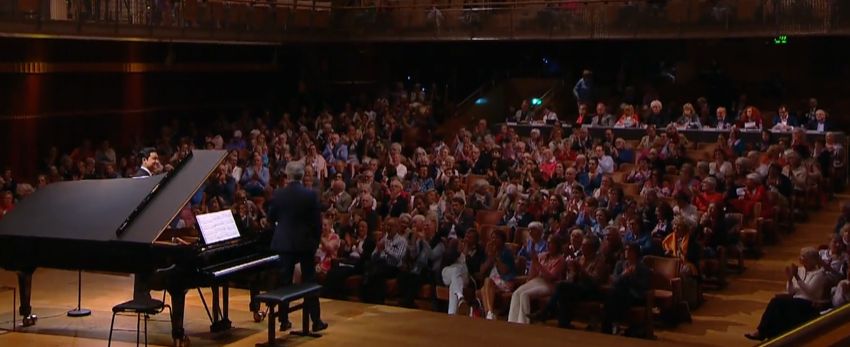
2P2R
2 Pinot 2 Riesling. That could be the long version of 2P2R. However, this far from (politically) correct. The not-joking scientific medical journal “The Lancet” (Vol.401 Nr 10391) has next to the article on “Laughter is the best medicine” coping with trauma, the serious matter of how best to deal with pandemics. Remember 2P2R as the important lesson from the pandemic. Prevention, preparedness, response, and recovery (2P2R) are key. And don’t forget about primary health care or essential (medical and other) workers. This is, in short, the message from Arush Lal and Nina Schwalbe (Paper Link). Lots of social topics involved in this correspondence from the authors. Prevention is a big issue and, as in the health system, fighting continuously for sufficient resources. Prevention is in most cases less costly than curing a disease. Preparedness has direct costs. Masks and ventilators need to be produced, stored and monitored in their functionalities. Response has to be immediate, masks in China a important but do not allow us to respond fast to local emergencies. Recovery can be long and costly as well, just as we learn from Long-COVID patients.
Now we need to define properly what is included in primary health care. Medical doctors, nurses and technicians of hospitals have to reach patients and hospitals in pandemics or need child care, food etc. and, maybe, also laughter to avoid trauma. Remember 2P2R, but best in company with your loved ones, but not on your own. 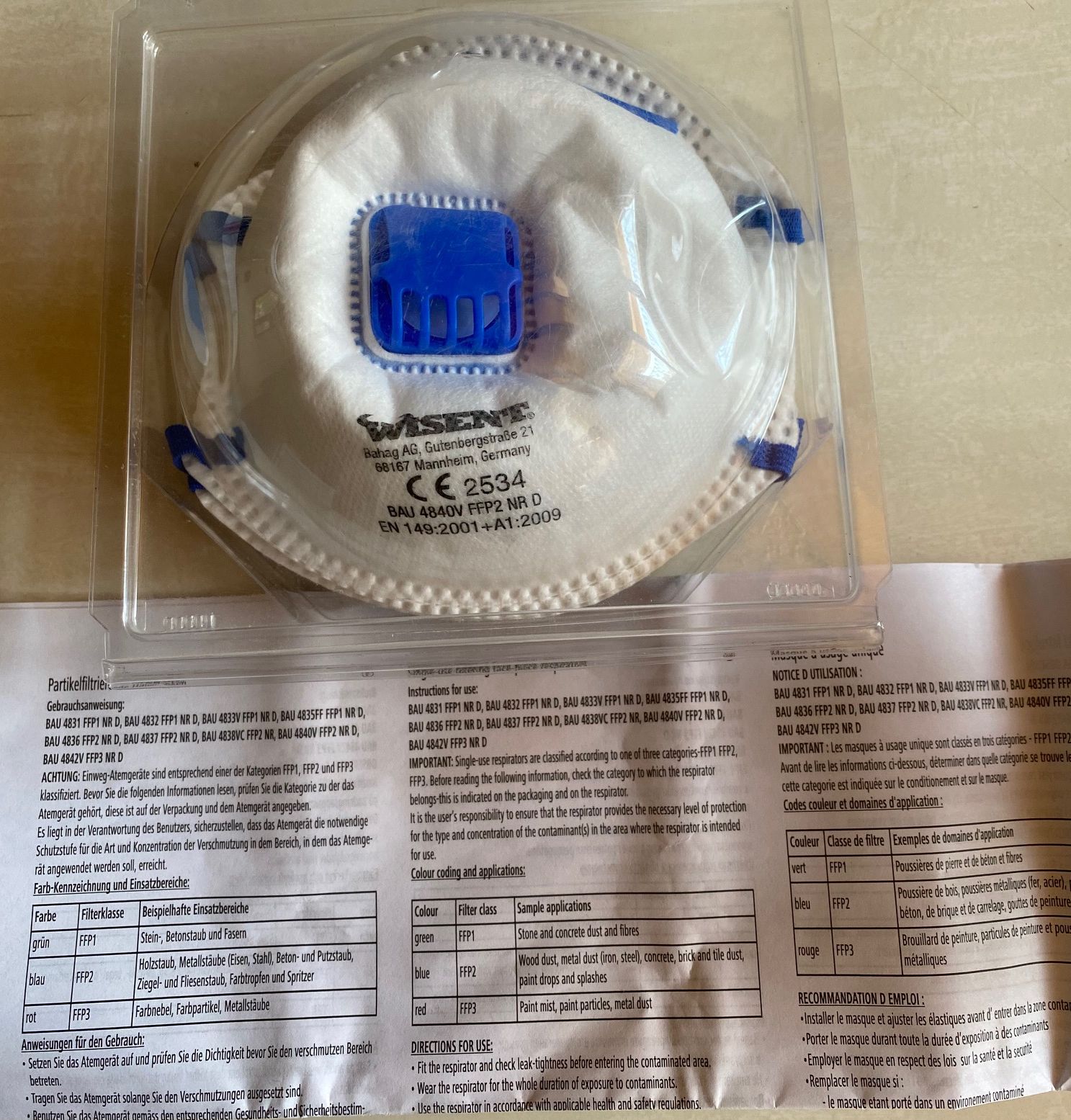
Sei ganz ruhig
Sei ganz ruhig. So heißt das kurze Gedicht von Angela Krauß und auch die erste Zeile. Es hat mich seit einiger Zeit schon begleitet.
Gerade der Eintrag zum Himalaya und den Besteigenden des Mount Everest hat mir die Zeilen erneut in Erinnerung gebracht. Für einige wenige besteht das Leben immer noch aus Sensationen. Immer höher, immer weiter, immer schneller. Dabei wissen wir, unser Planet hält das nicht aus.
Unsere Einkaufsmeilen suggerieren uns ein Übermaß an verpassten Gelegenheiten, wenn wir jetzt nicht zugreifen. FOMO (fear of missing out) ist allgegenwärtig und ein viel zu erfolgreiches Marketingkonzept, dem sich kaum eine Person entziehen kann. Die Selbsteinschätzung der Zeit, die uns verbleibt bis zum Tod (perceived time till death) oder unseres spezifischen Sterblichkeitsrisikos bezüglich Vermeidbarkeit oder allgemeinem Risiko, beeinflusst „unbewusst“ unser Verhalten. In Vergangenheit verhaftet sein, ist keine Lösung. Das Leben wird vorwärts gelebt, und rückblickend verstanden.
Bei einem gelegentlichen Rückblick wird vielen bewusst, es hat sich viel angesammelt (nicht nur im Keller). Aber mehr, muss es nicht werden, anders schon, besser vielleicht. Als Hommage an Angela Krauß mal ein 7-Zeiler, beeinflusst von der Konferenz im Europäischen Parlament „Beyond Growth“ im Mai 2023. Ruhig werden und ruhig bleiben, sollten wir beständig versuchen. Klein- statt Großschreibung, flache Hierarchien, Gleichstellung bei Wörtern und Sätzen. Warum noch Satzzeichen? Denk dir deine Welt, wiedewiede wie sie dir gefällt.
bleib ruhig
bleib einfach ruhig
la vie est belle tel quel
hab keine angst was zu verpassen
es bleiben jahre zu verweilen
schau mal umher
da ist viel

Gaslager
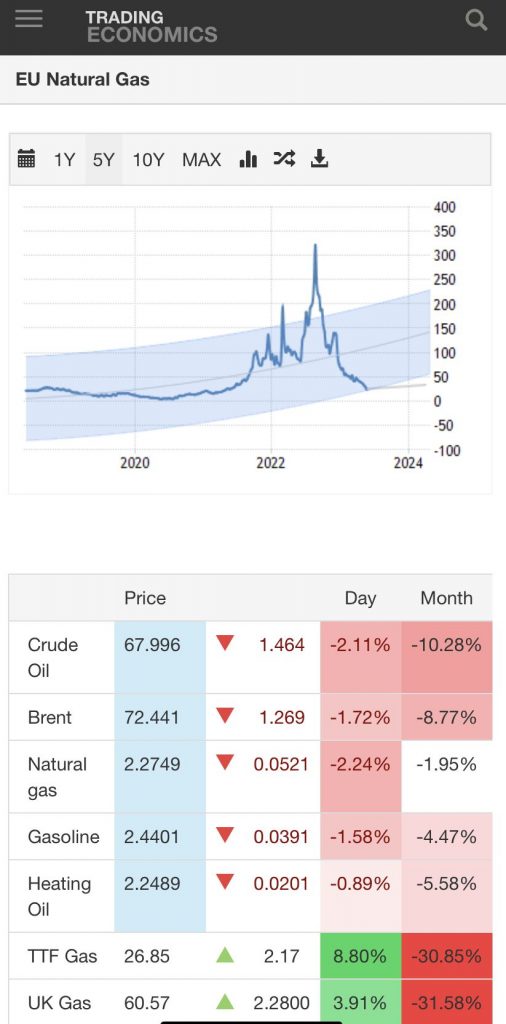
Der Gaspreis (TTF in Amsterdam) ist zum Ende Mai 2023 auf ein Tiefstwert von 23,50 € pro Megawattstunde zur Auslieferung einen Monat später gefallen. Der Unterschied zum Höchstpreis von ca 300 € übersteigt die Erwartungen der meisten Kunden. Das sind die Spekulanten und Zwischenhändler. Der Preis für die Endverbraucher bewegt sich weniger. Kartellbehörden in Europa müssen wachsam bleiben damit die Endverbraucher nicht zusätzlich zur Kasse gebeten werden. Gaslager für zivile und militärische Zwecke wurden vom Bund billig vor Jahrzehnten verkauft (Privatisiert) und sind jetzt wieder zu einer unverzichtbaren Infrastruktur geworden. Der Kapitalismus fällt immer wieder in seine eigenen Fallen durch exzessive Volatilität. Öffentliche Infrastruktur braucht langen Atem und sollte dazu dienen, die übertriebene Spekulation mit der zeit Grundversorgung der Bevölkerung zu vermeiden. Gaslager, Öllager, Wasserspeicher und Stromspeicher bei zentraler Stromerzeugung gehören dazu. Dezentrale Lösungen verstärken die Resilienz und Souveränität weiter. Europäische Solidarität hilft enorm, diese Herausforderungen zu meistern. Wichtig ist nicht nur der Einkaufpreis, sondern der Preis vor und nach Steuern sowie Unterschiede zwischen Industrie und Haushalten (Beispieldaten OECD 2014 für Jahr 2012, IEA Gas Market Report various years). Die ökologischen Sauereien rund um die Shale-gas Förderung in den USA haben uns wohl geholfen, besser durch die künstliche Verknappung von Gas für Europa durchzukommen durch die Erhöhung der gesamten Fördermenge. Ein weiteres “worst case szenario” zur Bekämpfung von Preisschocks. (Paper Link) 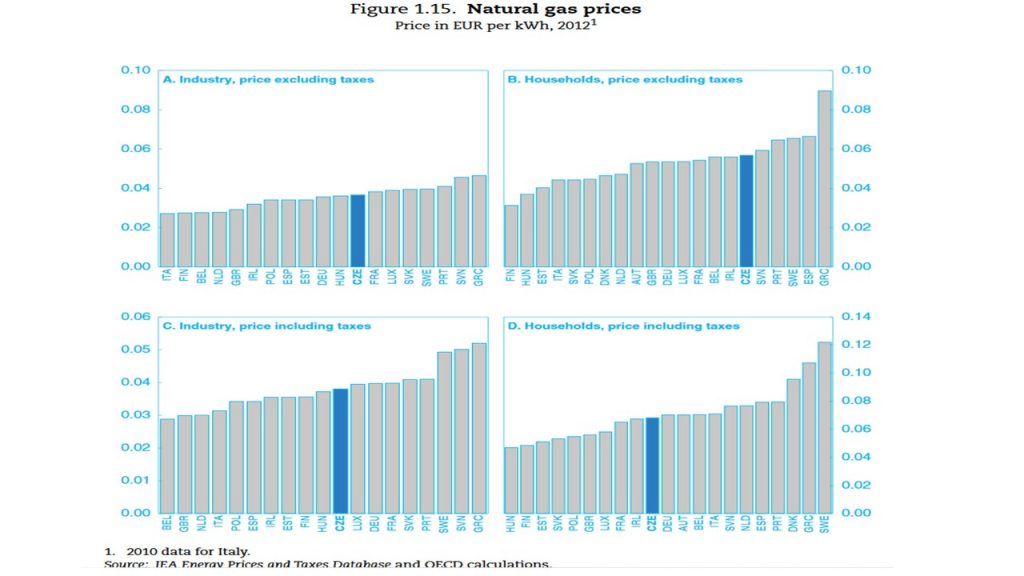
Birds
The study published in PNAS in May 2023 is demonstrating the loss in bio-diversity with respect to birds over last few decades. Our economic growth has caused considerable costs. Some of these costs we shall never be able to make up again. Species gone for ever, we should care. Measuring the loss is a first step in calculating the negative impact our economic growth models have already caused. Time to stop, repair and reverse as much as we still can. It is not fair to next generations to destroy a large amount of bio-diversity now and leave the exploited planet to “no-future generations”. A good documentation of the losses (radio-france-LINK) allows us to pin down who is most responsible for the losses. Agro-industry with the heavy use of pesticides is well known for the huge negative impact it has on bird populations and us as well. It is not only a European issue, but rather a world-wide issue. However, starting at home is a huge step to practice agriculture differently. Most of this is known for some time. It is the implementation of the necessary policies where powerful lobbying is successful to carry on as usual. Thinking “Beyond growth” delivers many useful perspectives and solutions to these problems. 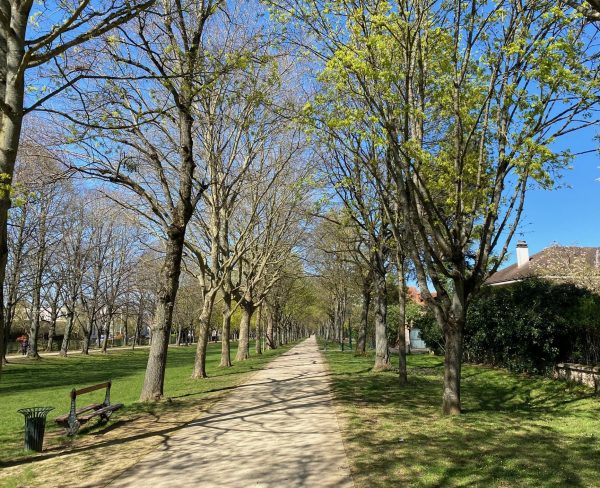
Repair 3
Repair is our new mantra. Think of repairing in all domains as of now. Nature is showing us the way how to repair in many ways. Culture is also embracing the shift towards repairing as caring. If we really care about our planet, and there is no planet B, we shall have to repair in many more domains. We are used to repair bicycles, cars, roofs, windows etc. Repairing is never boring. You can improve the performance of a device or building by repairing it, even with relatively small budgets. Isolation of buildings is a good example of investing in upgrades through repairing. Rather than throwing away a functioning heating system repairing it with an energy saving device is enhancing its performance and produces fewer emissions in the short run. Heat pumps are the way forward for new installations. Shifting a sector, heating with gaz, to ensure longer lasting repair and improve options would save a lot of raw materials and CO2 as well. The construction sector has repair work almosts in its DNA, the energy sector will have to make that shift as well. Dare to repair. 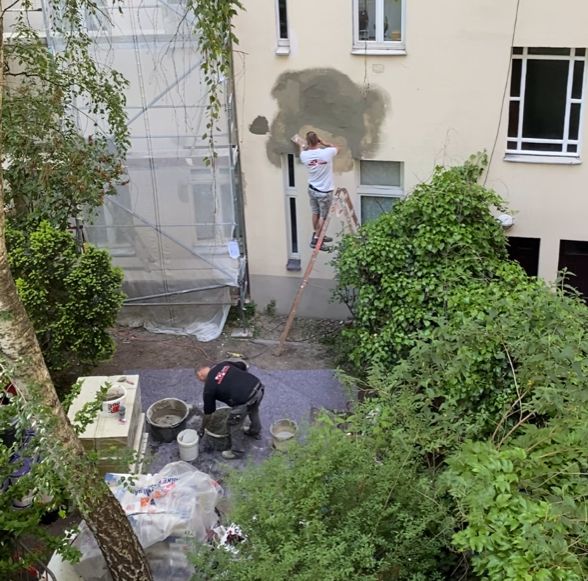
Krieg
„Zugunsten des Krieges kann man sagen: er macht den Sieger dumm, den Besiegten boshaft. Zugunsten des Krieges: er barbarisiert in beiden ebenfenannten Wirkungen und macht dadurch natürlicher; er ist für die Kultur Schlaf- oder Winterszeit, der Mensch kommt kräftiger zum Guten und Bösen aus ihm heraus.“ (Nietzsche, Menschliches, Allzumenschliches Nr. 444 S. 668).
Wir werden der Ukraine ermöglichen, ihre Kultur zu erhalten und gestärkt durch den Krieg zu bringen. Das können wir ermöglichen und gleichzeitig der von Putins Russland eingeleiteten Barbarisierung seiner eigenen Bevölkerung entgegen wirken. Nietzsche hatte das recht klar durchdacht und die Gefahren des Krieges kühl berechnet. In seinen aphoristischen Betrachtungen (u.a. Menschliches, Allzumenschliches) nachzulesen, lohnt immer mal wieder. Es schärft den Blick für zu schnell Vergessenes.
Die Einen dumm, die anderen boshaft gemacht. Es lässt sich damit nichts zugute des Krieges sagen, außer es werden Tendenzen, negative wie positive, verstärkt. Der Prozess der Zivilisation (Norbert Elias) wird auf barbarische Zeiten zurückgeworfen. Nur mit Erhalt und Förderung der Kultur kann dem begegnet werden. Die Ukraine ist auf einem vielschichtigem, demokratischem und kulturellem Weg in die Zukunft. 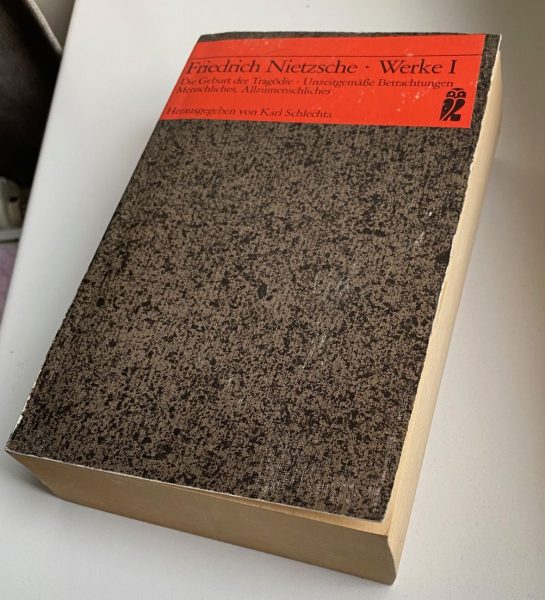
Essais
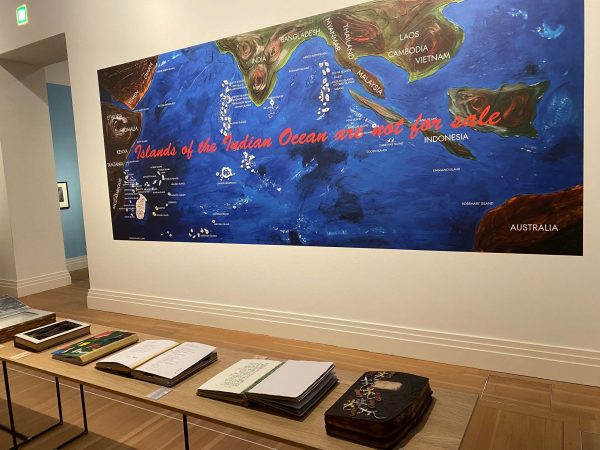
The essays written by Montaigne in the 16th century have re-established a way of writing on philosophy in short digestable small essays. These short essays became very popular at the time and the new technology of the 16th century invented by Gutenberg, the printing press, facilitated the wider spread of literature. Even Montaigne himself re-wrote on printed versions of his own work. The early adoption of the printing technology helped to spread literature in your own mother tongue rather than only in Greek or Latin for the clergy. Montaigne’s format of rather short notes, without a huge masterplan or encyclopedic approach, took readers along on the journey of scepticism, think on your own. Enabling the reader, how to doubt received wisdom, became an important milestone in the history of ideas and philosophy. Referring back to Seneca for example is also interesting as this Greek philosopher dealt with the topic of wisdom in his later life combining knowledge from different different scientific disciplines. Free independent judgment and the ability to argue and take different perspectives became later known as the foundation of relativism. It is still an important way to enable people to take and defend their own perspectives, just like the critical version of colonialism in the exhibition “Indigo waves“. Lichtenberg’s Aphorisms are another example of the independent mind writing down his ad hoc impressions as pieces of larger picture or puzzle. The literary puzzle needs several attempts to assemble the thoughts. Common to these writers is the freedom of thought and expression, still not a given in many parts of the world today. I would probably imagine the doubt as the origin independent thinking. “I doubt, therefore I am” would do much good not only in totalitarian countries. Rediscovering the usefulness of doubting as foundation to take new perspectives and to find new solutions is worth it.