Proud

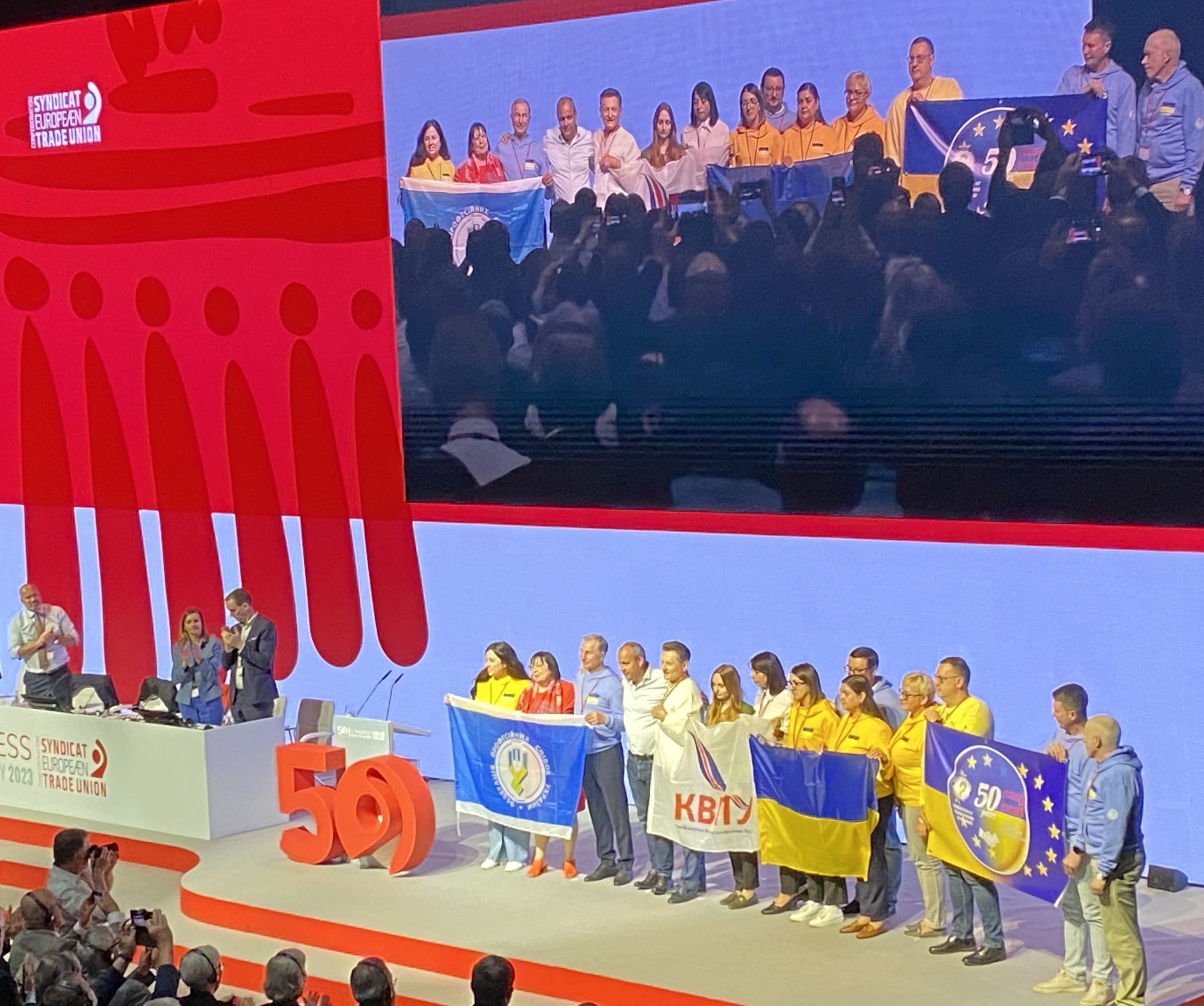
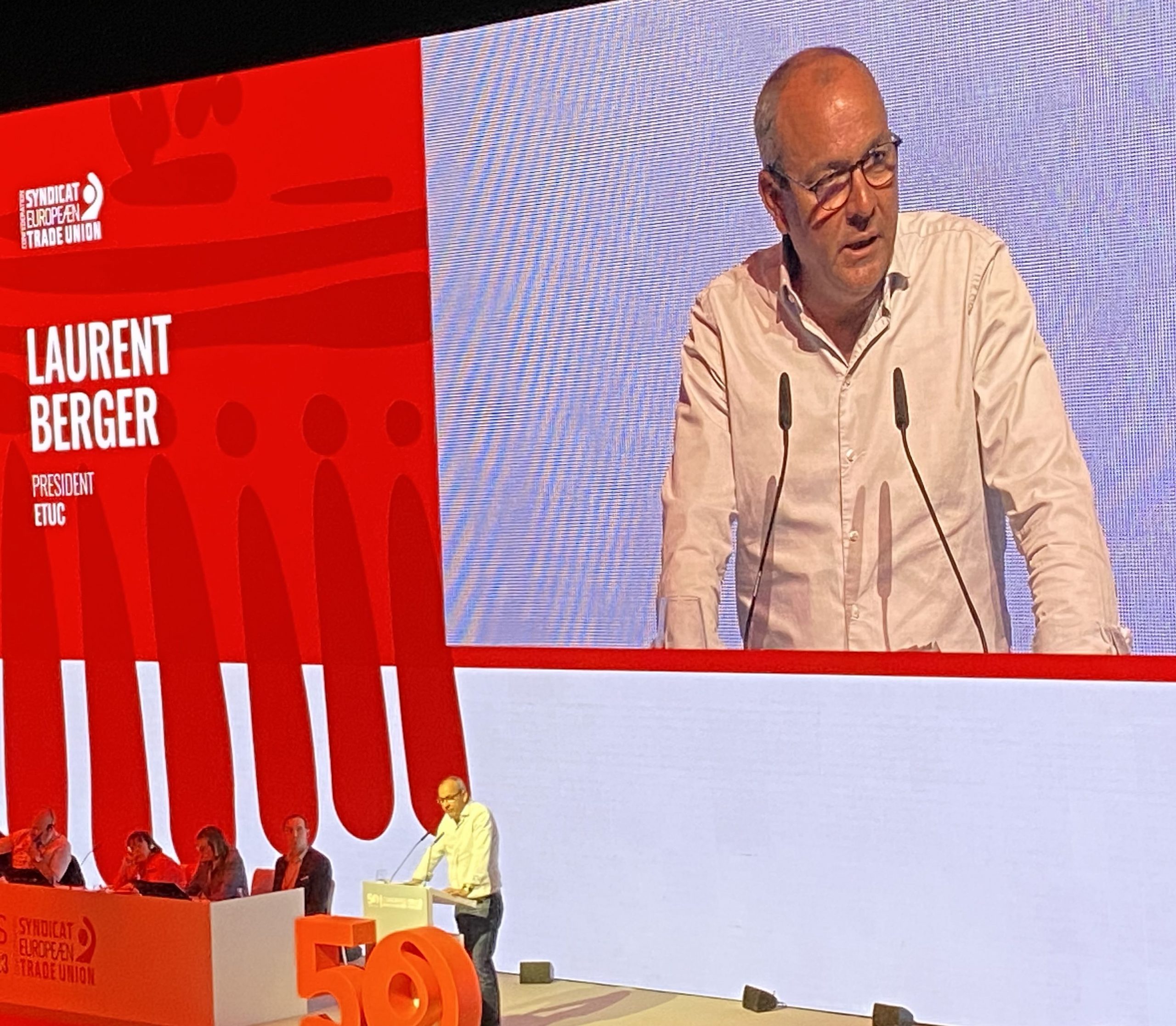
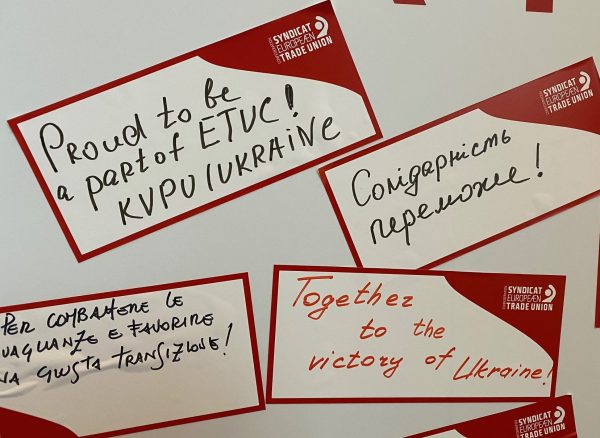
Proud to be part of the European Trade Union Congress. We take so many things for granted that we no longer really aware of the importance they have for our daily lives. Trade unions are part of these things. We only start to miss them when we no longer can count on their impact on legislation or collective bargaining as well collective agreements. In Ukraine 🇺🇦 lots of things we take for granted were destroyed by Russia from one day to the other. We learn from their courage to defend our common values like the freedom of association to form a truly independent trade union and to decide yourself which other unions in Europe to associate with. The Ukrainian unions made their choice and they are proud and committed members of the ETUC as of May 2023. Great to have met you in Berlin. We have a lot to defend together. Basic human rights and workers including their families need their and our support. This will remain a priority as well as a challenge. Thank you for the sticker on the wall of greetings for 50th anniversary of the ETUC.
 

Frau, Leben, Freiheit

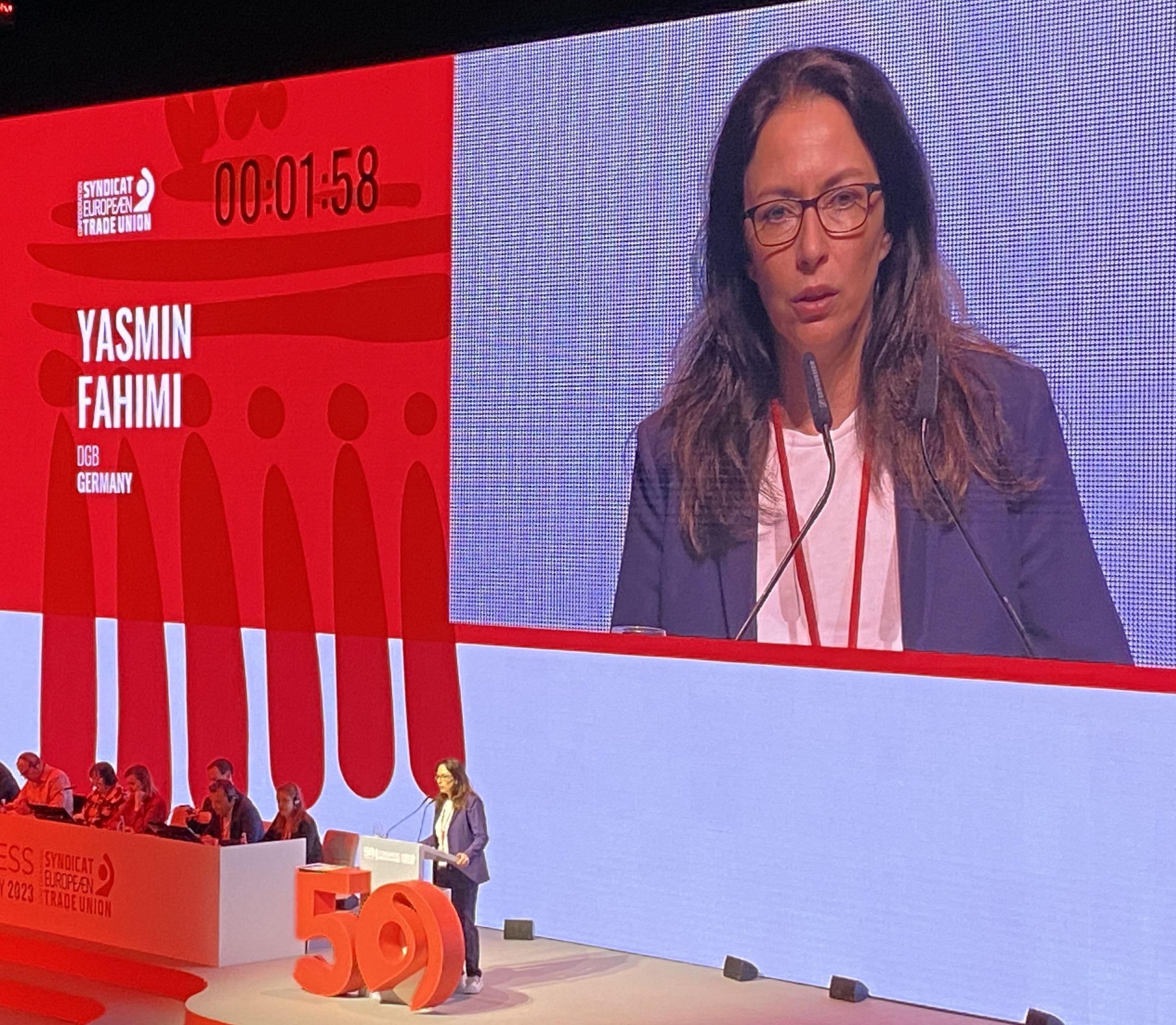
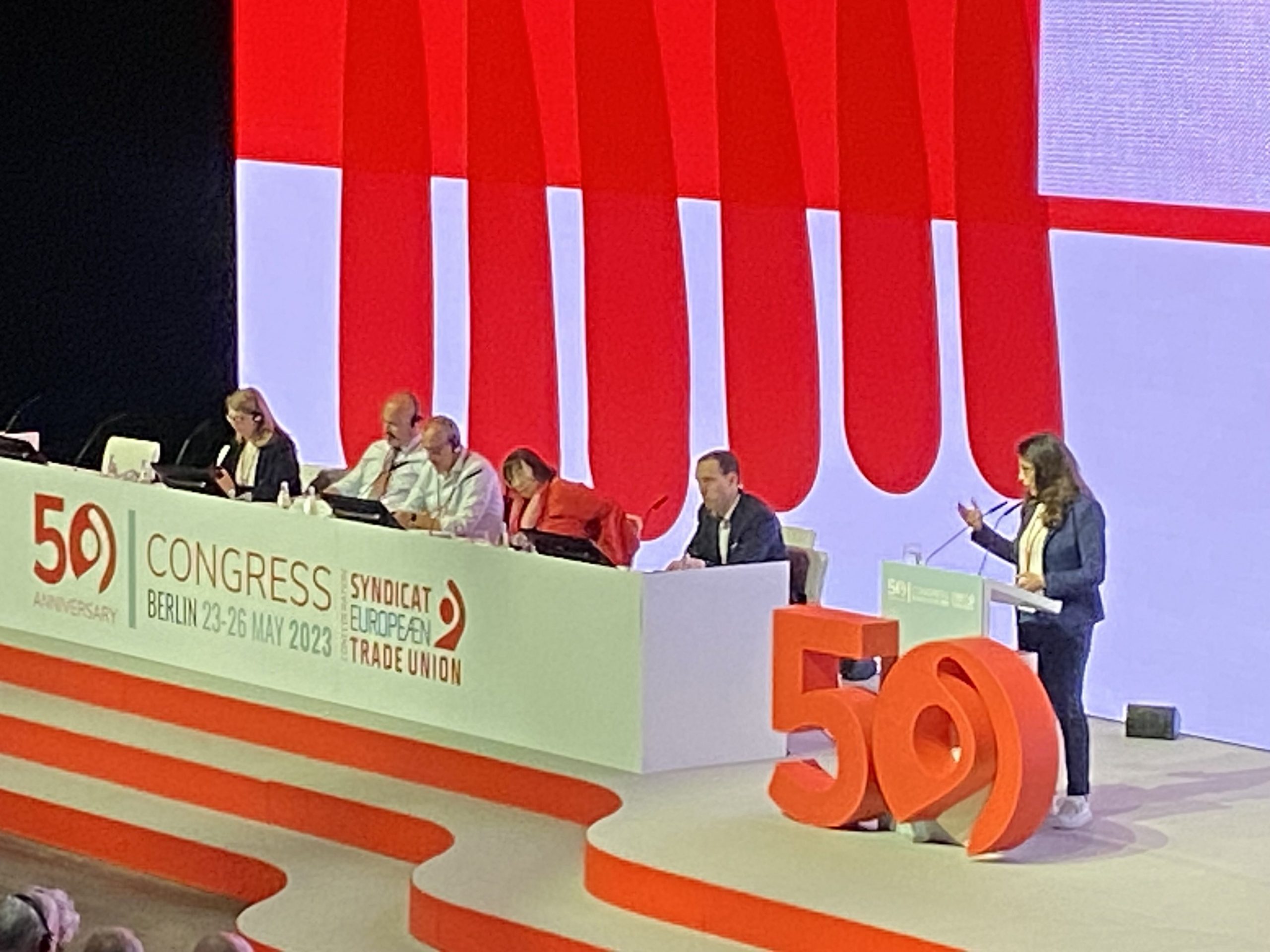
Seit der brutalen Tötung einer Frau im Iran gehen viele Iranerinnen und Iraner auf die Straße. Als Zeichen ihres Protests rufen sie: Frau, Leben, Freiheit! Das ist und bleibt eine kurze Zusammenfassung für die Forderungen der Frauen, die trotz massiver Unterdrückung unablässig demonstrieren. Viele Hinrichtungen und Misshandlungen von Frauen werden wir weiter anprangern und fordern den internationalen Druck auf das Regime im Iran zu erhöhen. Wir dürfen nicht wegschauen, sondern werden weiterhin die Öffentlichkeit wachhalten. Diese aktiv für Menschenrechte eintretende Stellungnahme wurde von Yasmin Fahimi (DGB-Vorsitzende) eindrücklich auf dem EGB-Kongress vorgetragen. Mit überwältigender Mehrheit wurde diese Resolution vom Kongress befürwortet. Die italienischen Gewerkschaften stimmten gleich ein in den Ruf: Donna, Vita, Liberta!
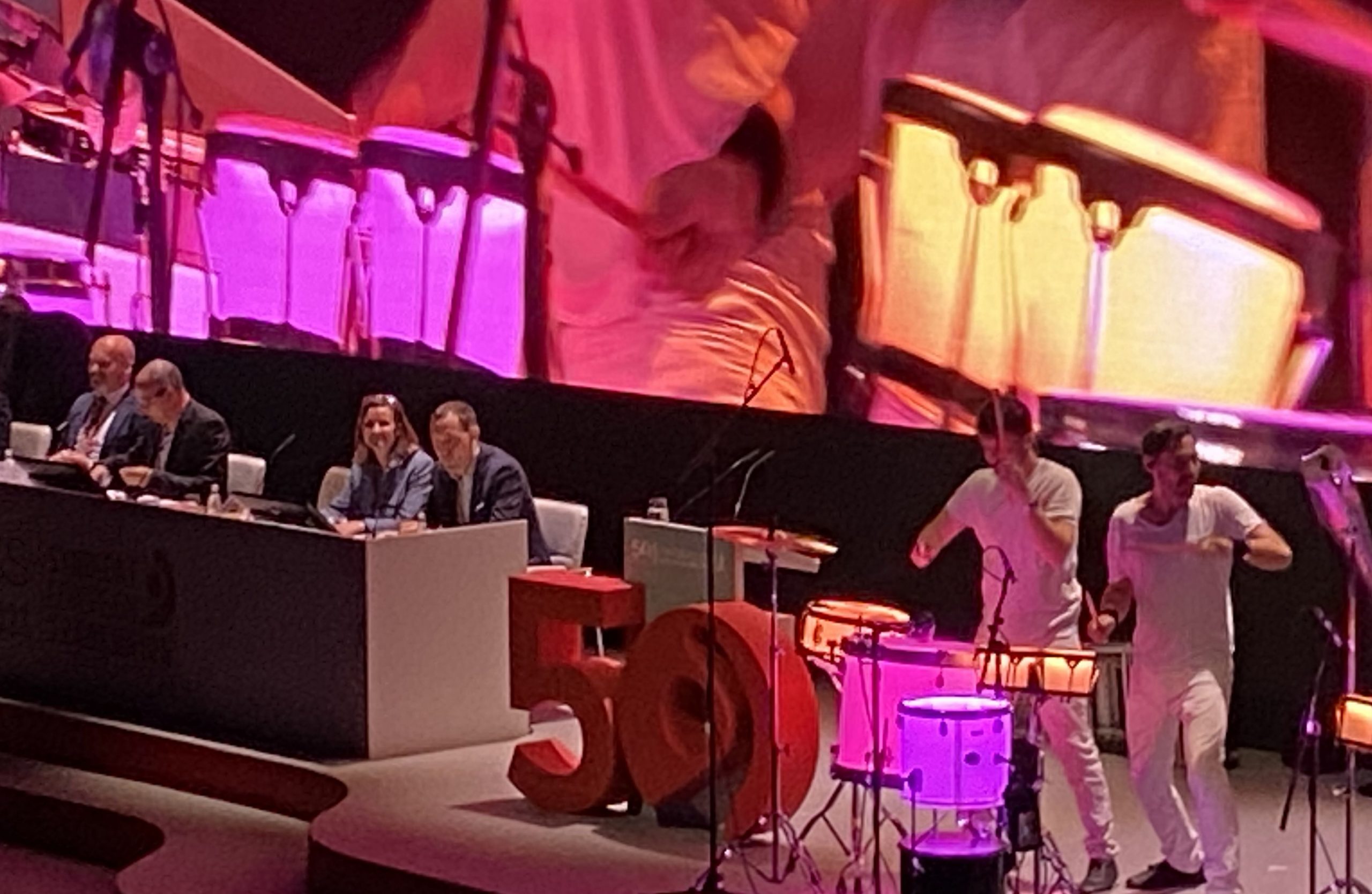
Bravi! So rufen viele sonst eher in den Opernsälen. Hier passt es zu der Stimmung auf dem EGB-Kongress. Mit großer Einigkeit und ausgeprägter Solidarität wurde eindrücklich Stärke bewiesen, die auch über Europa hinweg Strahlkraft besitzt. Bravi! Kurzvideo EGB-Iran-Resolution Yasmin Fahimi  und italienischer Support. EGB-Iran-Akklamation-IT.

Democracy is key

The ETUC congress in Berlin 2023 prepares the working agenda for the next 4 years. A lot of support across political parties is voiced in favour of the important role the ETUC plays in coordinating the European Trade Union Movement. The democratic forum of all delegates works before and during the congress on a comprehensive list of essentials for the movement. It is much more than about wages, as most people might believe. Of course, minimum wages and fair wages are always high on the agenda. The strength of the 2023 Berlin congress for me consists in the widespread and loud call to intensify democratic structures and broaden participation of workers at all levels. The power of the unions to fight for democracy is dearly needed in all European nations with the threat from far-right populist movements. Strengthening workers is the best way to foster democracy. Throughout the congress several support facilities have been mentioned like the SURE instrument as a step into a European labour market policy.
Public services have also enjoyed more popular support, since essential services were the jobs that kept our countries running during the COVID crisis.
A just transition to a green economy in a democratic spirit means taking everybody with us on this journey. Fighting poverty, inequality is still high on the agenda and most people are convinced that democratic societies are highly sensitive to injustices caused by education systems, remuneration systems, retirement systems and tax systems. Even industrial policy, to guarantee our independence and values, is also linked to essential workers cooperation.
Weak social policies erode the trust in our societies to handle crises. The engagement of trade unions is felt far beyond Europe. Gilbert F Houngbo (ILO), hopes that due diligence is rapidly implemented in Europe, because it will benefit workers well beyond Europe across the world.
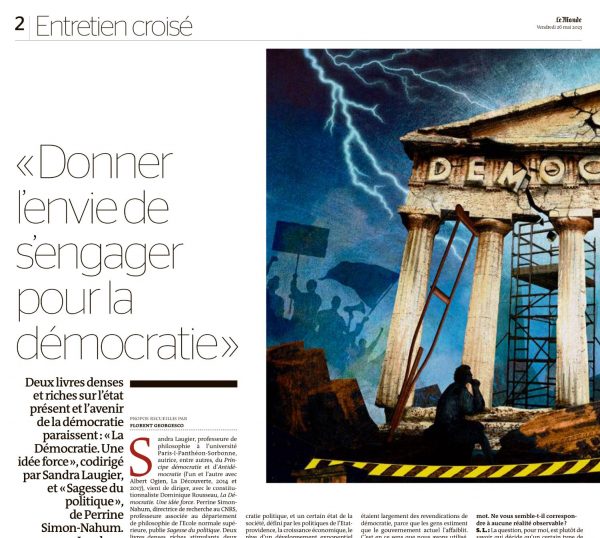
Union leaders were arrested in Belarus and in many other countries where they stand for democratic values. Trade Unionist from Europe have shown their own commitment to fight for democracy and mobilize to convince more people and youth to join the movement. “Donner l’envie de s’engager …” (LeMonde 26-5-2023 p.28) “Raise the urge to get involved” – that is the democratic challenge.

Gewaltmonopol

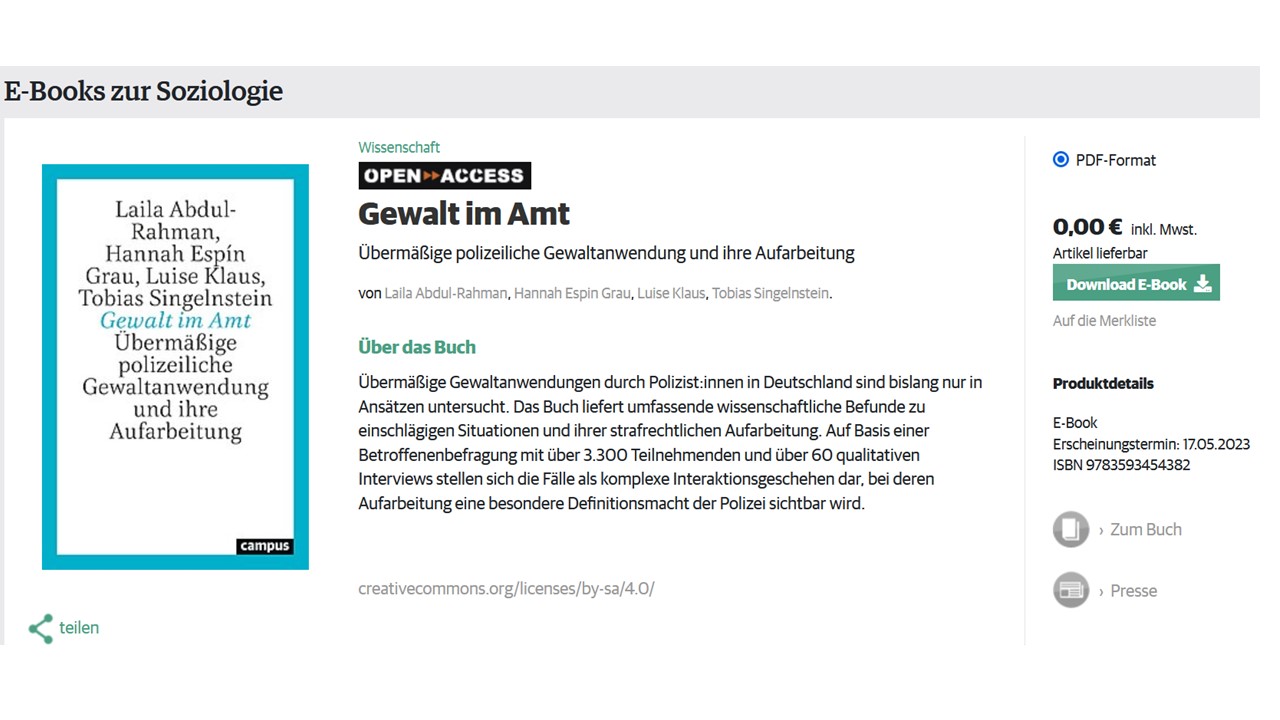
Für Demokratien ist die Frage des Gewaltmonopols eine sehr entscheidende Frage. In gleichem Atemzug muss dabei die demokratische Kontrolle dieses Monopols gewährleistet sein. Verfassungsrecht in Demokratien ist darin eindeutig. Lediglich die Praxis des Rechts gestaltet sich oft schwierig und durchaus wechselhaft. Die Studie von Laila Abdul-Rahman, Hannah Espin Grau, Luise Klaus und Tobias Singelnstein (2023 bei Campus kostenlos downloadbar) greift das wichtige Thema mit einer repräsentativen Studie von 3300 Opfern polizeilicher Gewalt in Deutschland auf (Zusammenfassung). Anders als im amerikanischen Raum fehlt bei uns bisher die Berücksichtigung von Rassismus und räumlicher Verortung in der wissenschaftlichen Aufarbeitung des Geschehens. Das Interaktionsgeschehen oder Eskalationsstufen (S. 31) bieten einen weiteren Ansatzpunkt zukunftsweisend präventiv tätig zu werden. Die Aussetzung der Strafverfahren gegen Polizeibedienstete wegen Gewaltausübung (Körperverletzung) ist mit 93% aller Fälle außerordentlich hoch. Das Kapitel 8 (S. 307ff.) über die strafjustizielle Aufarbeitung offenbart die Randbedingungen der justiziellen Verfahrensweisen.
Das Gewaltmonopol darf nicht in Frage gestellt werden, aber sobald Gewalt des Monopolisten unverhältnismäßig und rechtsstaatlich ungenügend kontrolliert wird, kommt eine politische Gewaltenteilung langsam ins Wanken. Die wehrhafte Demokratie braucht Polizeigewalt, um beispielsweise das Demonstrationsrecht durchzusetzen oder öffentliche Veranstaltungen zu sichern. Aber die Exzesse polizeilicher Gewalt müssen geahndet werden. Solche Anklagen finden wir in England anlässlich der Krönungsfeier, in Frankreich bei Streiks oder Fußballspielen oder in Belgien bei Gipfeltreffen oder Räumungen von Flüchtlingslagern. Das ist keine Randnotiz. Friedlicher Protest ist wesentlicher Bestandteil von Demokratien. Einschüchterung durch Gewaltanwendung ist Teil der dunkelsten Kapitel und muss entschieden unterbunden werden im Friedensprojekt Europa.

Jahrestage

Jahrestage sind die Geburtstage von Organisationen oder zeitgeschichtlichen Dokumenten. Der 23. Mai ist so ein Jahrestag. Alle BundesbürgerInnen sollten an diesem Tag die Verkündung des Grundgesetzes im Jahre 1949 feiern. 75 Jahre sind das in 2024. Die Ostdeutschen hatten mit den Füßen abgestimmt, dem Geltungsbereich des Grundgesetzes beizutreten. Eine gesamtdeutsche Verfassung lässt noch auf sich warten. Provisorien halten oft ganz gut.
160 Jahre SPD, feiern wir etwas verhalten, ob der enttäuschenden Wahlergebnisse der heutigen Sozialdemokraten beispielsweise in Berlin (außer in Bremen Mai 2023). Der Allgemeine Deutsche Arbeiterverein (ADAV) von 1863 in Leipzig begründete die lange Tradition und der Kampf für Rechte der Arbeiter. Zu dem Jahrestag der Sozialdemokratie passt der am 23.5.2023 in Berlin stattfindende Kongress, gleichzeitig zur 50 Jahre-Feier des Europäischen Gewerkschafsbundes (EGB). Viele Sozialdemokraten haben dabei Anlass beides zu feiern. Ferdinand Lassalle, Gründer des ADAV, forderte aufgrund seiner These vom „ehernen Lohngesetz“, die Armutsbekämpfung zu einem Hauptthema zu machen. 160 Jahre später feiert der EGB in Berlin auf seinem 15. Kongress die erfolgreiche Arbeit für eine europäische Richtlinie für Mindestlöhne. Manche Sprünge brauchen sehr viel Anlauf.
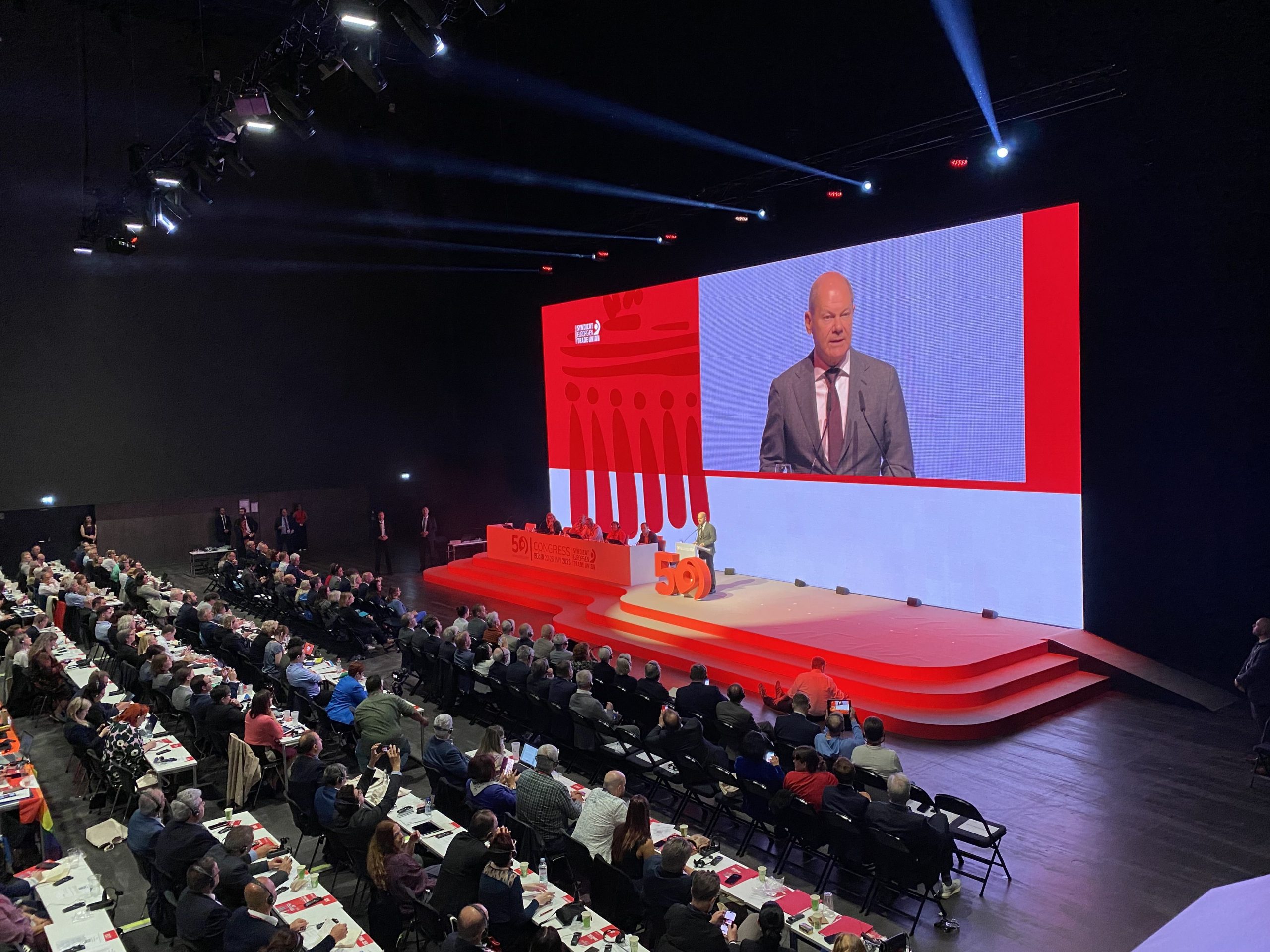
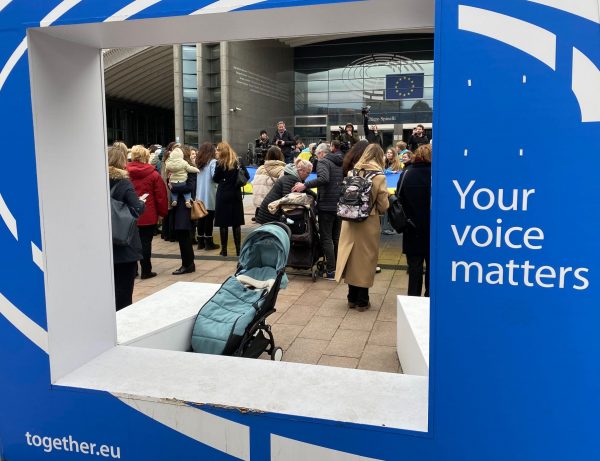
Weiter hinten in der Warteschlange der Aufmerksamkeitsökonomie der Jahretage reiht sich der 25. Jahrestag der Europäischen Zentralbank am 24.5.2023 in Frankfurt ein. Auf allen Feiern gibt es einen persönlichen Vortrag des deutschen Bundeskanzlers Olaf Scholz (gerade zurück aus Hiroshima und Südkorea). Sein Ausrufen der „Zeitenwende“ (Artikel in Foreign Affairs) wird deutlich in dem tösenden Applaus für die Aufnahme der Ukrainischen Gewerkschaften in den EGB (Bild unten) auf dem EGB-Kongress, der quasi im Laufschritt von der DGB-Vorsitzenden Yasmin Fahimi eröffnet wurde. Jahrestage können wehmütige Blicke in die Vergangenheit sein. Dem EGB-Kongress ist ein zukunftsweisender Auftakt „à la Zeitenwende“ gelungen.

Gentrification

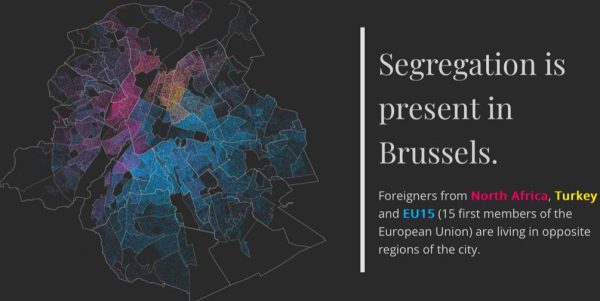
We teach about the process of gentrification and segregation in sociology in most of our courses. Consulting is also busy with telling policy makers, urban planners and architects about this fundamental social process. A mathematical description of the process has been provided by Schelling as well. A recent striking depiction of the process evolving over years in Brussels is produced by Karim Douieb (dataViz and Jetpack, image below! and more, THANKS). The data is from the Brussels institute of statistics and analysis. Policy-makers have a hard time to work against the well-known tendency: birds of the same feather, gather together. Humans do not seem to be much different, at least when it comes to large metropolitan cities. Only a small China town is missing in Brussels.
What is masked in the grouping by nationalities of residents, is the underlying mechanisms that drive this gentrification. Even previously mixed parts of the city might suffer a slow process of erosion due to educational, job, wealth, poverty and housing differentiation between people and Brussels communities. Falling behind in educational achievement, then higher unemployment leads to lower credit worthiness and residence in less comfortable housing. The Belgian and EU15 residents are much more likely to follow virtuous upward mobility. Hence the process of gentrification trickles down through subsequent generations. Start with learning and socialising of kids and adult learning to overcome the discriminatory process. Ethnic communities will also have to open up to interact with locals. Social progress is hard work for all.

Design Start-up

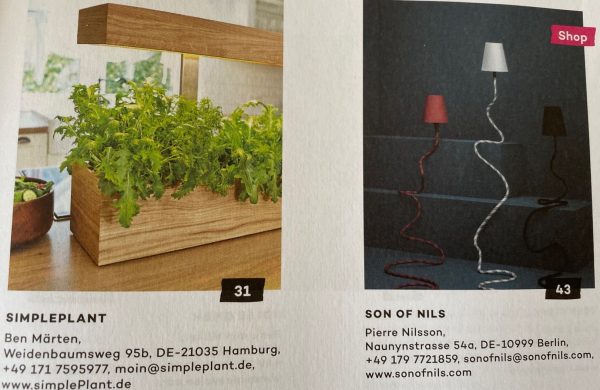
Es war wieder Designmesse. Klein, aber fein, in Berlin in den KantGaragen. Die Location weckt schon Hoffnung auf Experimentelles, Garagenhaftes, Handwerkliches. Das bringt Abwechslung in die sonstige, glitzernde Shoppingwelt. Das renovierte und entgiftete Parkhaus erlaubt einen Rundgang über mehrere Etagen, vorbei an Galerien und Ständen von DesignerInnen. Es macht sich eine anregende Brise von erfrischenden Ideen breit. Von Design im Raum mit Leuchten und Möbeln über Design von Mode und Schmuck lässt sich viel Schickes finden. Blickfang, samt Blickfang Akademie haben es geschafft, die Mini-messe in den KantGaragen zu etablieren. Es kann sogar Eintritt verlangt werden. Eine weitere Begleitung der Neuen auf dem Markt wird oft nötig sein, denn selbst gute Innovationen sind meistens keine Selbstläufer. Konkurrenz belebt nicht nur das Geschäft, es bleibt meist auch ein Verdrängungsprozess.
Die großen, vielfach schließenden Kaufhäuser in den Innenstädten spüren besonders die Konkurrenz der individualisierenden DesignerInnen mit ihren einzigartig anmutenden Realisationen. Singuläre Kauferlebnisse auf solchen Messen, in stilvollem Ambiente, selbst in einem alten Parkhaus sind, allem Anschein nach, ein Erfolgsrezept. Start-up statt Close-down schafft viele erfüllende Arbeitsplätze. Gute Arbeit wird nicht aussterben, sondern durchstarten.

Put People First

Put people first is a natural claim of human beings. We tend to abstract from the fact that we implicitly rely on a sufficient biodiversity for our survival. Therefore, the natural claim to put people first has many preconditions itself and severe implications. The most obvious implication is related to our world of production and consumption. We need to build an economy that serves its people rather than one that uses up human resources and discards people to an inferior rank of importance. Externalising health and safety at work to save money in the process of production will only cost society much more later on. This needs to be part of the balance sheet of companies not only “national accounts” or relegated to some health statistics hardly known to the public.
Put people first in consumption, has come to our attention recently. With energy prices rising due to Russia’s war on Ukraine territory we have learned that energy prices may be grossly distorted. Firms’ versus consumers’ energy consumption became a thorny issue. Even legislation, like in Germany, that put people’s energy consumption before companies’ consumption of energy became subject for debate.
Same issue with artificial intelligence. Let’s put people first here as well. Discriminating use of language or biased conclusions due to wrong data input to train AI is not acceptable as excuse. AI may serve humans in their work or leisure, improve production lines through error detection or early onset of disease, but it cannot replace the human verification of a just or otherwise justified human intervention. Humans are not perfect, never will be either. This is a tough rule to teach the algorithms that guide AI. Put people first has a strong interpersonal or solidarity element enshrined in it. This is what matters, now, in the medium term as well as the long run.

Beyond growth

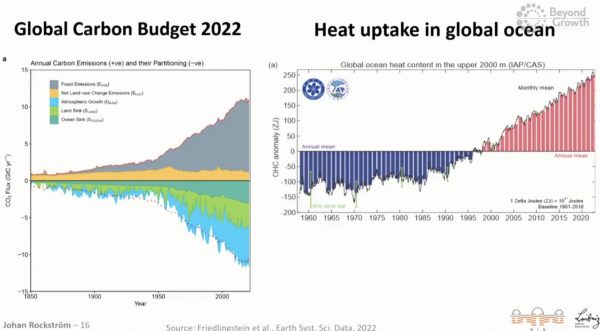
We have reached the bio-physical limits to economic growth much earlier than most people and experts expected. The “Beyond growth conference” at the European Parliament 15.-17.5.2023 is quite unanimous in this verdict of collective failure. Some advocate “degrowth” in various forms. Maybe the framing of how to address the vital topic of how to set objectives for a post-growth economy needs an even broader perspective. It is a global issue, but the industrial growth societies around the globe will have to work together to find and implement solutions. The worldwide conference COP-XY are hardly delivering on the issue. At best they satisfy the ego of political leaders to address important issues providing nice images from nice places in the world (Paris agreement) to advance their own political campaigns.
From an economist’s view rather than solving a very complex issue with uncertain outcome, it is more instructive to, for example, start to produce the same economic and social well-being by using much less natural resources above all climate-toxic elements (Carbon-dioxide CO2, Chlorofluorocarbons CFC, or methane). These are simple first steps with a rather immediate effect. After the recent crises we have learned to safe resources (heating) and reduce mobility, just continuing on this trajectory is feasible. Vastly excessive forms of consumption need to be capped through targeted taxes that allow redistribution or investment in reduction of pollution. It isn’t hard to do, or “It’s easy, if you try“, we might sing.

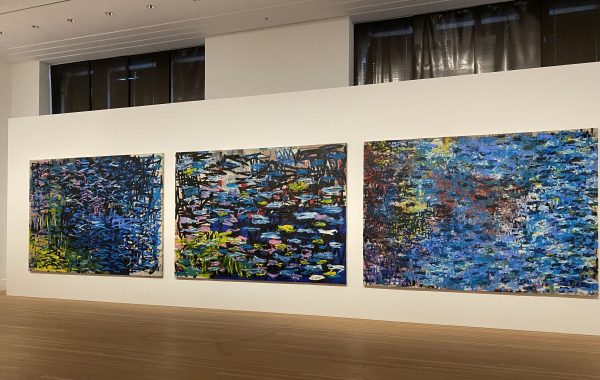
Indigo Waves

„Indigo“ is an almost mystical colour. Its deep blue nature refers to profoundness and in combination with oceans to a surprisingly still largely unexplored world of biodiversity. Additionally, in association with endlessly forthcoming and retreating waves, indigo reveals its many possible shades. Oceans separate or link continents and it is this feature of Oceans which is explored in the exposition “Indigo Waves and Other Stories” (Gropiusbau). Beyond our all to common focus on the transatlantic relationships, “Indigo Waves” explores the links between the African and Asian continents. Embarking on a new narrative for the Afrasian Sea, i.e. the Indian Ocean, we are taken to new horizons through the continuous challenge to our value systems, comprehension of art, poetry or culture more generally. The exposition, through multiple challenges, succeeds in displacing us into the context of other perspectives. Following Oscar Murillo, imagine to view the water roses from Claude Monet (Les Nymphéas) from below the surface. What do you expect? In Europe? Near a barrier reef in the Indian Ocean? Beauty is often not visible at first sight, yet it is co-determined by the currents that build and potentially destroy it (compare photo from exhibition below). The balance of social ecosystems is easily messed-up just like the beauty of ecosystems in nature. “Indigo Waves and other stories” tells us other versions of the colonial stories most of our history books told us for centuries. It is an eye-opening exposition, but probably not the way we expect. Following a poem towards the end of the exhibition by Tishani Doshi “Do not go out in the storm”, we are drawn into the ambiguity of our existence irrespective of the continent of origin. Jack Beng-Thi preserves a poem from Jean Joseph Rabearivelo in his artistic book creation and installation to bring to light “indigo waves”. “vos yeux clignotent dans l’azur, et je les appelle : étoiles. ” (Translated suggestion: “your eyes blink in the blue sky, and I call them: stars).