Summers and Markusen (1999) subsume state terrorism under the broader heading of collective violence. Even beyond non-governmental groups, states might apply collective violence against innocent people. Among the strategies governments use as a form of collective violence fall (1) arbitrary arrests, (2) imprisonment without trial, (3) torture and (4)a summary execution of members of alleged enemy groups. Particular outcries are caused by, for example, police or other para-military groupings of persons who jump from (1) to an execution of an innocent person or of several even seemingly unrelated murdered persons (4b).
Amnesty International attempts for decades to fight against such occurrences on an almost global scale. The need to complement the national legal systems through supra-national instances as well as NGOs in this domain is obvious. Even the most advanced democracies need to permanently check their systems for several forms of state terrorism or abuses of power to eliminate or intimidate opposition.
Staub (1999, pp.195) undertook an attempt to list elements that allow to predict and maybe prevent collective violence. The theory starts with “conditions of life” more generally like economic, social and political conflicts as well as rapid social change. Activation of basic needs in people, like several forms of security, challenges to a person’s self-concept, traditional values, simply the customary way of life (COVID-19) or new comprehension of (climate) realities, they all challenge old world views of people (superiority) and their place in the world (AI).
Claims for support by other people (government), missing connection to others (individualism) lead people to focus more on their own needs and isolated action. Rebellion as collective violence is directed against differences in status, power and (social) rights. Self-interest is becoming an overriding societal principle. Racism (p.200) and police violence (p.201) are part of Staub’s theoretical considerations. He argues in favour of training of situations in which a police officer is likely to become unnecessarily violent or to stop it if it occurs. At least a medium-term solution.
Framing of such training as preparation of good teamwork rather than betrayal is crucial in action teams, be they in the police or the military. The reader on “violence subie, violence agie” by Seron and Denis (2000) allows us to take a step back and reflect on the spirals and repercussions involved in violence from the perspective of the person who carries out an act of violence and the victim. A social-therapeutic approach aiming at reconciliation is worth trying, albeit a lot of obstacles. Collective dance rather than collective violence is the immediate as well as long-term solution (More on dance here). 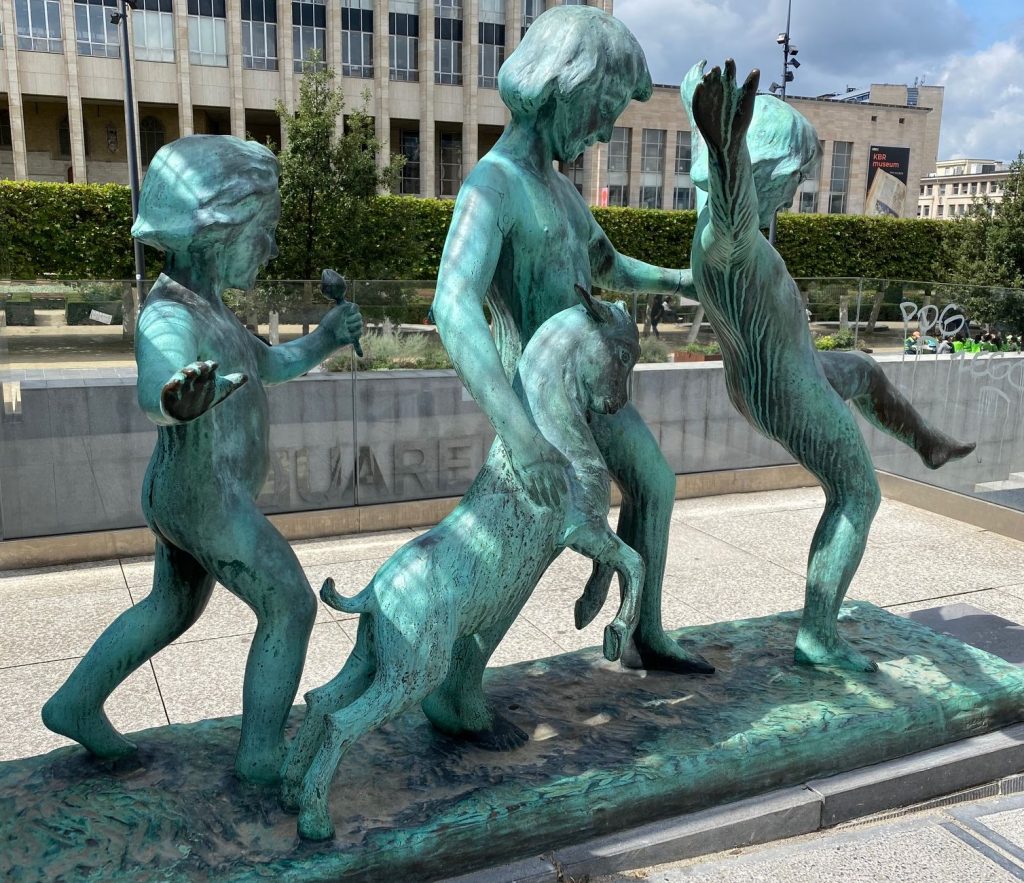
Police Violence
As a test of the viability of ChatGPT you might enter Police Violence. What you get in return is just a summary of some nice newspaper-ike editorial of a polite statement that this is a problem about everywhere and that the division of power will take care of it eventually. This is an unfair summary, but it highlights the risk of too many conservative editorialists in Europe that do not dare to take sides of the innocent youth that is at a permanent risk of police violence due them living on the margins of our modern, fast-moving societies that do not allow for lifestyles off-the-normal “protestant work ethic”.
Perceptions of what is fun and what is serious differ within societies, particularly between generations. Baby boomers have known and many experienced unemployment. Youth today has “precarious jobs” just around the corner. But just having “any” job without any career potential or, at best, on the minimum wage is no longer enough. Social media show that there is much more to life than just a 8-5 normal job. High-streets are full of marketing tricks that solicit people into spending without cross-checking their red lines.
Police and the flourishing private security sector are then charged to ensure that boundaries of financial and spending power are respected. This is exactly where the capitalist market economy fails the people. Without a tough police, ensuring property rights, the system cannot survive. Social market economies claim to soften the borders between have-nots and have-too-much. This needs permanent readjustment. That is where many of our social market economies have failed the poor and even middle-class people threatened with economic and status decline (latest at time of retirement).
Reactions may turn out violent, and again, the police is sent in to “stop” violence. As it turns out police, being abused as “political weapon”, may then become overly violent as well. Not as an overall force, but specific units or just several individual persons who have been trained in anti-terror exercises and have “a license to kill” (007). French legislation has recently facilitated the use of guns to impose the monopoly of power. The probability of who constitutes a potential target might be interpreted by the police itself. A threatening situation is perceived differently by different persons. Too much room for interpretation.
The image of the French superpower that is threatened by a 17-year-old youngster is not credible. It is time to sharpen the control of the police also in France. ChatGPT only on special addition includes the social movement of “Black lives matter” in the return on police violence. If you know the topic you can make use of the AI tools in drafting on police violence for example. Rather than to spend billions on fancy Olympic Games in preparation for Paris 2024, youth programmes would be much better investments in the medium and long run.
Tourists cancel visits to Paris and France in masses already. That is probably the only lesson that receives sufficient attention in the current government and may lead to better control of violence not from some pick-pockets, but from the police as well. 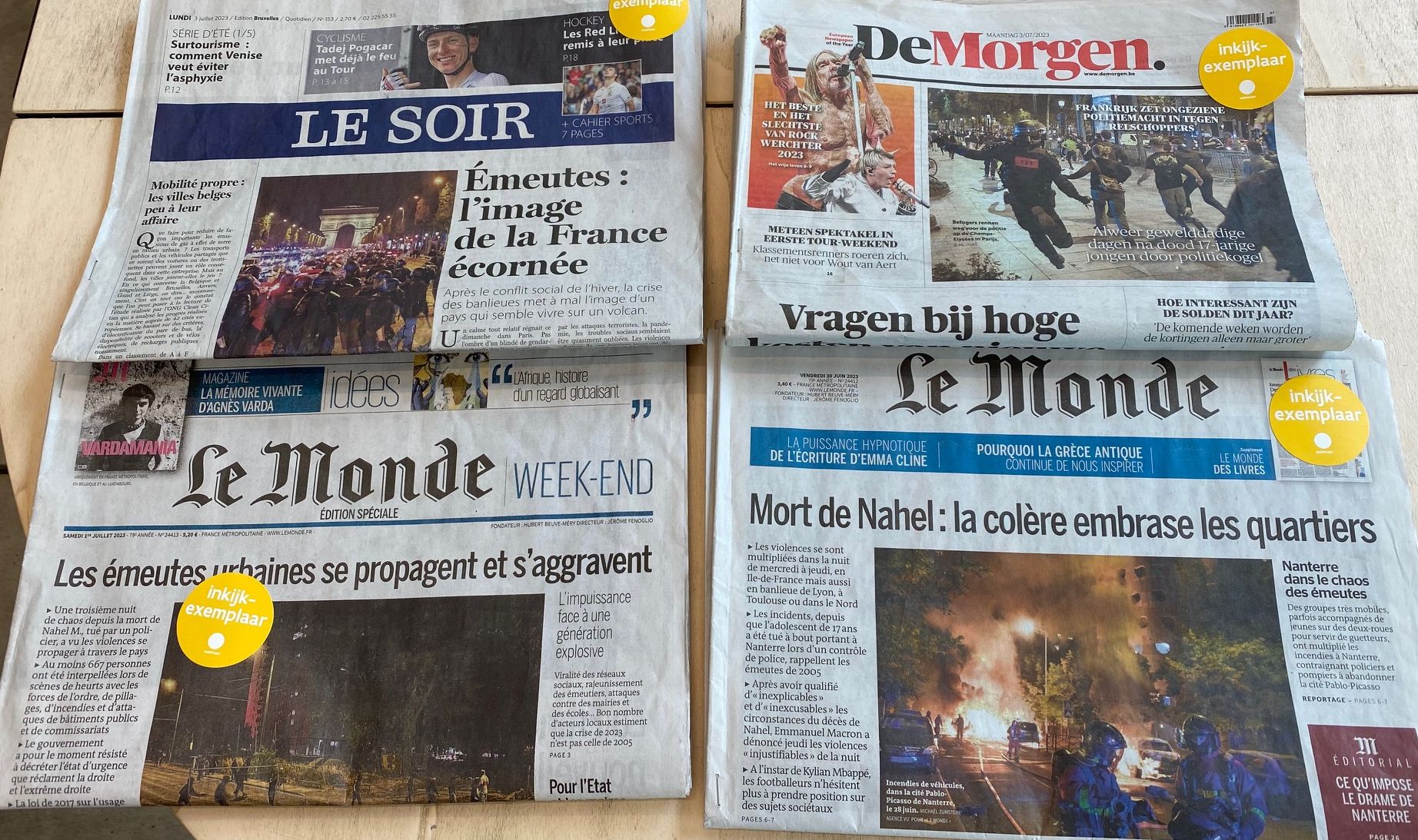
Special HK
The Special Olympics World Games are special in many respects. The broad range of people with special abilities is only one of them. I had the chance to ask permission to take a photo of the athletes from the team from Hong Kong when the took their team photo at Berlin Alexanderplatz. This is indeed special as the all wore proudly their team dress showing in big letters Hong Kong on the back (participant example). Hong Kong is the unfortunate island that was passed on from Imperial phase from the United Kingdom time to the Chinese rule. Despite an official 1 China, 2 political systems promise, Hong Kong’s democratic movements were soon threated and imprisoned. It was a special moment to me to witness the spirit of the Hong Kong athletes at the beginning of the special games in Berlin.
Other athletes whom I congratulated on the way to the competition were proudly asking me, whether I had seen them on TV yesterday. Beyond the 2 weeks of competition, special athletes are part of our public images of sports persons. This enlarges our perspective of what a sport’s person presumably has to look like. The SOWG question our traditional stereotypes and put inclusion and integration into practice. At least some of the disciplines should go mainstream and be part of the next Olympic games in Paris 2024. But, as we all know the official, not so special, Olympic games are primarily about big business and merchandising rather than inclusion and diversity. Hong Kong athletes remain a unique experience reserved to the special Olympics. 
Photovoltaik
Eigentlich ist die Photovoltaik eine alte Technologie. Seit 1954 werden Solarzellen, damals noch mit geringerer Effizienz und teuer, produziert und benutzt. Da hat sich viel verändert und nicht zuletzt durch die sogenannten Balkonkraftwerke sind Solarzellen zu einer weltweit beliebten, rentablen Alternative geworden. Dächer eignen sich wegen ihrer Schräge und oft der Ausrichtung bestens zum Aufstellen von Solarzellen. Renovationen und Neubauten sollten diese Art der Energieerzeugung unbedingt in Betracht ziehen.
Wegen Olympia 2024 in Paris wird dort gerade viel städtische Infrastruktur erneuert. Der “Gare de L’Est” wird beispielsweise von Frankfurt aus mit TGV und ICE angefahren. Da kommen viele Geschäftsreisende und Touristen aus Europa und der ganzen Welt an. Ein Blick auf die Dächer des “Gare de L’Est” von dem Fußweg zum Gare du Nord zeigt viel verpasste Investitionen. Ein Meer von Dächern liegt brach, bestens geeignet zur Installation von Photovoltaik. Das könnte eine Menge an Energie vor Ort produzieren, die die Züge dann direkt benötigen. Mehr Ökostrom statt Atomstrom kann einfach sein. Es fehlt nur oft der Wille. Nachhaltigkeit und Olympische Spiele ist ein ganz eigenes Thema, nicht nur für Paris 2024. 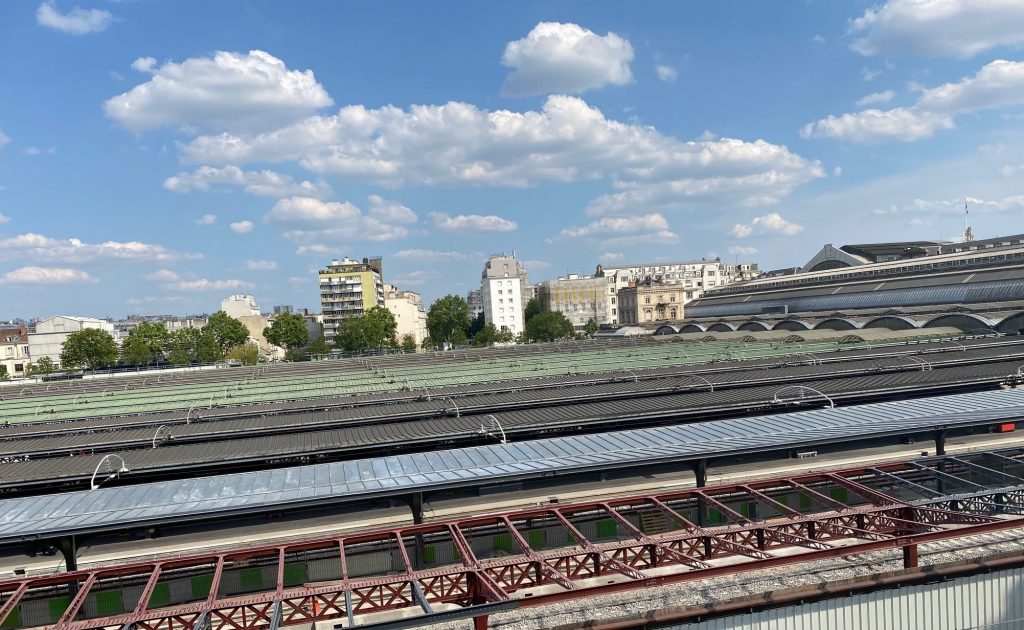
Black White
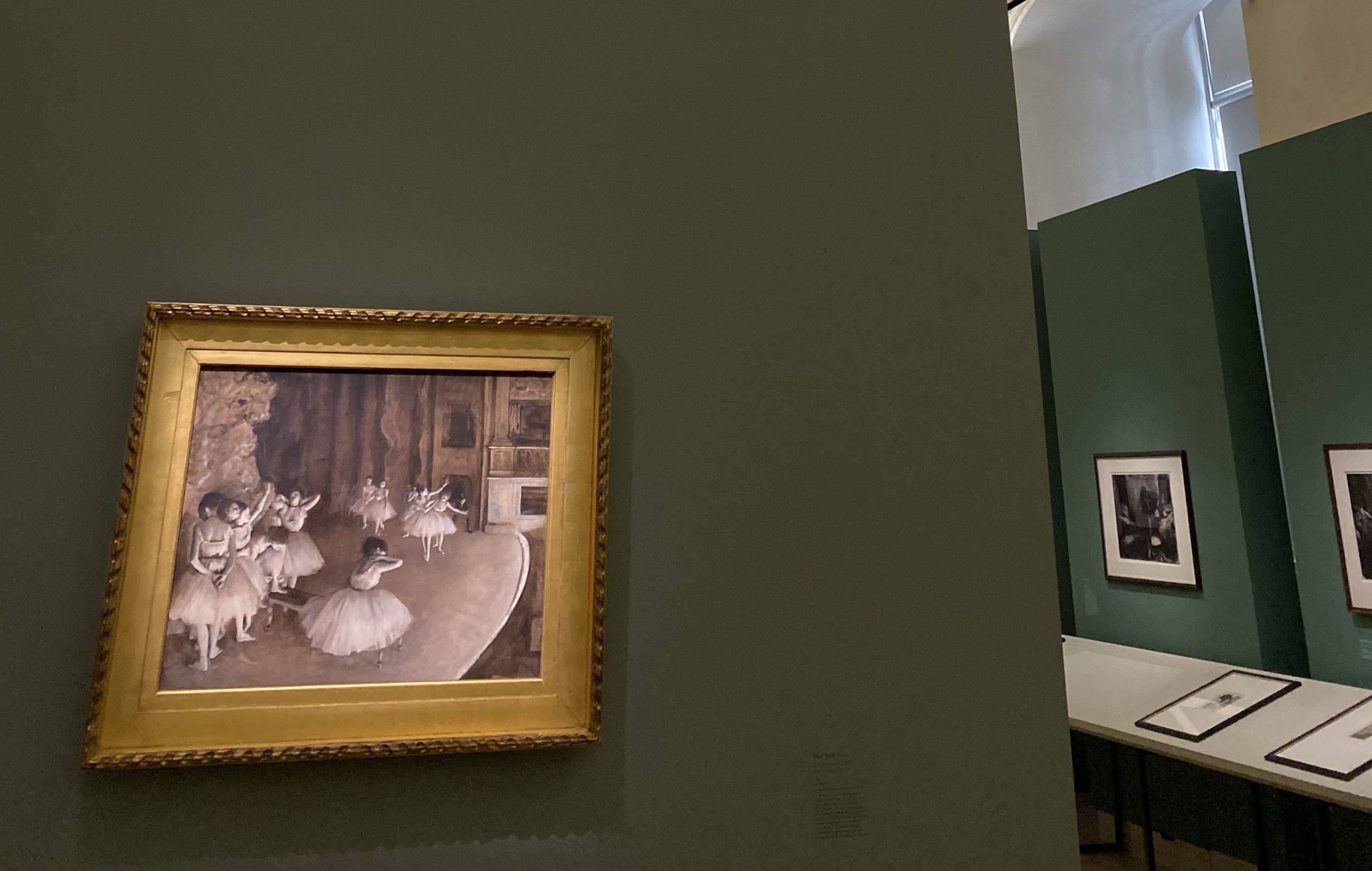
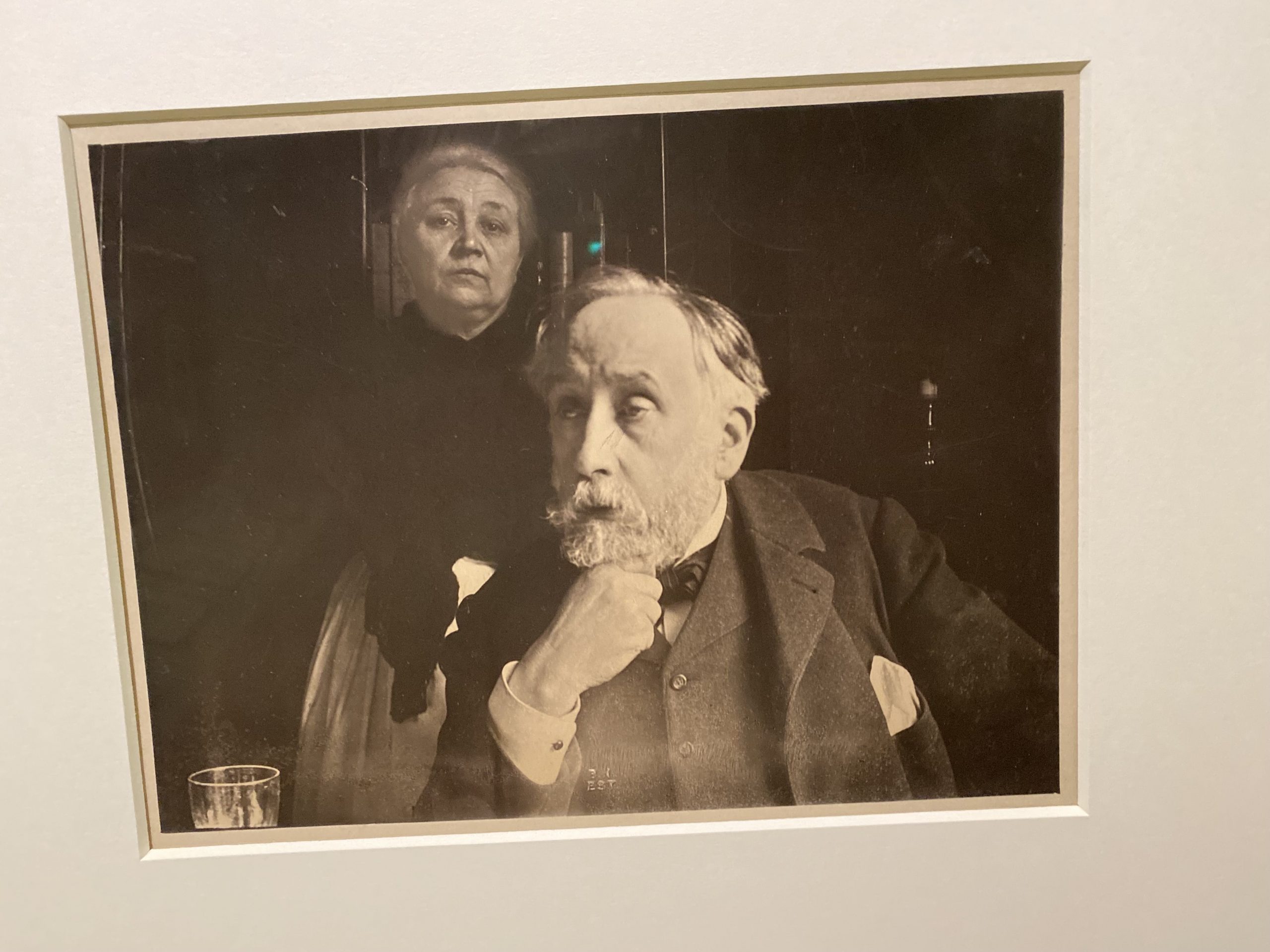
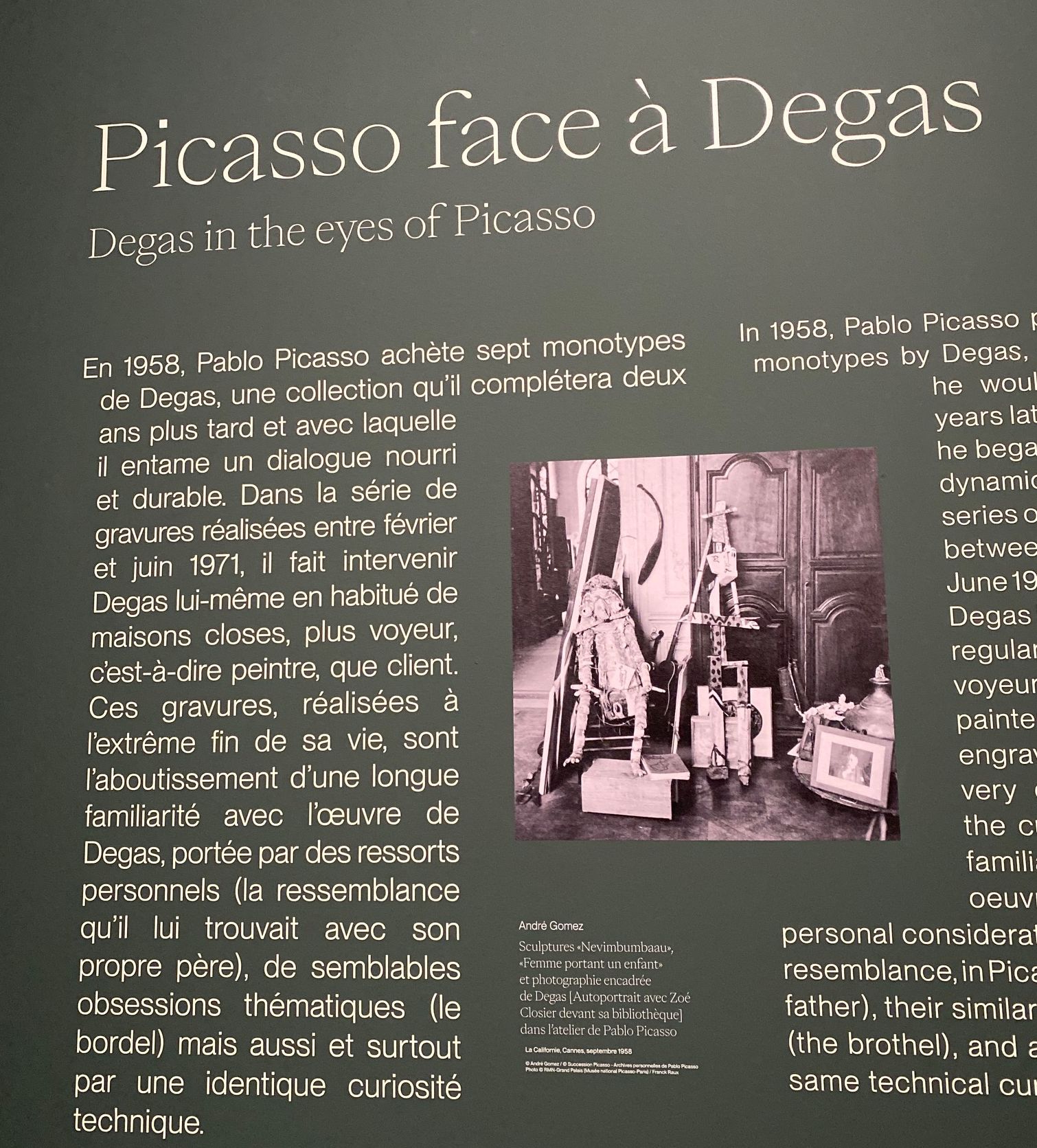
Working at the Bibliothèque nationale de France (BnF.fr), just like visiting, allows you to benefit from the many temporary exhibitions based primarily on their own collections and donations to the BnF. For those who like “dessins, estampes, photographies”, there is a small exhibition as of June 2023 which features on these three techniques in the work of a single artist Edgar Degas from the impressionist movement. Walking through the exhibition or slowly scrolling the press documentation allows you to follow the artistic life course of Edgar Degas. He started with the pencil dessin and evolved to the printing of a single or sequences of “estampes” (up to 20) to impress us beyond black and white with multiples of 50 shades of grey. Degas seems like continuously searching for the uniqueness of the moment to present strong emotions or to summarise interpersonal relationships immersed in a specific spatial setting. Having demonstrated the richness of dessins and estampes as artistic, but a bit laborious technique, he devotes his last few years to a more intensive work taking photographs and proceeding to their development or tirage as printed versions. No matter which technique he applies, he has a special artistic view that allows to capture emotions and immortalise them. The painter’s eye, as well as later on in his artistic career the photographer’s eye, keep scrutinising himself in various forms of “auto-portraits”. Beyond youth, the pervasive obsession with selfies nowadays had its artistic precursor Edgar Degas for example. Whereas most photographers would classify a double exposure as a “raté”, Degas experimented with this almost like a cubist, Picasso-like techniques in photography. Actually, the last few images in the exhibition show the artistic reference Picasso made in his work to images, impressions and techniques that inspired him throughout his artistic work. There are amazing links in and across the history of art or arts. (BnF expo Edgar Degas 2023). 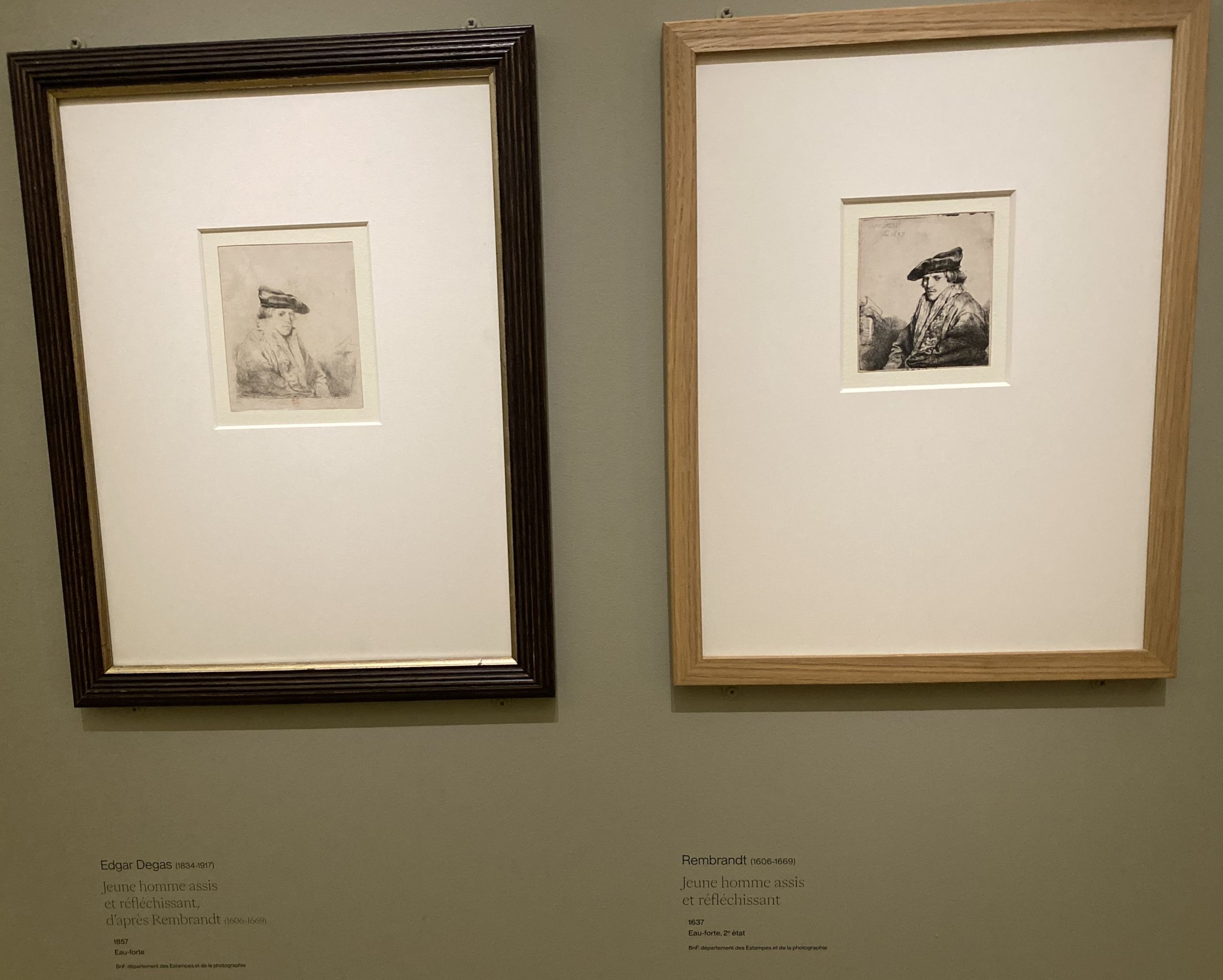
Flaneur
Der bürgerliche Flaneur wird kritisch hinterfragt und erweitert erörtert im Festival DRiFT in Berlin. Das passt doch gut zu dem nötigen WALK und WALKING, welches uns schon alleine aus gesundheitlichen Aspekten von Nöten ist. Die subversive Form als kollektives Wandern, gefährlicher historisch waren die Märsche auf Rom von Mussolini, friedlicher Gandhi, aber beeindruckend erfolgreich. Ostermärche kennen wir noch als Beispiel dieser kollektiven Form des gemeinsamen Gehens und Erkundens, oder doch Beeinflussung oder gar Eroberung.
Die Idee ist alt, die Ansätze in unserer Zeit bleiben eine Herausforderung. Protestmärsche kennen viele Organisationen gerade aus den nicht-regierungs Organisationen (NGOs) und den Gewerkschaften. Präsenz zeigen und seine Meinung äußern, wenn sie nicht genügend Gehör oder Widerhall findet, gehört zum demokratischen Kanon. Eine entsprechende Wiederbelebung und Stadtteilerkundung als “Psycho-geografie” hat historische Wurzeln in Paris und Frankreich. Räumliches Vorstellungsvermögen und Orientierung ist eine Qualifikation, die messbar ist. Eine Stadt erlaufen bildet eine kognitive Landkarte der Straßen und Umgebung. Mal schwer, mal einfach, aber fast immer irgendwie anders. 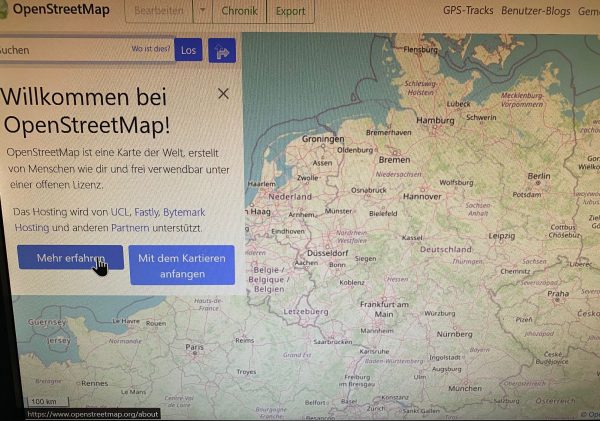
Demos
Wenn Demokratien den Demos fürchten und es vorziehen mit Verordnungen zu regieren, dann wachsen die energischen Verteidigenden der demokratischen Prozesse. Frankreich erlebt das Szenario im Ringen um Macht zwischen Exekutive, Legislative, Judikative und dem Willen des Volkes jenseits der festen Fristen von Wahlperioden. Die “Ligue des droits de l’homme” hat das gut formuliert und ruft zu Aktivitäten in mehreren Feldern auf. Aus einer sozialen Krise wird rasch eine Krise der Demokratie von größerem Ausmaß, davon ist auch Frankreich, wie viele andere europäische Staaten nicht gefeit. Demokratie ist kein “Menu à la Carte”, wo ich die Bereiche für demokratische Prozesse aussuchen kann, die mir am besten passen. Macht geht immer dann verloren, wenn sie sich nur noch auf sich selbst berufen kann. 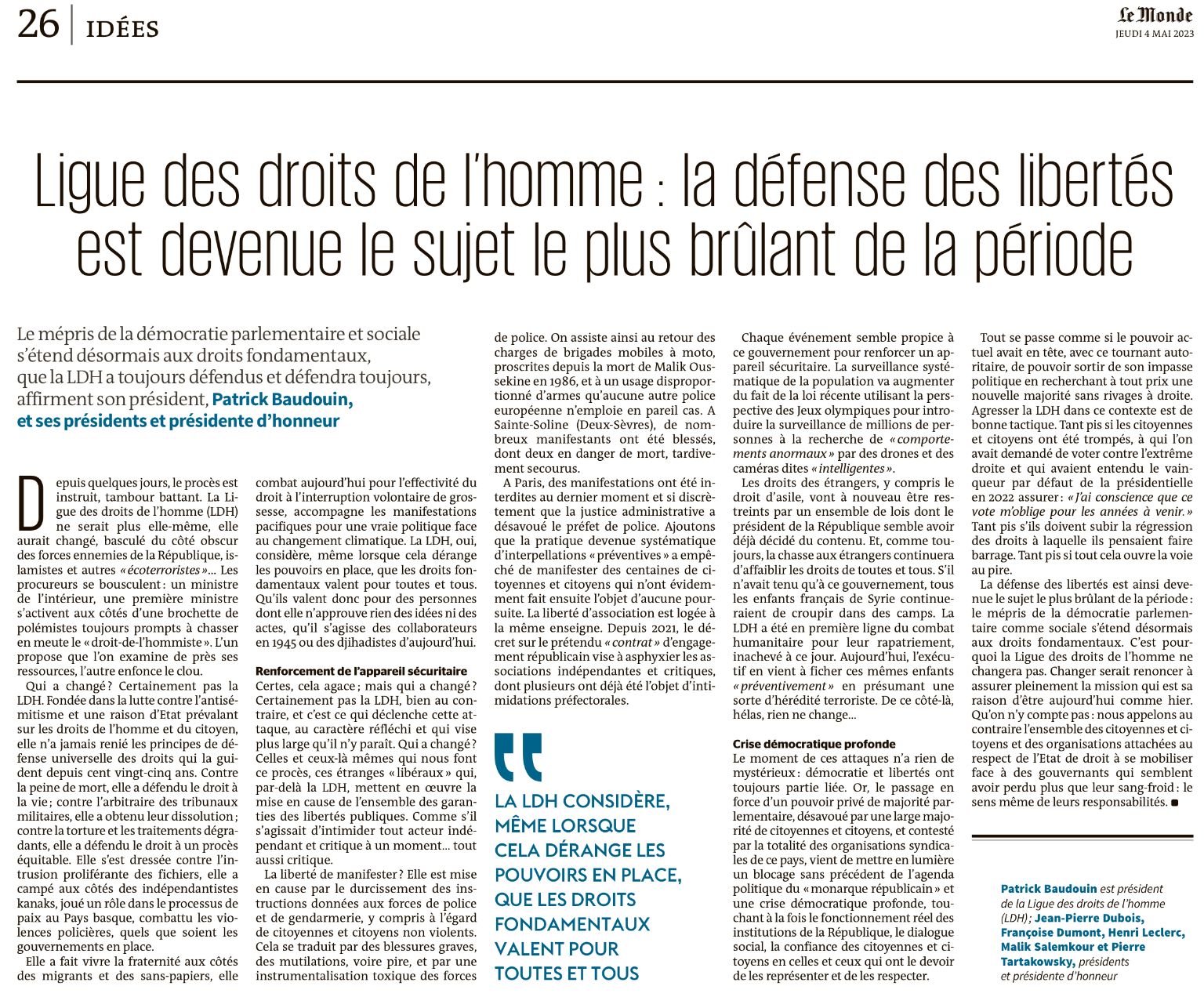
Visual
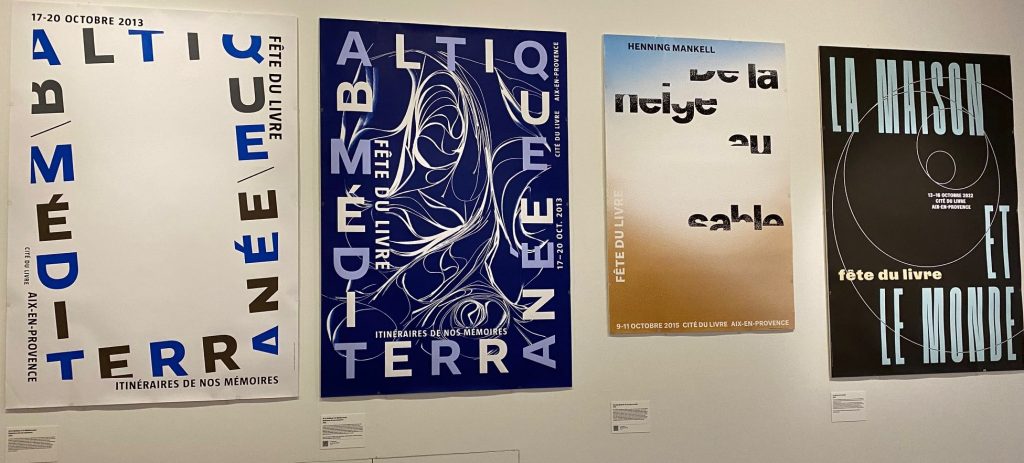
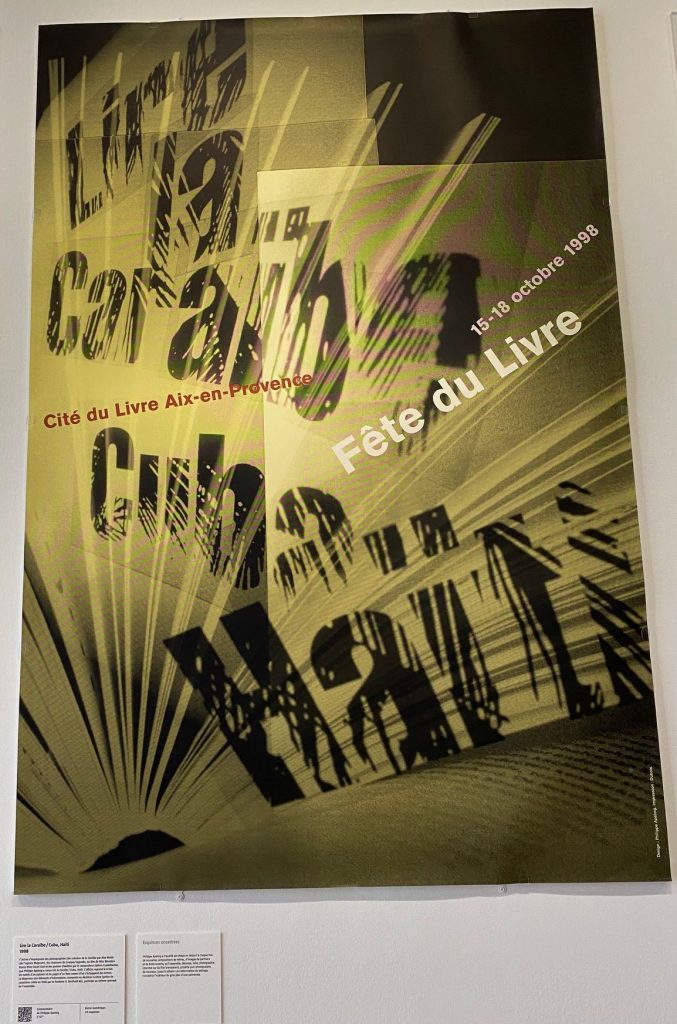
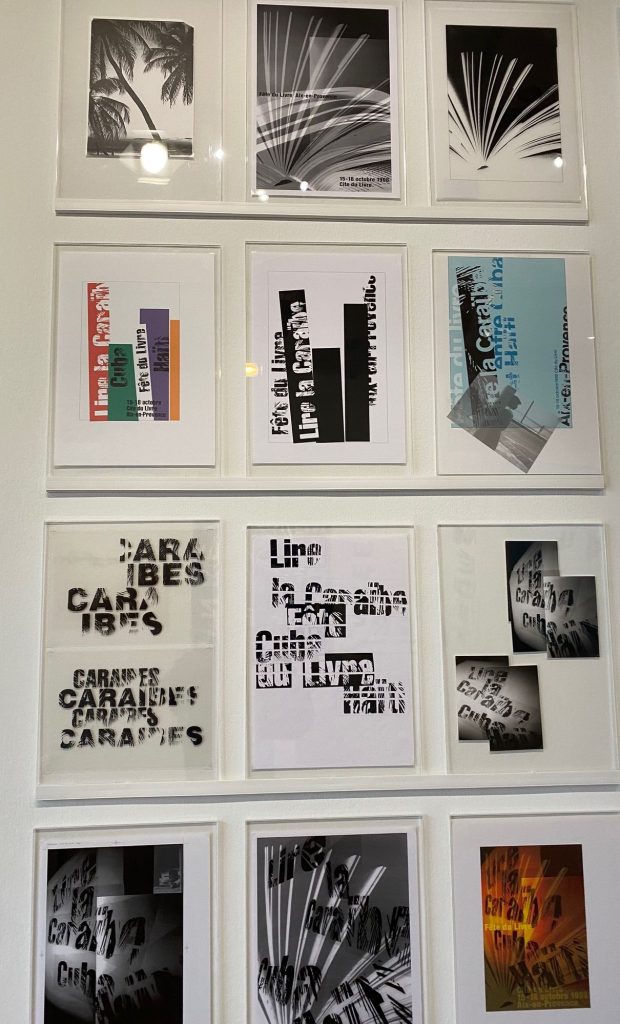
Key visuals have the potential to appeal to us like an own language. From a communication point of view the message is simple. You send a message from your visual appearance even if you do not intend to do so. Hence, better think about it briefly before you go public. The receiver might interpret your visual statement differently from you or other peers, but you offer a coherent version of your activity or appearance. Be it politicians (Merkel) or others, frequently memory allows only for key visuals to make lasting impressions or for something or someone to enter into collective memory of a decade or even a century. Repetition, also from different sources, plays a major part in this. It is surprisingly still uncommon to hire persons in charge of key visuals for a person, an organisation or a festival. Haphazard treatment of key visuals as part of marketing is probably an underestimation of the lasting impact of a coherent visual message. Stability and repetition are key here, rather than the wide-spread ad-hoc approaches to marketing. Only on the margin of the exposition devoted to Philippe Apeloig “Des esquisses à l’affiche” (BnF) this lesson can be learned. The merit of the exposition is the opening-up of the process of creation. Posters, graphics and typescripts all contribute to the overall visual message. Achieving coherence in the thousands of choices demands an aesthetic point of view. This may blend aesthetic languages of a decade and reflections on the subject. Catching an audience at the time of affluence of images, movies and accelerated rhythms of daily life remains a challenge. For the “Fête du Livre” Apeloig has achieved this in a memorable way, well worth a tiny exposition of donations from a master in visual communication. 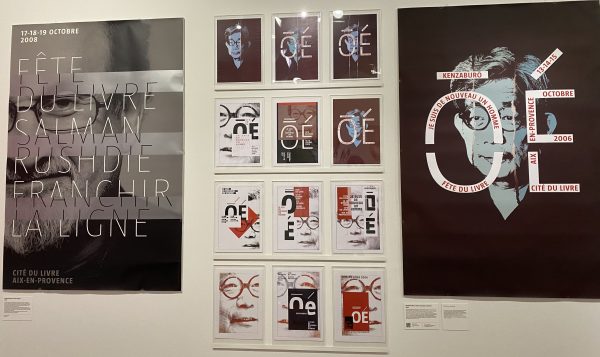
Katzengeflüster
Für viele schwierige Situationen braucht es Eisbrecher. Im übertragenen Sinne jedenfalls erfüllen täglich Hund, Katze, Maus diese Funktion. Sich unbefangen über Tiere unterhalten, sich dabei näherkommen oder einfach nur in Kontakt treten, wird heute von PsychologInnen vielen Personen empfohlen. Das war schon bei den Ägyptern und Römern so. Im späten Mittelalter, seit den Verwerfungen in Europa durch die Reformation und Glaubenskriege, brauchte es ebenfalls solche Hilfsmittel für Durchbrüche in der Diplomatie. Der Roman von Nils Minkmar „Montaignes Katze“ strickt seine Geschichte über Geschichte und Ideengeschichte im Mittelalter um eine solche Anekdote. Kinder können ebenfalls solche Anlässe bieten, Menschen zusammen zu bringen und zu vermitteln. Erfahrene Ältere, die sich nach weniger Turbulenz, aber mehr Toleranz sehnen auch.
Diplomatische Missionen, wie sie Montaigne aufgetragen wurden, haben etwas mit Pferdeflüstern, Katzenflüstern oder eben Majestätsflüstern zu tun. Wie bringe ich einen in seiner Rolle hinreichend zufriedenen, desillusionierten Herrschenden dazu eine Mission anzunehmen, die äußerst ungemütlich, wenn nicht tödlich enden kann? Ein neues Narrativ muss her. Eine erhellende Inszenierung gehört ebenfalls dazu. Genau das erzählt das diplomatische Lehrstück von Nils Minkmar am Beispiel der Zeit des späteren Heinrichs des Vierten. Die eindrückliche Statue lässt sich heute in Paris bewundern, aber kaum eine/r der Passanten interessiert sich noch für die Geschichten dazu.
Noch interessant für uns? Sicherlich. Üben in Toleranz ist ein wahrlich ein lebenslanges Unterfangen und will immer wieder neu praktiziert werden. Stöbern im Werk von Montaigne ist einfach über die Uni Chicago möglich (auf französisch, bien sur) mit Schlagwörtern z.B. “cité”. 10 Einträge zum Thema Katze “chat” im Original sind ebenfalls darüber in “Les Essais” zu finden. 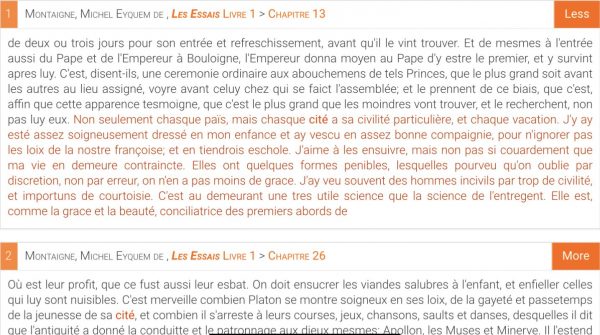
Pastiche
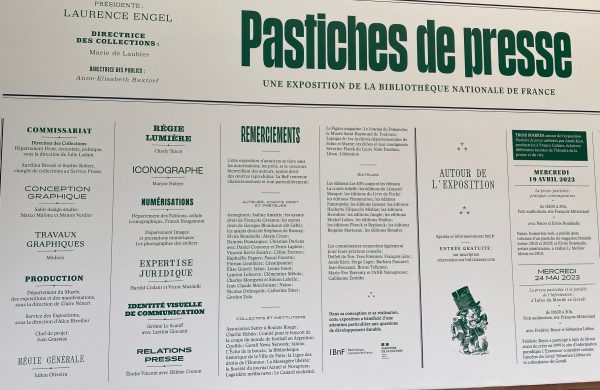
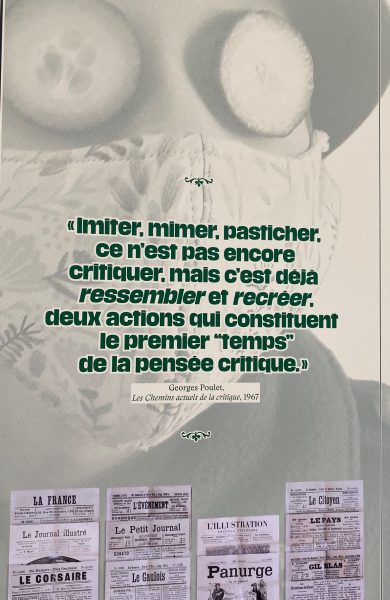
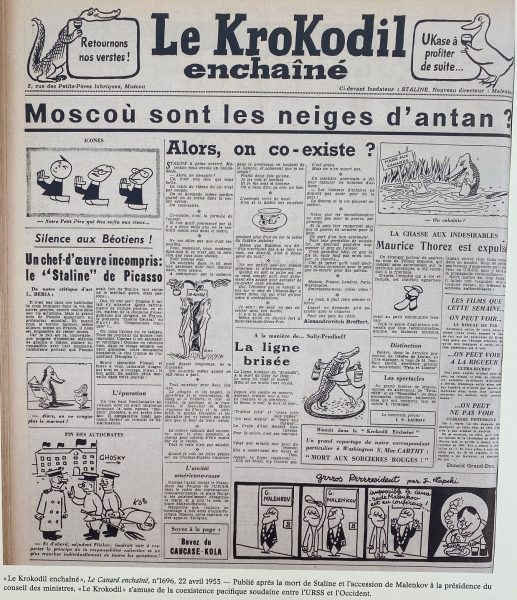
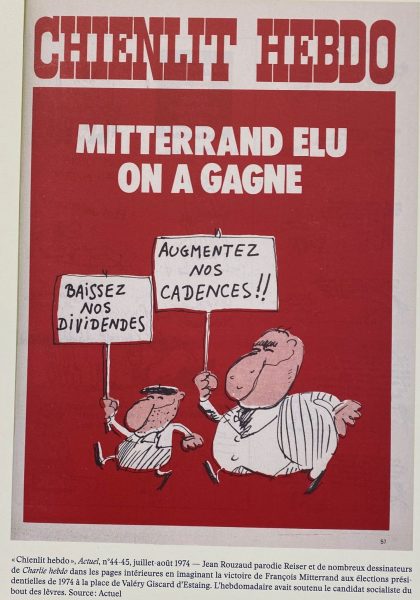
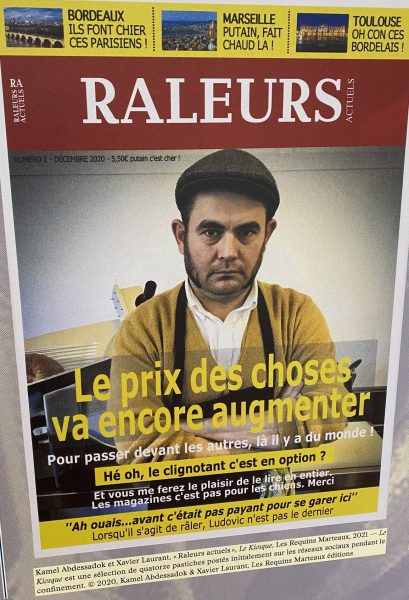
Die lange Tradition der “Pastiche“ (BnF, 2023) der französischen Presse ist nur wenig über Frankreich hinaus bekannt. Sicherlich kennen viele den wöchentlich erscheinenden „Canard enchainé“ oder die Satire-Zeitschrift „Charlie Hebdo“. Die witzigen, fälschenden Plagiate von bekannten Zeitungen und Zeitschriften, Pastiche genannt, haben einen Kreis an Liebhabenden, die sich ihren Humor nicht nehmen lassen. In Gesprächen gilt oft die humorvolle Sichtweise auf Politik, oder das tägliche Leben, als intelligent. Eine andere, unübliche oder gar verbotene Perspektive auf einen Sachverhalt kann ja bekanntlich zu einiger Erheiterung beitragen. Was sich seriöse Medien nicht erlauben, darf dann schon mal in den Pastiche vorkommen. Wie weit darf Humor gehen bis Humor verletzend oder gesetzeswidrig wird. Diese Grenzen sind je nach Kultur und politischen Gegebenheiten verschieden. In Frankreich lässt man/frau sich nicht den Augenzwinker verbieten. Übersetzen lassen sich die oft indirekten Anspielungen nur schwer. Viel Hintergrundwissen, oft nur von kleinen Gruppen von Personen, ist zum Verständnis nötig. Da wird vielfach erst auf den 2. Gedanken gelacht oder geschmunzelt. Die Bestände der BnF daraufhin zu sichten oder überhaupt die Kategorie zu führen, sogar als eine Literaturgattung, ist beachtlich. Nachrevolutionärer Karneval ist eben 365 Tage Narrenfreiheit. Das Recht und Gesetz dazu, wird wohl gut definiert sein. Majestätsbeleidigung wird es da nicht mehr im Strafbuch geben, was zu überprüfen ist.