Ach es ist so schön im Garten. Ein schöner Garten will geplant werden. Das gelingt auf besondere Weise mit dem „Pollinator“. Hinter dem Pollinator verbirgt sich ein Kunstprojekt, das viele kleine Gartenkunstwerke zu einem großen verbinden möchte. Spannend ist nicht nur das Vernetzungsprojekt von vielen einzelnen Parzellen zu einem größer werdenden Gesamtprojekt (Aggregation), sondern der für Kunstschaffende gewohnte Perspektivwechsel. Aus Sicht der Bestäuber der Pflanzen und Blumen gesehen ergibt sich eine vogelähnliche Perspektive auf den Garten.
Der Parcour einer Biene oder eines Schmetterlings durch unsere Gartenparzelle regt zum Träumen an. Vielleicht hätte Franz Kafka nach der Parcour-Erfahrung ein anderes Insekt gewählt. Mir gefällt die 2D, 3D, 4D Perspektive, die es erlaubt, den blühenden Garten im Zeitraffer durch alle Jahreszeiten zu visualisieren. Das ist Gartenarbeit ohne die mühsame Kleinarbeit des Pflanzens und Unkrautjätens. Es wird nicht gleich ein Garten wie von Impressionisten in Argenteuil von Monet oder in Yerres von Caillebotte daraus, aber ein farbenprächtiges Kleinod allemal. Mein erster virtueller Versuch (Link) ist schon recht farbenfroh. Lateinische Namen auffrischen ist schon fast ein Beitrag zum gesunden Altern, besonders wenn der Garten einige Kilometer entfernt ist. Im Sommer lassen sich leicht neue Pläne schmieden. Herbst und Winter, Trockenheit und Hitze lassen uns das Gartenkunstwerk nochmals überdenken. Spielerisch ein Gartendesign gestalten, kann der erste Schritt für mehr Natur sein. Biodiversität macht Spaß und hilft uns allen. Kleinvieh macht eben auch Mist. 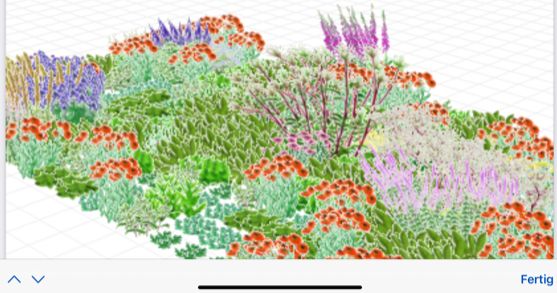
Books
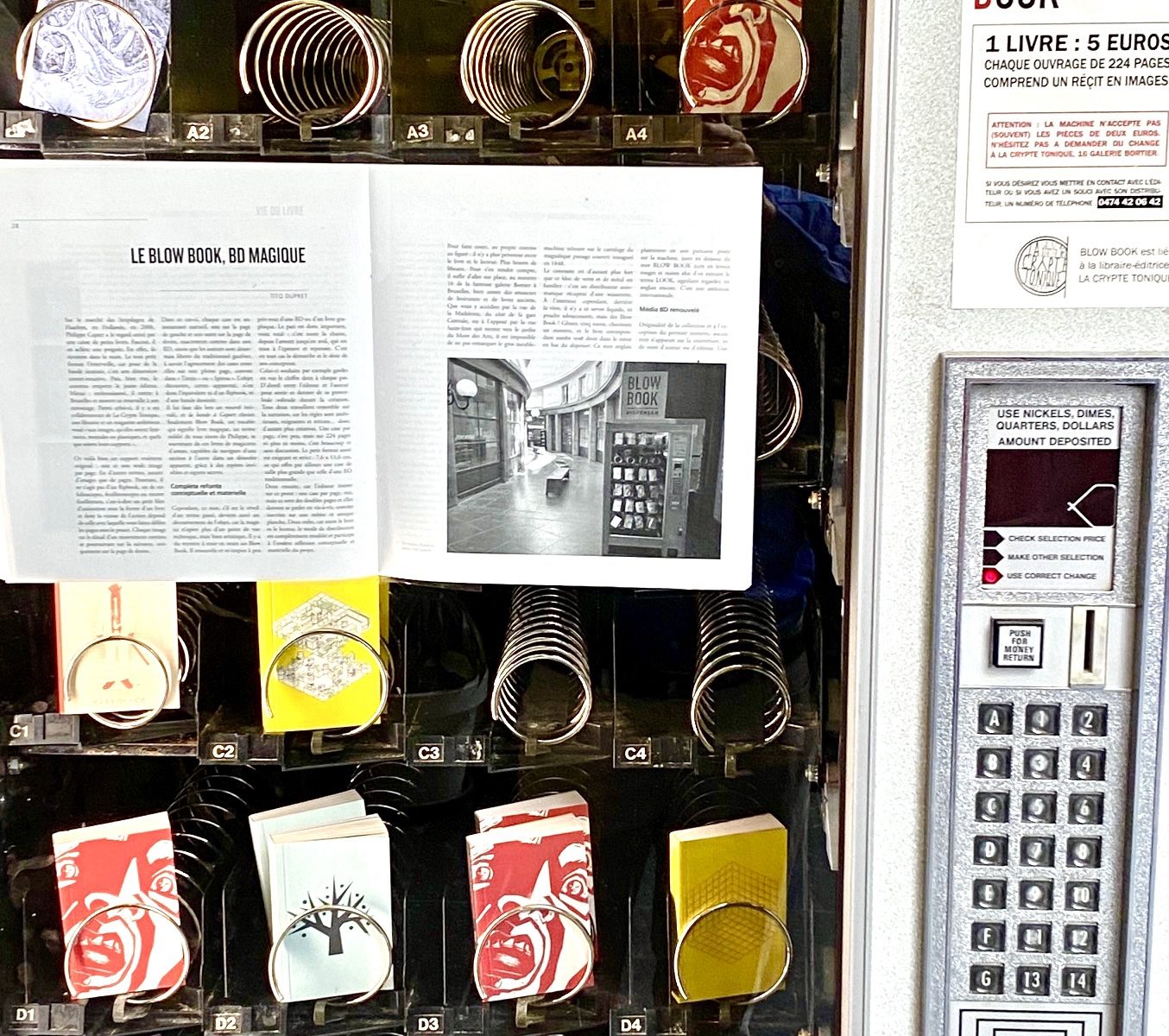
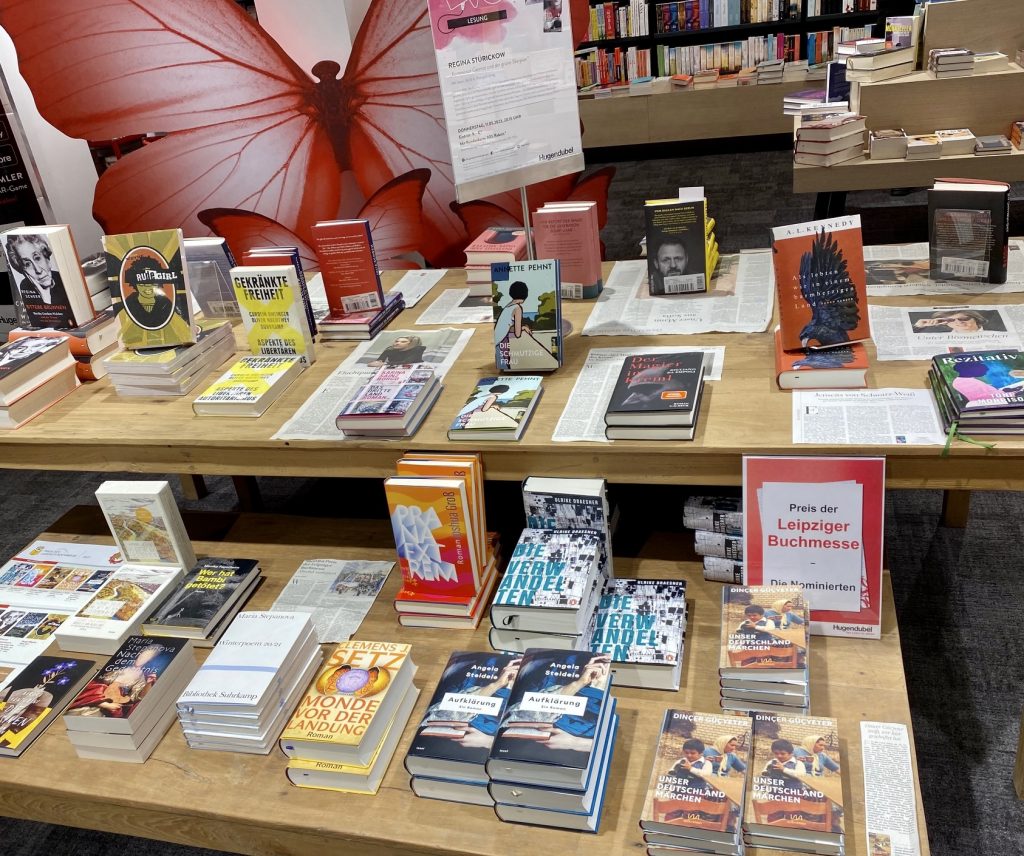
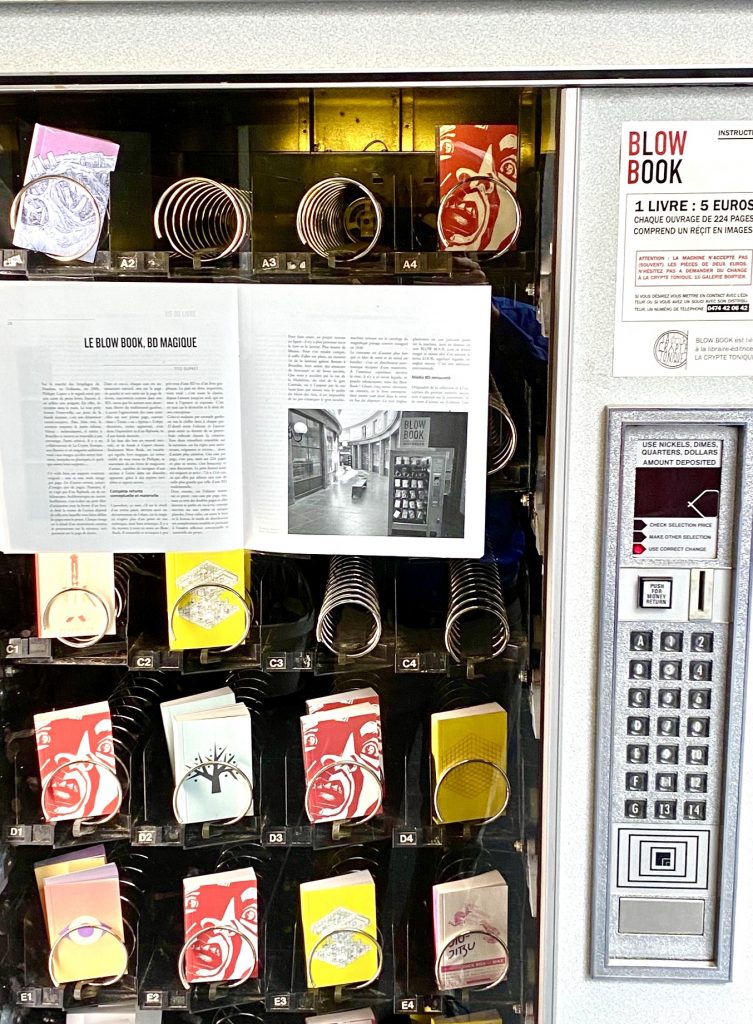
Some say, a book is a book, is a book. This is to reiterate the lasting effect a printed volume might have. Many books are a form of a documentation of facts. Creative writing in whatever form finds most of the time some way into a format of a book. For centuries books have facilitated the diffusion of myths and stories throughout societies including translated versions of the content. 2 aspects are constituent here (1) form and (2) content. Annual book fairs receive most attention for new content within more or less the same rectangular format. There are, nevertheless, interesting variations of the form to be discovered as well. Traditionally book binding was the art that gave shapes to the content. Images in form of film are yet another representation of the book content. All this is “dealt” with at the Frankfurt book fair #fbm23, particularly in form of dealing in and with copyrights. New forms of delivery of content, online or as e-book, have added to the variety of books. Pay as you go or as abonnement with monthly delivery is the old and maybe fashionable new way to digest abundant content. People trust in books. The format as book in general seems to remain an authoritative form to present content, irrespective of the truthful or fictional kind of the content. The more we live in insecure circumstances, the more we tend to be willing to hold on to a pile of paper nicely woven or clued. It is still a very powerful tool to guide imagination for all ages. It allows us to learn at our own rhythm as far as we are willing to go. We are, or seem to be, in control of the process as well as the likely outcome. And yet, the spice of life is the surprise. Book it.
Smurf SDGs
The smurf series of comics has been a world-wide success as children-books. Many adults enjoy re-reading some of their old comic books to their children or grand-children. Now let us try it the other way around. Our children try to sell us the concern for the environment by talking to us through the designs of smurfs, Schlümpfe or Strümpfe, as they are called in various translations. Maybe this way we are more open to take a serious look at the Strategic Development Goals (SDGs) of the UN. Easily accessible and getting us through an emotional connection might work better than tedious lengthy documents and statistics of continuous failure (e.g. on hunger) of most parts of the world.
Tell the story of the smurfs with the SDGs in mind. See how far you get in remembering the whole list of 17 stories. Build a narrative around each of the images. There is no way around getting nearer these goals for our very own survival as a species. Intergenerational communication works both ways from young to old as well as from old to young. Design your own characters, if you like, with the same SDGs in mind. Only this way we shall broaden the supporters for the goals beyond the expert circles of politicians and policy advisers. Happy drafting and rapid implementation! We can do it, if we want to. 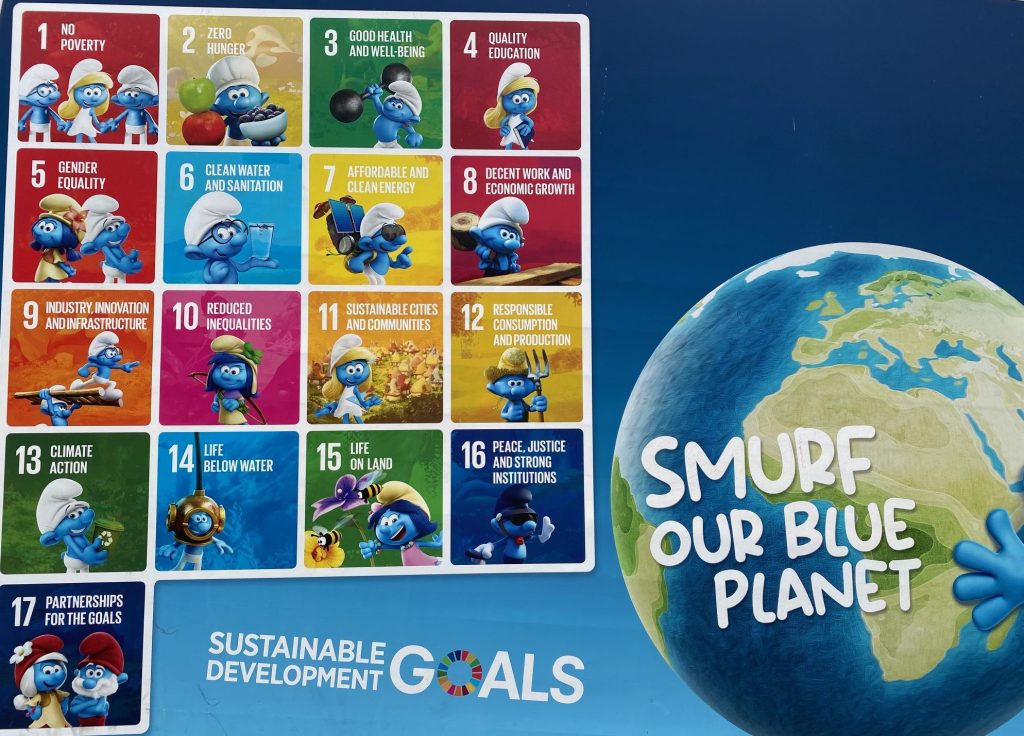
Flotow Aus
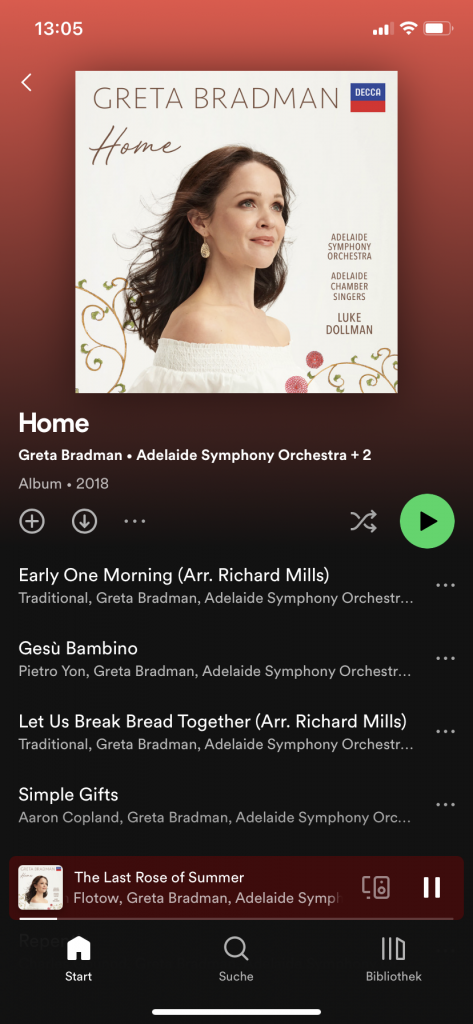
Irgendwann, so denkt man, sollte der Ruf einiger Komponierenden enden oder zumindest verblassen. Überraschend war das Auffinden auf der Musikplattform Spotify einer populären Sammlung von Liedern bei denen die letzte Rose von von Flotow zu hören ist. Ein Bayer oder Österreicher hätte vielleicht gerufen: Ja AUS is! Nix AUS ist es. Ein australisches Orchester (aus Adelaide) und Greta Bradman haben in 2018 auf der anderen Seite der Erdkugel, Flotow mit seiner „irischen“ Arie ins Programm genommen neben anderen Ohrwürmern. Die Romantik lebt. Einige Melodien finden weiterhin ihr Publikum. Erstaunlich, nach 150+ Jahren und 6000km Entfernung. Flotows Opernarien aus Stradella begeistern auch hin und wieder die Fangemeinden der Startenöre.
Geister
“ Herr, die Not ist groß!/ Die ich rief, die Geister/ werd ich nun nicht los.“ Dieses Zitat aus dem Zauberlehrling von Goethe aus dem Jahr 1797 könnte im Juli 2023 von Putin ausgerufen worden sein. Als der von ihm geförderte und üppig finanzierte Chef der Wagner-Armee Prigoschin plötzlich auf Moskau losmarschierte. So sehen das viele Analysten zu Beginn des scheinbaren Angriffs auf Moskau eigener Söldnertruppen. Frei nach Goethe fragen wir uns also: Wer und Wo ist der Meister? Wer ist hier der Zauberlehrling? Aber schon Goethe hat seine Ballade rasch und ohne Überraschung aufgelöst. „In die Ecke, Besen, Besen! Seids gewesen. Denn als Geister ruft euch nur zu seinem Zwecke, erst hervor der alte Meister.“ So entpuppt sich am Ende Putin wohl als der Meister und Progoschin „nur“ als sein Zauberlehrling.
Das ist nicht die herrschende Meinung der Redakteure und Editorialisten (Süddeutsche, LeMonde). Literatur der Romantik sollte besser aus der Tagespolitik herausgehalten werden. Weit gefehlt. Sie weitet den Blick auf Herrschende, meist Autokraten, und ihre tragischen Lebensverläufe.
Jetzt mal eine ernsthafte Vision(?) eines Politikberaters. Da die Mission von Prigoschin mit Unterstützung oder angeordnet von Putin in Butcha als abgeschlossen galt, und das Staatsheer diese Aufgabe übernommen hatte, wäre Prigoschin arbeitslos geworden. Den treuen Chefkoch Prigoschin aus St. Petersburger Zeiten, der Putin in seinen Restaurants schon hätte vergiften können, hat seinem Meister vorgeschlagen, Putins faktischen Schutz vor einem Anschlag oder einer militärischen Einsatzgruppe zu testen.
Militärisch gesprochen, läuft das entweder unter einer „false flag attack“, eines mit russischer Flagge getarnten Angriffs, oder einer „white flag attack“, dem Vorspiegeln einer geschützten friedlichen Mission (vgl. trojanisches Pferd).
Aus der Sprache der Börsianer kennen wir ebenfalls die „weiße Ritter“ Attacken. Dabei versucht ein anderes Unternehmen, eine InvestorIn oder eine im Hintergrund agierende Person (Progoschin), eine feindliche Übernahme eines Unternehmens zu verhindern. Dabei sind Mehrheitsbeteiligungen am Zielunternehmen oder Fusionsangebote die gewollte Lösung und Abwendung der feindlichen Übernahme.
Im Internetzeitalter kennen wir die bezahlten Hacker, die eine Webseite eines Unternehmens oder Behörde auf Schwachstellen testen und damit Datenschutz, Erpressung und Ausfälle vermeiden helfen.
Klingt alles kompliziert, ist es aber nicht. Es ist einfach Teil des modernen Arsenals von Strategen à la Clausewitz. Schachspielen mit echten Söldnern ist grausam und kostet echte Menschenleben für den Machterhalt. Der militärische Probealarm wurde getestet und der Schutz um Putin, den Meister mit seinem Zauberbesen kann verbessert werden. Sein Zauberlehrling Prigorschin ist wohl vielleicht sogar vom Springer (Schachfigur) in einen Turm eingetauscht worden. Vielleicht ist er aber schon längst die Dame an der Seite des Königs oder eben einer der Geister im Umfeld von Putin.

Acanthus
Wer erkennt ihn noch, den dornigen Bärenklau? Acanthus gibt es in vielen Farbkonstellationen. Die fast 1 Meter hoch wachsenden Stauden sind dekorativ, obwohl wegen der kleinen Stacheln etwas unfreundlich zu handhaben bei der Gartenarbeit. Nicht nur die üppigen Blütenstände beeindrucken durch ihren kerzengeraden Stand bei überragender Höhe vor der Hauswand, sondern auch die Blätter hatten es schon den Griechen angetan. Die Kapitelle griechischer Säulen wurden schon nach den Blättern der Acanthus geformt.
In der Dekoration werden die Ornamente auch bei zahlreichen Schnitzereien traditionell seit Jahrhunderten verwendet. In weichem Holz (keine Eiche) lässt sich die Blattform nachzeichnen und schmückt dann ganzjährig das (deutsche) Innere in Anlehnung an das (französische) Äußere. Für Acanthus und Holzfans ein Erklärvideo auf Youtube à la zugeschaut und mitgebaut. 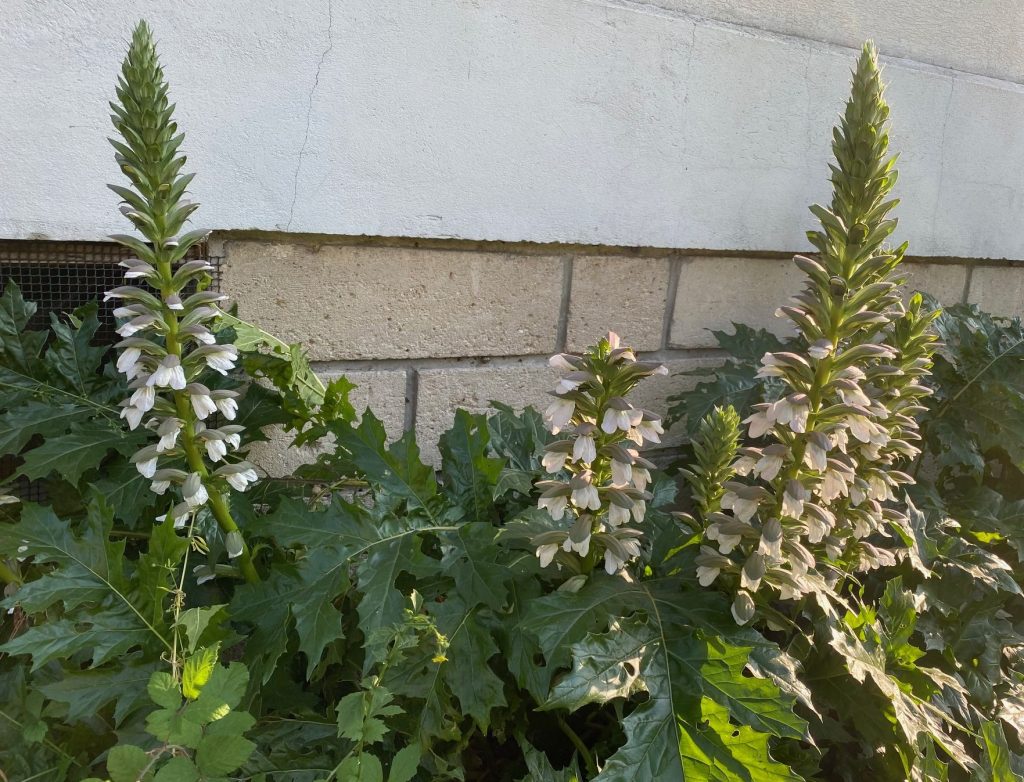
Lebensverlauf Musik
Lebensverläufe von Musizierenden (Wagner, Flotow, Chopin) sind, ganz so wie die Musik, mit vielen Höhen und Tiefen versehen. Das ist von wenigen Ausnahmen kaum planbar. Wettbewerbe spielen in den schönen Künsten ebenfalls eine bedeutende Rolle. Karrierewege werden so in entscheidendem Ausmaß beeinflusst. Der „Concours Reine Elisabeth“ in Belgien bemüht sich, nicht der Devise „The Winner takes all“ gerecht zu werden. Zum Beispiel war der Zweitplazierte Pianist von 2021 Sergei Redkin, 2 Jahre später auf dem “Mont des Arts” in Brüssel erneut zu hören. Anlass war das 2. Konzert im Rahmen des „Musicorum“ Festivals am 5.7.2023. An Stelle des geplanten Konzerts mit Aleksandr Khramouchin (Violoncello), der mit 43 Jahren an einer Blutvergiftung verstorben war, präsentierte Sergei Redkin ein tiefgehendes, mit teilweise virtuosen Klavierstücken angereichertes Programm von Rachmaninoff (Rachmaninoff-Richardson : Vocalise Rachmaninoff) und Prokofiev (Sonate Nr.4).
Alle beteiligten Institutionen und Personen gewinnen mit dem gemeinnützigen Arrangement auf dem Berg der Künste.
Der Weg auf den Berg der Künste ist mit vielen beschwerlichen Momenten gepflastert. Selbst der Weg von WettbewerbsfinalistInnen bleibt steinig. Wenngleich die Musizierenden auf dem Weg zur Bergspitze kaum Anstrengungen scheuen, ist das Publikum leider nur noch eine kleine Gemeinde von Leidenschaftlichen einer anderen Generation. Musik bringt sie alle zusammen zumindest in der kleinen, vielleicht allzu feinen Welt der späten Romantik. In den von Sergei Redkin ausgewählten Stücken lassen sich die Turbulenzen des frühen und späten 20. Jahrhunderts bereits erahnen. Mehr braucht es nicht, um eine ¾ Stunde lang ein Gefühl von Vergangenheits- und Gegenwartsbewältigung zu haben, auf dem Brüsseler Berg der Künste. 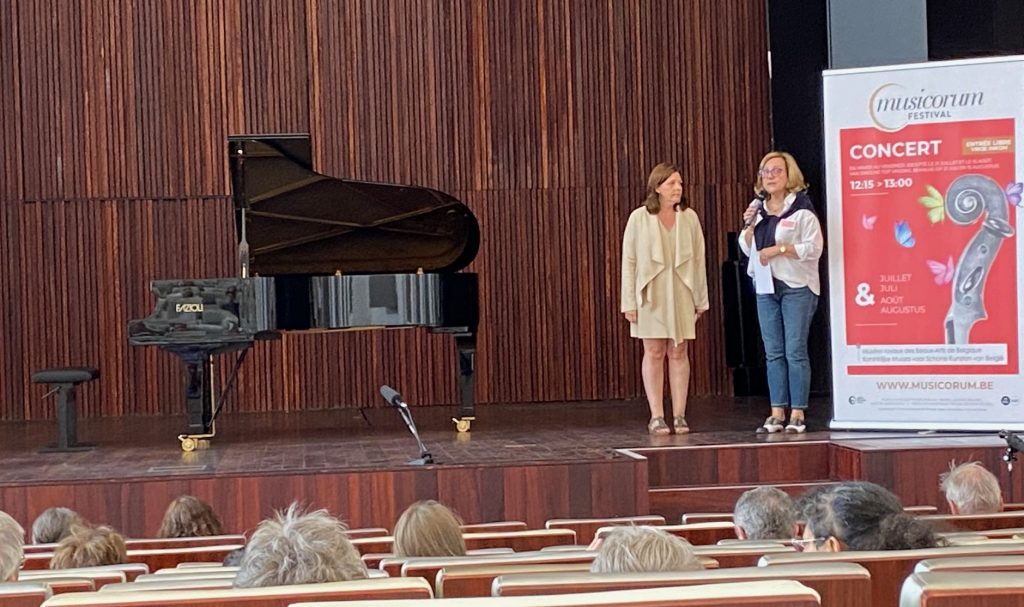
Collective Violence 2
Summers and Markusen (1999) subsume state terrorism under the broader heading of collective violence. Even beyond non-governmental groups, states might apply collective violence against innocent people. Among the strategies governments use as a form of collective violence fall (1) arbitrary arrests, (2) imprisonment without trial, (3) torture and (4)a summary execution of members of alleged enemy groups. Particular outcries are caused by, for example, police or other para-military groupings of persons who jump from (1) to an execution of an innocent person or of several even seemingly unrelated murdered persons (4b).
Amnesty International attempts for decades to fight against such occurrences on an almost global scale. The need to complement the national legal systems through supra-national instances as well as NGOs in this domain is obvious. Even the most advanced democracies need to permanently check their systems for several forms of state terrorism or abuses of power to eliminate or intimidate opposition.
Staub (1999, pp.195) undertook an attempt to list elements that allow to predict and maybe prevent collective violence. The theory starts with “conditions of life” more generally like economic, social and political conflicts as well as rapid social change. Activation of basic needs in people, like several forms of security, challenges to a person’s self-concept, traditional values, simply the customary way of life (COVID-19) or new comprehension of (climate) realities, they all challenge old world views of people (superiority) and their place in the world (AI).
Claims for support by other people (government), missing connection to others (individualism) lead people to focus more on their own needs and isolated action. Rebellion as collective violence is directed against differences in status, power and (social) rights. Self-interest is becoming an overriding societal principle. Racism (p.200) and police violence (p.201) are part of Staub’s theoretical considerations. He argues in favour of training of situations in which a police officer is likely to become unnecessarily violent or to stop it if it occurs. At least a medium-term solution.
Framing of such training as preparation of good teamwork rather than betrayal is crucial in action teams, be they in the police or the military. The reader on “violence subie, violence agie” by Seron and Denis (2000) allows us to take a step back and reflect on the spirals and repercussions involved in violence from the perspective of the person who carries out an act of violence and the victim. A social-therapeutic approach aiming at reconciliation is worth trying, albeit a lot of obstacles. Collective dance rather than collective violence is the immediate as well as long-term solution (More on dance here). 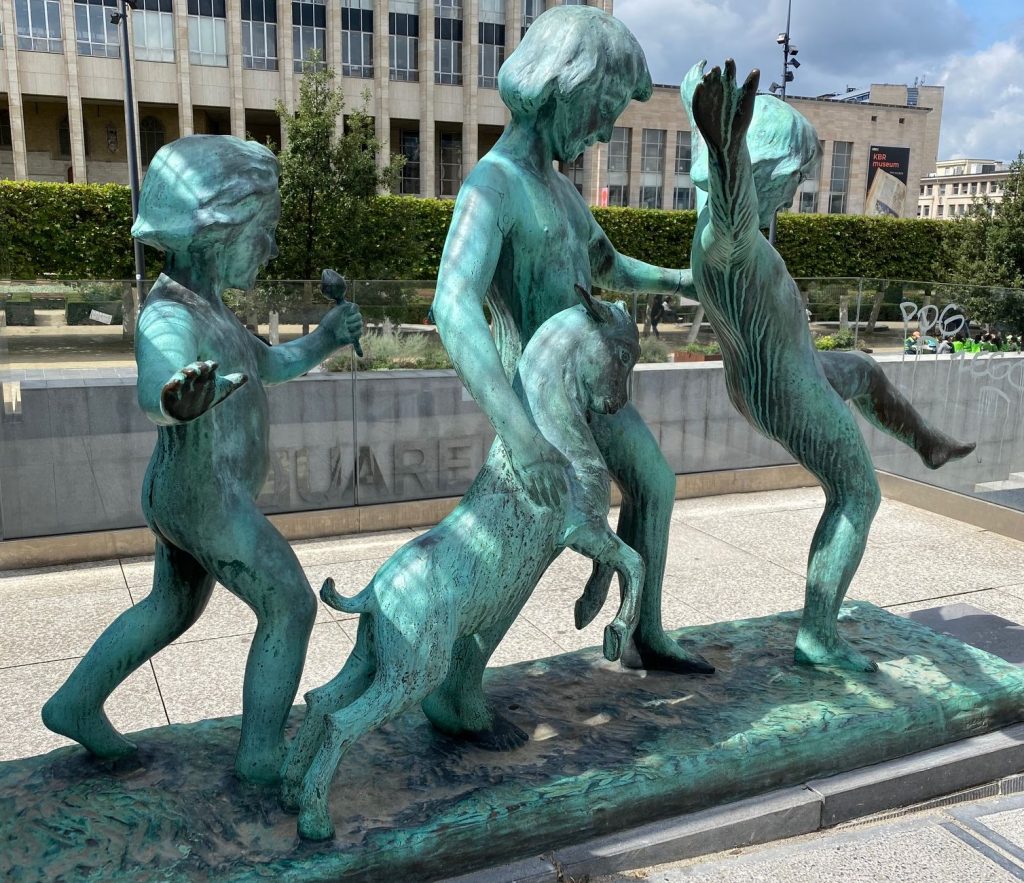
Virtual Sociology
Abstracting from the real world, the world we live in today or we lived in some time ago, is either speculation or maybe contribute to theory building. Virtual sociology has this potential. Exploring virtual worlds as in Virtual Reality (VR) or Augmented Reality (AR) allows us to take on new roles or experience a wider range of social interactions. This could be the strength of a new field of Virtual Sociology.
In the project in the Jewish Museum in Berlin the composition of a composer murdered by the Nazis in Germany was revived and played in the virtual setting of today’s concert halls. The novel by Kazuo Ishiguro “Klara and the Sun” explores the interaction of a child with her robot friend, when the AI becomes and/or replaces a friend. Virtual creations allow to explore and test more degrees of freedom of social interaction. 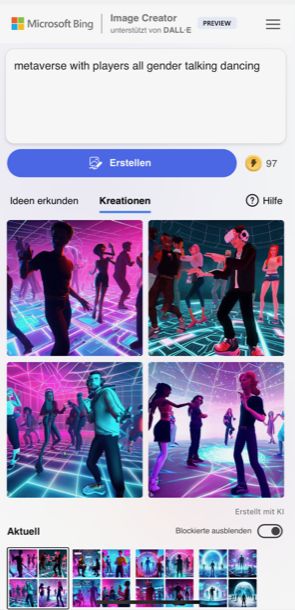 Experimentation of new social spaces and different forms of interaction need to be explored. It allows a new form of sociology, maybe similar to the 1960s and 70s social revolutions we studied for years to come. Virtual sociology is not a sociology while being on drugs, however interesting this might be for some.
Virtual sociology takes sociology into the virtual world and investigates the new social relationships with avatars or care robots. In programming different social roles (managers, employees) we create new forms of interaction and have an observer within the social world. We may eventually test the Weberian claim of a value-free scientific method of the social sciences. This will inform our need to “supervise” or to guide algorithms that are claimed to do “value-free” execution of rules.
In fact, they don’t. They just reproduce the value system that is installed into them by a “careless” programme (song youtube). The social in virtual worlds is opportunity just as much as risk, but we have to analyse it systematically. As our technological and social environment changes, we have to adapt topics and methods to make meaningful scientific analyses as well.
Sociology of the Virtual
Some programmers and artists would have been a great sociologists. As many social sciences embark on their experimental reorientation, many artists and programmers design and experiment already with new forms of social interaction. It is not only that sociology leaves the classroom, research labs or policy advice. Sociology is taken into museums and exhibitions. Learning about society through the lens of artists nicely complements the more boring form of teaching in the classroom. What is normal practice for art historians could benefit learning about sociology as well.
Virtual worlds of games and particularly so-called serious games take people into virtual worlds to learn, practice or exercise new forms of social interaction. This is indeed an additional form of experiments that can enrich our social practices. Medical applications start to spread to train persons to overcome phobia of all sorts.
In usual games we tend to defend the hypothesis that persons can uphold the differentiation of playing with arms in the virtual world and the real world. In medical or social games, we defend the hypothesis that it is easy, normal or natural to apply the learning in virtual constellations to the real-world-experience.
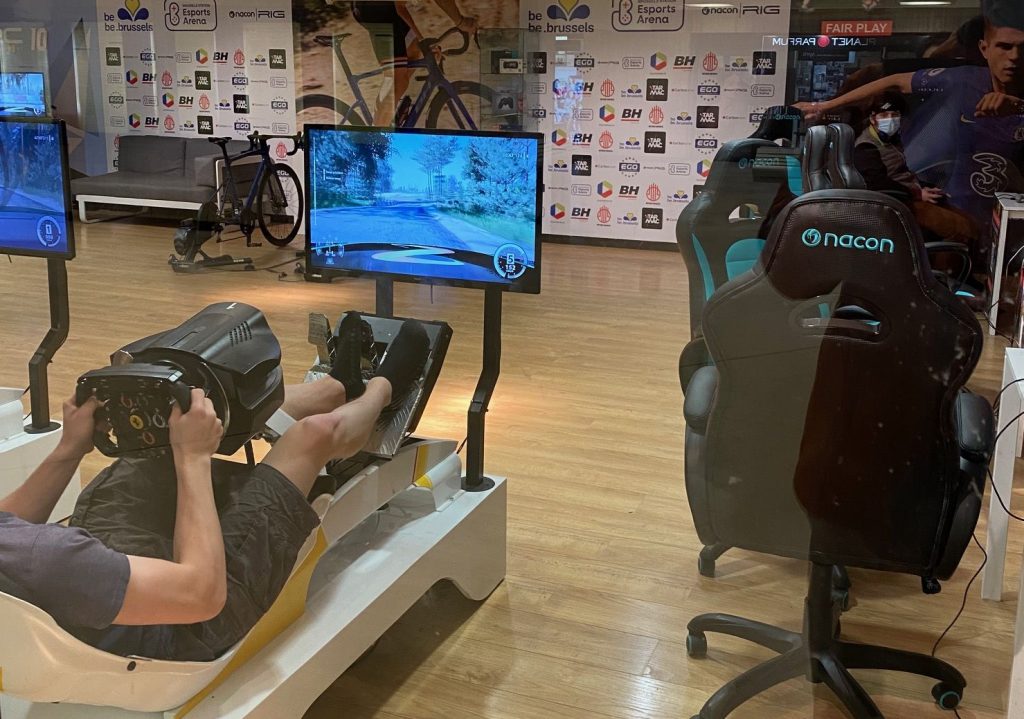
From a scientific perspective it is difficult to defend that a mechanism works in one direction and the opposite as well. Racing cars in inner cities seems to show that certainly not all of youth is able to make that distinction between virtual and real-world dangers for example. Alternatively, the mechanism at work might be that the virtual experiences lower thresholds of inhibition to take risks, to kill or to be exposed to spiders.
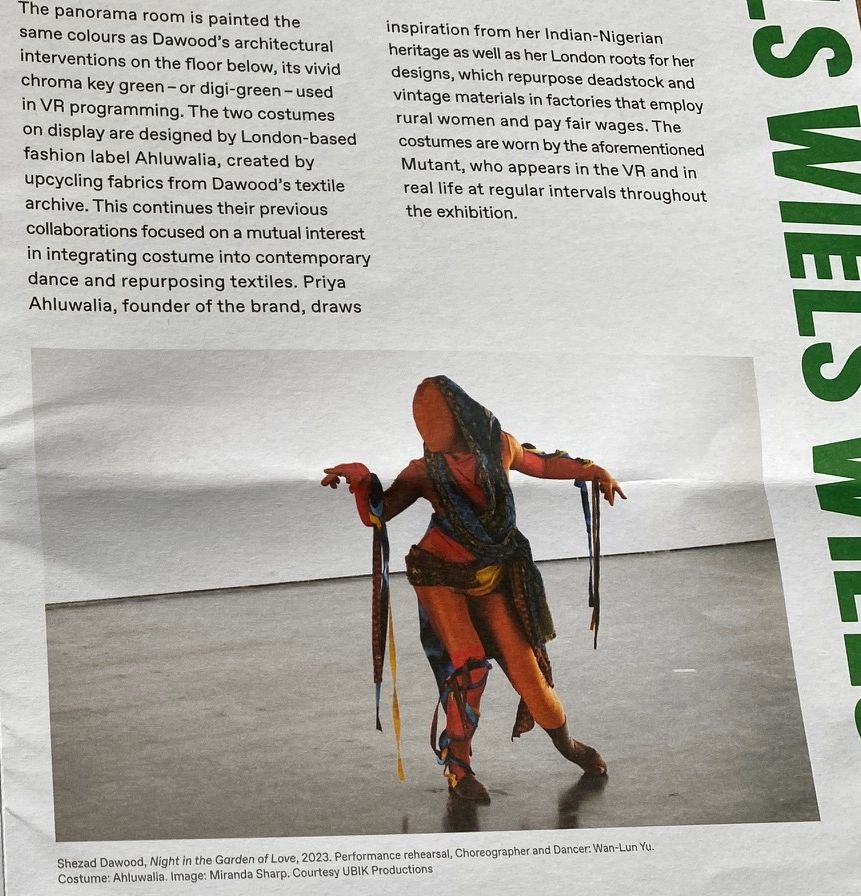
These examples are a starting point for a sociology of virtual experiences. Who gets locked into virtual worlds? Are virtual worlds an escape room or a realization of virtual freedom which is restrained in real life. Authoritarian regimes might lead more people to emigrate into virtual, free worlds. The inner-exile has been a refuge for many artists in the past. A lot we shall need to hypothesise and explore with empirical data. Dance with a virtual stranger might be the beginning of a new experience and virtual interactions. (Image: Wiels, Shezad Dawood, Night in the Garden of Love 2023-6, Game car race).