Greenwashing

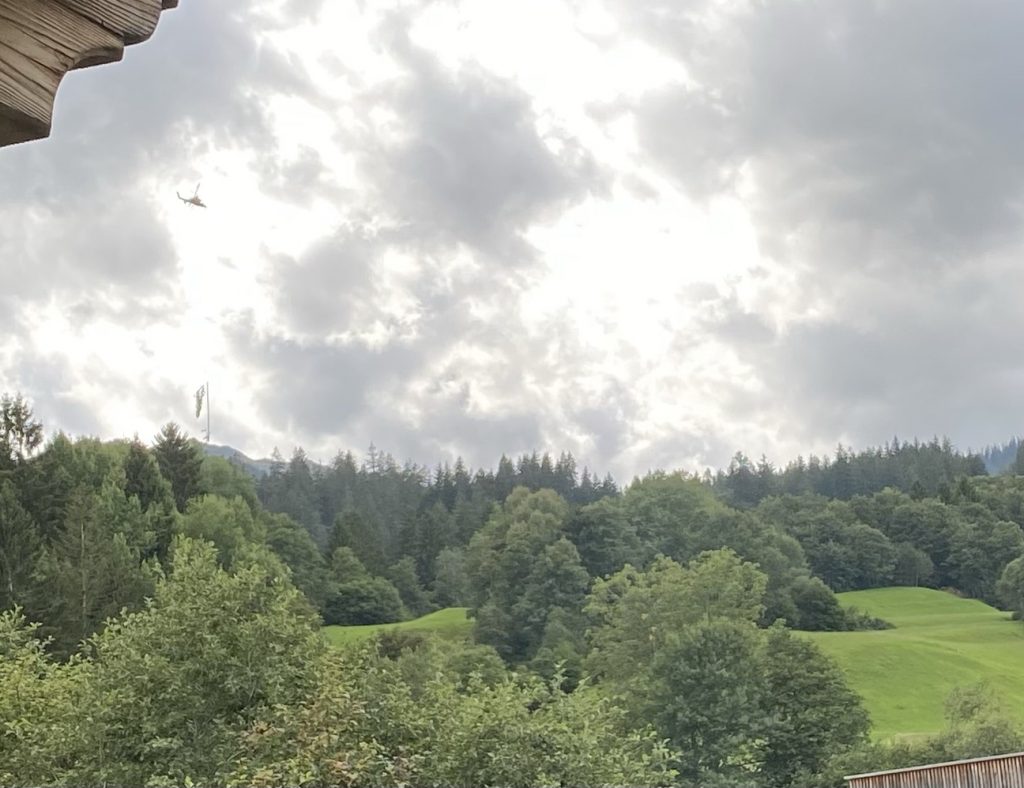
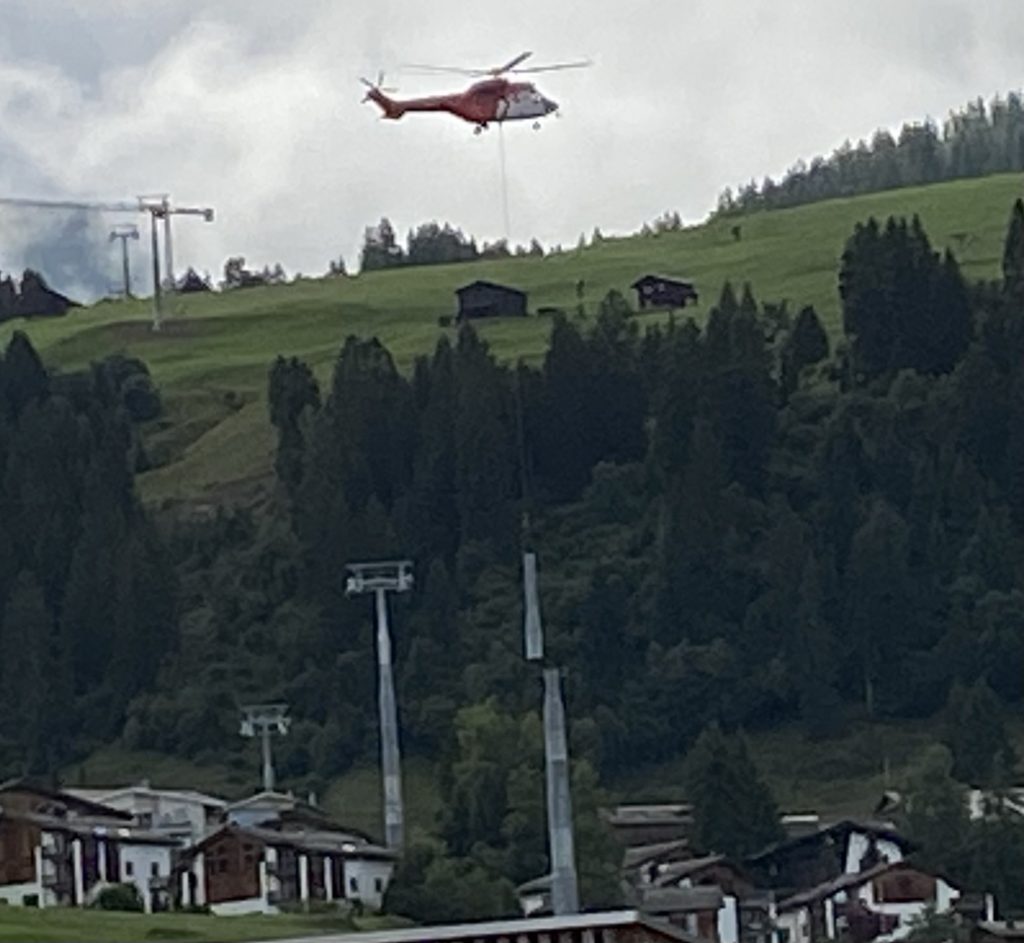
We mostly think of greenwashing of big polluting industries , but there many other ways to cheat with green labels. When you travel through green Switzerland you might be surprised of how the Swiss way of greenwashing works. In order to survive as tourist attraction with less snow (Study published in Nature Climate change 2023) and reduced numbers of trees, greenwashing has to happen quickly before tourists arrive again.

The challenge is to clear your sick parts of the forest quickly and to build new ways for fast lifts to heights in the mountains where you are likely to find snow at least for the next 30 years after which the investment is amortized. (quote from Neue Zürcher Zeitung 5.8.2023 p11). This all is carried through in speedy fashion and probably in the most polluting way you can imagine. Heidi would cry in the arms of her grandfather and join Greta in the school strike.

Graubünden 8-2023
Pilotis Pilotitis 2023

Garten

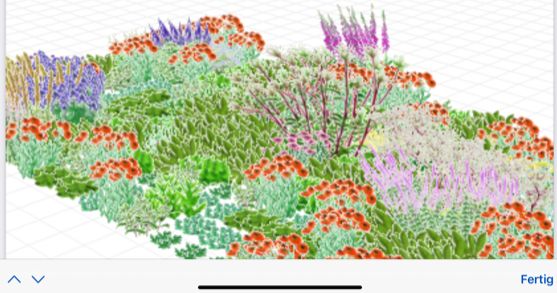
Ach es ist so schön im Garten. Ein schöner Garten will geplant werden. Das gelingt auf besondere Weise mit dem „Pollinator“. Hinter dem Pollinator verbirgt sich ein Kunstprojekt, das viele kleine Gartenkunstwerke zu einem großen verbinden möchte. Spannend ist nicht nur das Vernetzungsprojekt von vielen einzelnen Parzellen zu einem größer werdenden Gesamtprojekt (Aggregation), sondern der für Kunstschaffende gewohnte Perspektivwechsel. Aus Sicht der Bestäuber der Pflanzen und Blumen gesehen ergibt sich eine vogelähnliche Perspektive auf den Garten.
Der Parcour einer Biene oder eines Schmetterlings durch unsere Gartenparzelle regt zum Träumen an. Vielleicht hätte Franz Kafka nach der Parcour-Erfahrung ein anderes Insekt gewählt. Mir gefällt die 2D, 3D, 4D Perspektive, die es erlaubt, den blühenden Garten im Zeitraffer durch alle Jahreszeiten zu visualisieren. Das ist Gartenarbeit ohne die mühsame Kleinarbeit des Pflanzens und Unkrautjätens. Es wird nicht gleich ein Garten wie von Impressionisten in Argenteuil von Monet oder in Yerres von Caillebotte daraus, aber ein farbenprächtiges Kleinod allemal. Mein erster virtueller Versuch (Link) ist schon recht farbenfroh. Lateinische Namen auffrischen ist schon fast ein Beitrag zum gesunden Altern, besonders wenn der Garten einige Kilometer entfernt ist. Im Sommer lassen sich leicht neue Pläne schmieden. Herbst und Winter, Trockenheit und Hitze lassen uns das Gartenkunstwerk nochmals überdenken. Spielerisch ein Gartendesign gestalten, kann der erste Schritt für mehr Natur sein. Biodiversität macht Spaß und hilft uns allen. Kleinvieh macht eben auch Mist.

Car Energy

The car industry sells more electricity-driven than diesel-cars for the first time in July 2023 (ACEA, 2023). This is a turnaround, considering the large share of the most polluting cars in the EU. It is difficult to see this as good news as newly sold diesel-cars will be around and polluting for many years to come. Hybrid cars are an own category and full of heavy additional material that allows 2 types of mobility. Tax reductions to push hybrid cars into the EU-market were very expensive for tax-payers and increasing inequality through co-financing rather expensive cars. 36,3%, the largest share, are still petrol-driven cars, with little awareness for further CO2 reductions. This is the slow evolution of the energy consumption pattern of the automotive industry in Europe.
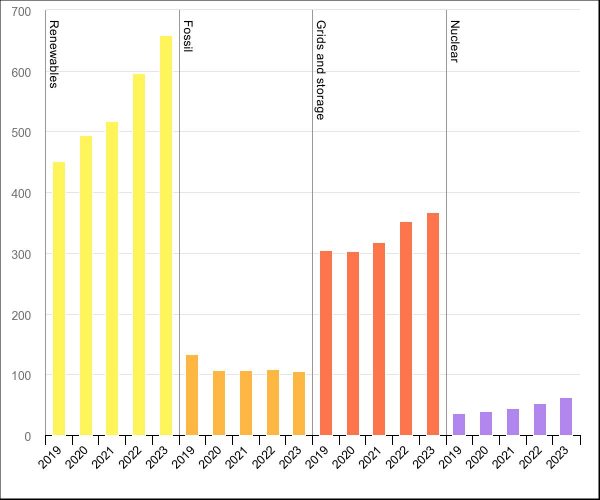
On the energy production side there have been substantial efforts to invest in clean energy, too (IEA, 2023). With the world burning at several places already it is, after all, good news that investment in solar energy production on a global level has reached the level of investment in fossil fuels. Major drivers of this evolution are 1. China, 2. Europe and 3. The U.S. A. (unadjusted for population size) according to this investment report. Grids and storage investments rise equally to new heights, reflecting new distributional aspects of power provision within and between countries. We are in the race against the burning of our planet due to our shameless use of fossil fuels, worst in form of flying small jet planes. Besides the large company and state investments we need the spending and investment power of the masses to speed up the end of the fossil fuel age of polluting dinosaurs. Please do not replace one dinosaur (coal, oil, gas) with another one (nuclear). Too big to fail is maybe an economic rationale, but it does not withstand natural disasters (Fukushima), human failure (Tschernobyl) or war activity (Saporischschja).
(Figure source: IEA, Power investment in billion US$, 2019-2023, IEA, Paris https://www.iea.org/data-and-statistics/charts/power-investment-2019-2023.

Schwalbe

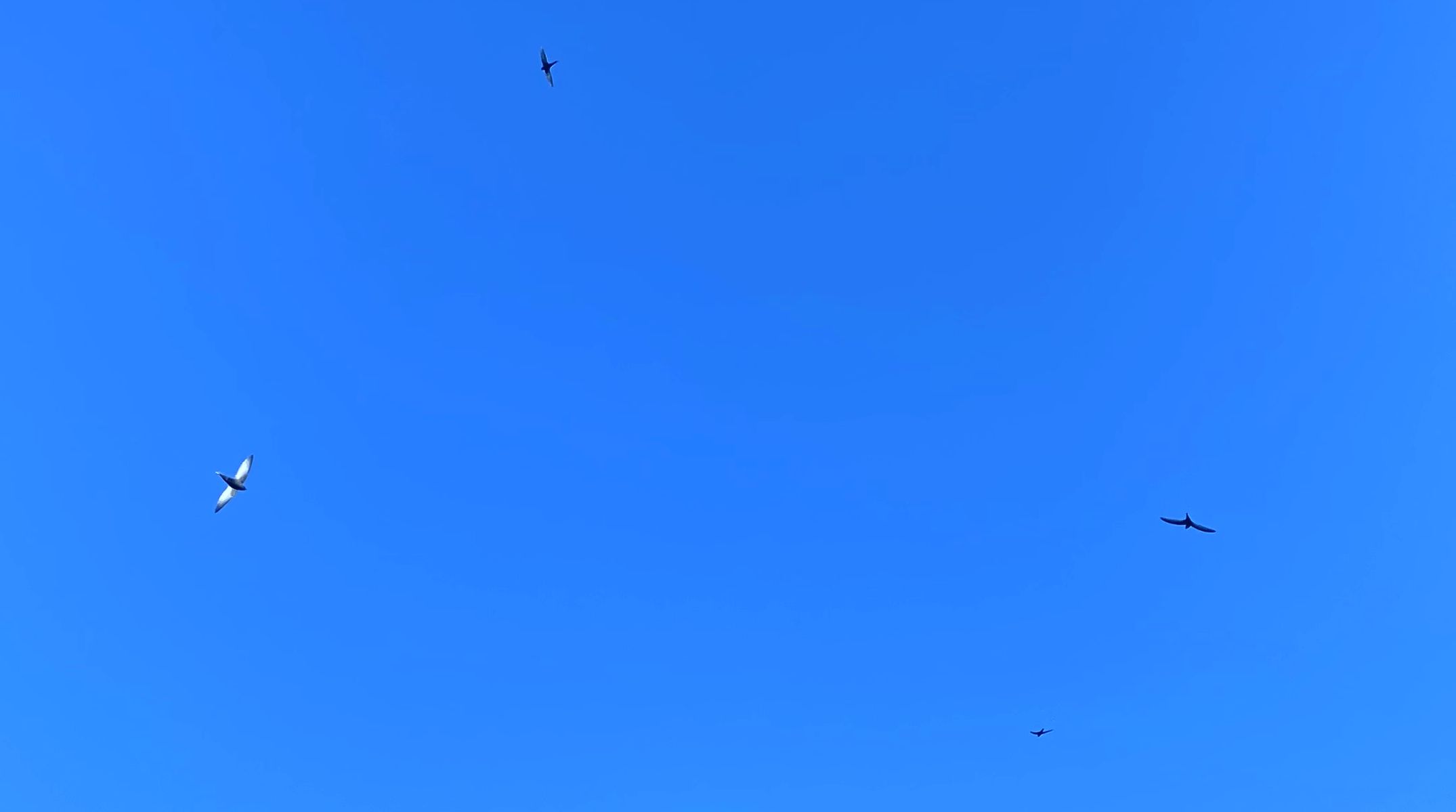
Verzicht auf Spritzmittel wie Gluphosat in großen Mengen an Bahngleisen, Autobahnen und sonstigen Verkehrswegen kann schon viel helfen, dem Artensterben zu begegnen. Unkraut zupfen im Weinberg, Nutzgarten oder Ziergarten, statt die chemische Keule einzusetzen, beginnt Wirkung zu zeigen. Zarte Ansätze von Biodiversität sind beispielsweise die Rückkehr der Schwalben (Hirundinidae)  in vielen städtischen Bereichen. Das freut sehr viele Menschen, die das Zwitschern der Schwalben lange vermisst haben. Die Schwalben ernähren sich hauptsächlich von Insekten. Genau diese Insekten werden aber mit den Spritzmitteln ebenfalls vernichtet. Das führt nicht nur vielfach zu erheblichen Gesundheitsschäden beim Menschen, sondern lässt sich an dem Vogelbestand bereits gut ablesen.
Daher ist es ein gutes Zeichen, dass die Schwalben zurückkommen. Wir bieten mehr Nahrung, Brutstätten und weniger Umweltgifte in den Innenstädten. Nebenbei braucht der Stadtneurotiker dann auch weniger in das Umland auszuschwärmen, um urwüchsigere Landschaft und Klangwelten zu erleben. Ein paar Singvögel leisten damit sogar einen Beitrag, die persönliche CO2-Bilanz aufzubessern.
Für alle, denen Vogelstimmen zum Wohlbefinden beitragen, hier noch ein Link auf die umfangreiche Hitliste der Stimmen der Mehlschwalben. Von dort lässt sich die Vielfalt weiter erkunden. Für Musikliebhabende lässt sich im Internet auch eine Webseite zu der Verwendung von Singvogelstimmen in der meist klassischen Musik und darüber hinaus, finden (BR-Klassik).
Schwalben schlagen zudem jede Wetterapp in der Kurzzeitvorhersage von Regenschauer im Sommer. Ein nahendes Tiefdruckgebiet mit Regenschauern zeigen die Schwalben bereits mit Tiefflug-Akrobatik an. Der richtige Indikator verbessert eben die Vorhersage. Das können Ökonomen und Meteorologen aus der Biodiversität lernen. Wir erfreuen uns einfach an dem Zischen der Schwalben im Flug und lassen uns inspirieren oder amüsieren uns an anderen Spielarten von Schwalben (Moped, Fußball, War and Diplomacy).

Ground Water

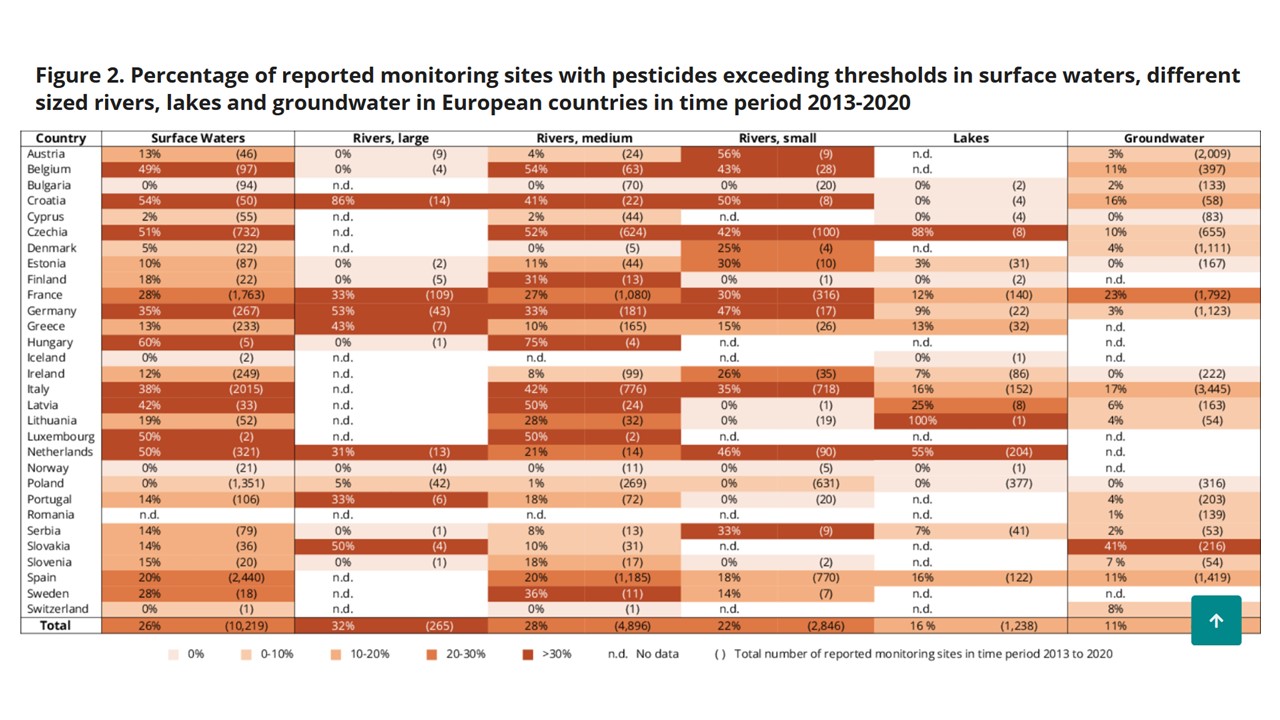
The European Environment Agency collects annual data on pesticides in the ground water. The water most of us use in some form or drink. This used to be possible without too much thinking a generation or two ago. We now learn that this might be more and more dangerous, particularly in areas, where less rainfall and prolonged periods of draughts most likely increase concentrations of pesticides even in our tap water. Drinking this, raises more concerns. We know that in big cities and nearby of hospitals water quality is worse due to the concentration of particles from chemicals applied to increase contrasts in medical imaging. Pesticides are mainly used in agriculture, road and rail maintenance, but also households apply them for simplicity.
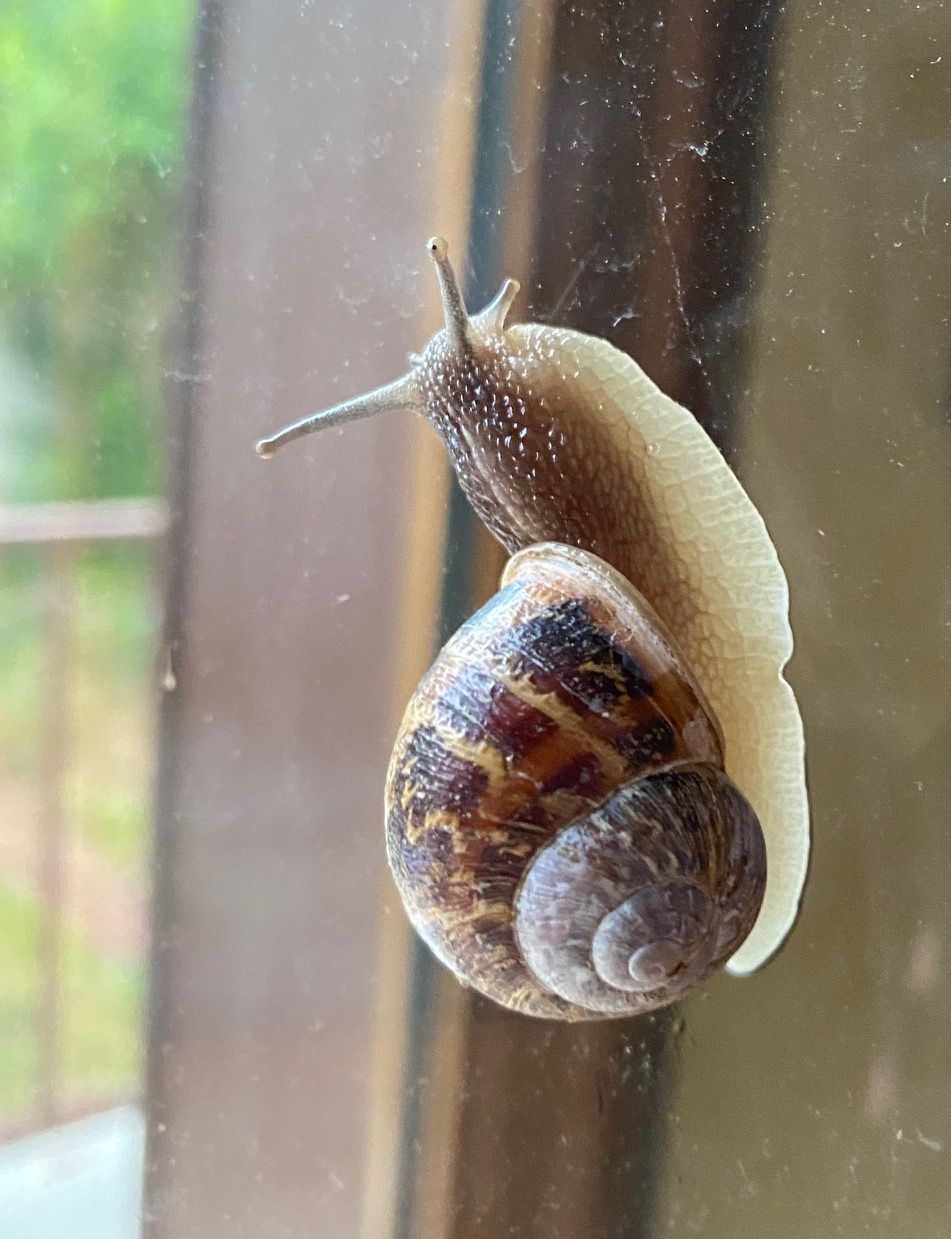
Snails (escargots) might invade your garden and even your home at times. However, it is just a little bit of exercise to “relocate” them in a decent place other than your home. Prepare a race for several ones and bet on who is going to win, but please refrain from the  use of more pesticides. Several species of them are consumed and, depending on your taste, considered a delicious part of a meal (for example in Bourgogne, France). It should be easy to agree to stop the heavy use of pesticides across Europe and beyond. We shall have to protect the salads we grow differently. Human intelligence is able to allow other solutions than just killing as efficiently as possible ,at the same time, endangering our own species.  (Comparable data EEA below).

Waldbrände

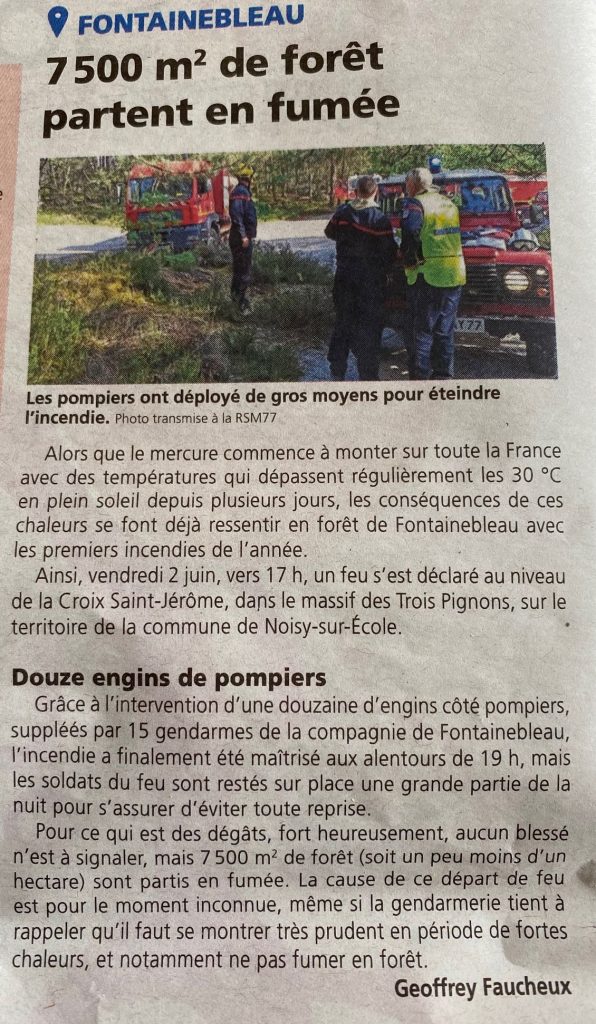
Waldbrände sind leider jenseits vom Süden Europas auch im Zentrum von Europa ein Bestandteil der täglichen Gefahren geworden. Vor 50 Jahren waren die seltenen heißen Sommer die große Gefahr. Seit einiger Zeit bemerken wir öfter heiße Sommerwochen, die die Wälder austrocknen und leicht entzündlich machen. Jetzt haben wir die noch frühere Sommersaison nicht nur im Süden, sondern auch im mittleren Europa. Neben den Bränden in der Lausitz in Deutschland, kämpfen Feuerwehrleute öfter in den französischen nördlicheren Waldregionen mit Bränden. Eine Nachricht, wie die zum Brand Anfang Juni im „Forêt Fontainebleau“, sollte uns klar machen, da brennt unserer europäisches ökologisches und kulturelles Erbe. Jeder hat die brennende Kathedrale „Notre Dame de Paris“ noch in Erinnerung. Da war Klimawandel nicht die Ursache. Bei den Waldbränden sieht das anders aus. Das Ergebnis ist das gleiche. Die Vernichtung unseres kulturellen Erbes schreitet voran ohne Prävention. Das ist eine zentrale Aufgabe. Nicht erst in der Zukunft. Prävention verlangt Handeln, Planen und Implementieren schon heute. Das ist ein riesiges Qualifizierungsprogramm nötig. Es umfasst die Sensibilisierung für die allgegenwärtigen Gefahren genauso, wie das Schulen allfälliger Einsätze von professionellen und freiwilligen Helfenden. Gefahr erkannt, heißt leider nicht schon Gefahr gebannt. Da gibt es viele Zwischenschritte, die geprobt sein wollen, damit ein effektiver Einsatz gelingen kann. Es bleibt viel zu tun, packen wir’s endlich an. (Artikel in La Marne 7.6.2023 S.6)

Birds

The study published in PNAS in May 2023 is demonstrating the loss in bio-diversity with respect to birds over last few decades. Our economic growth has caused considerable costs. Some of these costs we shall never be able to make up again. Species gone for ever, we should care. Measuring the loss is a first step in calculating the negative impact our economic growth models have already caused. Time to stop, repair and reverse as much as we still can. It is not fair to next generations to destroy a large amount of bio-diversity now and leave the exploited planet to “no-future generations”. A good documentation of the losses (radio-france-LINK) allows us to pin down who is most responsible for the losses. Agro-industry with the heavy use of pesticides is well known for the huge negative impact it has on bird populations and us as well. It is not only a European issue, but rather a world-wide issue. However, starting at home is a huge step to practice agriculture differently. Most of this is known for some time. It is the implementation of the necessary policies where powerful lobbying is successful to carry on as usual. Thinking “Beyond growth” delivers many useful perspectives and solutions to these problems.

Put People First

Put people first is a natural claim of human beings. We tend to abstract from the fact that we implicitly rely on a sufficient biodiversity for our survival. Therefore, the natural claim to put people first has many preconditions itself and severe implications. The most obvious implication is related to our world of production and consumption. We need to build an economy that serves its people rather than one that uses up human resources and discards people to an inferior rank of importance. Externalising health and safety at work to save money in the process of production will only cost society much more later on. This needs to be part of the balance sheet of companies not only “national accounts” or relegated to some health statistics hardly known to the public.
Put people first in consumption, has come to our attention recently. With energy prices rising due to Russia’s war on Ukraine territory we have learned that energy prices may be grossly distorted. Firms’ versus consumers’ energy consumption became a thorny issue. Even legislation, like in Germany, that put people’s energy consumption before companies’ consumption of energy became subject for debate.
Same issue with artificial intelligence. Let’s put people first here as well. Discriminating use of language or biased conclusions due to wrong data input to train AI is not acceptable as excuse. AI may serve humans in their work or leisure, improve production lines through error detection or early onset of disease, but it cannot replace the human verification of a just or otherwise justified human intervention. Humans are not perfect, never will be either. This is a tough rule to teach the algorithms that guide AI. Put people first has a strong interpersonal or solidarity element enshrined in it. This is what matters, now, in the medium term as well as the long run.

Beyond growth

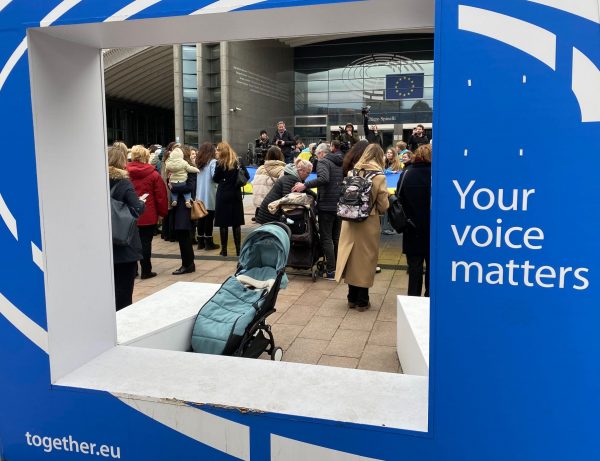
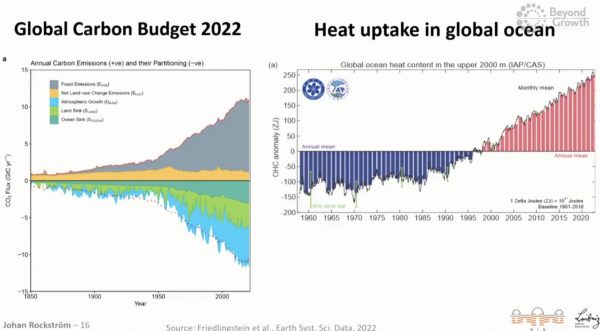
We have reached the bio-physical limits to economic growth much earlier than most people and experts expected. The “Beyond growth conference” at the European Parliament 15.-17.5.2023 is quite unanimous in this verdict of collective failure. Some advocate “degrowth” in various forms. Maybe the framing of how to address the vital topic of how to set objectives for a post-growth economy needs an even broader perspective. It is a global issue, but the industrial growth societies around the globe will have to work together to find and implement solutions. The worldwide conference COP-XY are hardly delivering on the issue. At best they satisfy the ego of political leaders to address important issues providing nice images from nice places in the world (Paris agreement) to advance their own political campaigns.
From an economist’s view rather than solving a very complex issue with uncertain outcome, it is more instructive to, for example, start to produce the same economic and social well-being by using much less natural resources above all climate-toxic elements (Carbon-dioxide CO2, Chlorofluorocarbons CFC, or methane). These are simple first steps with a rather immediate effect. After the recent crises we have learned to safe resources (heating) and reduce mobility, just continuing on this trajectory is feasible. Vastly excessive forms of consumption need to be capped through targeted taxes that allow redistribution or investment in reduction of pollution. It isn’t hard to do, or “It’s easy, if you try“, we might sing.

Biotop

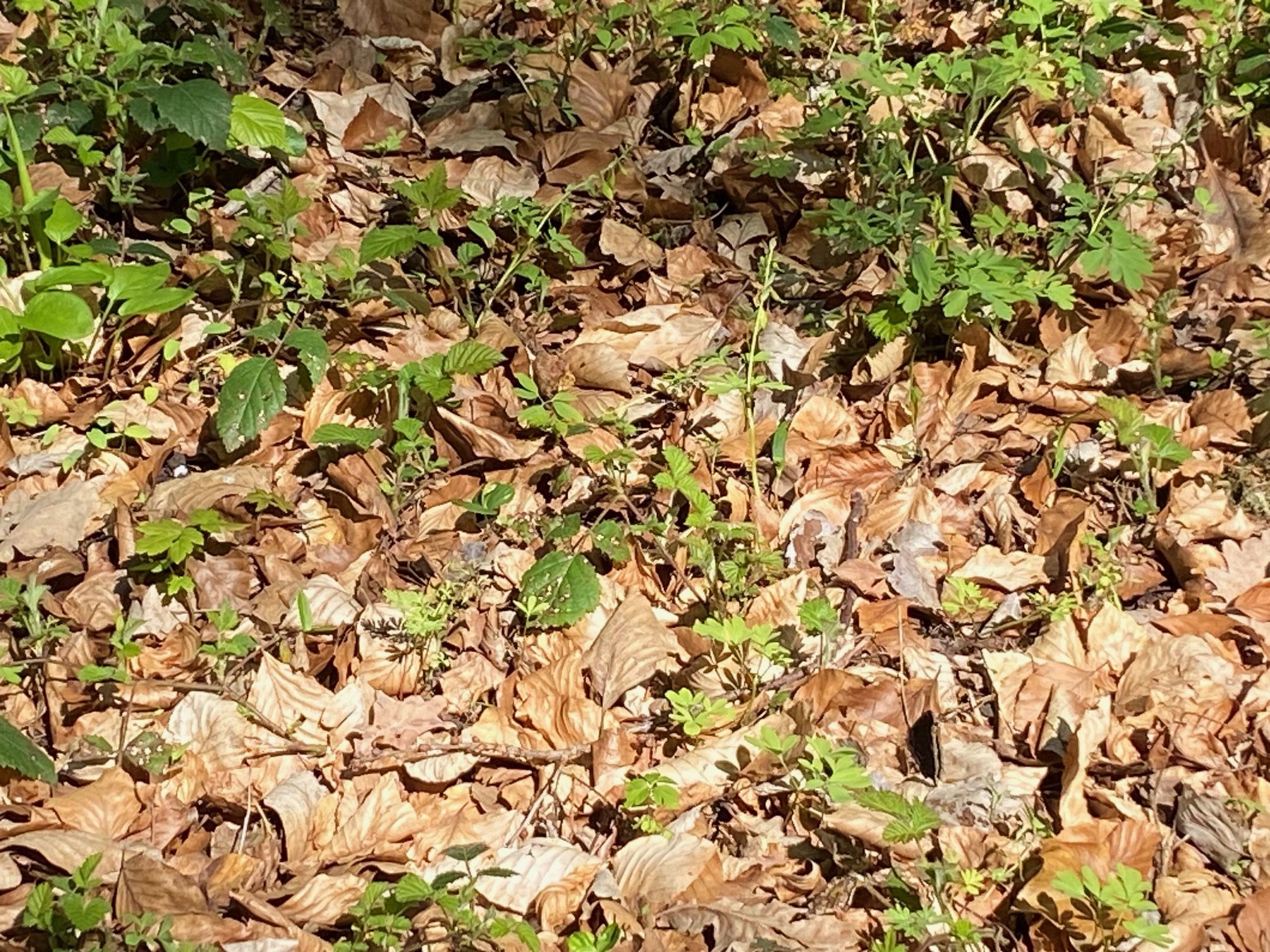
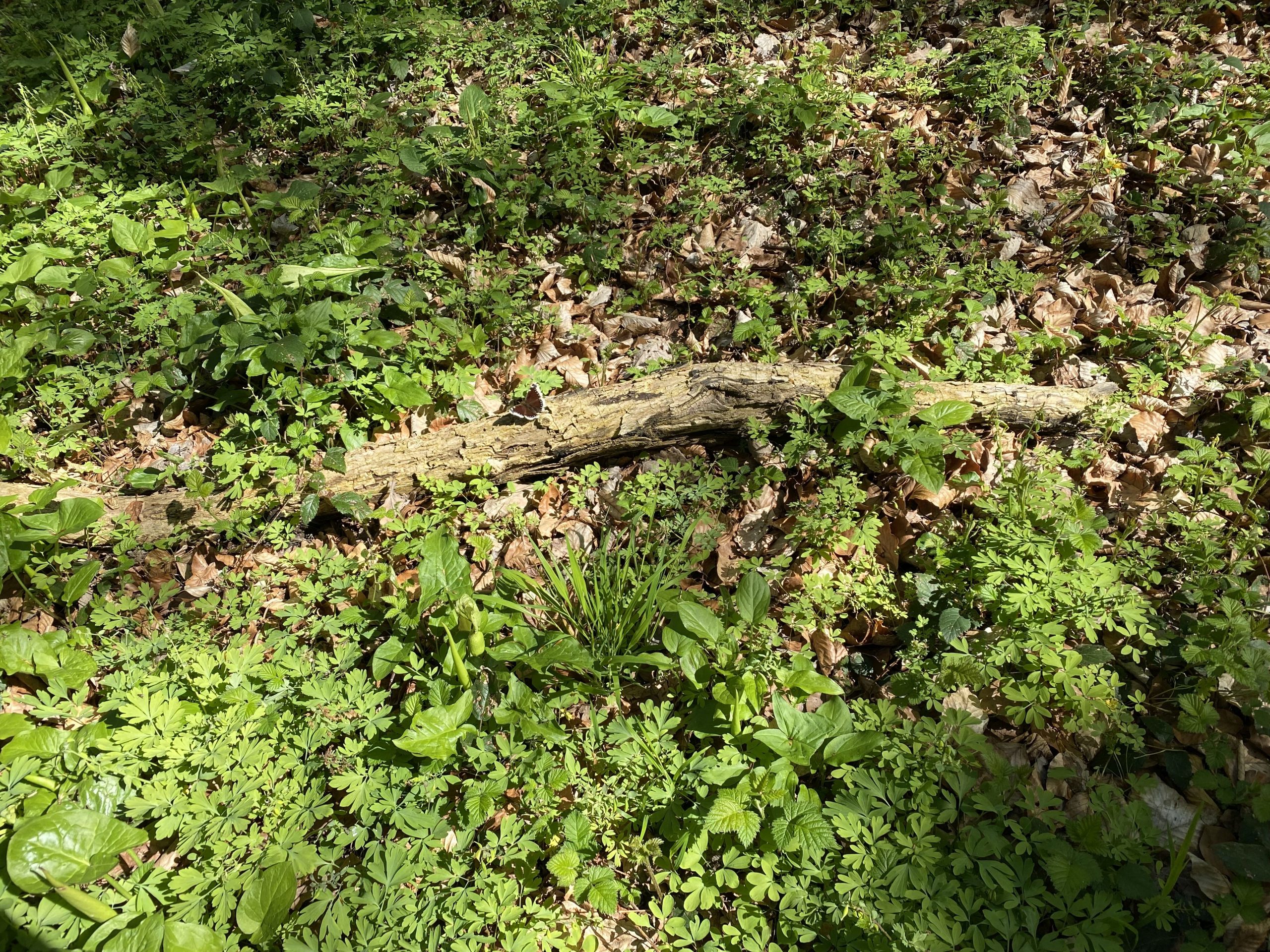
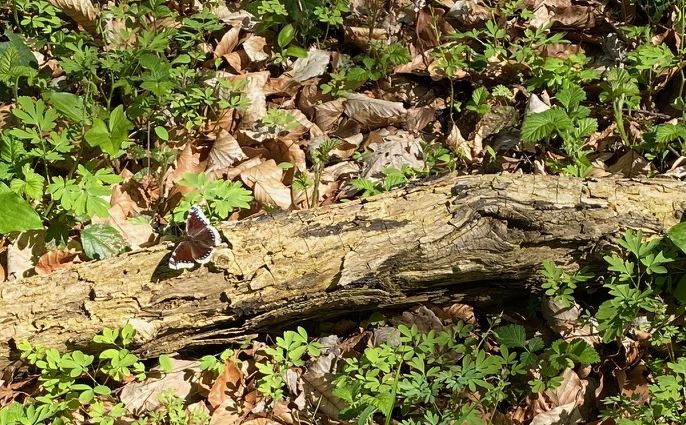
Die Sensationspresse, zu der leider mehr und mehr ehemals seriöse Zeitungen neigen, zitiert Biotope meistens als Wirtschaftsbremse, Wachstumsverhinderung oder Spaßbremse. Da fällt es schwer dagegenzuhalten. Biodiversität ist nicht umsonst zu haben. Viele Schmetterlingsarten leben bestens angepasst an ihr ökologisches Umfeld, vergleichbar einem Biotop. Farbenpracht dient zur Tarnung im Gelände oder zum Anlocken von Paarungspartnern. Im Botanischen Garten in Berlin werden solche Inseln der Glückseligen für viele Regionen Europas und darüber hinaus nachgestellt. Der frühe Schmetterling von Ende April ist kaum zu bemerken, so gut passt seine Farbkonstellation in sein Umfeld. Es werden richtige Suchbilder und Geduldsproben, die Falter zu entdecken (bitte unten testen). Belohnung lockt für die Geduldigen, wenn das auch vielen von uns unerträglich schwerfällt. Zu schnell sind die Umgebungen für vermeintliche, kurzfristige, wirtschaftliche Interessen zerstört und die angepasste Tierwelt ebenso. Das Bundesnaturschutzgesetz (BNatSchG) intentiert einen Schutz. Der ist aber wohl allzu leicht auszuhebeln. So wird die Farbenpracht und das Tanzen der Schmetterlinge zunehmend in Konzertsälen zu hören oder darüber zu lesen sein, aber seltener in Biotopen zu bewundern sein. Artenvielfalt als Biodiversität braucht die passenden Räume dazu. Eine große Aufgabe bei dem weiteren Anwachsen unserer Spezies.