In the Handbook of political theory, Chandran Kukathas (2004, pp.250) explains the uneasy relationship between nationalism and multiculturalism in politics and political theory. The Russian war in Ukraine can be considered as a way of suppression of multiculturalism in Russia by negating the right of Ukraine to be an independent nation. As Russia is not allowing “group rights” (Offe, 1998) for Ukrainians or other minorities like the Chechens within Russia, the secession of regions is a permanent threat to the survival of the Russian state.
“How the many can live as one remains a salient question in political theory” (Kukathas 2004, pp.261). Democracies have squared this circle with reference to federalism. Remember, the very foundation of the United States of America has been built on the Federalist papers. Organising regional diversity is at the heart of democracies’ success and failure. In most democratic political systems 2 chambers have contributed to make the voices of the regions heard at the central level. It remains an obvious question to doubt the possibility of authoritarian states to ensure unity despite diversity.
In non-explanatory theory, if we consider those still a theory, we could derive a hypothesis that authoritarian states will eventually fail to accommodate multiculturalism or allowing sufficient diversity and still survive as political unity. The history of the fall of empires is full of examples in this respect. Another more internal threat has been and still is corruption. Corruption was on the list of issues mentioned in the June 2023 uprise and defeat of the rebel military group “Wagner” in Russia. Non-explanatory political theory might still offer some clues, rationale and hypotheses to stimulate the analysis of international relations. The survival of democracies and/or authoritarian regimes estimated on the basis of huge data bases are hard to come by or lack crucial indicators or timeliness. Such reasoning makes the referral to Clausewitz as theorist of war still a common point of reference. The recent example of Russia , however, shows acting in the national interest can easily be claimed by multiple actors in international politics. (Image: House of European History, Brussels). 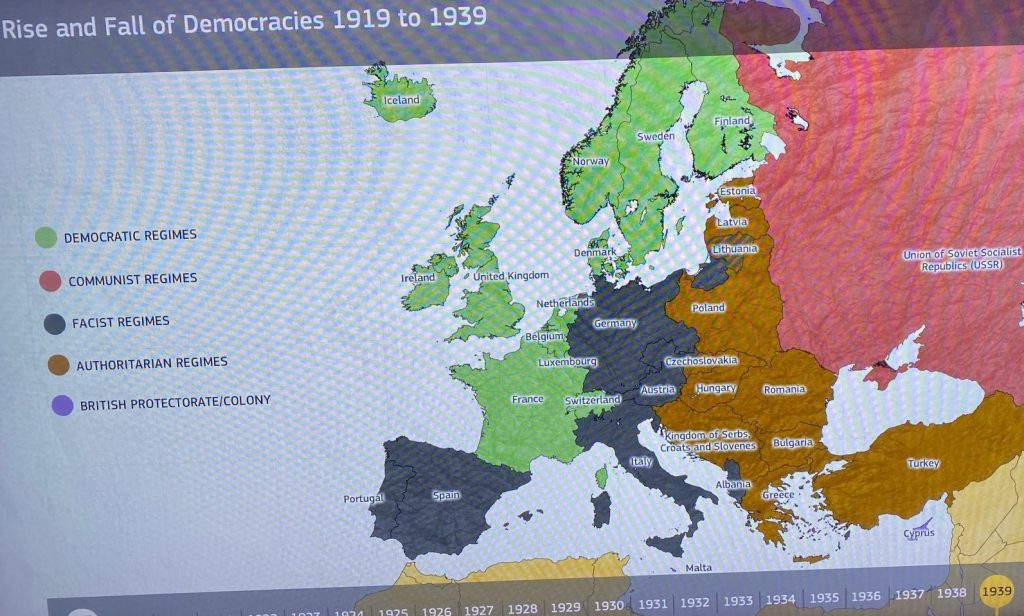
Ukraine Diary
The gallery curated by Dr. Justyna Napiórkowsak in Brussels has another ongoing exhibition with art work from Ukrainian artists. As before in the exhibitions on the war of Russia in Ukraine, they put a major emphasis on the independence and resilience of Ukrainian art despite the ongoing war. To keep a diary of atrocities, but also survival and resistance to violence by Ukrainians, is a great effort. It stems primarily from artists that struggle to find adequate material to keep working or not to succumb to the participation in active war or military defence efforts. Using soft colours, water colours, has a rather symbolic meaning, after the inundation caused by the explosion of the huge water reservoir on Ukraine’s territory. Producing art in form of a diary, like reporting daily to yourself and the outside world as well as later born persons, has an important historic function, too.
No less than the “Diaries of Anne Franck” comes to our mind when thinking about a diary during war time. Russia’s attempt to eradicate Ukrainian culture is bound to fail. We shall cherish the Ukrainian diaries from the war time now and later. Thanks for reminding us of this collector’s duty to support the artists, writers and people of Ukraine. 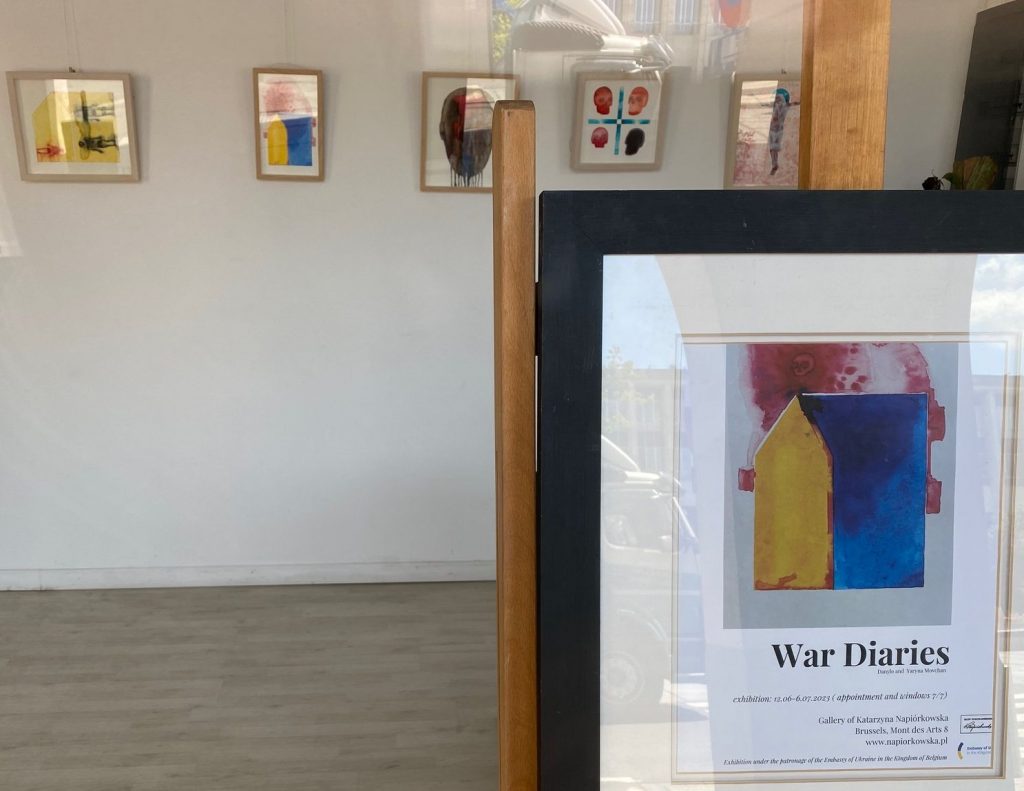
Corruption EP
Corruption is a severe crime. Not only in administrations, organisations and enterprises, but primarily in democracies it is discrediting political systems. Autocracies rely on corruption as a major tool to be able to persist over time. They are used to such practices. Democracies rely on meritocratic systems, where ideas, effort and winning elections should be the major ingredient of achieving higher positions in organisations, enterprises, political parties and democracies. This is not easy to ensure. The European parliament has a tough time to get rid of an enemy of the democratic Europe. Rather than stepping aside for the time of the legal procedure, Eva Kaili, accused, but not yet convicted of corruption is willing to destroy the European project as much as she can. If money can buy political decisions, the European project will no longer find wide-spread support. Big interests will always have a strategic advantage, however, the ethical principles on which democracies are found have to guard against corrupt misbehaviour. The same applies to the business world. Even low corruption countries like Sweden still face a risk of adverse effects of corruption like the negative impact on entrepreneurship on the local level. It is another context, but the same conclusion.
Additionally, it is part of the strategy of corrupt persons to portray themselves as victims of other persons’ wrong-doing. The major function of this strategy is to remind other persons in the corrupt network that the network has still some clout on its members as well as outside the inner circle. Hey, we are still alive and in powerful positions, they proclaim.
Therefore, the fight against corruption is a long and persistent one. Reducing the guards against early onsets usually is very lengthy to fight later on. Always a painful lesson for believers in democracy and the European project. (image Jacques Jordaens before 1678 “The King Drinks! Musées royaux des beaux arts, Brussels). 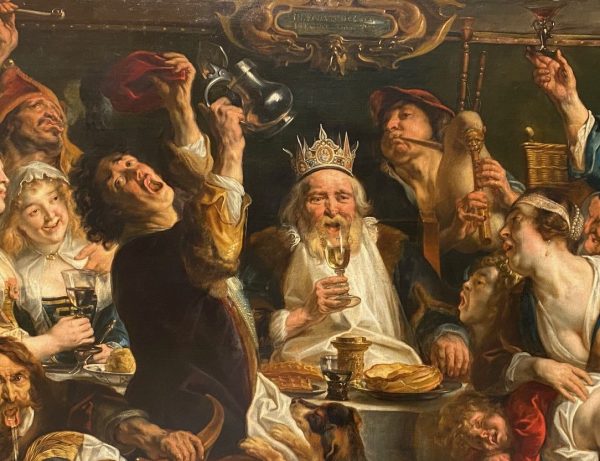
Gewaltmonopol
Für Demokratien ist die Frage des Gewaltmonopols eine sehr entscheidende Frage. In gleichem Atemzug muss dabei die demokratische Kontrolle dieses Monopols gewährleistet sein. Verfassungsrecht in Demokratien ist darin eindeutig. Lediglich die Praxis des Rechts gestaltet sich oft schwierig und durchaus wechselhaft. Die Studie von Laila Abdul-Rahman, Hannah Espin Grau, Luise Klaus und Tobias Singelnstein (2023 bei Campus kostenlos downloadbar) greift das wichtige Thema mit einer repräsentativen Studie von 3300 Opfern polizeilicher Gewalt in Deutschland auf (Zusammenfassung). Anders als im amerikanischen Raum fehlt bei uns bisher die Berücksichtigung von Rassismus und räumlicher Verortung in der wissenschaftlichen Aufarbeitung des Geschehens. Das Interaktionsgeschehen oder Eskalationsstufen (S. 31) bieten einen weiteren Ansatzpunkt zukunftsweisend präventiv tätig zu werden. Die Aussetzung der Strafverfahren gegen Polizeibedienstete wegen Gewaltausübung (Körperverletzung) ist mit 93% aller Fälle außerordentlich hoch. Das Kapitel 8 (S. 307ff.) über die strafjustizielle Aufarbeitung offenbart die Randbedingungen der justiziellen Verfahrensweisen.
Das Gewaltmonopol darf nicht in Frage gestellt werden, aber sobald Gewalt des Monopolisten unverhältnismäßig und rechtsstaatlich ungenügend kontrolliert wird, kommt eine politische Gewaltenteilung langsam ins Wanken. Die wehrhafte Demokratie braucht Polizeigewalt, um beispielsweise das Demonstrationsrecht durchzusetzen oder öffentliche Veranstaltungen zu sichern. Aber die Exzesse polizeilicher Gewalt müssen geahndet werden. Solche Anklagen finden wir in England anlässlich der Krönungsfeier, in Frankreich bei Streiks oder Fußballspielen oder in Belgien bei Gipfeltreffen oder Räumungen von Flüchtlingslagern. Das ist keine Randnotiz. Friedlicher Protest ist wesentlicher Bestandteil von Demokratien. Einschüchterung durch Gewaltanwendung ist Teil der dunkelsten Kapitel und muss entschieden unterbunden werden im Friedensprojekt Europa. 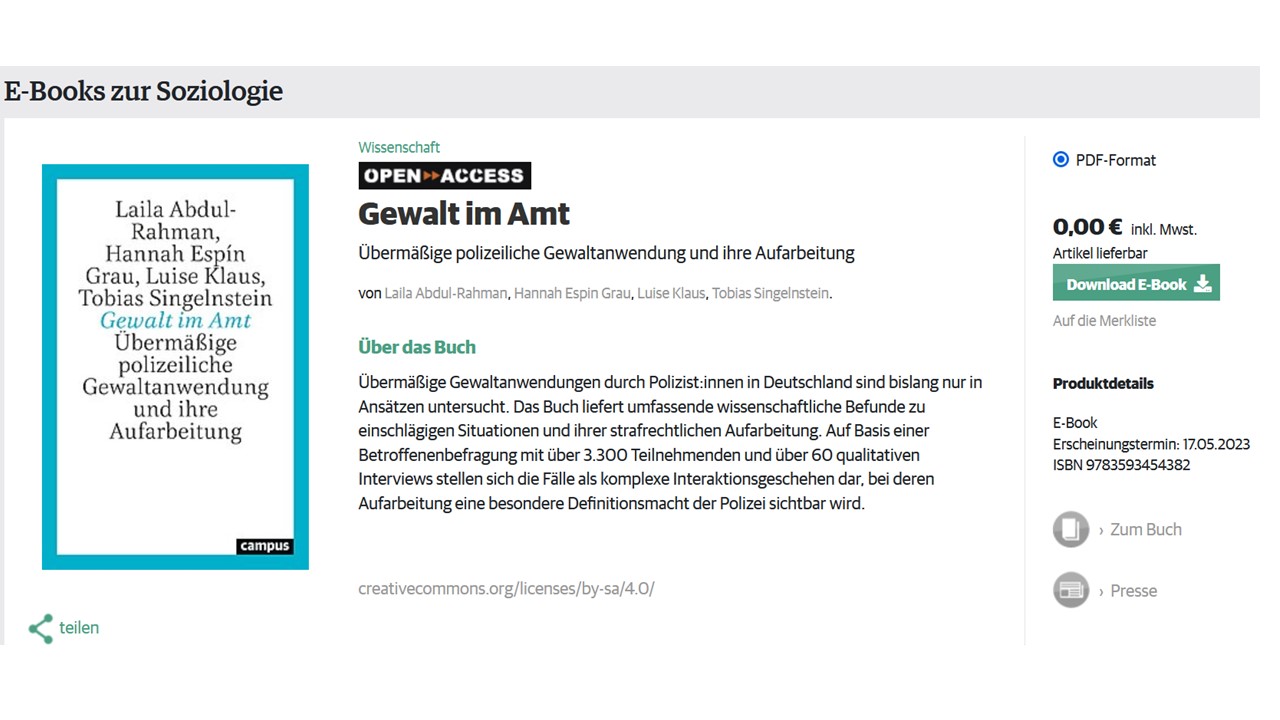
Jahrestage
Jahrestage sind die Geburtstage von Organisationen oder zeitgeschichtlichen Dokumenten. Der 23. Mai ist so ein Jahrestag. Alle BundesbürgerInnen sollten an diesem Tag die Verkündung des Grundgesetzes im Jahre 1949 feiern. 75 Jahre sind das in 2024. Die Ostdeutschen hatten mit den Füßen abgestimmt, dem Geltungsbereich des Grundgesetzes beizutreten. Eine gesamtdeutsche Verfassung lässt noch auf sich warten. Provisorien halten oft ganz gut.
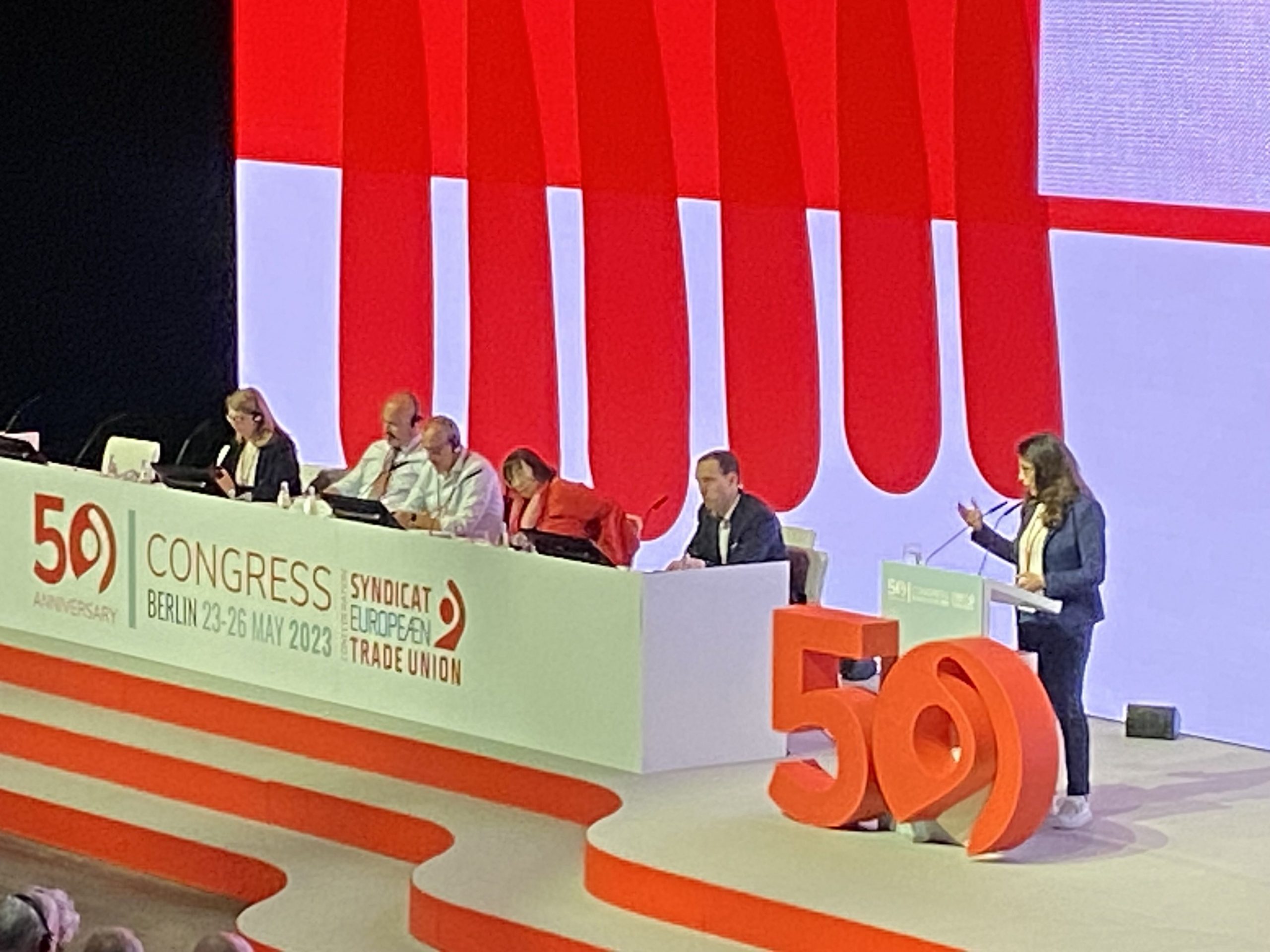
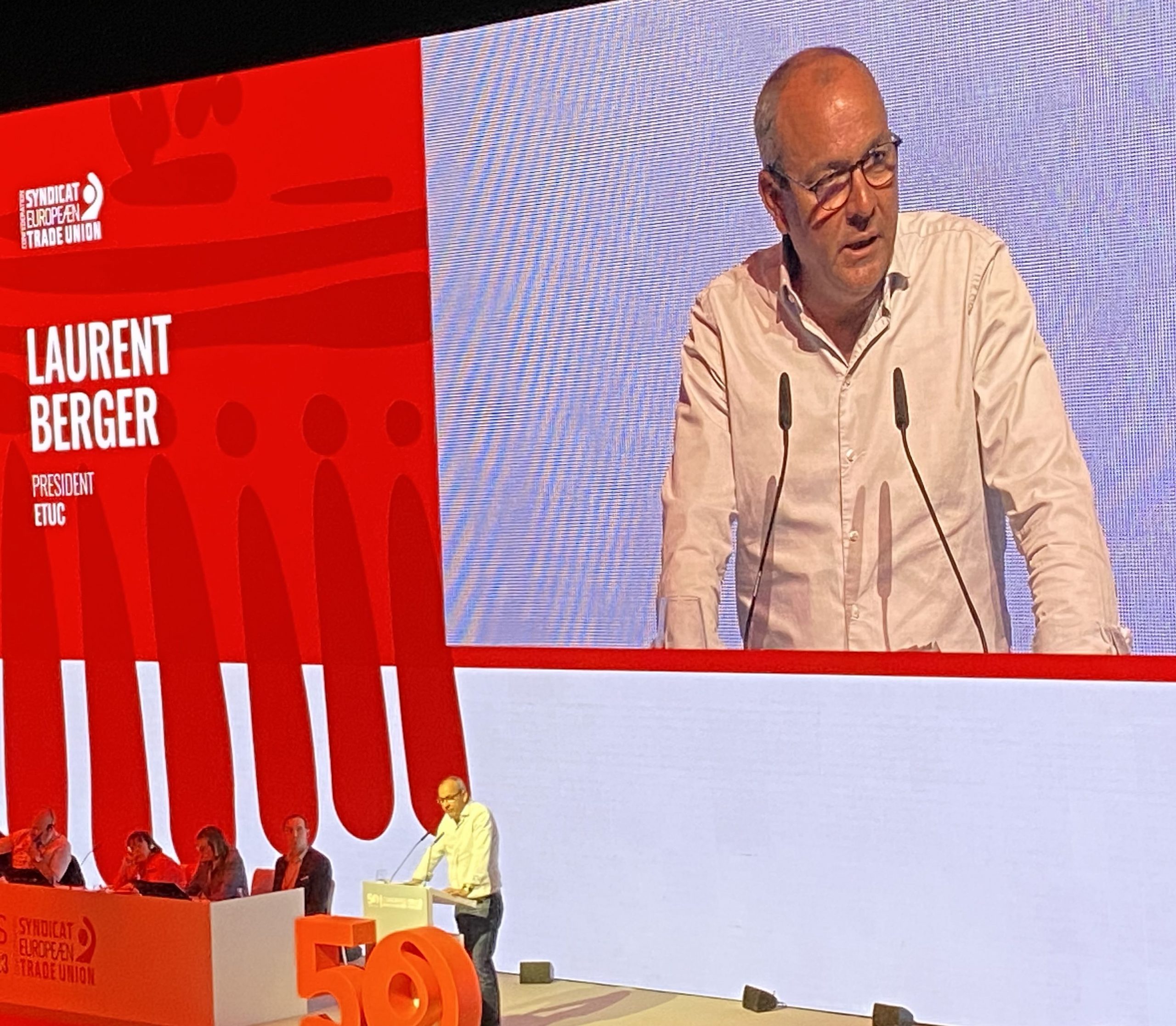
160 Jahre SPD, feiern wir etwas verhalten, ob der enttäuschenden Wahlergebnisse der heutigen Sozialdemokraten beispielsweise in Berlin (außer in Bremen Mai 2023). Der Allgemeine Deutsche Arbeiterverein (ADAV) von 1863 in Leipzig begründete die lange Tradition und der Kampf für Rechte der Arbeiter. Zu dem Jahrestag der Sozialdemokratie passt der am 23.5.2023 in Berlin stattfindende Kongress, gleichzeitig zur 50 Jahre-Feier des Europäischen Gewerkschafsbundes (EGB). Viele Sozialdemokraten haben dabei Anlass beides zu feiern. Ferdinand Lassalle, Gründer des ADAV, forderte aufgrund seiner These vom „ehernen Lohngesetz“, die Armutsbekämpfung zu einem Hauptthema zu machen. 160 Jahre später feiert der EGB in Berlin auf seinem 15. Kongress die erfolgreiche Arbeit für eine europäische Richtlinie für Mindestlöhne. Manche Sprünge brauchen sehr viel Anlauf.
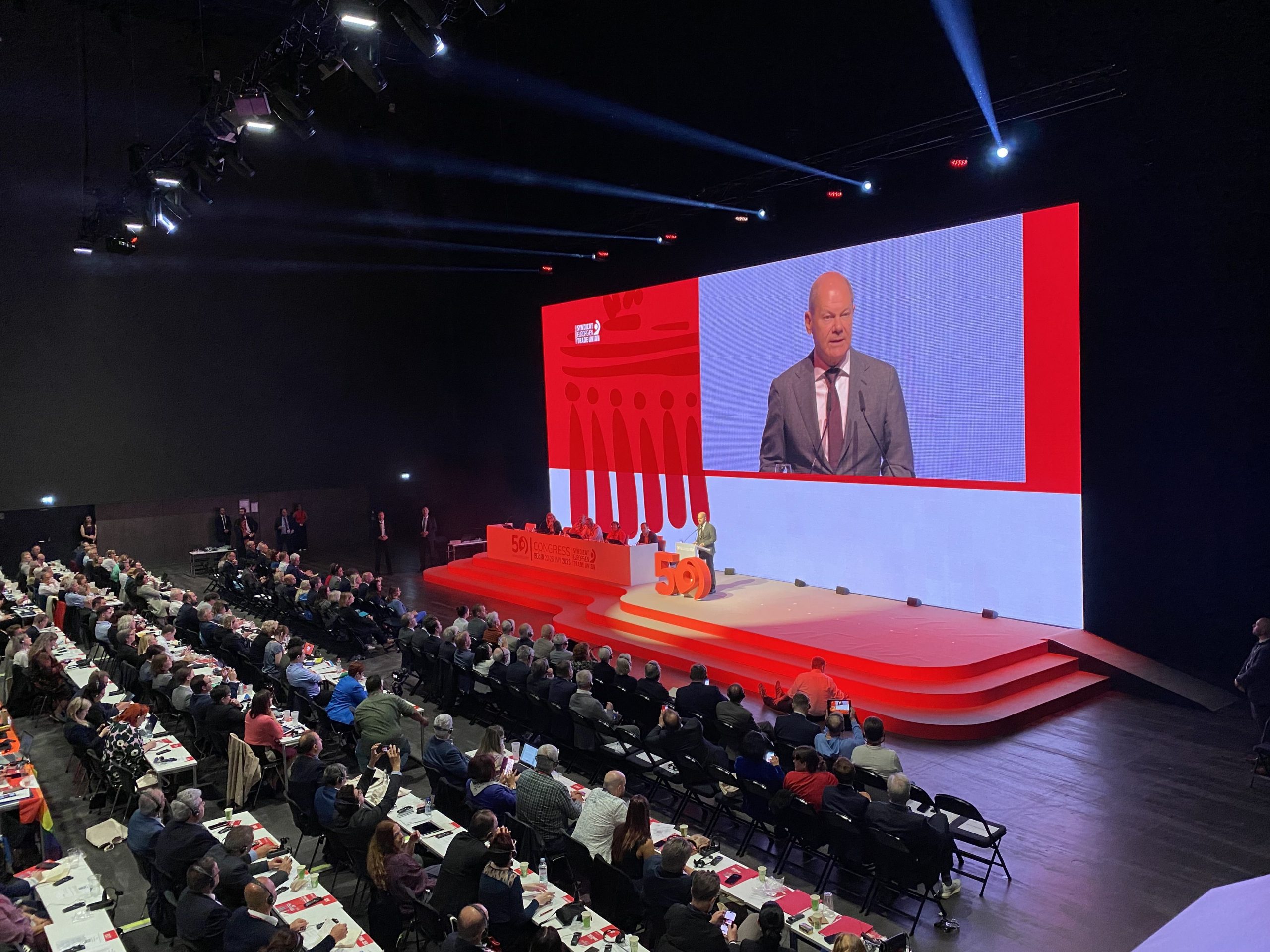
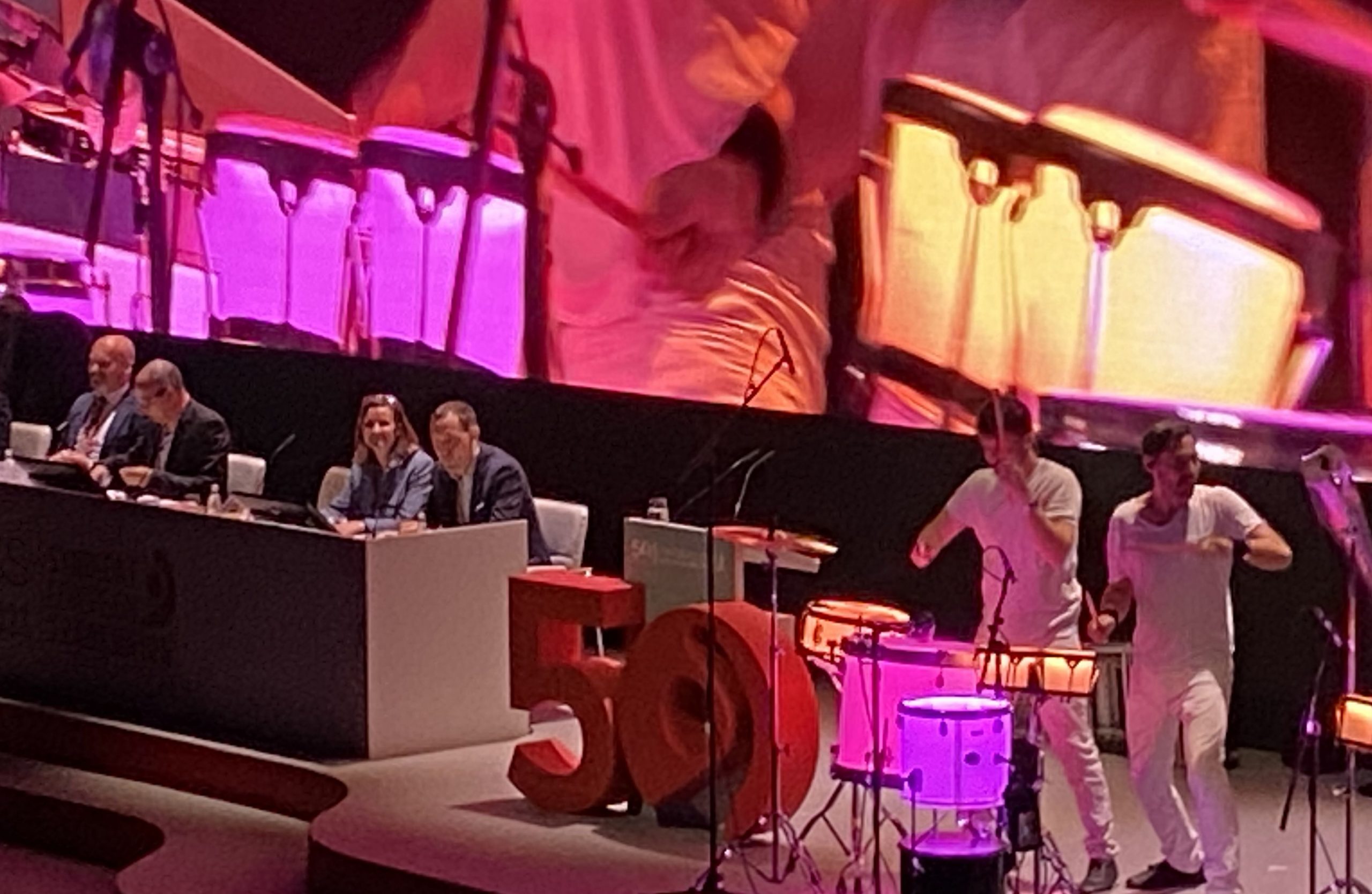
Weiter hinten in der Warteschlange der Aufmerksamkeitsökonomie der Jahretage reiht sich der 25. Jahrestag der Europäischen Zentralbank am 24.5.2023 in Frankfurt ein. Auf allen Feiern gibt es einen persönlichen Vortrag des deutschen Bundeskanzlers Olaf Scholz (gerade zurück aus Hiroshima und Südkorea). Sein Ausrufen der „Zeitenwende“ (Artikel in Foreign Affairs) wird deutlich in dem tösenden Applaus für die Aufnahme der Ukrainischen Gewerkschaften in den EGB (Bild unten) auf dem EGB-Kongress, der quasi im Laufschritt von der DGB-Vorsitzenden Yasmin Fahimi eröffnet wurde. Jahrestage können wehmütige Blicke in die Vergangenheit sein. Dem EGB-Kongress ist ein zukunftsweisender Auftakt „à la Zeitenwende“ gelungen. 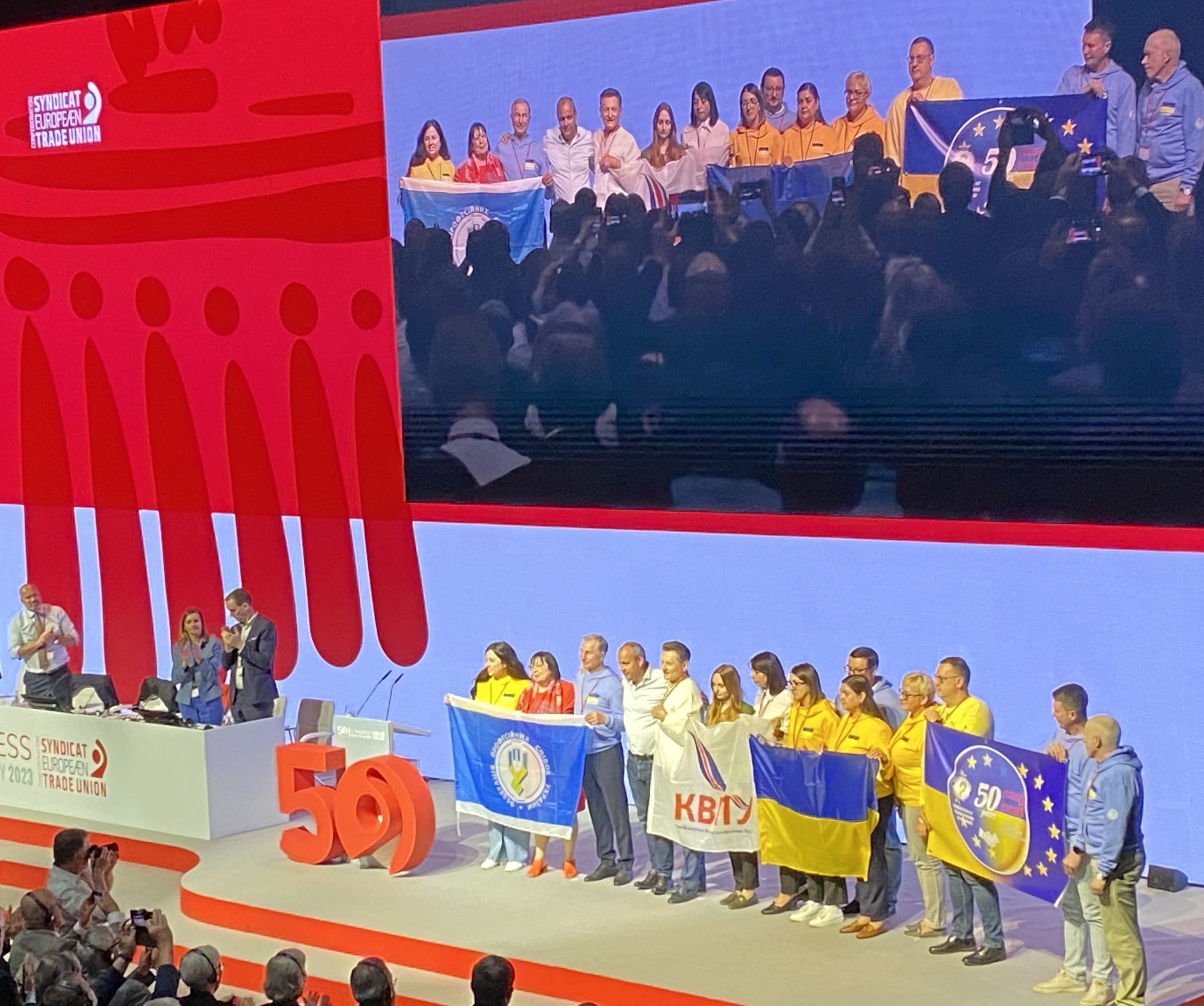
Gentrification
We teach about the process of gentrification and segregation in sociology in most of our courses. Consulting is also busy with telling policy makers, urban planners and architects about this fundamental social process. A mathematical description of the process has been provided by Schelling as well. A recent striking depiction of the process evolving over years in Brussels is produced by Karim Douieb (dataViz and Jetpack, image below! and more, THANKS). The data is from the Brussels institute of statistics and analysis. Policy-makers have a hard time to work against the well-known tendency: birds of the same feather, gather together. Humans do not seem to be much different, at least when it comes to large metropolitan cities. Only a small China town is missing in Brussels.
What is masked in the grouping by nationalities of residents, is the underlying mechanisms that drive this gentrification. Even previously mixed parts of the city might suffer a slow process of erosion due to educational, job, wealth, poverty and housing differentiation between people and Brussels communities. Falling behind in educational achievement, then higher unemployment leads to lower credit worthiness and residence in less comfortable housing. The Belgian and EU15 residents are much more likely to follow virtuous upward mobility. Hence the process of gentrification trickles down through subsequent generations. Start with learning and socialising of kids and adult learning to overcome the discriminatory process. Ethnic communities will also have to open up to interact with locals. Social progress is hard work for all. 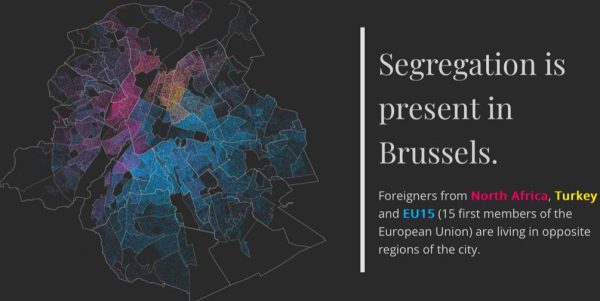
Indigo Waves
„Indigo“ is an almost mystical colour. Its deep blue nature refers to profoundness and in combination with oceans to a surprisingly still largely unexplored world of biodiversity. Additionally, in association with endlessly forthcoming and retreating waves, indigo reveals its many possible shades. Oceans separate or link continents and it is this feature of Oceans which is explored in the exposition “Indigo Waves and Other Stories” (Gropiusbau). Beyond our all to common focus on the transatlantic relationships, “Indigo Waves” explores the links between the African and Asian continents. Embarking on a new narrative for the Afrasian Sea, i.e. the Indian Ocean, we are taken to new horizons through the continuous challenge to our value systems, comprehension of art, poetry or culture more generally. The exposition, through multiple challenges, succeeds in displacing us into the context of other perspectives. Following Oscar Murillo, imagine to view the water roses from Claude Monet (Les Nymphéas) from below the surface. What do you expect? In Europe? Near a barrier reef in the Indian Ocean? Beauty is often not visible at first sight, yet it is co-determined by the currents that build and potentially destroy it (compare photo from exhibition below). The balance of social ecosystems is easily messed-up just like the beauty of ecosystems in nature. “Indigo Waves and other stories” tells us other versions of the colonial stories most of our history books told us for centuries. It is an eye-opening exposition, but probably not the way we expect. Following a poem towards the end of the exhibition by Tishani Doshi “Do not go out in the storm”, we are drawn into the ambiguity of our existence irrespective of the continent of origin. Jack Beng-Thi preserves a poem from Jean Joseph Rabearivelo in his artistic book creation and installation to bring to light “indigo waves”. “vos yeux clignotent dans l’azur, et je les appelle : étoiles. ” (Translated suggestion: “your eyes blink in the blue sky, and I call them: stars). 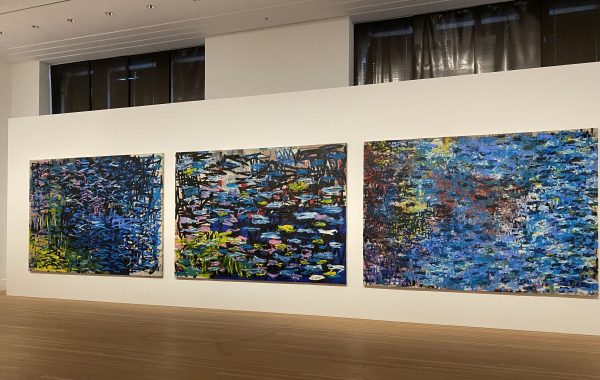
Archer
The Archer is a recurrent topic in art. We find lots of examples around in Berlin just as in front of the National Gallery. Historical references are manifold, too. The exhibition in the Martin-Gropius-Bau with works by Daniel Boyd adds temporarily 3 paintings. But wait, beyond this shared anthropological phenomenon across continents, this exhibition challenges our western, imperialist perspective on human existence.
Please take of your shoes, at first entry into the museum entry hall. Unsettling for most of us, we are continuously confronted with our narrow perspectives on perceptions. Poetics, philosophies, perceptions and cultures are all to easily classified and devalued.
This exhibition achieves to surpass our traditional western concept and empathy for land, room, light, air and water. Eurocentric narratives still dominate the world of art and art history. Daniel Boyd manages to unsettle this through his relentless effort to differentiate from this narrow perspective. Aiming for a difficult to accomplish solidarity across resistance movements, he highlights the common injustice “First Nation People” had to go through. These original inhabitants of continents claim their right to own languages, customs and spiritual or spatial perception. It remains a challenge to start to like the notion of opacity (Éduard Glissant) rather than our western aim for transparency, associated with the enlightenment philosophical tradition. The archers in Boyd’s work aim into the, maybe opaque water, maybe clouds, maybe into the twilight. It sometimes seems more like a ritual than a weapon. Family histories find their way into his works based on photographs of grandparents. The images are different from our conventional depictions of First Nation people, just to highlight the limitations of our western photographer’s eye and mind. 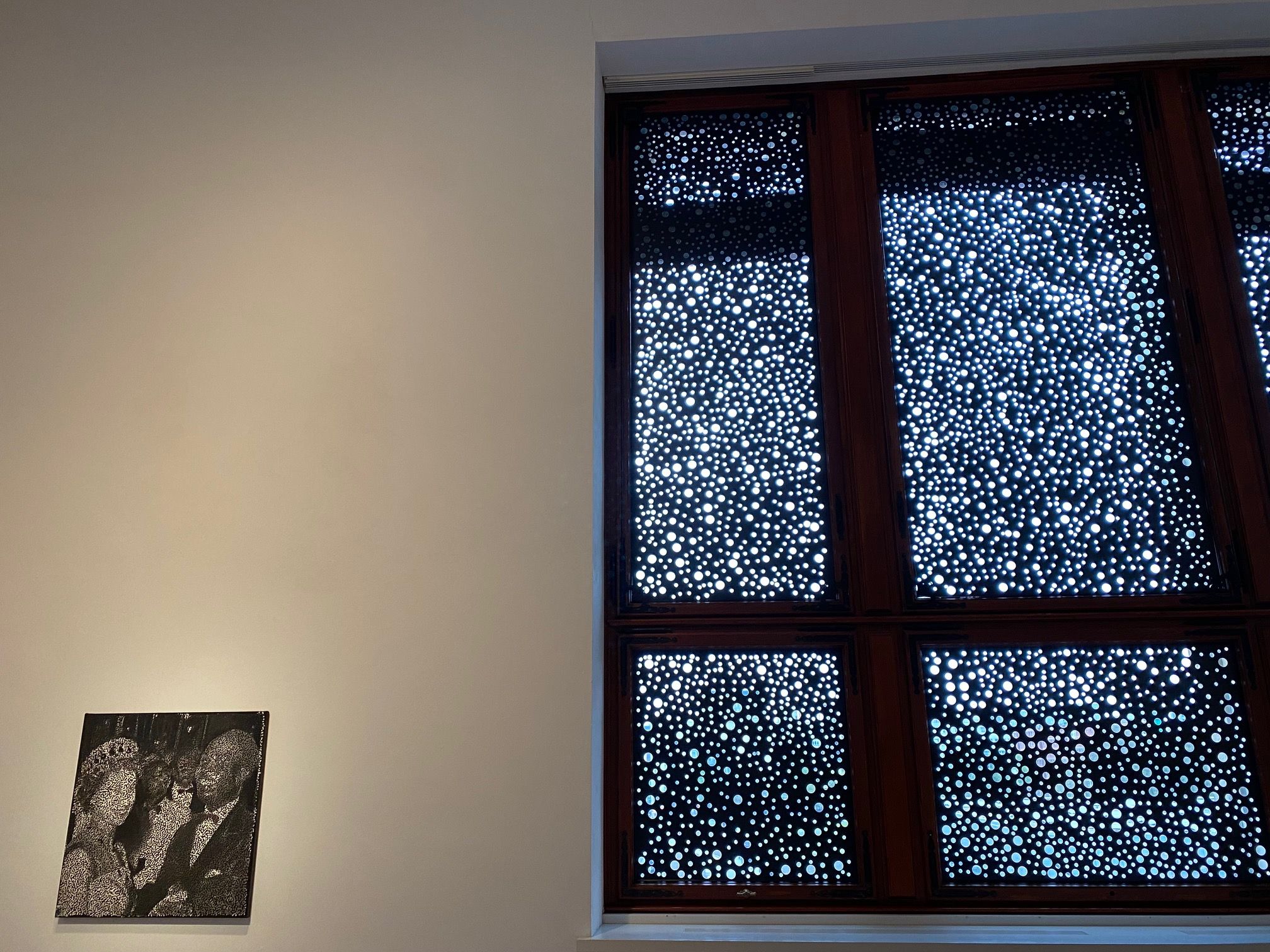
5000
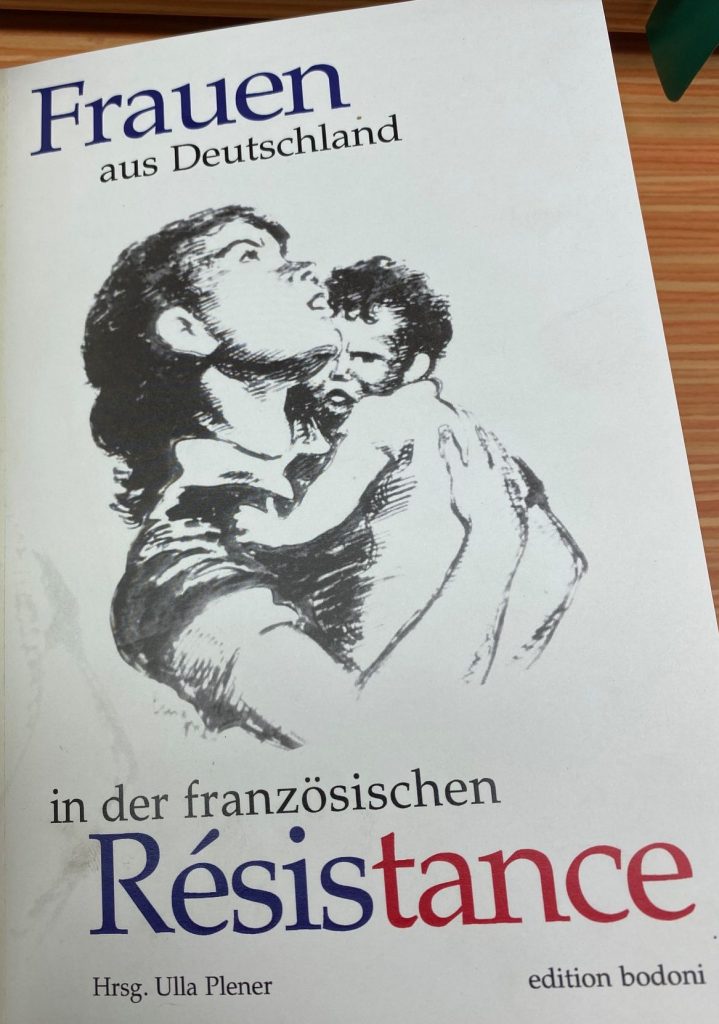
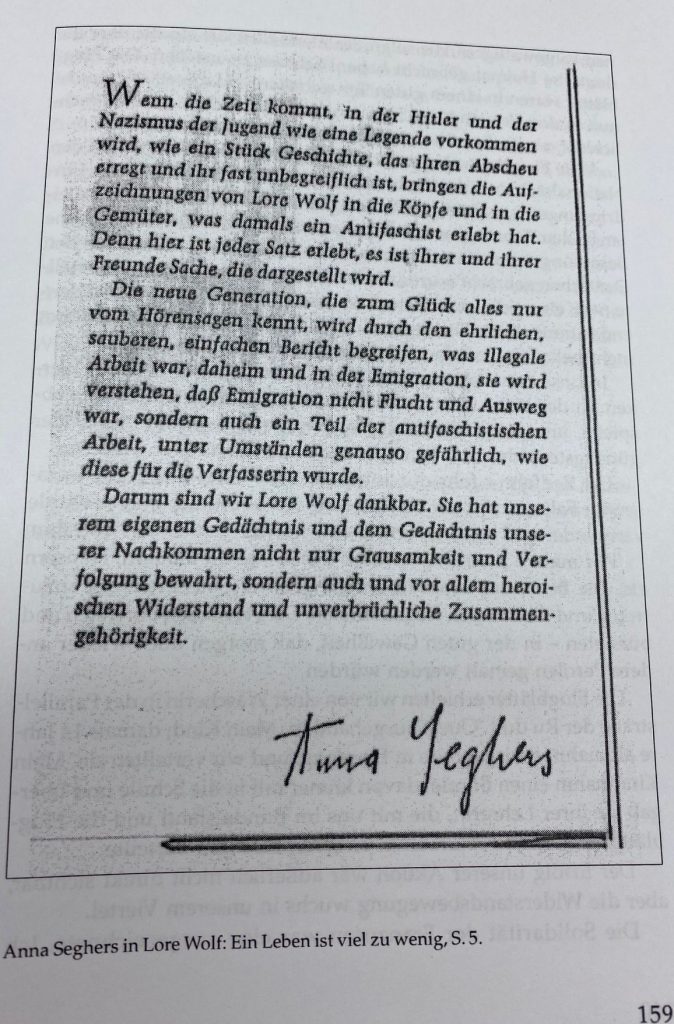
“5000 Köpfe. Wer war was im Dritten Reich” enthält eine alphabetische Liste der Hauptschuldigen und Belasteten. Gut, dass es dazu bereits auf Wikipedia eine kleine Diskussion gibt mit weiterführenden Literaturhinweisen. Die viel jüngeren ausführlich recherchierten Arbeiten zu den Kreisleitern in Süddeutschland haben 250 Mitwirkende gebraucht, damit eine gründliche Archivarbeit möglich wurde. Zu der Recherche von Dr. Proske u.a. lässt sich lediglich das Organigramm zu den Funktionsbereichen eines typischen Kreisleiters ergänzen. 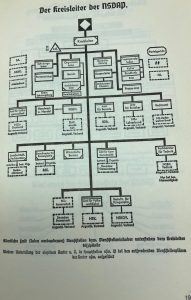 Eine solche Übersicht verdeutlicht, woher die Analogie mit den “kleinen Herrgöttern” kommt. Machtfülle, angehäuft in einer Person, erleichtert selbstherrliche Willkür in der Amtsausübung. Das gleiche Verhalten findet sich bei den berufsspezifischen Biografien zu den Planern und Architekten in der Ausstellung “Macht Raum Gewalt” der Akademie der Künste, die damit gleichzeitig eine Aufarbeitung dieser Profession leistet. Viel lieber würdige ich hier die Biografien der deutschsprachigen Frauen, die sich couragiert der französischen Résistance angeschlossen haben und ihr Leben riskiert und vielfach verloren haben. Positive Leitbilder brauchen wir, besonders wieder in Zeiten in denen Zivilcourage nötig ist, nicht nur in Deutschland.
Macht Raum Gewalt
So heißt der Titel der umfangreichen Ausstellung im Haus der Akademie der Künste, direkt neben dem Brandenburger Tor. Nur 3 Monate bis 16.7.2023 lässt sich durch die Architektur, Planung und Umsetzung zur Zeit des faschistischen Regimes in Deutschland taumeln. Angesichts der monströsen Verbrechen und der unterliegenden ideologischen Doktrin wird die Frage „macht Raum Gewalt?“ auf 2-fache Weise beantwortet. (1) Raum macht Gewalt und (2) Gewalt macht Raum. Das gestalterische Element von Architektur schafft Räume, die individualisieren, personalisieren oder entpersonalisieren können. Die Uniformität im Faschismus kreiert eine visuelle Sprache, die durch ihre Art Räume und Räumlichkeiten zu gestalten gezielt entpersonalisiert. Gewalt- und Machtausübung fällt darin leichter. Räume und Gebäude wurden der Menschlichkeit enthoben, gebaut, den Menschen zu überleben.
So fällt es in entpersonalisierten, bewusst überdimensionierten Raumkonzepten, leichter Gewalt gegen Menschen vorzubereiten und durchzuführen. Die 1. These „Raum macht Gewalt“ lässt sich sozusagen empirisch in der Ausstellung durchwandern. Die 2. These „Gewalt macht Raum“ wird ebenso eindringlich durch die Dokumentation der Zwangsarbeit, Konzentrationslager und massenhaft ausgeübten physischen und psychischen Gewalt durch die herrschenden Faschisten verdeutlicht. Wenn Wörter und Stimmen von Augenzeugen zu fehlen beginnen, werden die Texte, Zeichen, Bilder und Stummfilme zu Dokumenten, wie mit Gewalt Raum gemacht wird. Der expansionistische, imperialistische Drang der Faschisten machte vor keinen Grenzen halt. Juristische Grenzen, menschenrechtliche, moralische oder Landesgrenzen spielten keine Rolle mehr. Rechtsbeugung und Missbrauch war an der Tagesordnung, um Raum, Macht und Gewalt menschenverachtend durchzusetzen.
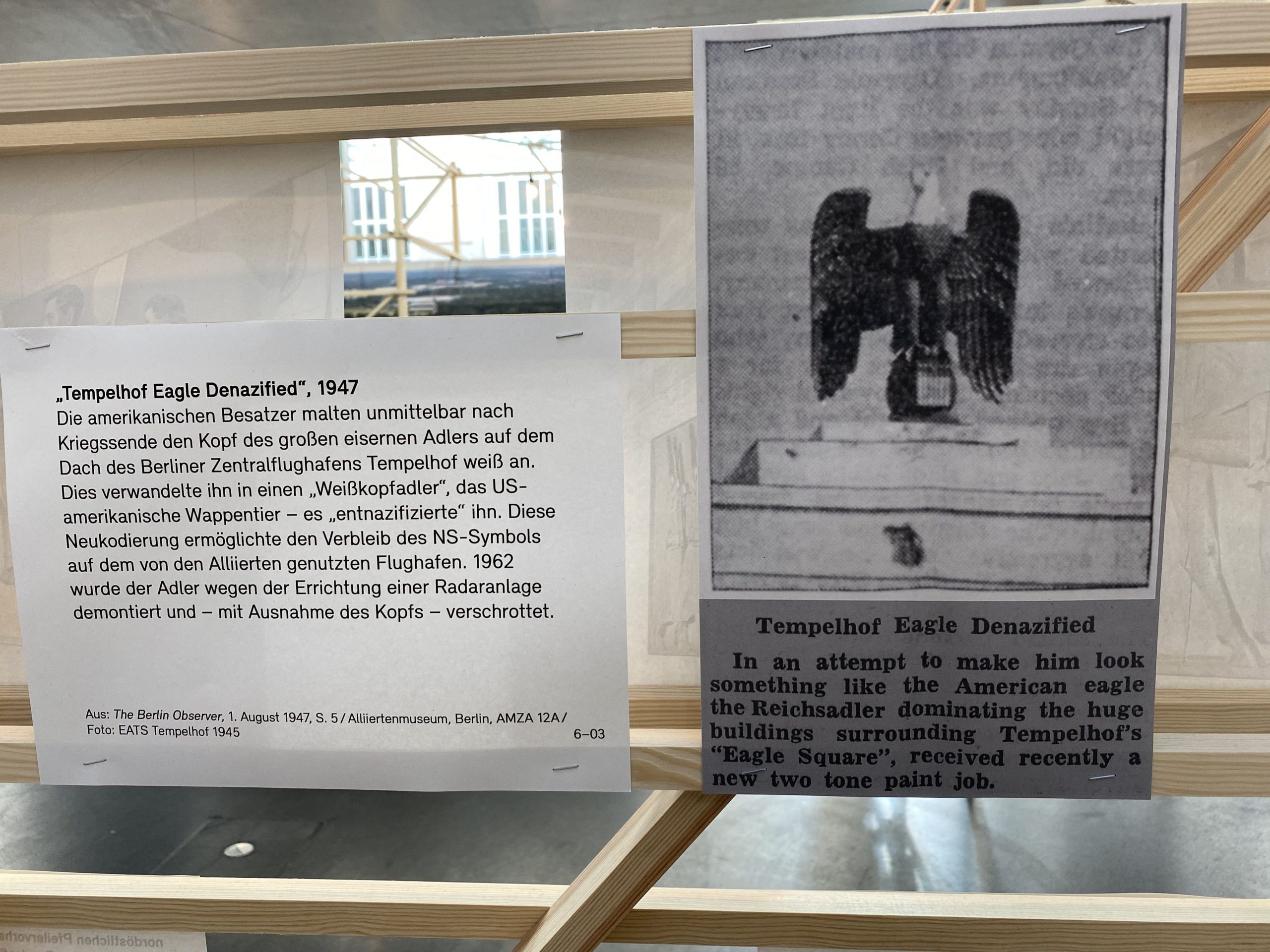
Die architektonischen Nazi-Hinterlassenschaften, weiterhin sichtbar in Berlin, München und Nürnberg werden nur in den markantesten Bauwerken dokumentiert. Das reicht schon, den historisch bewussten Blick zu schulen. Selbstverständliches Hinnehmen von diesen Anblicken verbietet sich. Das Übertünchen des Adlerkopfes mit weißer Farbe, Symbol für den amerikanischen Adler, sollte in uns die Dankbarkeit für die Befreiung von der Nazi-Diktatur festigen und dazu beitragen, den Tag des Sieges 8.5.1945 der „Alliierten Streitkräfte“ als Tag der Befreiung zu feiern.