Im K21 der Kunstsammlung Nordrhein-Westfalen ist ein Luftschloss eingebaut worden. Es ist das einzige mir bekannte Luftschloss, das für alle Besuchenden begehbar und fühlbar ist. In wahrhaft luftiger Höhe von 25+ Metern über der Eingangshalle der Kunsthalle K21 und zentral unter der gläsernen Dachkuppel platziert, lässt sich mal so richtig abhängen. Nahezu schwebend kann die weiträumige Installation von Tomás Saraceno erklommen werden. Die Schritte und wippenden Bewegungen der anderen BesucherInnen lassen sich unvermittelt ebenfalls erspüren. Du bist nicht allein, im originären Sinne des Wortes. Die buchstäbliche Vernetzung mit allen anderen Personen werden durch Schwingungen des Netzes zu anderen Kletternden oder Chillenden übertragen. Eine unmittelbar erlebbare Erfahrung der Verbundenheit mit unbekannten, anderen Menschen stellt sich ein. Die Verbundenheit innerhalb einer Gesellschaft wird eindringlich verdeutlicht. Die Angst, durch die Höhe verursacht, weicht rasch der freudigen Erfahrung der Schwebung und der kindlichen Erfahrung der Suspension. Nahezu freischwebend in der Luft, im Orbit erlebt jede/r sein eigenes Luftschloss inmitten von transparenten Kugeln, die wie Planeten wirken. Gleichsam real, aber dennoch imaginär durchwandern wir die Installation immer im Bewusstsein, dass andere um uns sind, die unsere Schritte, Möglichkeiten und Haltungen mit beeinflussen. Vom Luftschloss träumen oder im Luftschloss träumen, beides ist dort machbar.
CO2 freundlich lässt sich die Erfahrung in der APP Aerocene fortsetzen. Der für unser Wetter so bedeutsame Jetstream wird zur imaginären Flugerfahrung genutzt und mit recht aktuellen Daten gespeist. Die Verbindung zu „Earth and Space Sciences“ ermöglicht die Einbettung der sozialen Erfahrung in einen noch weiteren Kontext.
Die eigenen 4 Wände sind die Grenze. Das galt schon früher nicht. Weit darüber hinaus lassen sich neue Möglichkeiten erschließen, die nicht umweltbelastend sind. Selbst die Reichstagskuppel in Berlin sehe ich plötzlich mit ganz anderen Augen. Mehr als Möglichkeitsraum, statt der traurigen Vergangenheit und der zerstrittenen Gegenwart. Was wäre die Kunst, wenn sie nicht zum Träumen anregen würde. 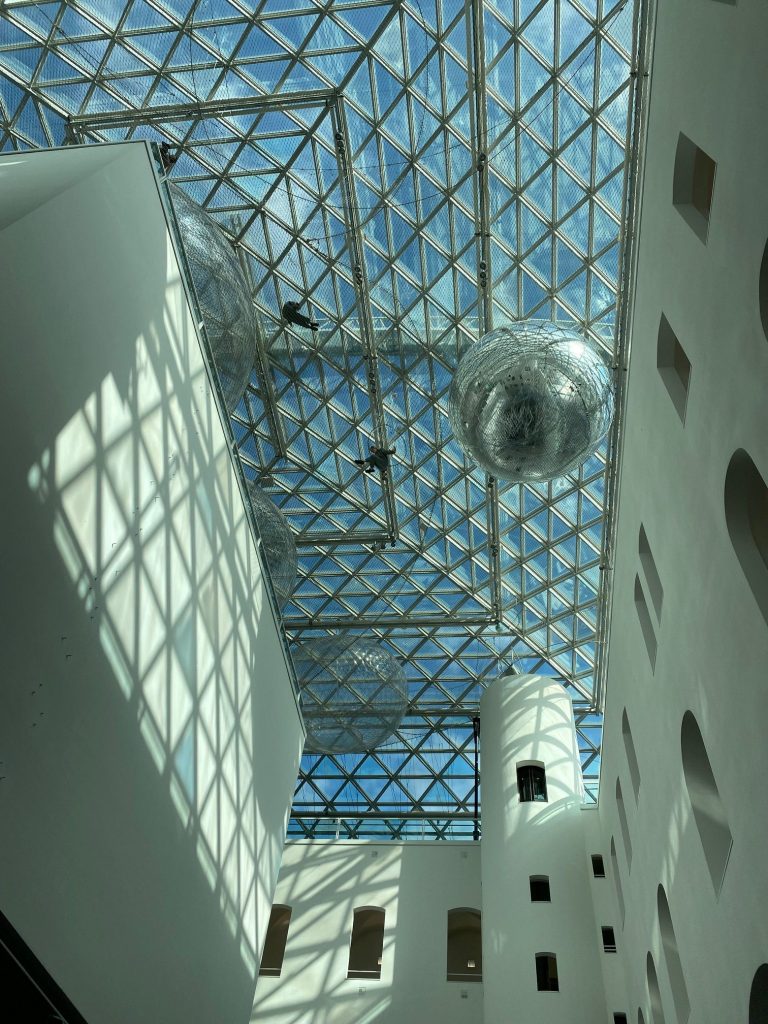
Smart watch
Das Handgelenk hat noch viel Platz für elektronische Geräte. Vom preiswerten Schrittzähler bis zur smart watch und intelligenten Armreifen oder sogar Ringen gibt es dort viel Potential für Innovation. Jenseits der Schritte werden mittels vielfältiger Sensoren eine Fülle von Daten erfasst. Datenschützer erschaudern geradezu. Das Potential für medizinische und soziologische Auswertungen dieser Daten ist immens. Vergleichbar mit einer elektronischen Waage, die Knochenmasse, Wasser und Muskeln erfasst erlauben die smarten Uhren noch mit Ungenauigkeiten, aber stetig besser werdend, kardiologische Werte und Schlafrhythmus zu erfassen. 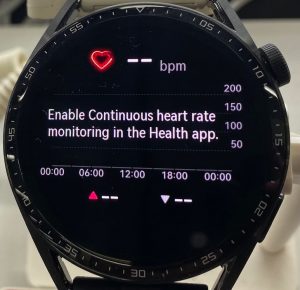
Mit Daten von tausenden bald Millionen Datenlieferanten lassen sich wichtige Studien zur Früherkennung von Gesundheitsrisiken durchführen. Plötzlicher Herzstillstand ist eines der immer noch wenig aufgeklärten Phänomene. Die Studie im LANCET digital health hat solche Daten ausgewertet und kommt zu der Schlussfolgerung, dass dyspnoea für Frauen und Männer der größten Risikofaktoren darstellt. Für Frauen wird Entwarnung gegeben für Diaphoresis, exzessives Schwitzen, aber nicht für Männer. Letztere sollten Schmerzen in der Brust ebenfalls ernst nehmen. Daten sammeln kann durchaus Leben retten. 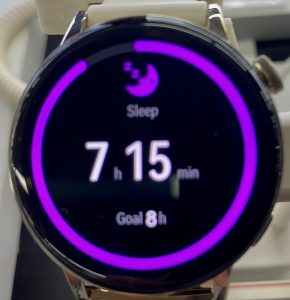
Dennoch droht dem Gesundheitswesen eventuell eine Welle an falsch positiven Selbsteinweisungen in der Notaufnahme der Krankenhäuser. Darauf sind wir noch wenig vorbereitet, inklusive der möglichen rechtlichen und finanziellen Konsequenzen. “Big brothers are smart watching you”. Müssen Ärzte die smarte Evidenz berücksichtigen, etwa so wie eine Patientenverfügung? Was wenn plötzlich der Notarzt unaufgefordert an der Tür klingelt? Wer hat meine Uhr gehackt, … , singt das Paulchen Panther jetzt.
Stabi locker
Die Staatsbibliothek Berlin in der Potsdamerstraße macht sich mal richtig locker. Neben all dem gebundenen und gebündeltem Wissen gibt es eine kleine, etwas versteckte Ecke in der richtig gechillt werden kann. Mit aktuellen Tageszeitungen in Papier und online lässt sich gut pausieren. Eine tolle Aussicht gibt es zusätzlich. Selbst eine vorübergehende Schließung wegen überfälliger Sanierung wird die Stabi bei den Wissbegierigen eine wichtige Location vermissen lassen (fehlende Bücher).
Neben Wissensmaschine ist die Stabi eine Lernanstalt erster Klasse. Die Anzahl der mitgebrachten dicken Gesetzbüchern samt Kommentaren lassen einen immer wieder staunen über den Mangel an stillen Lernorten an Universitäten und in Privatwohnungen. Die richtige Lernumgebung befördert den Ansporn, noch eine extra Meile zu gehen. Wissbegierig ja, aber es braucht auch viel Durchhaltevermögen bei ständig wachsenden Ablenkungsmöglichkeiten. Gemeinsam, einsam, allein mit sich und dem Wissen lässt sich vorzüglich dicke Bretter bohren. Das ist ein wichtiger Teil, das Lernen zu lernen. Kunst am Bau und im Bau gibt es gratis dazu. Die Nähe zur Ablenkungsindustrie am Potsdamer Platz, Kinos, Spielbank und Fresstempel kann da getrost auf ihre späteren Opfer warten. Mit Regionalzügen und S-Bahn kommt man von dort rasch wieder weit weg. 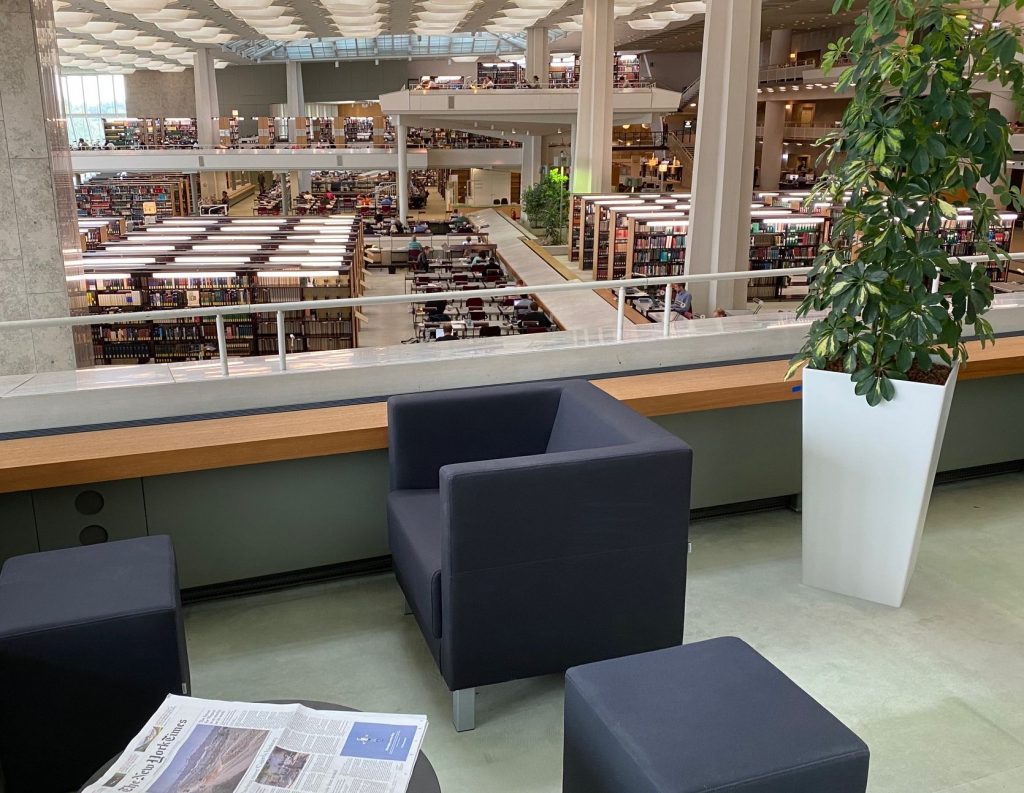
Barbie explore
The film on Barbie after more than 60 years of the first puppets to arrive on the market is a huge money spinning exercise. Hitting more than 1 billion $ is really a huge box office success. More interesting even is the banning of the film in some countries like Algeria. This gives the film an interesting subversive touch to it, which we in the Western countries no longer see as something special. Emancipated women pose a threat to authoritarian regimes.
However, we see in the stereotypes of beauty-driven dolls not that much of an emancipatory chance. To view emancipation independent of the looks of a person is another interesting twist to the role in stereotypes of beauty. It is not only fun to play around with stereotypes, that is mostly, if you are not negatively affected by them (age, gender, ethnicity, extraordinary persons). A nice task for sociology and psychology to explain the working of stereotypes in society and possible remedies. Tolerance is a competence that needs to be learned and updated continuously, from early age onwards.
Therefore, the website created by the US Design Agency Rvnway offers an entertaining way to play around and learn about stereotypes. Perceived, generalized beauty or gender roles can be explored using the tool. Maybe some see themselves differently after such explorations. Everybody is a model. This is the message. www.bairbie.me will let you explore other formats of yourself. After 3-D rendering and printing your children or grandchildren will decide what role they would like you to play in their playfull, or virtual “real” life. I suppose many of us will be up for a big surprise. Go on and imagine in 4D. In the age of selfies all around us, all the time, we believe we are very modern, but the artists of the 19th and 20th century following all great painters before, frequently started their careers with an “autoportrait” or “Selbstbildnis” or series of those as they were aging. 




Health inequality
Almost all studies irrespective of the methods applied find that health is a matter of related to social inequality. The study by Lyons et al. (2023) in the Lancet demonstrates the same basic findings. This study uses the concept of multimorbidity and time until first and subsequent diagnosis as the measures of health. Mortality between different socioeconomic groups in Wales (UK) is largely confirmed. It is not only men beyond 70 years of age that face this unequal health trajectories, but already in the age group of 10- 20 years old teenagers the time until first diagnosis is different between the poor and wealthy neighbourhoods.
Differential health trajectories have a very early onset and seem to widen throughout the live course. The longitudinal nation-wide study in Wales allows to determine the impact of socioeconomic deprivation on health. The conclusions imply a combination of health and social policies to address health inequality. Clinical practice alone is unlikely to reverse the trends as onset of disease in form of first or subsequent diagnoses start from a very early age onwards in deprived areas.
Health as part of the curriculum in education systems is an obvious conclusion as well. This needs to take preventative approaches more seriously to give children and adolescents a more equal start into adulthood and professional working life. Education systems have to be reformed to become part of the solution rather than creating unhealthy trajectories themselves due to stress and unrealistic, unhealthy goal setting. Walking or cycling to school, more healthy school meals and learning about nutrition as well as processes of metabolism in the body should complement a more active school life-style. The dangers of developing ill health early seem to be greater nowadays than before. That is probably the most worrying news of the study. Sedentary life-styles seem to be a result of deprived neighbourhoods with less areas for comfortable, healthy walking or outdoor exercise.
It is an accumulation of effects due to neighbourhoods, commuting patterns and work-related health risk. Counties within regions grow more distant from each other as well as regions within countries. Youth is well aware of these health and social differentials. Eventually they will claim their “lives” or “equal chances” back again. Sociology has provided many clous to address these issues: Segregation or discrimination of groups of society, gentrification of neighbourhoods, intersectionality of health and social issues, to name just a few.
In order to target at-risk populations better and intervene with prevention rather than curative, we have to integrate social and health approaches much more than we used to do. The way forward is to improve the targeted, preventive approaches in order to improve the equality of chances to education, health and work.
(DOI: LINK to study)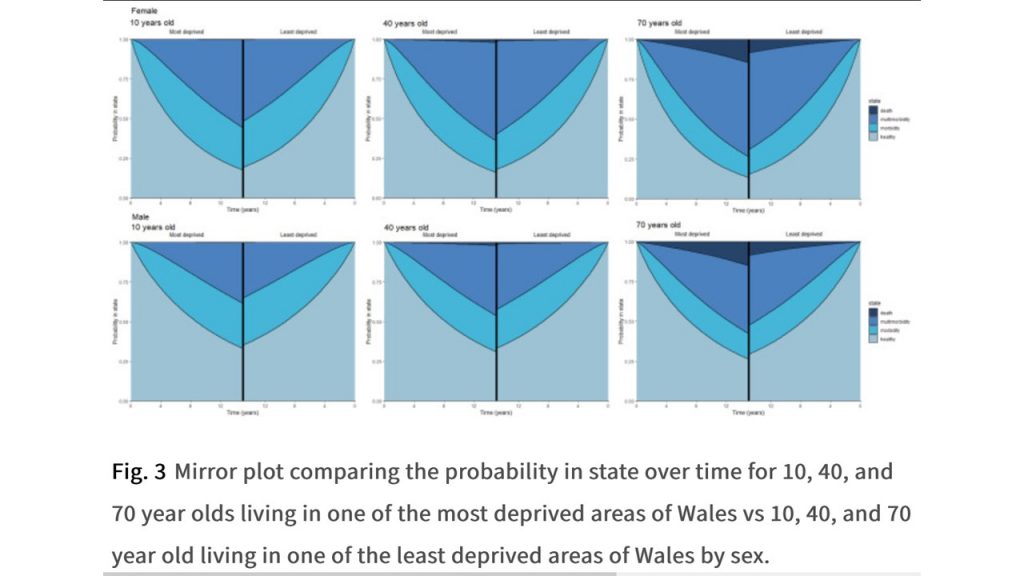
Anger
It feels like we live in the “age of anger”. Anger was a predominate feeling in the “French yellow vest movement” spurred by sharp increases in petrol prices. In Germany the notion of “Wutbürger” had a short career to express anger of citizens against, against whatever could arise anger. There are plenty of issues of course that will cause arousal in public politics. The more a government enacts change, be it necessary or not, the more it is to arouse its citizens. Parliamentary democracy is thought to solve this through majority voting of the equally represented in parliament. Minority rights have been installed to safeguard the majority to become too overwhelming, but any close decisions on hotly debated topics are likely to cause substantial anger within a society.
This is far from being an issue only in Western democracies. Pankaj Mishra claims, this is a world-wide phenomenon and history provides ample examples for it. In his book on “The age of anger” he challenges the predominantly Western political theory, deriving from an opposition of Voltaire’s and Rousseau’s political thought to hold the individualisation and globalisation of an economic model, traditional capitalism, responsible for the rise of anger across the globe.
This critique of capitalism is now translated into French. Several movements of anger in France probably find some unifying roots of seemingly unrelated outbreak of anger, violence and subsequent repression. Old arguments of critics of capitalism stand up again. The challenge to democracy comes from the extreme right even more than from the extreme left. Re-imagining capitalism is needed more than ever to safe the survival of democracy. Participative democracy like in Bürgerräte in Germany or deliberative democracy practiced by President Macron in France are an important part to stimulate involvement of more people in the preparation of decision-making. Not perfect as procedures, but small steps ahead to confront and address anger of the citizens and people at large. 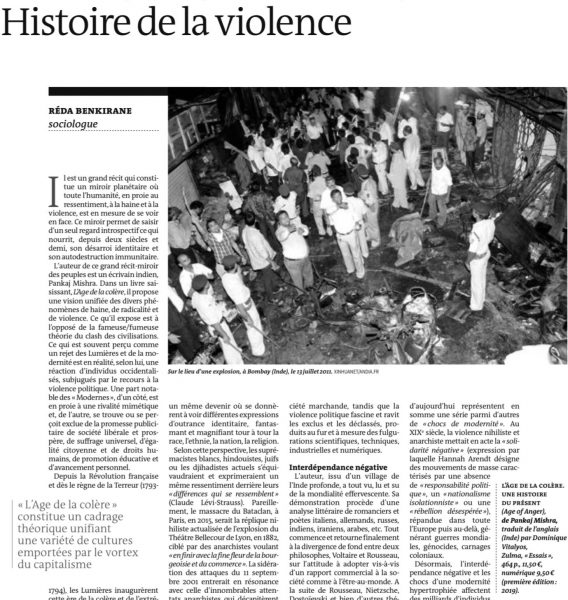
Peace and AI
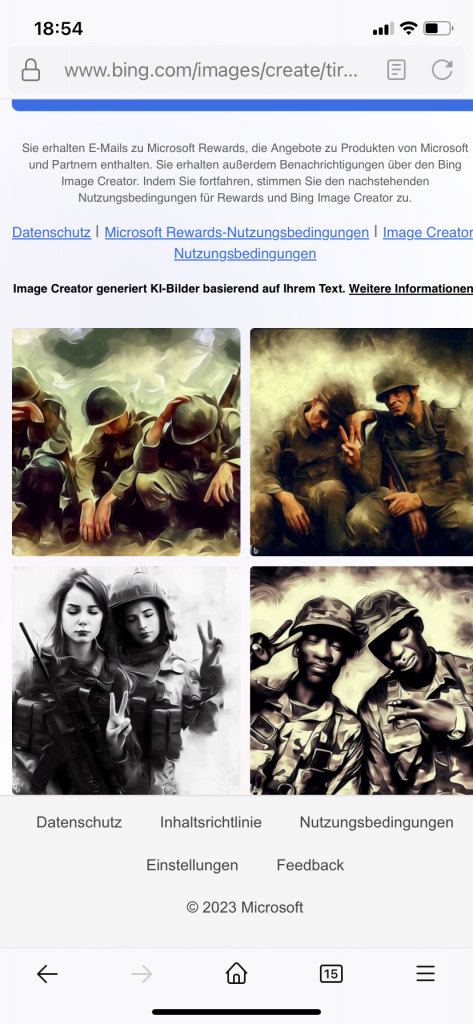
Rather than asking AI to draft a peace treaty, I used AI to generate images to illustrate my blog entry on strategic thinking and peace deals. My own bias for impressionistic images in art have guided my choice previously. The alternative suggestions from AI based on BING reveals the progressive as well as stereotypical creation of images through algorithms. Same gender in all images, even if the women only image is rather progressive, but as a matter of fact women still tend to be involved less in warfare. The racial stereotypes of AI in image creation also needs attention as the 2 POC persons are depicted in an unfavorable way, not one of strength as for the caucasian stereotype. Living with AI is a joint learning process, likely to be a long one, too. Critical assessment of output remains a human task and we need to train people how to critically and carefully analyze the flood of images in addition to photos.

Triangle without words
There are many forms of triangles. Jacques Pain (2000, pp.121-136) adds another one. “Jeunes, banlieue, école : le triangle sans parole” (Youth, suburb, school : the triangle without voice). He calls it a symbolic, sensitive triangle which is confronted with mounting difficulties from inside as well as external pressure. Pain describes and analyses the violence that emanates from the triangle.
Additionally, the triangle appears to be spiralling upwards causing mounting pressure on the social fabric of whole societies. Education systems have to deliver sufficient numbers of youth ready for insertion into the labour market, ready to accept the subordination to hierarchical structures while at the same time being confronted with high social contributions to other parts of society and unrepairable environmental damage and depletion of resources by older generations. With high interest rates even the middle-class dream of a house with garden is out of reach for almost all of the young growing up in suburbs, disadvantaged schools with pervasive violence. Dealing drugs or taking drugs has become pervasive and an entry port into the violence of law in addition to the violence of the street, school or even home.
Give the triangle a voice. Call the names of the victims so that politicians do not forget all too quickly what is their duty to guarantee – a youth free of violence and a youth with an equal chance for learning. Free from violence, but free to learn or be given a chance to find your way into society at large not only restrained to your suburb.
Reference to the historic riots of the mid-1960s (Saul Bernstein, 1967, p. 27) and the recent Paris riot statistics from July 2023 suggest that history doesn’t repeat itself, but it seems to rhyme. A breaking of the silent triangle is like an eruption of a volcano. Violence is all over the place and leaves a lot of burned land and people. Cohort effects might prolong the suffering further throughout their life courses. Stigmatisation is likely reinforced rather than overcome. For the so-called holy trinity there were many words and songs. The modern triangle within society is still in search of the right wording, although rap-music is shouting loud about “la misère du monde”, only we are not really listening. 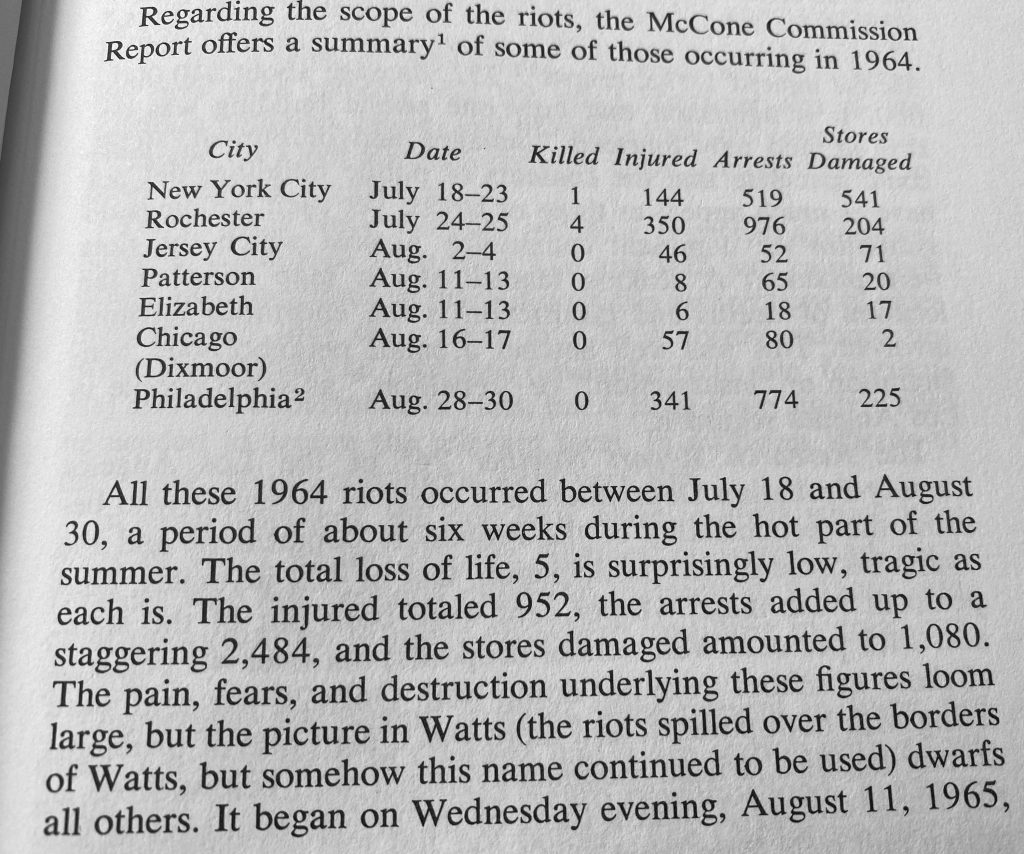
Violence 2023
The public debate about violence suffers from a lack of broad scientific reflection of the notion. C.A.J. Coady (1998, Vol.9 pp 615-17). In philosophy at least 2 theories address violence directly. A legitimate definition of violence treats violence as the illegitimate use of force. It is a kind of moralising appeal to reserve violence to those legally well-defined cases that receive their legitimacy from law. Next in the line of reasoning then is the definition of legitimacy. Slaves or colonies in this definition would never be allowed to use violence in their fight for freedom. This is recognised as a logical problem of such a definition. “In a legitimate state, shooting or savage beating by police will not count as violence, if it is a politically legitimate use of force.” (p.615).
The second theory of violence builds on the notion of “structural violence” (Johan Galtung, 1969). Structural violence is a much wider concept of violence. It includes social injustices inflicted on individuals or groups in society (suffering) as well as a broader view on perpetrators beyond individual persons to include police or institutions more generally. Coady stresses the point that both these theories are morally loaded without sufficient justification. Even a narrow definition of violence as “exercise of physical force” is too narrow, as it neglects the devastating effects of psychological violence. Part of the judgement therefore is motivation or intention of the person applying violence to clarify a moral stance. Psychic disorders or abuse in social upbringing are recognized as attenuating influences in legal procedures.
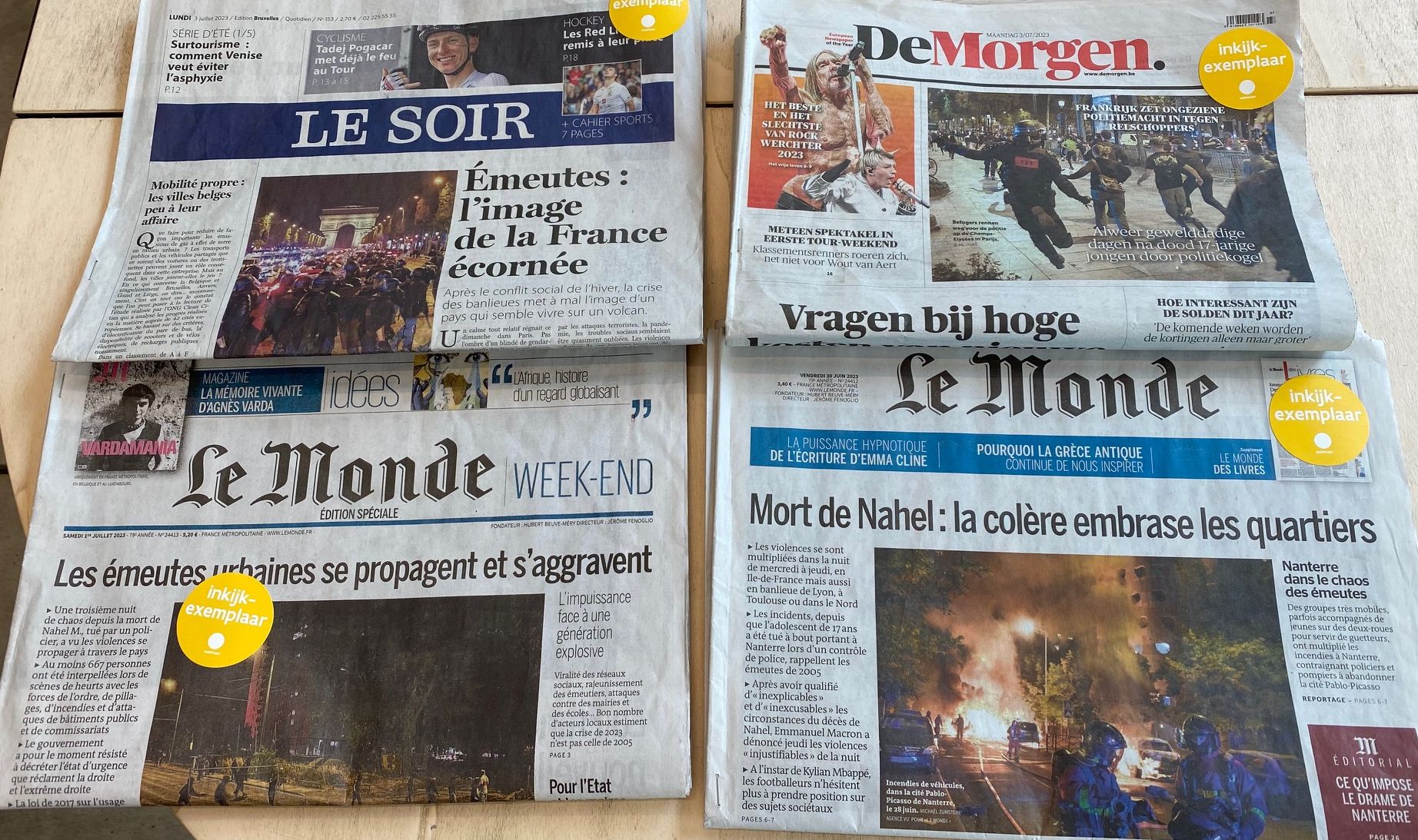
A wise conclusion is drawn by Coady: “Even justified violence is regrettable” (p.617). Living in permanent fear of abuse of violence by criminals or the police narrows the gap between authoritarian regimes and democracies. The basic social fabric of trust in the police is at risk in such a situation. It is very hard to re-establish trust in institutions once groups of society have lost it or even doubt that basic trust in the institutions of democracies is justified. (Image: Part of Pieter Brueghel II, De kindermoord te Bethlehem Musées royaux des beaux arts, Brussels, 16th century). 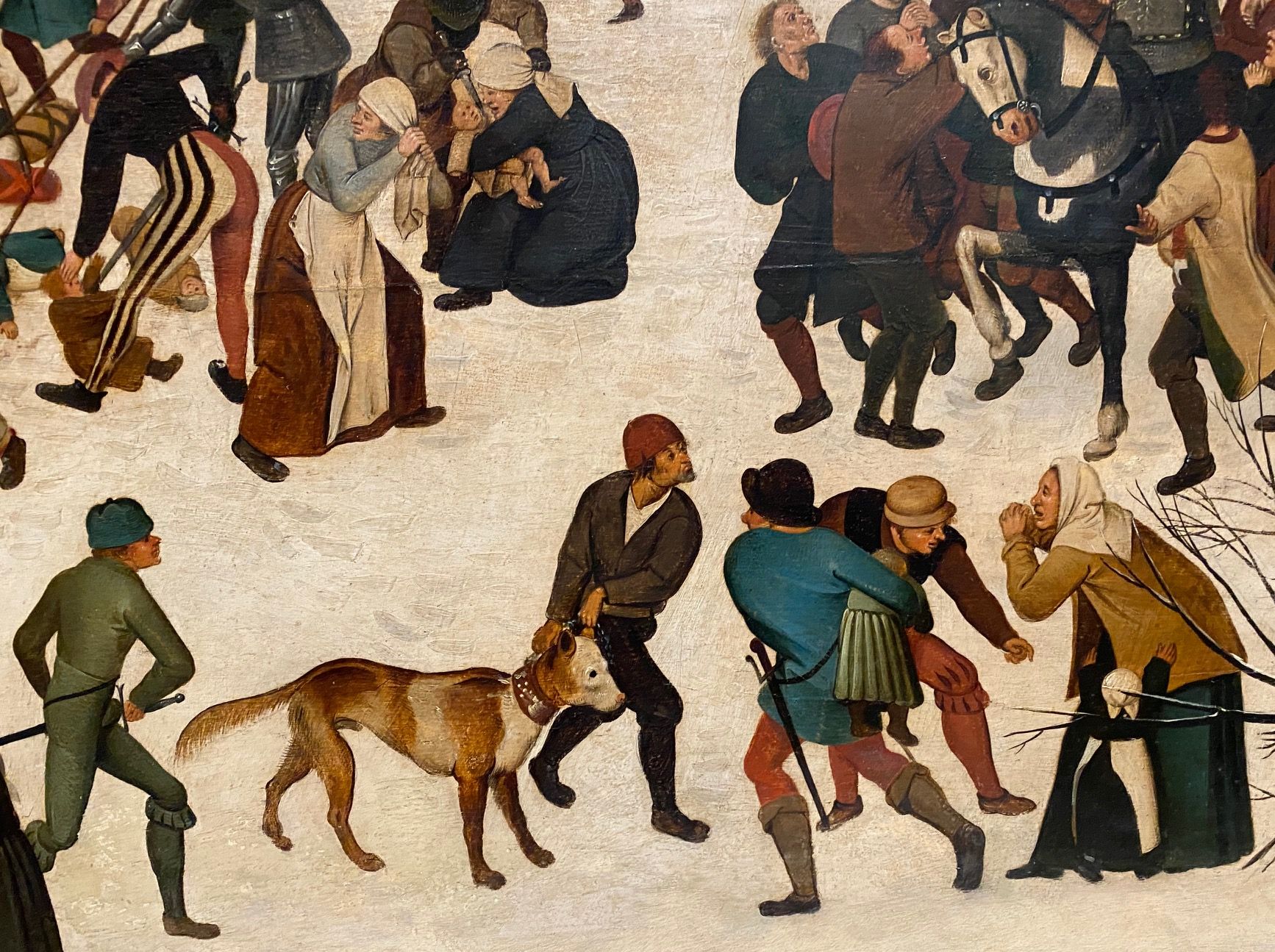
Police Violence
As a test of the viability of ChatGPT you might enter Police Violence. What you get in return is just a summary of some nice newspaper-ike editorial of a polite statement that this is a problem about everywhere and that the division of power will take care of it eventually. This is an unfair summary, but it highlights the risk of too many conservative editorialists in Europe that do not dare to take sides of the innocent youth that is at a permanent risk of police violence due them living on the margins of our modern, fast-moving societies that do not allow for lifestyles off-the-normal “protestant work ethic”.
Perceptions of what is fun and what is serious differ within societies, particularly between generations. Baby boomers have known and many experienced unemployment. Youth today has “precarious jobs” just around the corner. But just having “any” job without any career potential or, at best, on the minimum wage is no longer enough. Social media show that there is much more to life than just a 8-5 normal job. High-streets are full of marketing tricks that solicit people into spending without cross-checking their red lines.
Police and the flourishing private security sector are then charged to ensure that boundaries of financial and spending power are respected. This is exactly where the capitalist market economy fails the people. Without a tough police, ensuring property rights, the system cannot survive. Social market economies claim to soften the borders between have-nots and have-too-much. This needs permanent readjustment. That is where many of our social market economies have failed the poor and even middle-class people threatened with economic and status decline (latest at time of retirement).
Reactions may turn out violent, and again, the police is sent in to “stop” violence. As it turns out police, being abused as “political weapon”, may then become overly violent as well. Not as an overall force, but specific units or just several individual persons who have been trained in anti-terror exercises and have “a license to kill” (007). French legislation has recently facilitated the use of guns to impose the monopoly of power. The probability of who constitutes a potential target might be interpreted by the police itself. A threatening situation is perceived differently by different persons. Too much room for interpretation.
The image of the French superpower that is threatened by a 17-year-old youngster is not credible. It is time to sharpen the control of the police also in France. ChatGPT only on special addition includes the social movement of “Black lives matter” in the return on police violence. If you know the topic you can make use of the AI tools in drafting on police violence for example. Rather than to spend billions on fancy Olympic Games in preparation for Paris 2024, youth programmes would be much better investments in the medium and long run.
Tourists cancel visits to Paris and France in masses already. That is probably the only lesson that receives sufficient attention in the current government and may lead to better control of violence not from some pick-pockets, but from the police as well.