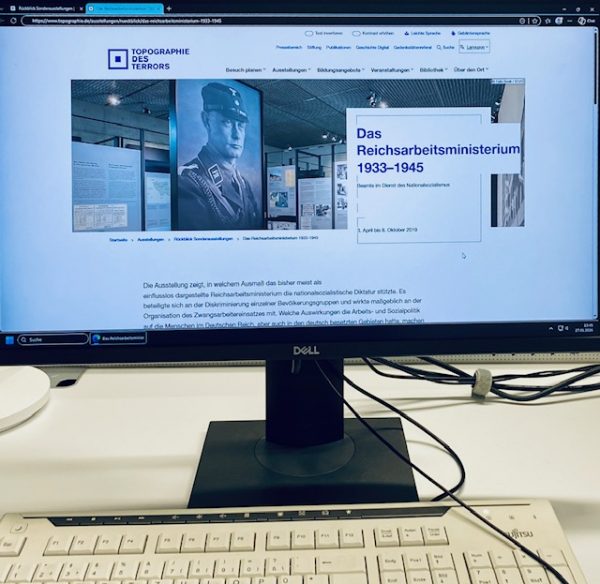
For historical, philosophical, social and many other domains, learning in authentic locations moves learners particularly. This can consist in reinforcement learning of an otherwise abstract event or process. The neuroscience of learning has demonstrated that both parts the rational mind and the emotional relatedness contribute to learning success. Memorials are such places where persons get involved with all their brain and senses. Robert Sigel (2015 pp.50-53) described the wealth of pedagogic approaches that has entered memorials. They range from flyers, guided tours to geo-caching, digital apps and continuous involvement in social media related to on-site visits. Memorials are no social-pedagogic institutions either. They cannot guard or even correct more or less likely antisocial social behavior of visitors. Additionally, they have to strike a balance between 360 degrees, engaged learning and decent commemoration. Authentic objects and information, like biographical accounts, original voices, videos or handwriting reinforce the lasting memory in and of a memorable location ( Koessler, 2025 p. 79). School curricula make far too little use of this well implemented combination of learning and authenticity so far. Great potentials are ahead of us building on the specificity of each memorial. (Image: topography of terror, webpage access on site 2026).