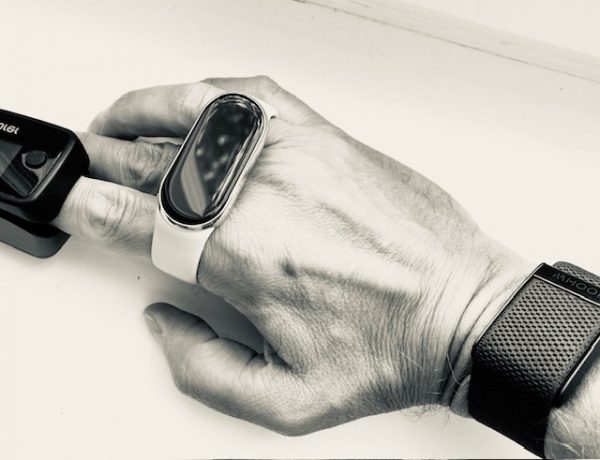

The number 1 cause of death is cardiac arrest in the modern world. Hence, the interest in the detection of cardiac arrest could save many lives. For assistance to arrive and intervene in time an alert needs to be issued as soon as possible. With early detection by nearby persons and skilled intervention the survival chances are about 50% of cases. The “silent” at home cardiac arrest is an important health and survival issue. The availability of wrist bands and watches which can issue alerts in combination with smartphones has risen considerably in recent years. Therefore, the improvement of reliable algorithms which interpret these data can realistically save lives as the delays can potentially be shortened for professional helpers to arrive. The study by Edgar et al. (2026) tested such a device and were able to show the very low number of false alarms issued by this device (about 1 out of 40). Extrapolated to millions of cases the challenge to a health care system is steep. However, we have to deal with such socio-economic issues of digital devices in medicine in the coming years more often.