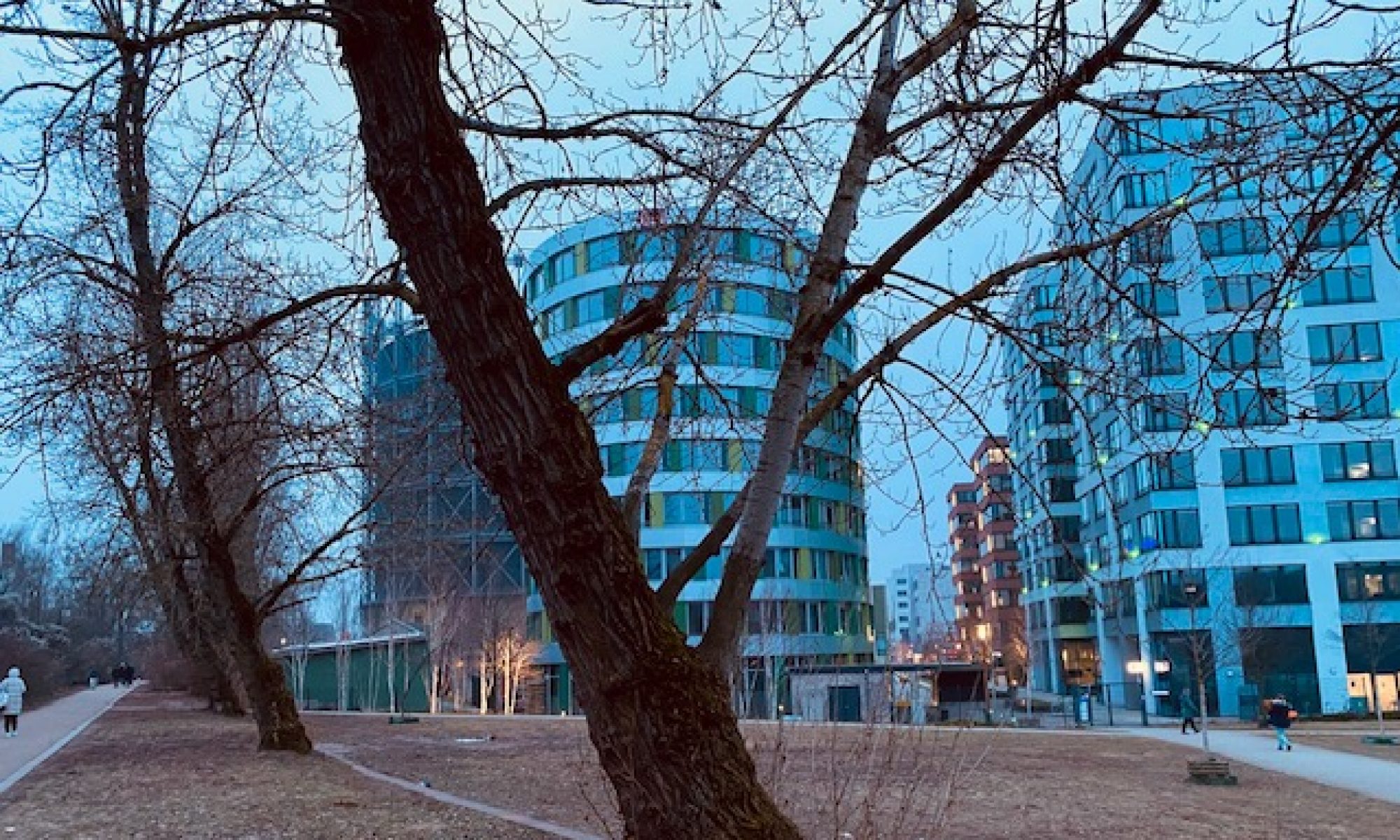

In Through Out

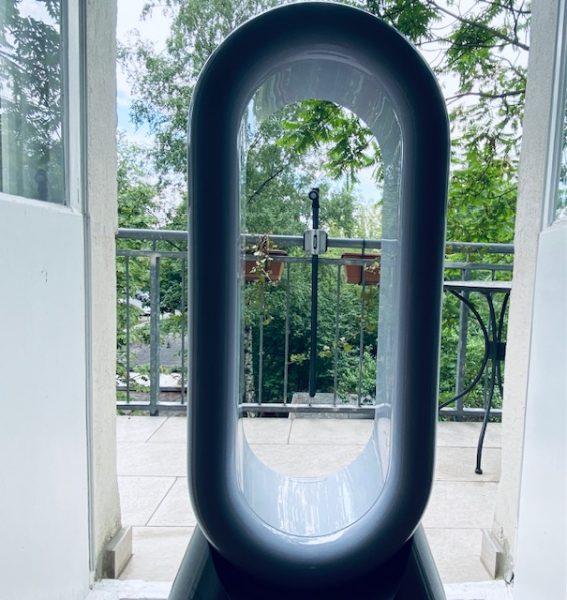
The easy logic “In Through Out” has multiple applications from nutrition, data processes and process engineering. An obvious experience for everyone is the cooling of an apartment during a meteorological heatwave. The energy loss known during winter times from a blow out of warm air through gaps in windows or doors reverses during summer to become a “blow in” of hot air from the surroundings of an apartment. The throughput, is the relevant measure to watch out for. This means the amount of air exchange during a minute of maximum or minimum airflow. It has a direct effect on temperatures and humidity levels. For cooling purposes, try to maximize the throughput at times when the temperature difference is the largest. Easy exercise, just a bit early in the morning. Mechanical, chemical or electrical devices may assist the amounts of throughput as well. Process engineering is for all of us and at all seasons.
Cooling-Heating Renovation

The public and scientific debate about the added value of investments in renovation of buildings has been ignited by the recent heat wave in Europe. Some renovations that were primarily concerned to safe energy in winter through better isolation of walls, doors and windows found themselves less well prepared with isolation against heat and sunlight. Hence, it makes sense to consider both topics, cooling and heating of buildings, jointly.
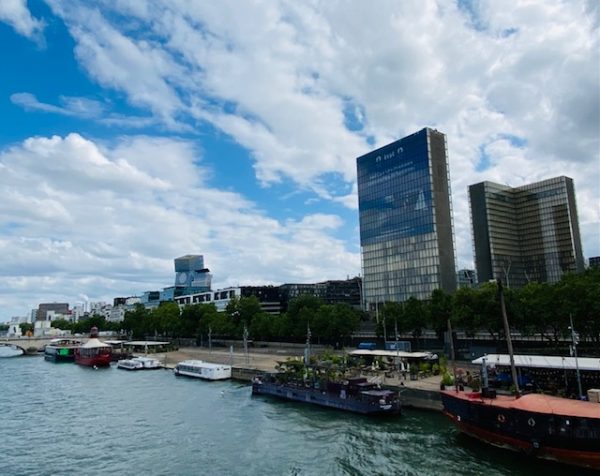
Reversible heat pumps can do this trick, if isolation has been installed or applied during renovation already. Additionally, materials used for isolation of buildings should show 2 measures for isolation: thermal conductivity and thermal resistance (R-value). Comparing both gives a fair idea about isolation quality in periods of heating and cooling needs. Albedo values are interesting as well as heat input during a sunny day is welcome in winter, but not during summer heat waves. The commonly used Energy Performance Certificate (EPC) for a building needs to be checked whether it is sensitive to excessive heat as well. (Image: BNF in Paris 2026)

All electric now

The shift over to the “All electric society” is easiest in sunny states like California in the USA, Africa or Southern Europe. For other regions of the globe not only the production of energy through the sun is a bit less abundant, but the storage of the sun’s energy production for deferred use is the next challenge. Countries of the globe near the equator have to balance 12 hours daylight with 12 hours night, countries far from the equator have to balance additionally more long-term between short winter days and long summer light.
Different energy storage solutions have to be envisaged.
On a daily basis or even weekly basis, battery energy storage systems (BESS) can do the trick. These systems become more costly for high capacity, longer duration storage. Battery size and price quickly become an issue. The number of electric vehicles (EVs) that have this more intelligent BESS is rising. This makes it possible to eventually use this storage capacity, if your car is sitting around your home or office for most of the time anyway. To make the “all electric society” function 24 hours, energy storage has to be planned at the same time as production and consumption patterns. The all electric prosumer will be the de-central “pro-store-sumer” in the 21st century.

Better infrastructure

It doesn’t need much explanation to advocate better infrastructure. Even if we rarely agree on what constitutes better infrastructure, the lack of infrastructure is felt quickly. Almost everything we use on a daily basis like water, food or transportation rely on large scale infrastructure to facilitate individual uses. Companies settle where they spot good locations, most of them are related to infrastructure as well. The basics about infrastructure is the public versus private provision of such infrastructure and related services. Even a country’s defense hinges on good infrastructure to be able to respond quickly at the place where the defense is most needed. Telecommunication and satellites have been recent innovations in the field of infrastructure. Security and cybersecurity in particular are a critical component of infrastructure. The topic is huge. The means to address these issues are likewise of daunting scale. Therefore, it is all the more important to address these challenges.