
Cool Cooling

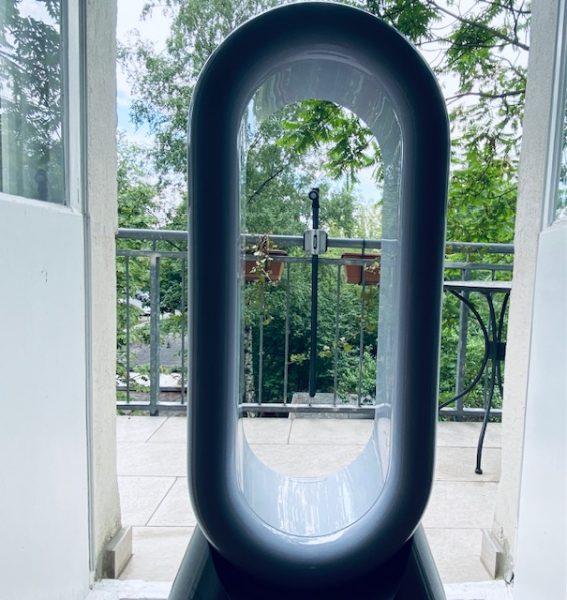
The human body has a pretty cool cooling mechanism to protect our functions. This ranges from the brain to our toes. Even we are usually not to keen on sweat, it still is our best way to achieve cooling for our bodies. Physical, for some also mental exercise can heat us up quite a bit. Water on our skin allows to extract most of the heat from our bodies due to the evaporation effect. This is our natural survival mechanism during heat waves or exhaustive exercise. Not all people sweat easily nor similarly in all areas of their bodies, but externally applied water for evaporation reasons does the same trick. Fever reduction through a humid cloth is another well known example of a proven “medical” cooling device. In architecture or home cooling we might exploit the evaporation cooling mechanism to create ambient temperatures in our home, office or home office. Multiple layers of humid structures or a special dice shape can create vast cooling surfaces even in tiny spaces (Stavric 2026). Cool cooling solutions can assist us in many ways without negative impact on global warming.

Willingness to pay

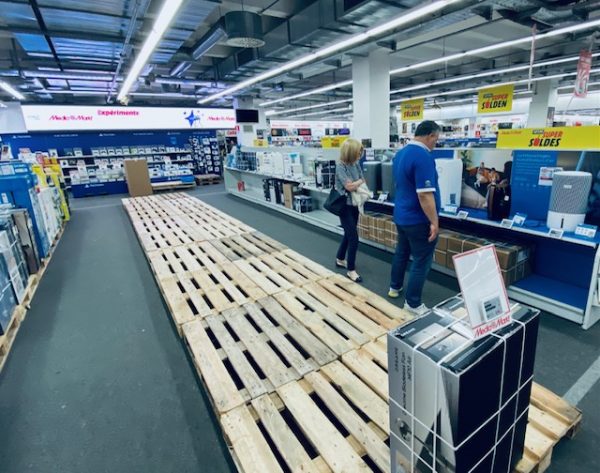
The willingness to pay for a product by consumers can be easy to predict. During the June 2026 heat wave in Europe, earlier and more intense than ever before, many people went to retailers offering cooling systems or fans with a determination to buy. However, the retailers who had stocks available found themselves depleted rapidly. The physical urge to find a solution to cool down a hot apartments has pushed the willingness to pay to new heights for such systems. A kind of market failure occurred as too many (short-sighted) consumers wanted to buy a quick fix for a serious personal health-related issue. The widely observed shortage of supply of air-conditioners and fans raised considerable frustrations on all sides, missed turnover and substantial profits for the retailers and lack of physical cooling in a suddenly “overheated” market.
The increased willingness to pay might be redirected to other “greener” solutions to the heating problem, but they often entail behavioral changes. This bi-directional relationship between willingness to pay and (lack of) readiness for behavioral changes is a fundamental principle of behavioral economics and sociology.

In Through Out

The easy logic “In Through Out” has multiple applications from nutrition, data processes and process engineering. An obvious experience for everyone is the cooling of an apartment during a meteorological heatwave. The energy loss known during winter times from a blow out of warm air through gaps in windows or doors reverses during summer to become a “blow in” of hot air from the surroundings of an apartment. The throughput, is the relevant measure to watch out for. This means the amount of air exchange during a minute of maximum or minimum airflow. It has a direct effect on temperatures and humidity levels. For cooling purposes, try to maximize the throughput at times when the temperature difference is the largest. Easy exercise, just a bit early in the morning. Mechanical, chemical or electrical devices may assist the amounts of throughput as well. Process engineering is for all of us and at all seasons.