Sovereign data spaces

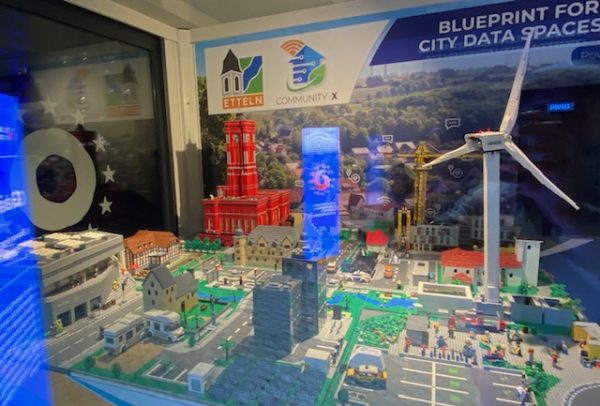
Data is the new gold, petrol or diamonds. In order to bring this message home to all people in the EU, the European summit on digital sovereignty had a small exhibition of projects that address these issues. City data spaces is such an initiative which has been running for quite some time now. In fact, from a city planner and data scientist perspective cities collect already huge amounts of data and can offer them to service providers, businesses and each and every one of us to organize our energy consumption, improve mobility patterns or any form of data or video streaming services. The amount of data captured and to be stored is growing rapidly. Just think of the Internet of things (IoT), maybe that’s only your wifi-connected coffee machine, oven or heating. Now add AI to this which allows the system to learn about your daily patterns to start the device in time for you to focus on other tasks. As we would like these data to stay confidential, the need for European digital sovereignty becomes sufficiently clear. It will take a huge effort to provide an adequate digital infrastructure for this “brave new world” and many people to work towards this objective. Train the trainers already, cause otherwise this is going to take ages before we can harvest the benefits in safe and sovereign manner.  
EU Digital Sovereignty

If we try to search for digital solutions, we shall encounter a whole lot of American and Chinese products, but very few European companies that are able or willing to compete. Hardware mainly comes from China, software from the US, at least until AI was not working in the background. If we add Russian interference to destabilize our digital infrastructure to the scenario, we are not really fit for the challenges of the 21st century. The very definition of a country or political union is the affirmation and competence to assure its sovereignty, particularly in cases of territorial conflicts with neighboring countries. My health or mobility data are a rather private affair, however, our state governments in EU-Europe have done little to ensure our data integrity. Business is also at a loss, if they do not spend heavily on data security themselves, usually relying on external cooperation. 

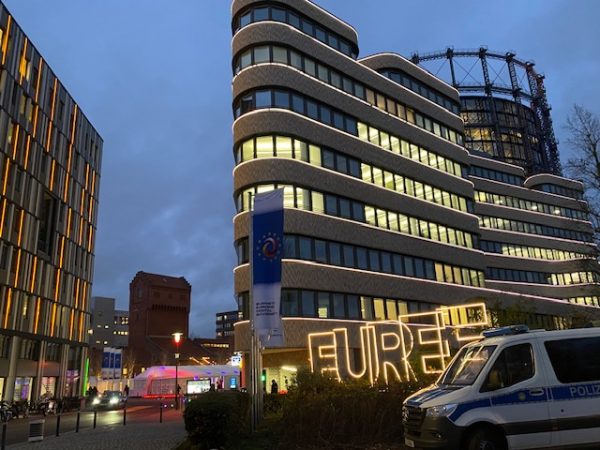
The EU digital sovereignty summit took place in Berlin on the EUREF campus in 2025. It can only constitute a beginning for intensified cooperation in  this long overlooked policy area. It will be tough to catch up where production has been abandoned for decades.  

Throne

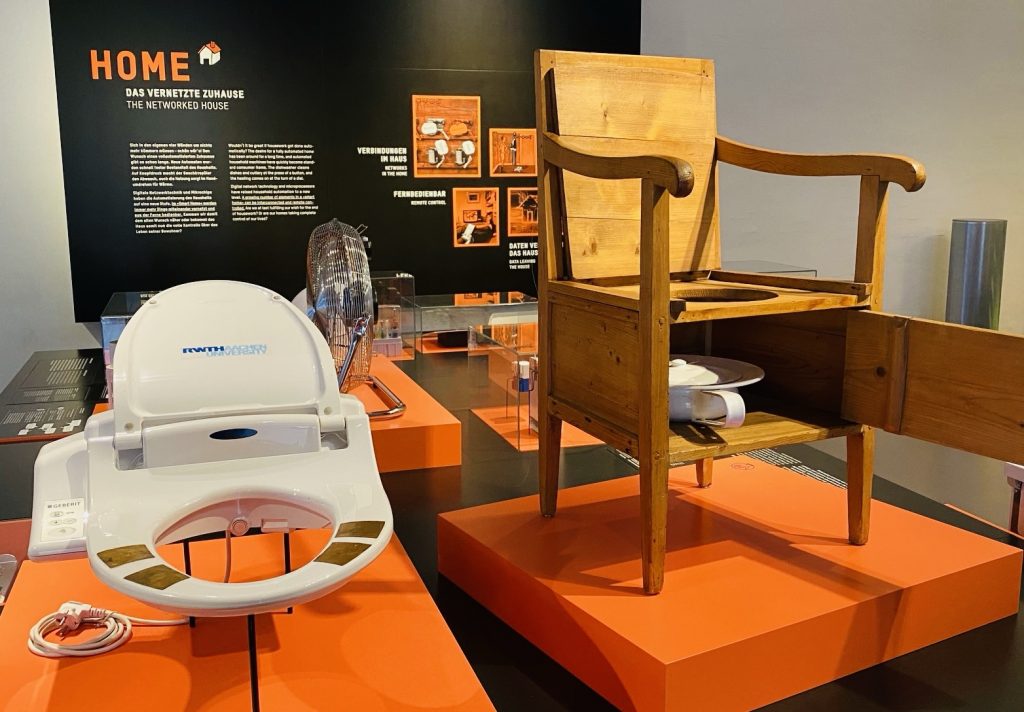
In continental Europe some people say they are going to sit on their throne for a while if they are going to the toilet. Previous furniture built for that purpose almost resembled a throne. Nowadays the comfort has increased and most households have an excellent WLAN connection in the tiny place, automatic ventilation and heating comfort. Linked to the throne, the issue of the smart home comes back into our mind. Besides the increased comfort we generate abundant amounts of data. Sensors of all kinds can track lots of information that may reveal quite intimate details which we did not intend to share. The movement pattern of mounting your throne might be easily identifiable by your smartphone. Such data could be added to assess your health status in your dedicated health app. Anonymized data could give early warnings about a local outbreak of diarrhea. Do we want this? Probably not. In countries where thousands die from diarrhea, probably yes. It is a matter of balancing the pros and cons. Health data are thought to be particularly sensitive information about us. It certainly is the new luxury to keep your health data private. Even if you measure and capture a lot of information in your smart home, make sure your smart home is sufficiently secure. For the benefit of all of us.

DTM Berlin 2024-1

Datenschutz

Die Datenschutzgrundverordnung (DSGVO) oder eben GDPR auf English hat alle, die Webseiten betreiben etwas in Atem gehalten (Neuer Hinweis zum Datenschutz dieser Webseite hier). Natürlich waren die Regelungen längst bekannt, aber die gesamte Branche hat bis zum letzten Moment gewartet und fleißig weiter Daten gesammelt. Vielleicht waren doch viele das Internet nutzende Personen überrascht über das Ausmaß der Sammelei. Falls Sie lange nicht mehr Ihren Klout-Score geprüft haben, “Klout ist seit dem 25.5.18 kaputt”, nur in der EU. Wir werden also weiterhin ohne Zustimmung geratet und mit den Scores Geld gemacht.

Traurig über das Verschwinden sind wir wohl nicht, da wir von der zweifelhaften und jetzt wohl illegalen Praxis bisher eh nichts wussten. Für politisch und gesellschaftlich Aktive bleibt es wichtig zu wissen, wo und wie sie “gerated” werden. Professoren und Lehrende im allgemeinen kennen die Ratingpraxis und haben sich daran gewöhnt. Im Privatleben ist das Rating aber wohl unter Persönlichkeitsschutz ein anderes Thema. THANK YOU – EU.