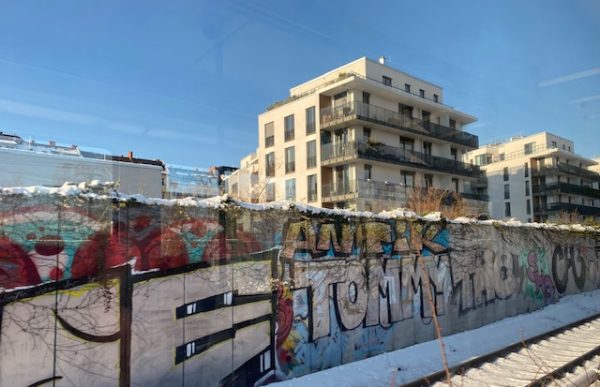
People are willing to pay a premium on housing prices for a more silent environment. In the study Enrico Moretti & Harrison Wheeler (2025) estimate that the construction of a silencing wall near a noisy traffic junction or road will increase prices for every decibel of noise reduction by about 3%. Distances closer to the noise shields get higher increases and this mechanism works even up to 400 meters away from the isolation. The investment in decibel noise reductions (not statistical noise) meets a willingness to pay a premium on housing prices. Investment in positive environmental effects (silence) have an obvious marketable premium value. This is most likely just the obverse effect that noise nearby housing is penalized and part of the social mechanism of gentrification. Housing prices and rental costs are known to be powerful drivers of gentrification as well.