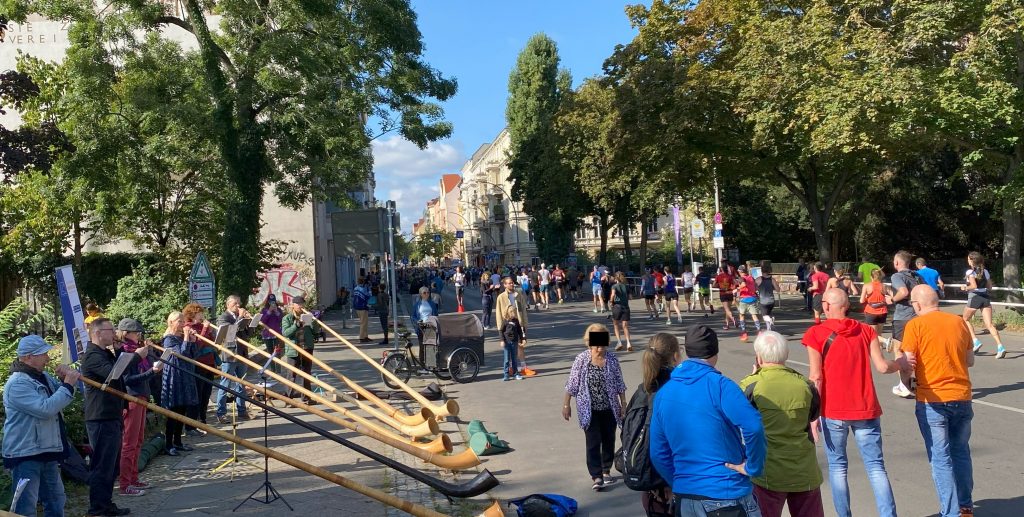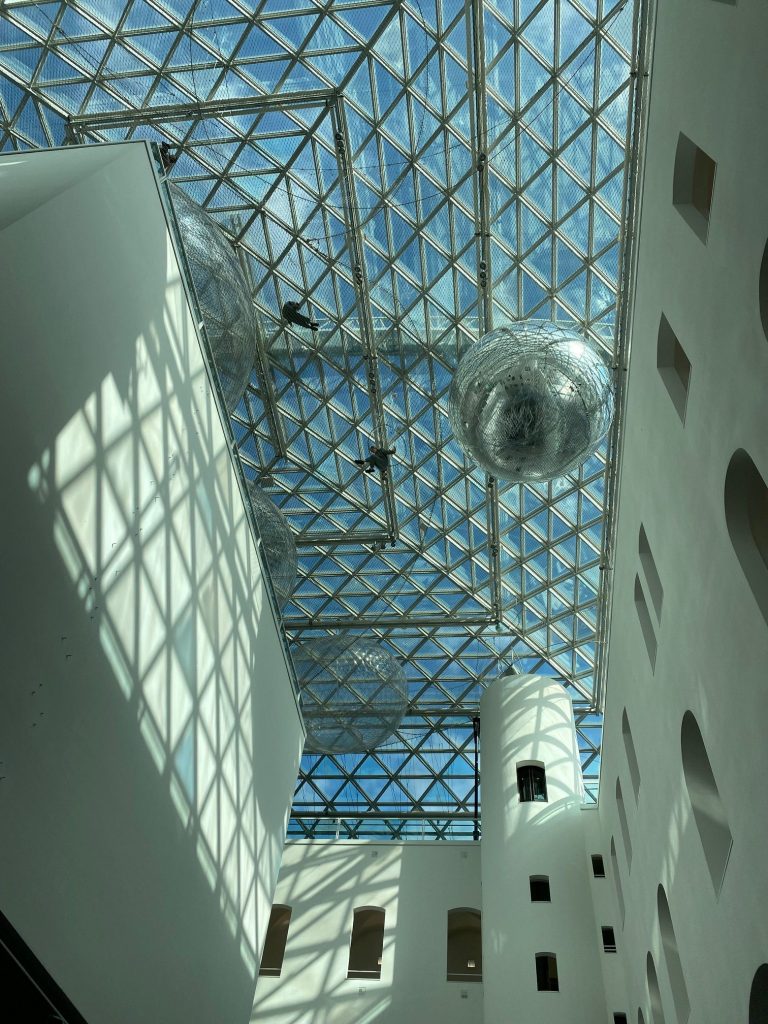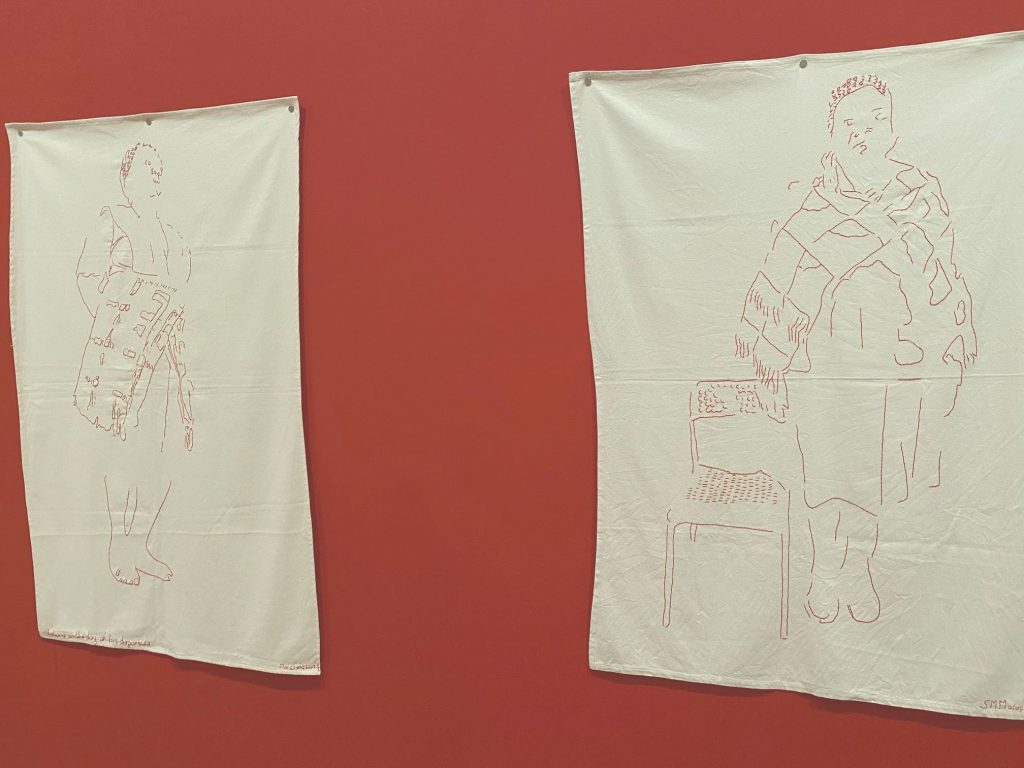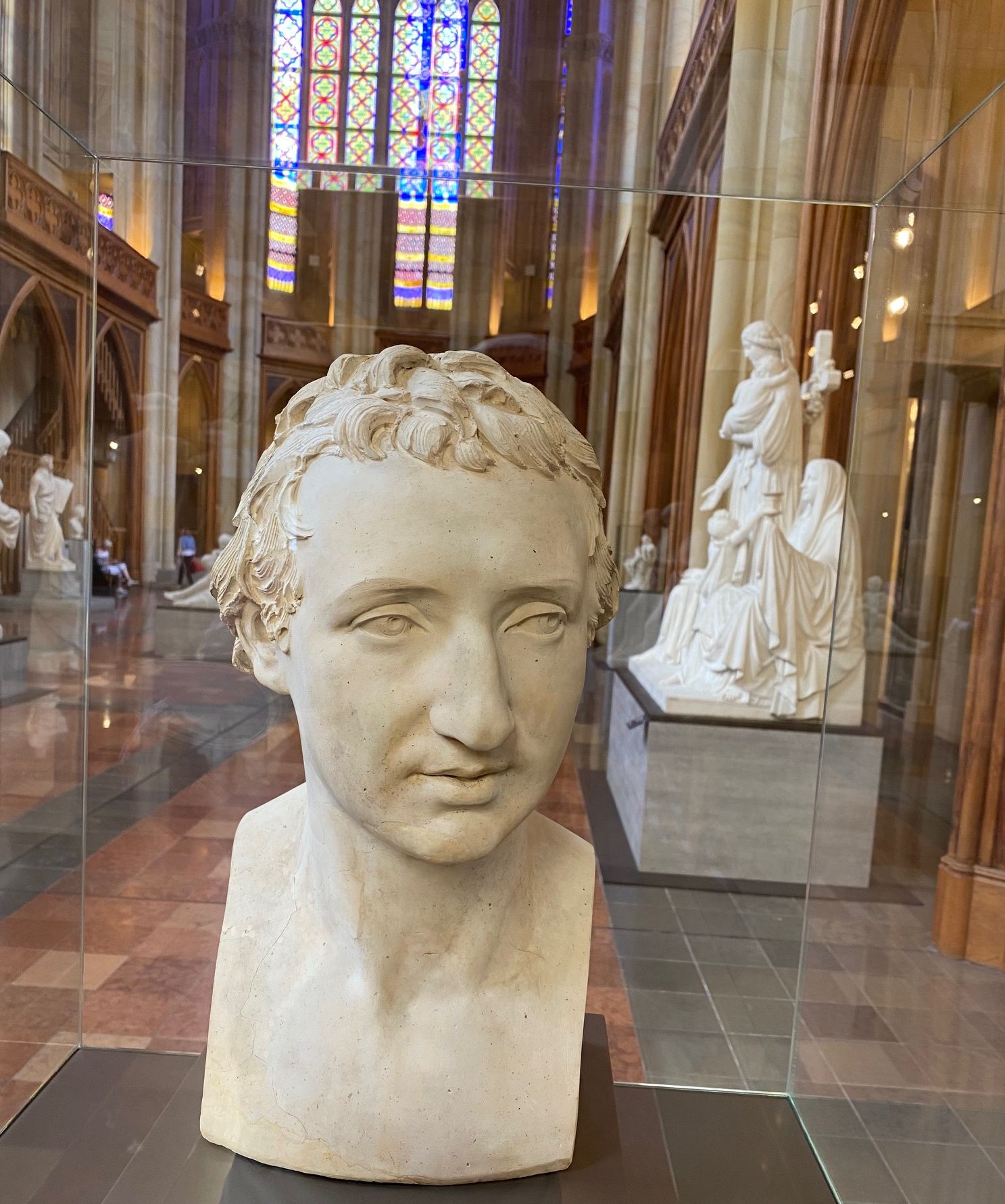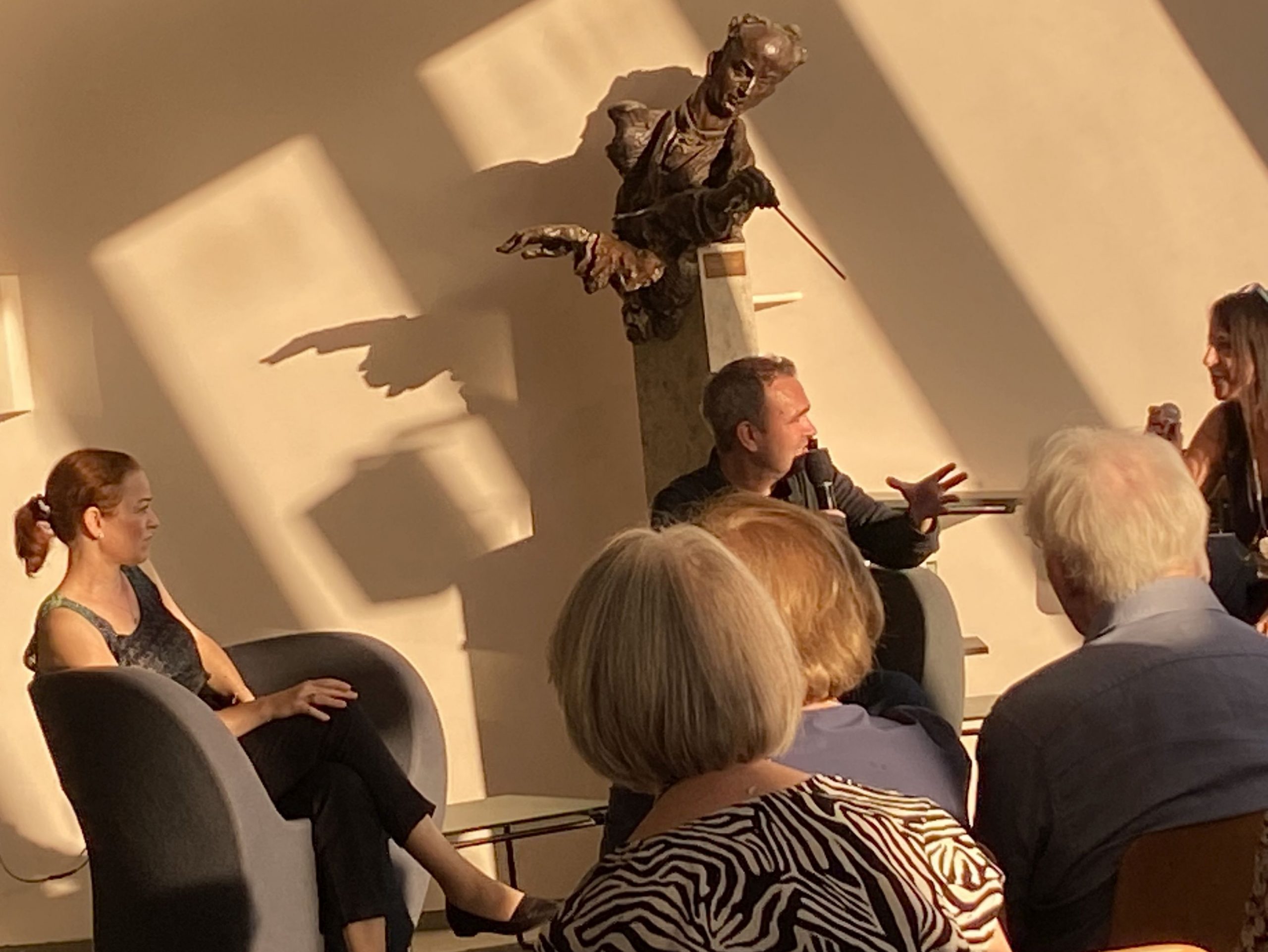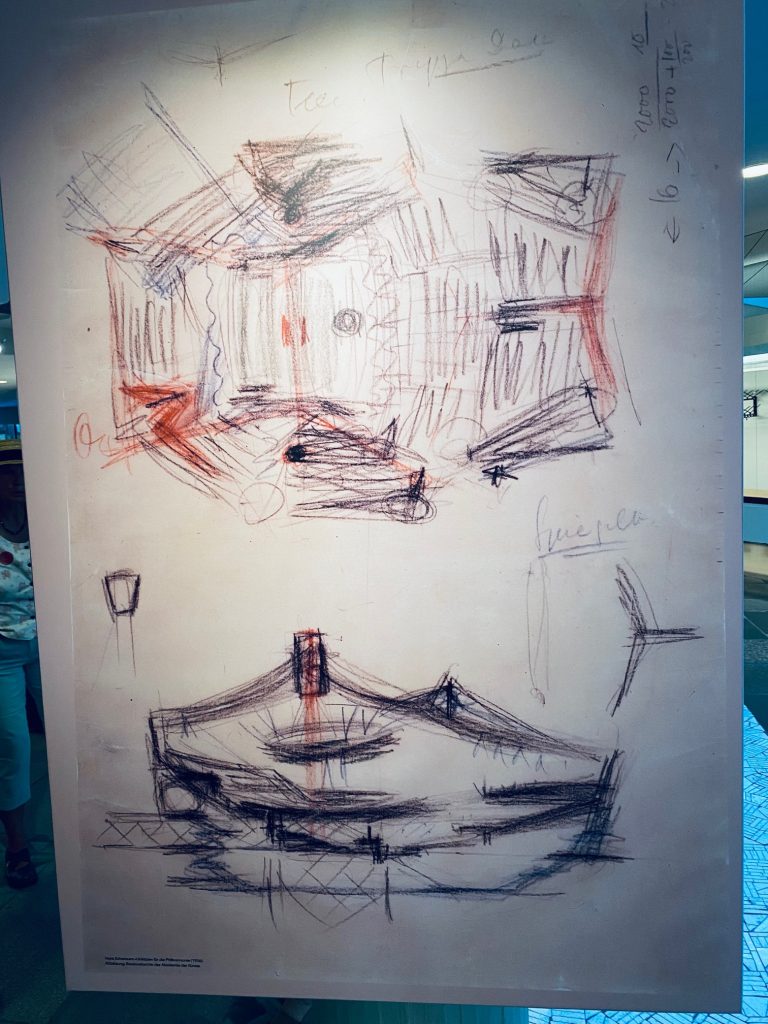

Work Satisfaction

There is an important distinction between job satisfaction and satisfaction with one’s work. Being satisfied with the work you have done or something you created or co-created has become almost a privilege. Production in capitalism has mostly different objectives like rent seeking rather than satisfaction with one’s work. Compromises between both are a major learning process about the functioning of labour markets. Remote work, for some, contributes a lot to more job satisfaction. For others a healthy work environment is the top priority. Many people however focus simply on pay packages and this is often out of sheer necessity to escape poverty eventually. Trades have a tradition to allow satisfaction with one’s work, more than most jobs in industry. Flat hierarchies and subordination to your own standards, rather than pressure from supervisors, are much more common. Recognition of your work adds to the pay you receive. Job turnover is related to job satisfaction but also to satisfaction or even identification with the product of your work.

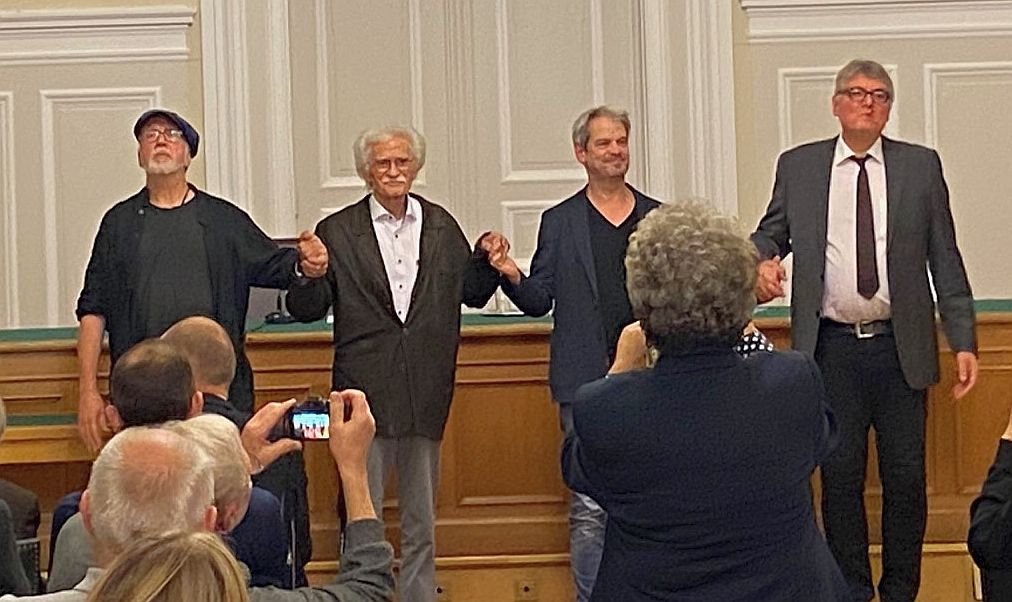
There is more to work than pay. Recognition in form of winning a price in a competition may help to keep awareness high that pay is only one element of remuneration. “meilleur ouvrier de France“ is such a kind of recognition. It encourages people to try new things and test new ideas. This is a major source of satisfaction with one’s work. We might even feel sorry for someone shouting “I can get no satisfaction”. He probably has to try in a simpler or different fashion rather than to try harder. The city Dijon in Burgundy seems to have a pretty high number of people with high levels of work satisfaction and happy to show it.

Heidi

Neben dem Kassenschlager des neuen Barbie Films lebt ein anderer Mythos der Mädchenjahre weiter. Die in der Nähe von Zurich im Kanton Graubünden gebürtige Schriftstellerin Johanna Spyri hatte zwei Bücher mit Kindergeschichten im 19. Jahrhundert mit Namen Heidi verfasst. Dieser Ausgangspunkt bot zahlreichen Verfilmungen eine verwertbare Basis. Die Geschichten der kleinen Heidi wurden überraschenderweise von Filmstudios in Japan zu dem Welterfolg 1974 im Animé Format geschaffen.

Computer Animationen sind nichts Neues, und statt aus Japan kommen viele nun auch aus Südkorea. Outsourcing zur Gewinnmaximierung war schon immer ein verlässliche, gewinnorientierte Produktionsmöglichkeit. Lediglich für so etwas wie Kulturgüter glaubten wir, wäre das nicht so einfach. Filmrechte werden gehandelt wie andere Waren. Hohe Einschaltquoten werden uns noch mehr Heidis und Barbies im Filmformat bringen. Das werden wir aushalten müssen.

Gartenwelt

Gärten sind eigene Welten. Selbst im gleichen Garten sehen verschiedene Menschen unterschiedliche Dinge. Man stelle sich nur sogenannte Farbenblindheit vor. Jahreszeiten bieten zusätzliches Ansichtsmaterial. Animalische Perspektiven würden für erstaunliche Überraschungen sorgen. Nach den Vorarbeiten mit dem Polinatorprojekt online hatten wir die Gelegenheit eine konkrete Realisierung einer solchen Gartenwelt zu durchwandern.

Der reale 3-D Eindruck ist überwältigend und bringt die virtuelle Erfahrung des Gartens im Lauf der Jahreszeiten in die reale Welt. Zu jeder Jahreszeit, selbst im Hochsommer, ist viel Farbe im Spiel und das auf mehreren Ebenen. Paradiesische Gartenwelten erschließen sich bei der Bewegung im Garten. Das wirkt wie ein Ansporn zu eigenen oder besser gemeinschaftlichen Anstrengungen einer vergleichbaren Realisierung. Genau das ist auch Teil der Ausstellung und des Katalogs „Zukunft der Gärten“ im Vitra Design Museum.

Work Subordination

One of the defining principles besides the job description, working time, working place, remuneration of a work contract is the subordination to a superior. The employment contract entails some more or less strictly executed form of direction, but a right of direction nevertheless. This element of subordination has become a major issue in the definition of whether you are effectively an employee or a self-employed person. The digital revolution had enlarged the kinds of subordination. Platforms and algorithms, that distribute work among several employees (but named platform workers) disguised the subordination to a superior level of management to the platform and its seemingly anonymous algorithm. Many young riders were saying, I don’t like bosses, but I am willing to accept a “technical” platform that distributes work tasks only seemingly in a non-discriminatory way. Due to a failure of labour legislation to regulate early enough a thriving model of fake self-employment developed throughout Europe and beyond. Labour Courts have contributed a lot to correct the disguised subordination. Even Uber is advertising that they only operate as a broker of tasks, but have no subordinated employees. The related issue of subordination remains largely the same. Subordination to an algorithm of the distribution of tasks is the end result.
Many start-up enterprises use Kanban boards to facilitate project and team management. Shifting tasks between employees, introducing new tasks and self-selection of tasks are potentially subordination-free allocation of tasks (example software). Flat hierarchies seem more manageable through the use of such tools. The number of tools that integrate other office functions is impressive. When testing such tools, that become more popular also in the distribution of household tasks, beware of the data-hungry nature of such tools. For example, https://trello.com/ warns correctly in the small print that for its full functionality it would need to have permission to use “your” camera, microphone, contacts, photo library, calendar etc.
This demonstrates that subordination, nowadays, is complemented by the algorithmic use of a lot of privacy, we would never have agreed to a boss in person should even ask for. The new and old subordinators have powerful tools at hand, the subordinated will have to get their act together and limit the amount of subordination they are willing to accept.
Again, this is a generational topic. The low threshold to accept technical subordination in younger generations, your autonomous level-5 car is breaking earlier than you even perceive a risk, is confronted with the higher threshold to accept personal subordination for youth. Interestingly, for older generations the obverse is true. All in all, we have ample reason to rethink and re-define also in legal terms the manifold, disguised and new forms of subordination related to work.

Happy

Don’t worry, be happy”. Most people might remember the song of the late 1980s by Bobby McFerrin. Very popular at that time already, it simply took a popular phrase from an Indian mystical preacher and then take this and compose an easy-going melody. Simplicity is the art here, not the complex arrangement of voices or orchestration. Similar to the shifting mood of the late 1980s when eventually even the Berlin wall came down, we are still in need of finding simplicity again.
This is a kind of a good starting point for the visit of the happiness exhibition in Brussels. At the beginning of the exhibition, you do a bit of reading on the neuro-psychological and sociological foundation of happiness to then move on to the more fun part of the exhibition: immergence into rooms of light and colours. Sound complements the visual experience decently. It is interesting to witness that children are immediately seduced by the joyful atmosphere and feel very comfortable in the rooms. Adults are more reluctant to let lose. Drop defences and walls we have become used to and just let go of our concerns of day-to-day hustle. “Don’t worry, be happy”, at least for a while. You deserve it.
The entry price of 16€ at the door is a not-to-be underestimated as an impediment to an entry into the world of happiness in Brussels. Children are free of charge, most of them are happy anyway if their parents spend time together with them. Happiness for many in society remains still a challenge. Art could contribute more in this direction as well. On the “Mont des Arts” happiness is near, it takes just some time and you are very likely to feel the effect of the artist’s creation through splendid interior design taking our senses and emotions seriously.

Errance

Das musicorum Festival in Brüssel ist gut für außergewöhnliche Überraschungen. Am 20-7-2023 gab es dort ein Konzert des Trio Errance. Sopranistin Julie Gebhart, Pianistin Nao Momitani und Klarinettist Rudy Mathey hatten ein kurzweiliges Konzert mit dem Titel Ode au voyage zusammengestellt Von Mahlers Auszug aus der 4. Symphonie 4. Satz „wir genießen die himmlischen Freuden“ wanderten wir Schuberts Hirten auf dem Felsen folgend zu den modernen „trois itinérances“ von Claude Ledoux. Von Romantik bis zur Trauerarbeit nach dem Attentat in Brüssel 2016 waren wir auf traumhaften sowie traumatischen Reisen. Dank dem hervorragenden Trio und dem Komponisten in Anwesenheit mit kurzer Einführung haben wir uns nicht auf diesem Weg verloren gefühlt. Emotional gestärkt sind wir auf dem Weg vorangeschritten. Eine wirkliche Feier- und Gedenkstunde.

Garten

Ach es ist so schön im Garten. Ein schöner Garten will geplant werden. Das gelingt auf besondere Weise mit dem „Pollinator“. Hinter dem Pollinator verbirgt sich ein Kunstprojekt, das viele kleine Gartenkunstwerke zu einem großen verbinden möchte. Spannend ist nicht nur das Vernetzungsprojekt von vielen einzelnen Parzellen zu einem größer werdenden Gesamtprojekt (Aggregation), sondern der für Kunstschaffende gewohnte Perspektivwechsel. Aus Sicht der Bestäuber der Pflanzen und Blumen gesehen ergibt sich eine vogelähnliche Perspektive auf den Garten.
Der Parcour einer Biene oder eines Schmetterlings durch unsere Gartenparzelle regt zum Träumen an. Vielleicht hätte Franz Kafka nach der Parcour-Erfahrung ein anderes Insekt gewählt. Mir gefällt die 2D, 3D, 4D Perspektive, die es erlaubt, den blühenden Garten im Zeitraffer durch alle Jahreszeiten zu visualisieren. Das ist Gartenarbeit ohne die mühsame Kleinarbeit des Pflanzens und Unkrautjätens. Es wird nicht gleich ein Garten wie von Impressionisten in Argenteuil von Monet oder in Yerres von Caillebotte daraus, aber ein farbenprächtiges Kleinod allemal. Mein erster virtueller Versuch (Link) ist schon recht farbenfroh. Lateinische Namen auffrischen ist schon fast ein Beitrag zum gesunden Altern, besonders wenn der Garten einige Kilometer entfernt ist. Im Sommer lassen sich leicht neue Pläne schmieden. Herbst und Winter, Trockenheit und Hitze lassen uns das Gartenkunstwerk nochmals überdenken. Spielerisch ein Gartendesign gestalten, kann der erste Schritt für mehr Natur sein. Biodiversität macht Spaß und hilft uns allen. Kleinvieh macht eben auch Mist.

Books

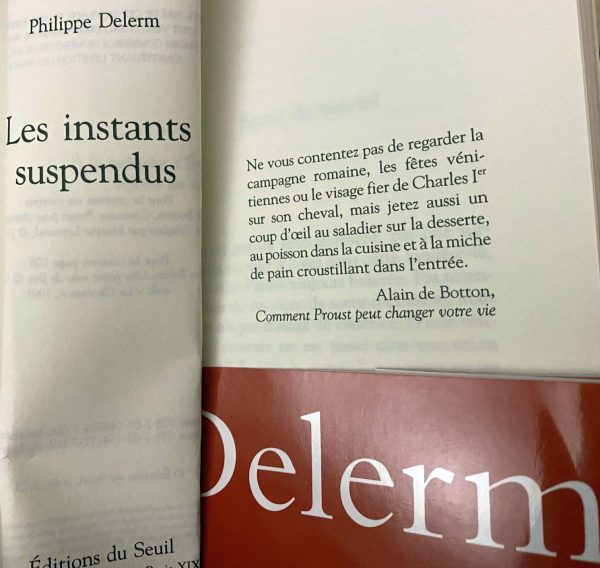
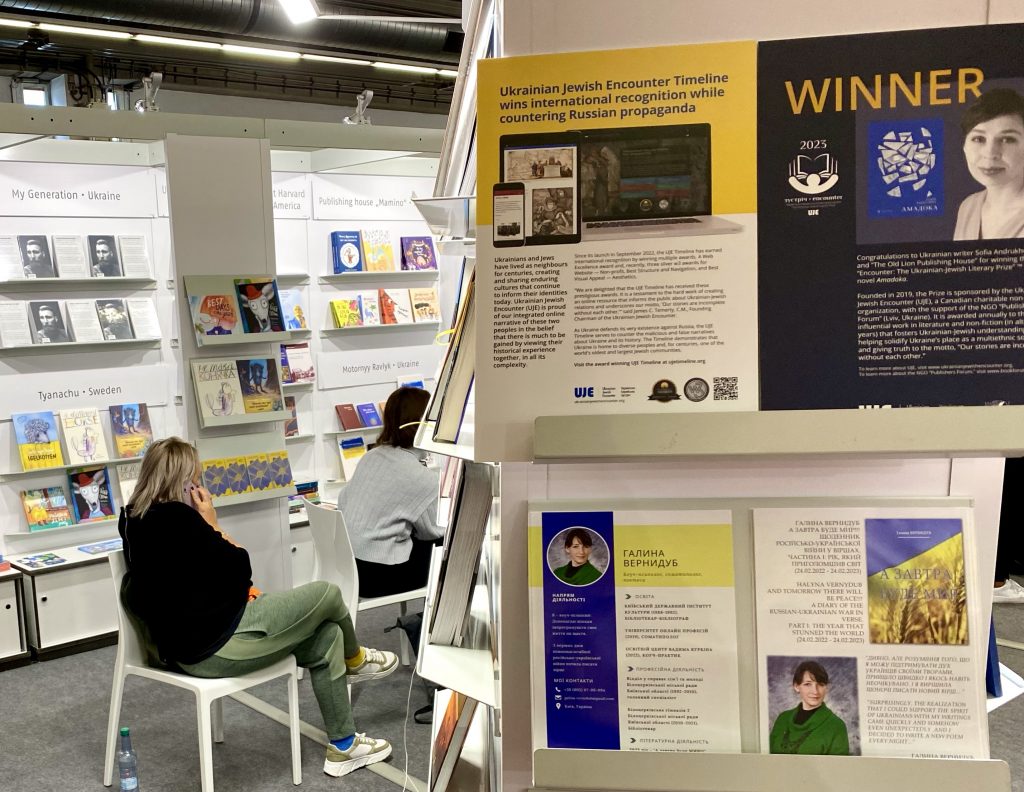
Some say, a book is a book, is a book. This is to reiterate the lasting effect a printed volume might have. Many books are a form of a documentation of facts. Creative writing in whatever form finds most of the time some way into a format of a book. For centuries books have facilitated the diffusion of myths and stories throughout societies including translated versions of the content. 2 aspects are constituent here (1) form and (2) content. Annual book fairs receive most attention for new content within more or less the same rectangular format. There are, nevertheless, interesting variations of the form to be discovered as well. Traditionally book binding was the art that gave shapes to the content. Images in form of film are yet another representation of the book content. All this is “dealt” with at the Frankfurt book fair #fbm23, particularly in form of dealing in and with copyrights. New forms of delivery of content, online or as e-book, have added to the variety of books. Pay as you go or as abonnement with monthly delivery is the old and maybe fashionable new way to digest abundant content. People trust in books. The format as book in general seems to remain an authoritative form to present content, irrespective of the truthful or fictional kind of the content. The more we live in insecure circumstances, the more we tend to be willing to hold on to a pile of paper nicely woven or clued. It is still a very powerful tool to guide imagination for all ages. It allows us to learn at our own rhythm as far as we are willing to go. We are, or seem to be, in control of the process as well as the likely outcome. And yet, the spice of life is the surprise. Book it.

Smurf SDGs

The smurf series of comics has been a world-wide success as children-books. Many adults enjoy re-reading some of their old comic books to their children or grand-children. Now let us try it the other way around. Our children try to sell us the concern for the environment by talking to us through the designs of smurfs, Schlümpfe or Strümpfe, as they are called in various translations. Maybe this way we are more open to take a serious look at the Strategic Development Goals (SDGs) of the UN. Easily accessible and getting us through an emotional connection might work better than tedious lengthy documents and statistics of continuous failure (e.g. on hunger) of most parts of the world.
Tell the story of the smurfs with the SDGs in mind. See how far you get in remembering the whole list of 17 stories. Build a narrative around each of the images. There is no way around getting nearer these goals for our very own survival as a species. Intergenerational communication works both ways from young to old as well as from old to young. Design your own characters, if you like, with the same SDGs in mind. Only this way we shall broaden the supporters for the goals beyond the expert circles of politicians and policy advisers. Happy drafting and rapid implementation! We can do it, if we want to.

Flotow Aus

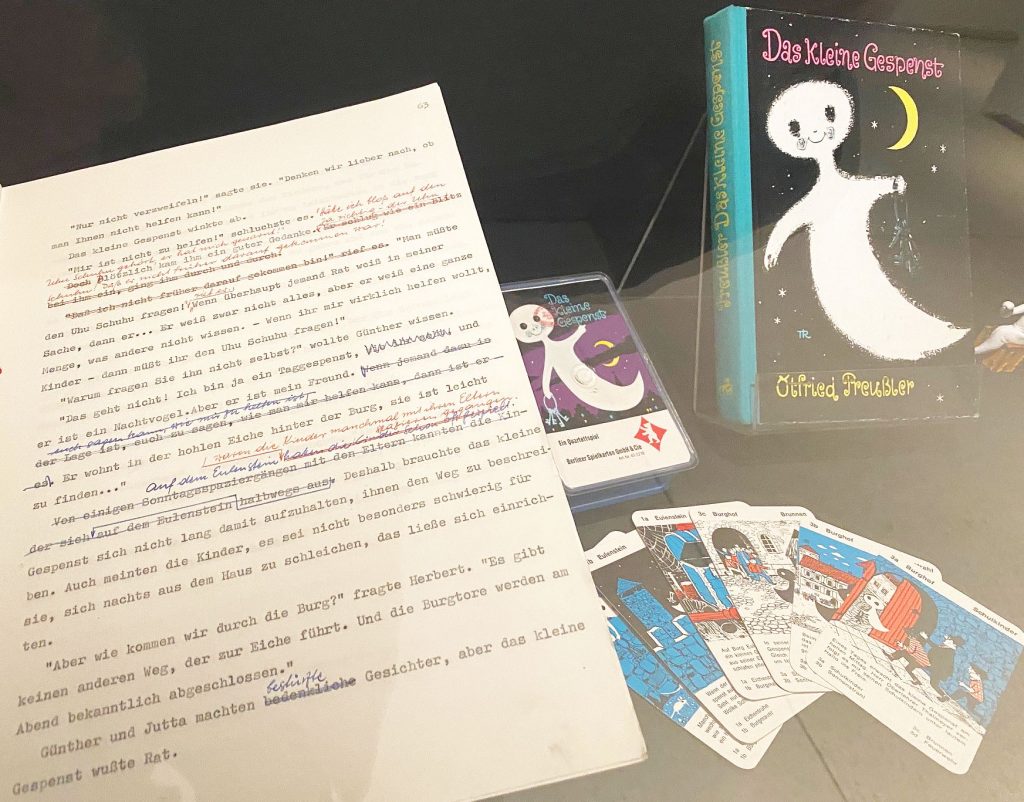
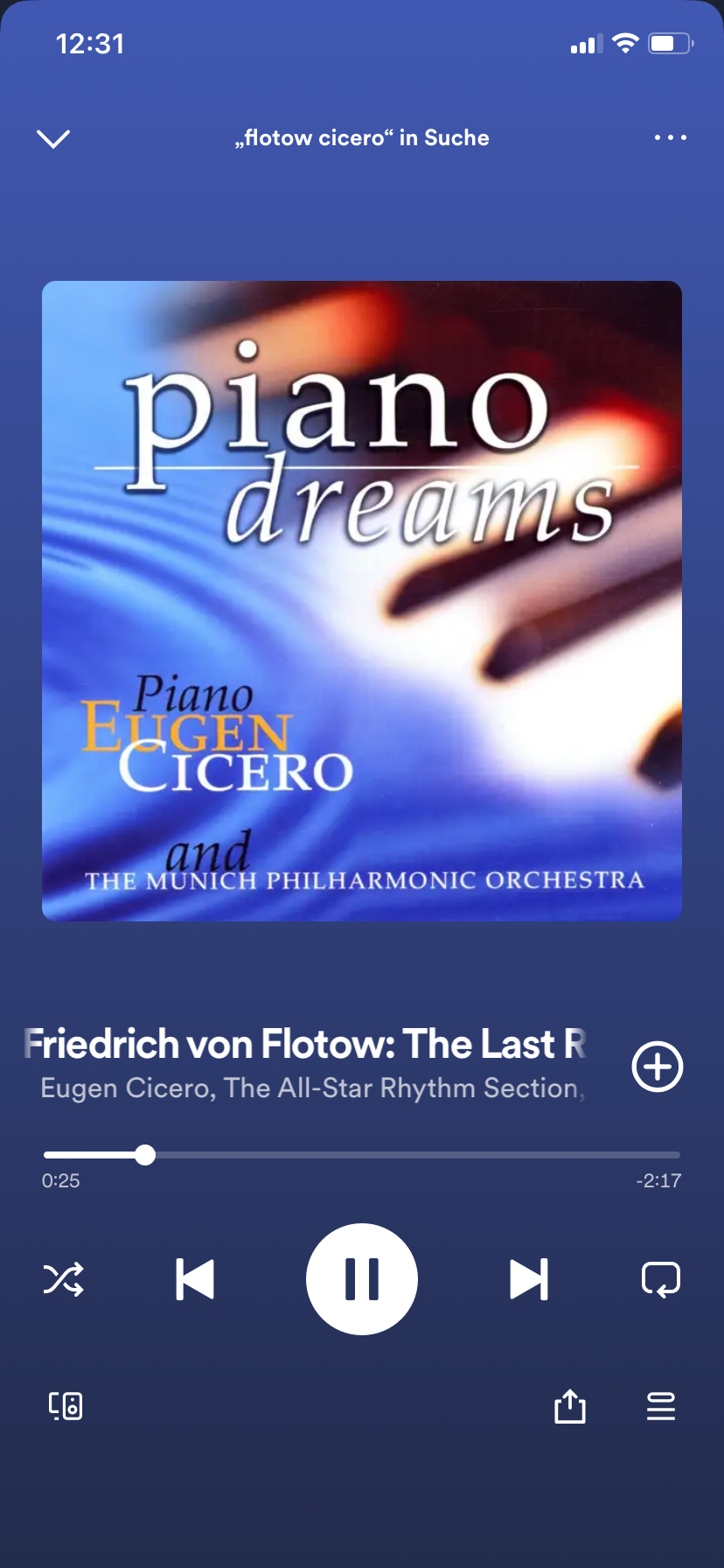
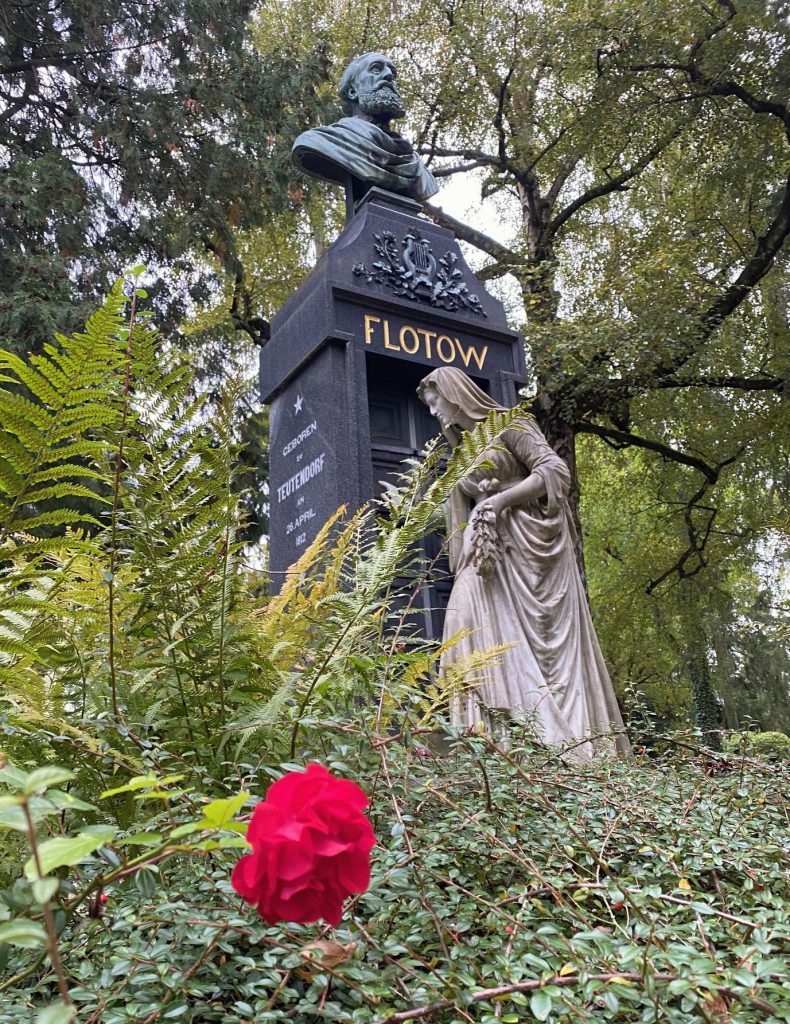
Irgendwann, so denkt man, sollte der Ruf einiger Komponierenden enden oder zumindest verblassen. Überraschend war das Auffinden auf der Musikplattform Spotify einer populären Sammlung von Liedern bei denen die letzte Rose von von Flotow zu hören ist. Ein Bayer oder Österreicher hätte vielleicht gerufen: Ja AUS is! Nix AUS ist es. Ein australisches Orchester (aus Adelaide) und Greta Bradman haben in 2018 auf der anderen Seite der Erdkugel, Flotow mit seiner „irischen“ Arie ins Programm genommen neben anderen Ohrwürmern. Die Romantik lebt. Einige Melodien finden weiterhin ihr Publikum. Erstaunlich, nach 150+ Jahren und 6000km Entfernung. Flotows Opernarien aus Stradella begeistern auch hin und wieder die Fangemeinden der Startenöre.

Geister

“ Herr, die Not ist groß!/ Die ich rief, die Geister/ werd ich nun nicht los.“ Dieses Zitat aus dem Zauberlehrling von Goethe aus dem Jahr 1797 könnte im Juli 2023 von Putin ausgerufen worden sein. Als der von ihm geförderte und üppig finanzierte Chef der Wagner-Armee Prigoschin plötzlich auf Moskau losmarschierte. So sehen das viele Analysten zu Beginn des scheinbaren Angriffs auf Moskau eigener Söldnertruppen. Frei nach Goethe fragen wir uns also: Wer und Wo ist der Meister? Wer ist hier der Zauberlehrling? Aber schon Goethe hat seine Ballade rasch und ohne Überraschung aufgelöst. „In die Ecke, Besen, Besen! Seids gewesen. Denn als Geister ruft euch nur zu seinem Zwecke, erst hervor der alte Meister.“ So entpuppt sich am Ende Putin wohl als der Meister und Progoschin „nur“ als sein Zauberlehrling.
Das ist nicht die herrschende Meinung der Redakteure und Editorialisten (Süddeutsche, LeMonde). Literatur der Romantik sollte besser aus der Tagespolitik herausgehalten werden. Weit gefehlt. Sie weitet den Blick auf Herrschende, meist Autokraten, und ihre tragischen Lebensverläufe.
Jetzt mal eine ernsthafte Vision(?) eines Politikberaters. Da die Mission von Prigoschin mit Unterstützung oder angeordnet von Putin in Butcha als abgeschlossen galt, und das Staatsheer diese Aufgabe übernommen hatte, wäre Prigoschin arbeitslos geworden. Den treuen Chefkoch Prigoschin aus St. Petersburger Zeiten, der Putin in seinen Restaurants schon hätte vergiften können, hat seinem Meister vorgeschlagen, Putins faktischen Schutz vor einem Anschlag oder einer militärischen Einsatzgruppe zu testen.
Militärisch gesprochen, läuft das entweder unter einer „false flag attack“, eines mit russischer Flagge getarnten Angriffs, oder einer „white flag attack“, dem Vorspiegeln einer geschützten friedlichen Mission (vgl. trojanisches Pferd).
Aus der Sprache der Börsianer kennen wir ebenfalls die „weiße Ritter“ Attacken. Dabei versucht ein anderes Unternehmen, eine InvestorIn oder eine im Hintergrund agierende Person (Progoschin), eine feindliche Übernahme eines Unternehmens zu verhindern. Dabei sind Mehrheitsbeteiligungen am Zielunternehmen oder Fusionsangebote die gewollte Lösung und Abwendung der feindlichen Übernahme.
Im Internetzeitalter kennen wir die bezahlten Hacker, die eine Webseite eines Unternehmens oder Behörde auf Schwachstellen testen und damit Datenschutz, Erpressung und Ausfälle vermeiden helfen.
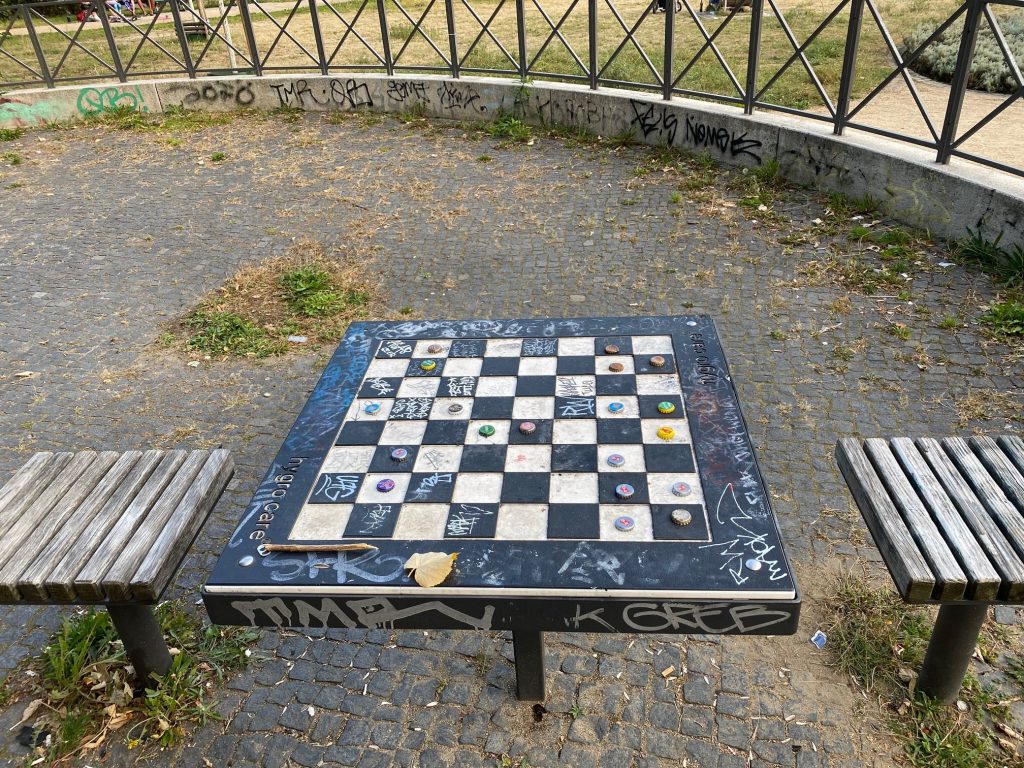
Klingt alles kompliziert, ist es aber nicht. Es ist einfach Teil des modernen Arsenals von Strategen à la Clausewitz. Schachspielen mit echten Söldnern ist grausam und kostet echte Menschenleben für den Machterhalt. Der militärische Probealarm wurde getestet und der Schutz um Putin, den Meister mit seinem Zauberbesen kann verbessert werden. Sein Zauberlehrling Prigorschin ist wohl vielleicht sogar vom Springer (Schachfigur) in einen Turm eingetauscht worden. Vielleicht ist er aber schon längst die Dame an der Seite des Königs oder eben einer der Geister im Umfeld von Putin.


Acanthus

Wer erkennt ihn noch, den dornigen Bärenklau? Acanthus gibt es in vielen Farbkonstellationen. Die fast 1 Meter hoch wachsenden Stauden sind dekorativ, obwohl wegen der kleinen Stacheln etwas unfreundlich zu handhaben bei der Gartenarbeit. Nicht nur die üppigen Blütenstände beeindrucken durch ihren kerzengeraden Stand bei überragender Höhe vor der Hauswand, sondern auch die Blätter hatten es schon den Griechen angetan. Die Kapitelle griechischer Säulen wurden schon nach den Blättern der Acanthus geformt.
In der Dekoration werden die Ornamente auch bei zahlreichen Schnitzereien traditionell seit Jahrhunderten verwendet. In weichem Holz (keine Eiche) lässt sich die Blattform nachzeichnen und schmückt dann ganzjährig das (deutsche) Innere in Anlehnung an das (französische) Äußere. Für Acanthus und Holzfans ein Erklärvideo auf Youtube à la zugeschaut und mitgebaut.

Lebensverlauf Musik

Lebensverläufe von Musizierenden (Wagner, Flotow, Chopin) sind, ganz so wie die Musik, mit vielen Höhen und Tiefen versehen. Das ist von wenigen Ausnahmen kaum planbar. Wettbewerbe spielen in den schönen Künsten ebenfalls eine bedeutende Rolle. Karrierewege werden so in entscheidendem Ausmaß beeinflusst. Der „Concours Reine Elisabeth“ in Belgien bemüht sich, nicht der Devise „The Winner takes all“ gerecht zu werden. Zum Beispiel war der Zweitplazierte Pianist von 2021 Sergei Redkin, 2 Jahre später auf dem “Mont des Arts” in Brüssel erneut zu hören. Anlass war das 2. Konzert im Rahmen des „Musicorum“ Festivals am 5.7.2023. An Stelle des geplanten Konzerts mit Aleksandr Khramouchin (Violoncello), der mit 43 Jahren an einer Blutvergiftung verstorben war, präsentierte Sergei Redkin ein tiefgehendes, mit teilweise virtuosen Klavierstücken angereichertes Programm von Rachmaninoff (Rachmaninoff-Richardson : Vocalise Rachmaninoff) und Prokofiev (Sonate Nr.4).
Alle beteiligten Institutionen und Personen gewinnen mit dem gemeinnützigen Arrangement auf dem Berg der Künste.
Der Weg auf den Berg der Künste ist mit vielen beschwerlichen Momenten gepflastert. Selbst der Weg von WettbewerbsfinalistInnen bleibt steinig. Wenngleich die Musizierenden auf dem Weg zur Bergspitze kaum Anstrengungen scheuen, ist das Publikum leider nur noch eine kleine Gemeinde von Leidenschaftlichen einer anderen Generation. Musik bringt sie alle zusammen zumindest in der kleinen, vielleicht allzu feinen Welt der späten Romantik. In den von Sergei Redkin ausgewählten Stücken lassen sich die Turbulenzen des frühen und späten 20. Jahrhunderts bereits erahnen. Mehr braucht es nicht, um eine ¾ Stunde lang ein Gefühl von Vergangenheits- und Gegenwartsbewältigung zu haben, auf dem Brüsseler Berg der Künste.

Collective Violence 2

Summers and Markusen (1999) subsume state terrorism under the broader heading of collective violence. Even beyond non-governmental groups, states might apply collective violence against innocent people. Among the strategies governments use as a form of collective violence fall (1) arbitrary arrests, (2) imprisonment without trial, (3) torture and (4)a summary execution of members of alleged enemy groups. Particular outcries are caused by, for example, police or other para-military groupings of persons who jump from (1) to an execution of an innocent person or of several even seemingly unrelated murdered persons (4b).
Amnesty International attempts for decades to fight against such occurrences on an almost global scale. The need to complement the national legal systems through supra-national instances as well as NGOs in this domain is obvious. Even the most advanced democracies need to permanently check their systems for several forms of state terrorism or abuses of power to eliminate or intimidate opposition.
Staub (1999, pp.195) undertook an attempt to list elements that allow to predict and maybe prevent collective violence. The theory starts with “conditions of life” more generally like economic, social and political conflicts as well as rapid social change. Activation of basic needs in people, like several forms of security, challenges to a person’s self-concept, traditional values, simply the customary way of life (COVID-19) or new comprehension of (climate) realities, they all challenge old world views of people (superiority) and their place in the world (AI).
Claims for support by other people (government), missing connection to others (individualism) lead people to focus more on their own needs and isolated action. Rebellion as collective violence is directed against differences in status, power and (social) rights. Self-interest is becoming an overriding societal principle. Racism (p.200) and police violence (p.201) are part of Staub’s theoretical considerations. He argues in favour of training of situations in which a police officer is likely to become unnecessarily violent or to stop it if it occurs. At least a medium-term solution.
Framing of such training as preparation of good teamwork rather than betrayal is crucial in action teams, be they in the police or the military. The reader on “violence subie, violence agie” by Seron and Denis (2000) allows us to take a step back and reflect on the spirals and repercussions involved in violence from the perspective of the person who carries out an act of violence and the victim. A social-therapeutic approach aiming at reconciliation is worth trying, albeit a lot of obstacles. Collective dance rather than collective violence is the immediate as well as long-term solution (More on dance here).

Virtual Sociology

Abstracting from the real world, the world we live in today or we lived in some time ago, is either speculation or maybe contribute to theory building. Virtual sociology has this potential. Exploring virtual worlds as in Virtual Reality (VR) or Augmented Reality (AR) allows us to take on new roles or experience a wider range of social interactions. This could be the strength of a new field of Virtual Sociology.
In the project in the Jewish Museum in Berlin the composition of a composer murdered by the Nazis in Germany was revived and played in the virtual setting of today’s concert halls. The novel by Kazuo IshiguroKlara and the Sun” explores the interaction of a child with her robot friend, when the AI becomes and/or replaces a friend. Virtual creations allow to explore and test more degrees of freedom of social interaction. Experimentation of new social spaces and different forms of interaction need to be explored. It allows a new form of sociology, maybe similar to the 1960s and 70s social revolutions we studied for years to come. Virtual sociology is not a sociology while being on drugs, however interesting this might be for some.
Virtual sociology takes sociology into the virtual world and investigates the new social relationships with avatars or care robots. In programming different social roles (managers, employees) we create new forms of interaction and have an observer within the social world. We may eventually test the Weberian claim of a value-free scientific method of the social sciences. This will inform our need to “supervise” or to guide algorithms that are claimed to do “value-free” execution of rules.
In fact, they don’t. They just reproduce the value system that is installed into them by a “careless” programme (song youtube). The social in virtual worlds is opportunity just as much as risk, but we have to analyse it systematically. As our technological and social environment changes, we have to adapt topics and methods to make meaningful scientific analyses as well.

Sociology of the Virtual

Some programmers and artists would have been a great sociologists. As many social sciences embark on their experimental reorientation, many artists and programmers design and experiment already with new forms of social interaction. It is not only that sociology leaves the classroom, research labs or policy advice. Sociology is taken into museums and exhibitions. Learning about society through the lens of artists nicely complements the more boring form of teaching in the classroom. What is normal practice for art historians could benefit learning about sociology as well.
Virtual worlds of games and particularly so-called serious games take people into virtual worlds to learn, practice or exercise new forms of social interaction. This is indeed an additional form of experiments that can enrich our social practices. Medical applications start to spread to train persons to overcome phobia of all sorts.
In usual games we tend to defend the hypothesis that persons can uphold the differentiation of playing with arms in the virtual world and the real world. In medical or social games, we defend the hypothesis that it is easy, normal or natural to apply the learning in virtual constellations to the real-world-experience.
From a scientific perspective it is difficult to defend that a mechanism works in one direction and the opposite as well. Racing cars in inner cities seems to show that certainly not all of youth is able to make that distinction between virtual and real-world dangers for example. Alternatively, the mechanism at work might be that the virtual experiences lower thresholds of inhibition to take risks, to kill or to be exposed to spiders.
These examples are a starting point for a sociology of virtual experiences. Who gets locked into virtual worlds? Are virtual worlds an escape room or a realization of virtual freedom which is restrained in real life. Authoritarian regimes might lead more people to emigrate into virtual, free worlds. The inner-exile has been a refuge for many artists in the past. A lot we shall need to hypothesise and explore with empirical data. Dance with a virtual stranger might be the beginning of a new experience and virtual interactions. (Image: Wiels, Shezad Dawood, Night in the Garden of Love 2023-6, Game car race).

Ukraine Diary

The gallery curated by Dr. Justyna Napiórkowsak in Brussels has another ongoing exhibition with art work from Ukrainian artists. As before in the exhibitions on the war of Russia in Ukraine, they put a major emphasis on the independence and resilience of Ukrainian art despite the ongoing war. To keep a diary of atrocities, but also survival and resistance to violence by Ukrainians, is a great effort. It stems primarily from artists that struggle to find adequate material to keep working or not to succumb to the participation in active war or military defence efforts. Using soft colours, water colours, has a rather symbolic meaning, after the inundation caused by the explosion of the huge water reservoir on Ukraine’s territory. Producing art in form of a diary, like reporting daily to yourself and the outside world as well as later born persons, has an important historic function, too.
No less than the “Diaries of Anne Franck” comes to our mind when thinking about a diary during war time. Russia’s attempt to eradicate Ukrainian culture is bound to fail. We shall cherish the Ukrainian diaries from the war time now and later. Thanks for reminding us of this collector’s duty to support the artists, writers and people of Ukraine.

Grenzgang 2

Innerhalb vom Kern Europas ist der physische Grenzübergang kaum merkbar. Sobald es um die Regeln der sozialen Sicherung, Beschäftigung, Selbständigkeit geht oder der Unternehmensbesteuerung werden die bilateralen Regeln bereits viel komplizierter. Falls 3 und mehr Länder ins Spiel kommen wird die Lage ziemlich unübersichtlich oder zum Expertentum. Staatsbürgerin im Land A und Staatsbürger im Land B, arbeitend im Land C dürfen sich über einen Dschungel an Regeln freuen, der Kafkaeske Verhältnisse hoch 3 produziert. Irgendwo klemmt dabei immer etwas. Dabei hatte die Regulierung CE Nr. 883/2004 über die Koordinierung der nationalen Systeme der sozialen Sicherung doch weitgehende Konkretisierungen hervorgebracht und Sicherung der Bestandsrechte hervorgebracht.
Wie so oft liegen die Schwierigkeiten im Detail und darin sind die jeweilig zuständigen Verwaltungsbeamten, wenn die denn erst einmal herausgefunden wurden, eine Hürde, die es zu meistern gilt. In der jeweiligen landesüblichen Verwaltungssprache, versteht sich von selbst, inklusive regionaler Besonderheiten.
Während juristisch der Grenzübergang von Beschäftigten, Selbständigen und Unternehmen jeweils geregelt ist, ergibt sich aus einer juristischen Figur des „salary split“, also eine beschäftigte Person bei 2 Arbeitgeberinnen eine Lücke in der Zuständigkeit. Diese besteht gleichfalls in den meisten Ländern der EU. 2 Teilzeitjobs zu 50% lassen sich sozialversicherungsrechtlich nicht fair darstellen. Die zweite Lohnsteuerkarte und Besteuerungssätze, na wir ahnen schon, was das für Betroffene heißt.
Unternehmen und der Staat machen es sich einfach. Eine Konfiguration „Mulitplication des employeurs“, mehrere Arbeitgeberinnen, ist nicht wirklich adäquat vorgesehen (Crabeels, 2008 S.272). Dadurch werden viele, besonders junge Beschäftigte systemisch in ihrer beruflichen Findungsphase benachteiligt und in die Selbständigkeit oder gar die Scheinselbständigkeit gezwungen. Dabei brauchen wir dringend diese dynamischen GrenzgängerInnen in Europa mit ihren grenzenlosen Ideen, Enthusiasmus und Gestaltungswillen.
Neben diesen „high potential Grenzgängerinnen“ gibt es viele Beschäftigte, die bereits in einem Mitgliedsland der EU mehrere Beschäftigungsverhältnisse ausüben müssen, da sie von einem Job ihren Lebensunterhalt nicht bestreiten können. (EU Statistik Jugend Eurostat,2022).

Avers

Der kurze Titel „Avers“ der Sammlung von Novellen des Autors J.M.G.Le Clézio lässt keine Wundergeschichten erwarten. Der kleingedruckte Untertitel „Des nouvelles des indésiables“ noch weniger. Dennoch, aus der Sammlung von Kurzgeschichten werden die kleinen Heldinnen und Helden des Überlebens in unserer komplexen Welt vorgestellt. Mal mit, oft ohne „Happy End“ werden Kinderschicksale erzählt, die uns nachhaltig berühren. Schule ist für die kleinen Helden ein Fremdwort. Der tägliche Überlebenskampf für Nahrung, Gefahr von Kinderarbeit, einfach in Ruhe gelassen werden oder dem Krieg zu entkommen, steht im Vordergrund. Fluchtwege wäre für mich ein möglicher Titel einer deutschen Übersetzung. Flucht vor Missbrauch und die Brutalität des Alltags in Kriegsgebieten sollten uns sensibilisieren für „la Misère du Monde“.
Die unerwünschten Novellen von Le Clézio kommen auf leisen Sohlen oder eher barfuß daher. Sie lassen uns die ständige Herausforderung der Humanität spüren. Menschen, Kindern, Menschenwürde ermöglichen, ist nach wie vor eine riesige Aufgabe. Der Ansatz an konkreten Schicksalen aufzuzeigen, wie wenig es oft braucht, damit Kinder eine faire Chance bekommen, muss uns aufhorchen lassen. Obdachlose werden bei Le Clézio zu „fantômes dans la rue“. Wir ignorieren ihre Präsenz allzu gerne.
Nach 60 Jahren Heinrich Böll „Ansichten eines Clowns“ rütteln uns die Novellen von Le Clézio wieder wach. Wirkliche Humanität braucht uns alle und das ständig, nicht nur sonntags. Aversionen ablegen und sich dem Unerwünschten zuwenden, das fordert den ganzen Menschen. Überforderung gilt nicht als Gegenargument. Wir sind viele, helfen wir. (Image: Extrait, Atelier Albrecht Dürer um 1500).

Eyes

So-called deep learning algorithms can assist us in lots of routine tasks. Their applications seem to be spreading more rapidly than we commonly believe. The recent paper published in “Lancet Digit Health 2023; 5: e257–64” shows the relevance for medical screening again. Beyond skin or breast cancer, digital images have for years or decades been subject to studies using deep learning algorithms to early detection of cancer and other diseases. Now Google has published an additional potential application of algorithmic learning that assists in diagnosing blood sugar levels among others. For diabetes scanning photographs of the external eye with professional equipment (Zeiss Cirrus Photo 600) was used in the study, but the outlook hints already at the potential for most recent smartphone cameras to also be able to capture images of even better resolutions.
Just like measuring our weight and muscles as a weekly routine on scales, we shall have a more scientific look at our selfies soon. Spotting early onsets of several diseases will become a normal feature.
Early adopters of the new technology and screening potential of the smartphones might live even longer. Reminders to adopt or keep a healthy life style will be all around us. In some cultures, it is deeply offensive to look straight into the eyes of another person. We always knew that our eyes might tell a lot about us. Beyond mental health, they tell a lot about physical health, too.
Artists have always told us fascinating stories about eyes or how and what they see with their eyes. Scientists confirm that there is a lot of information in the eyes. (Image extract from MAD Paris, Picasso, Schiaparelli).

Black White

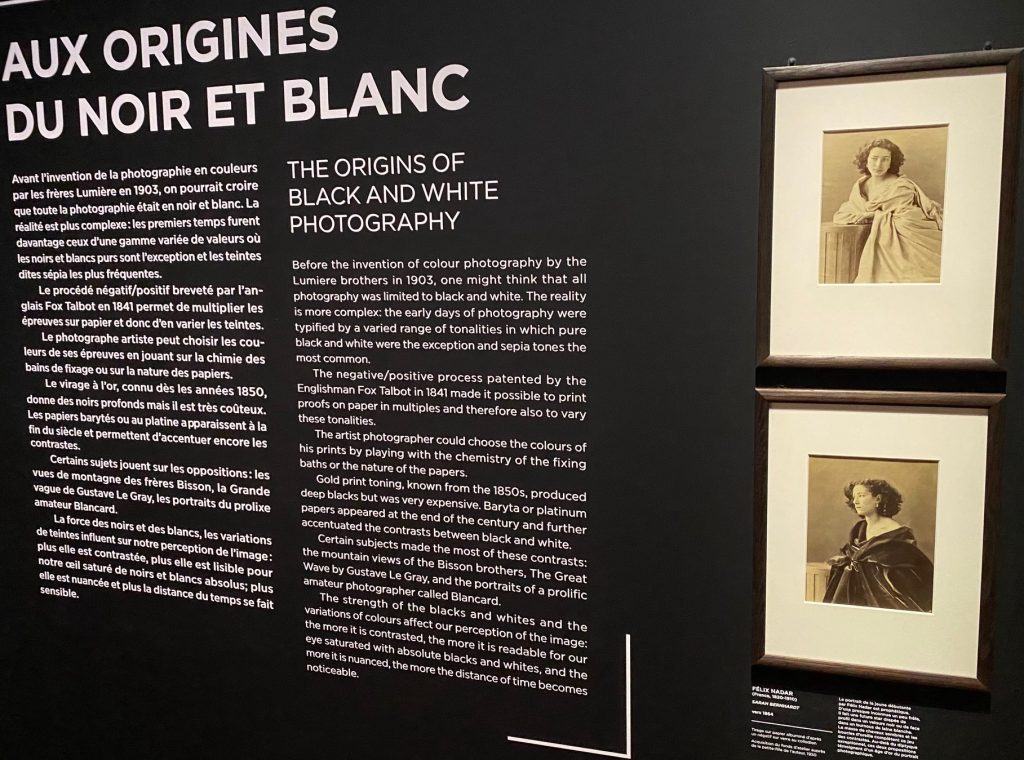
Working at the Bibliothèque nationale de France (BnF.fr), just like visiting, allows you to benefit from the many temporary exhibitions based primarily on their own collections and donations to the BnF. For those who like “dessins, estampes, photographies”, there is a small exhibition as of June 2023 which features on these three techniques in the work of a single artist Edgar Degas from the impressionist movement. Walking through the exhibition or slowly scrolling the press documentation allows you to follow the artistic life course of Edgar Degas. He started with the pencil dessin and evolved to the printing of a single or sequences of “estampes” (up to 20) to impress us beyond black and white with multiples of 50 shades of grey. Degas seems like continuously searching for the uniqueness of the moment to present strong emotions or to summarise interpersonal relationships immersed in a specific spatial setting. Having demonstrated the richness of dessins and estampes as artistic, but a bit laborious technique, he devotes his last few years to a more intensive work taking photographs and proceeding to their development or tirage as printed versions. No matter which technique he applies, he has a special artistic view that allows to capture emotions and immortalise them. The painter’s eye, as well as later on in his artistic career the photographer’s eye, keep scrutinising himself in various forms of “auto-portraits”. Beyond youth, the pervasive obsession with selfies nowadays had its artistic precursor Edgar Degas for example. Whereas most photographers would classify a double exposure as a “raté”, Degas experimented with this almost like a cubist, Picasso-like techniques in photography. Actually, the last few images in the exhibition show the artistic reference Picasso made in his work to images, impressions and techniques that inspired him throughout his artistic work. There are amazing links in and across the history of art or arts. (BnF expo Edgar Degas 2023).

Jury

The are many forms of a jury. In many judicial processes a jury accompanies judges or the president of a jury in the preparing and voting on the verdict. In sports competitions or arts contests it is also common practice to have a jury of several persons to assist in the decision-making process. In academia we are also used to sit on juries to award Ph.Ds or academic positions or fundings. From famous film festivals (Cannes or Berlin) we know the tricky part to select jury members and supervise the proceedings of the jury to follow the official rules of how to accord prices according to a set of predefined rules. The basic proceedings are very similar irrespective of field of application, academia, film, music. Decision-making of the jury is usually based on some voting procedures, attribution of scores and summarising across jury members (to avoid or minimize the effect of corruption for example). Of course, there is a scientific literature on fallacies to avoid for juries themselves or in the selection of jury members.
The Concours Reine Elisabeth in Brussels 2023 has large jury. This year the enlarged diversity of the jury included the amazing lyric soprano Sumi Jo. The slightly more diverse jury (compared to 2018 song competition) might have contributed to the impressive participation of Asian singers in 2023. In competitions the quality of the jury has already a role in the number of international submissions you are likely to receive. Signalling diversity in the jury, therefore, is an important element of diversity of participants and probably intensifies competition through a broader reach. The winner of 2023 Baryton singer Taehan Kim performs a repertoire of Lieder and Arias in at least double the required 2 (European) languages. The impressive performances in the Demi-final with piano accompaniment and then the Final with the full Orchestra were cheered by the jury (in points) and the audiences as well. The repertoire of Taehan Kim ranges from Beethoven, Donizetti, Poulenc, Schubert, Verdi, Tschaikovsky to Schoenberg in the semi-final and from Wagner, Mahler, Korngold to Verdi in the final performance. Born in 2020, he certainly has a steep career in front of him, in addition to a potentially genetical predisposition as researchers just published in Science Advances 2023.
Praise goes to the accompanying pianist, the orchestra and the jury as well, which has encouraged diversity in applications and throughout the competition. An important training in cross-cultural competence for all performers involved. Rather than having a contest behind a curtain, for performers and/or the jury, the whole competition is an excellent piece of daring far reaching transparency of a jury’s work. Everybody online can still listen to the competition performances and judge (or train judgement) for themselves, because “the jury is still out”.

Fröhlich

Fröhliche Wissenschaft. Das geht. Nach gut 6 Monaten mit einem Blogeintrag pro Tag hat sich eine Textsammlung ergeben, die recht umfassend ausgefallen ist. Nach eigenem Monitoring der Themen, wie die Bearbeitung der UN-Themen zu strategischen Entwicklungszielen, oder der alphabetischen Auflistung von Schlüsselwörtern der Sozialwissenschaften sind nahezu täglich Kommentare entstanden. Neu war für mich die Bildredaktion, als Kommentar, Erläuterung, Selbstkritik oder wissenschaftliche Referenz. Eine interessante Variante, Erkenntnisse mit Key-Visuals zu unterstützen. Die bildliche Erinnerung an Beiträge ist ein eigenes Inhaltsverzeichnis. Klar, Hund- und Katzenbilder werden das Ranking der am meisten aufgerufenen Beiträge gewinnen. Egal, wir machen fröhliche Wissenschaft, immer weiter, immer heiter, so bleibt es lebenslanges, lebensweites Lernen.

Sei ganz ruhig

Sei ganz ruhig. So heißt das kurze Gedicht von Angela Krauß und auch die erste Zeile. Es hat mich seit einiger Zeit schon begleitet.
Gerade der Eintrag zum Himalaya und den Besteigenden des Mount Everest hat mir die Zeilen erneut in Erinnerung gebracht. Für einige wenige besteht das Leben immer noch aus Sensationen. Immer höher, immer weiter, immer schneller. Dabei wissen wir, unser Planet hält das nicht aus.
Unsere Einkaufsmeilen suggerieren uns ein Übermaß an verpassten Gelegenheiten, wenn wir jetzt nicht zugreifen. FOMO (fear of missing out) ist allgegenwärtig und ein viel zu erfolgreiches Marketingkonzept, dem sich kaum eine Person entziehen kann. Die Selbsteinschätzung der Zeit, die uns verbleibt bis zum Tod (perceived time till death) oder unseres spezifischen Sterblichkeitsrisikos bezüglich Vermeidbarkeit oder allgemeinem Risiko, beeinflusst „unbewusst“ unser Verhalten. In Vergangenheit verhaftet sein, ist keine Lösung. Das Leben wird vorwärts gelebt, und rückblickend verstanden.
Bei einem gelegentlichen Rückblick wird vielen bewusst, es hat sich viel angesammelt (nicht nur im Keller). Aber mehr, muss es nicht werden, anders schon, besser vielleicht. Als Hommage an Angela Krauß mal ein 7-Zeiler, beeinflusst von der Konferenz im Europäischen Parlament „Beyond Growth“ im Mai 2023. Ruhig werden und ruhig bleiben, sollten wir beständig versuchen.  Klein- statt Großschreibung, flache Hierarchien, Gleichstellung bei Wörtern und Sätzen. Warum noch Satzzeichen? Denk dir deine Welt, wiedewiede wie sie dir gefällt.

bleib ruhig
bleib einfach ruhig
la vie est belle tel quel
hab keine angst was zu verpassen
es bleiben jahre zu verweilen
schau mal umher
da ist viel

Essais

The essays written by Montaigne in the 16th century have re-established a way of writing on philosophy in short digestable small essays. These short essays became very popular at the time and the new technology of the 16th century invented by Gutenberg, the printing press, facilitated the wider spread of literature. Even Montaigne himself re-wrote on printed versions of his own work. The early adoption of the printing technology helped to spread literature in your own mother tongue rather than only in Greek or Latin for the clergy. Montaigne’s format of rather short notes, without a huge masterplan or encyclopedic approach, took readers along on the journey of scepticism, think on your own. Enabling the reader, how to doubt received wisdom, became an important milestone in the history of ideas and philosophy. Referring back to Seneca for example is also interesting as this Greek philosopher dealt with the topic of wisdom in his later life combining knowledge from different different scientific disciplines. Free independent judgment and the ability to argue and take different perspectives became later known as the foundation of relativism. It is still an important way to enable people to take and defend their own perspectives, just like the critical version of colonialism in the exhibition “Indigo waves“. Lichtenberg’s Aphorisms are another example of the independent mind writing down his ad hoc impressions as pieces of larger picture or puzzle. The literary puzzle needs several attempts to assemble the thoughts. Common to these writers is the freedom of thought and expression, still not a given in many parts of the world today. I would probably imagine the doubt as the origin independent thinking. “I doubt, therefore I am” would do much good not only in totalitarian countries. Rediscovering the usefulness of doubting as foundation to take new perspectives and to find new solutions is worth it.

Design Start-up

Es war wieder Designmesse. Klein, aber fein, in Berlin in den KantGaragen. Die Location weckt schon Hoffnung auf Experimentelles, Garagenhaftes, Handwerkliches. Das bringt Abwechslung in die sonstige, glitzernde Shoppingwelt. Das renovierte und entgiftete Parkhaus erlaubt einen Rundgang über mehrere Etagen, vorbei an Galerien und Ständen von DesignerInnen. Es macht sich eine anregende Brise von erfrischenden Ideen breit. Von Design im Raum mit Leuchten und Möbeln über Design von Mode und Schmuck lässt sich viel Schickes finden. Blickfang, samt Blickfang Akademie haben es geschafft, die Mini-messe in den KantGaragen zu etablieren. Es kann sogar Eintritt verlangt werden. Eine weitere Begleitung der Neuen auf dem Markt wird oft nötig sein, denn selbst gute Innovationen sind meistens keine Selbstläufer. Konkurrenz belebt nicht nur das Geschäft, es bleibt meist auch ein Verdrängungsprozess.
Die großen, vielfach schließenden Kaufhäuser in den Innenstädten spüren besonders die Konkurrenz der individualisierenden DesignerInnen mit ihren einzigartig anmutenden Realisationen. Singuläre Kauferlebnisse auf solchen Messen, in stilvollem Ambiente, selbst in einem alten Parkhaus sind, allem Anschein nach, ein Erfolgsrezept. Start-up statt Close-down schafft viele erfüllende Arbeitsplätze. Gute Arbeit wird nicht aussterben, sondern durchstarten.

Indigo Waves

Indigo“ is an almost mystical colour. Its deep blue nature refers to profoundness and in combination with oceans to a surprisingly still largely unexplored world of biodiversity. Additionally, in association with endlessly forthcoming and retreating waves, indigo reveals its many possible shades. Oceans separate or link continents and it is this feature of Oceans which is explored in the exposition “Indigo Waves and Other Stories” (Gropiusbau). Beyond our all to common focus on the transatlantic relationships, “Indigo Waves” explores the links between the African and Asian continents. Embarking on a new narrative for the Afrasian Sea, i.e. the Indian Ocean, we are taken to new horizons through the continuous challenge to our value systems, comprehension of art, poetry or culture more generally. The exposition, through multiple challenges, succeeds in displacing us into the context of other perspectives. Following Oscar Murillo, imagine to view the water roses from Claude Monet (Les Nymphéas) from below the surface. What do you expect? In Europe? Near a barrier reef in the Indian Ocean? Beauty is often not visible at first sight, yet it is co-determined by the currents that build and potentially destroy it (compare photo from exhibition below). The balance of social ecosystems is easily messed-up just like the beauty of ecosystems in nature. “Indigo Waves and other stories” tells us other versions of the colonial stories most of our history books told us for centuries. It is an eye-opening exposition, but probably not the way we expect. Following a poem towards the end of the exhibition by Tishani Doshi “Do not go out in the storm”, we are drawn into the ambiguity of our existence irrespective of the continent of origin. Jack Beng-Thi preserves a poem from Jean Joseph Rabearivelo in his artistic book creation and installation to bring to light “indigo waves”. “vos yeux clignotent dans l’azur, et je les appelle : étoiles. ” (Translated suggestion: “your eyes blink in the blue sky, and I call them: stars).

Archer

The Archer is a recurrent topic in art. We find lots of examples around in Berlin just as in front of the National Gallery. Historical references are manifold, too. The exhibition in the Martin-Gropius-Bau with works by Daniel Boyd adds temporarily 3 paintings. But wait, beyond this shared anthropological phenomenon across continents, this exhibition challenges our western, imperialist perspective on human existence.
Please take of your shoes, at first entry into the museum entry hall. Unsettling for most of us, we are continuously confronted with our narrow perspectives on perceptions. Poetics, philosophies, perceptions and cultures are all to easily classified and devalued.
This exhibition achieves to surpass our traditional western concept and empathy for land, room, light, air and water. Eurocentric narratives still dominate the world of art and art history.  Daniel Boyd manages to unsettle this through his relentless effort to differentiate from this narrow perspective. Aiming for a difficult to accomplish solidarity across resistance movements, he highlights the common injustice “First Nation People” had to go through. These original inhabitants of continents claim their right to own languages, customs and spiritual or spatial perception. It remains a challenge to start to like the notion of opacity (Éduard Glissant) rather than our western aim for transparency, associated with the enlightenment philosophical tradition. The archers in Boyd’s work aim into the, maybe opaque water, maybe clouds, maybe into the twilight. It sometimes seems more like a ritual than a weapon. Family histories find their way into his works based on photographs of grandparents. The images are different from our conventional depictions of First Nation people, just to highlight the limitations of our western photographer’s eye and mind.

Bücher weg

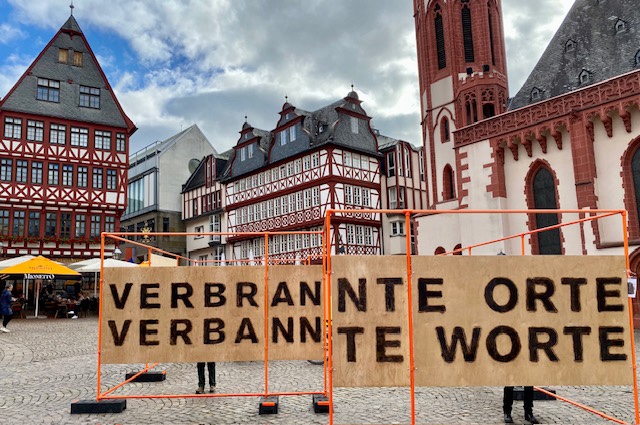
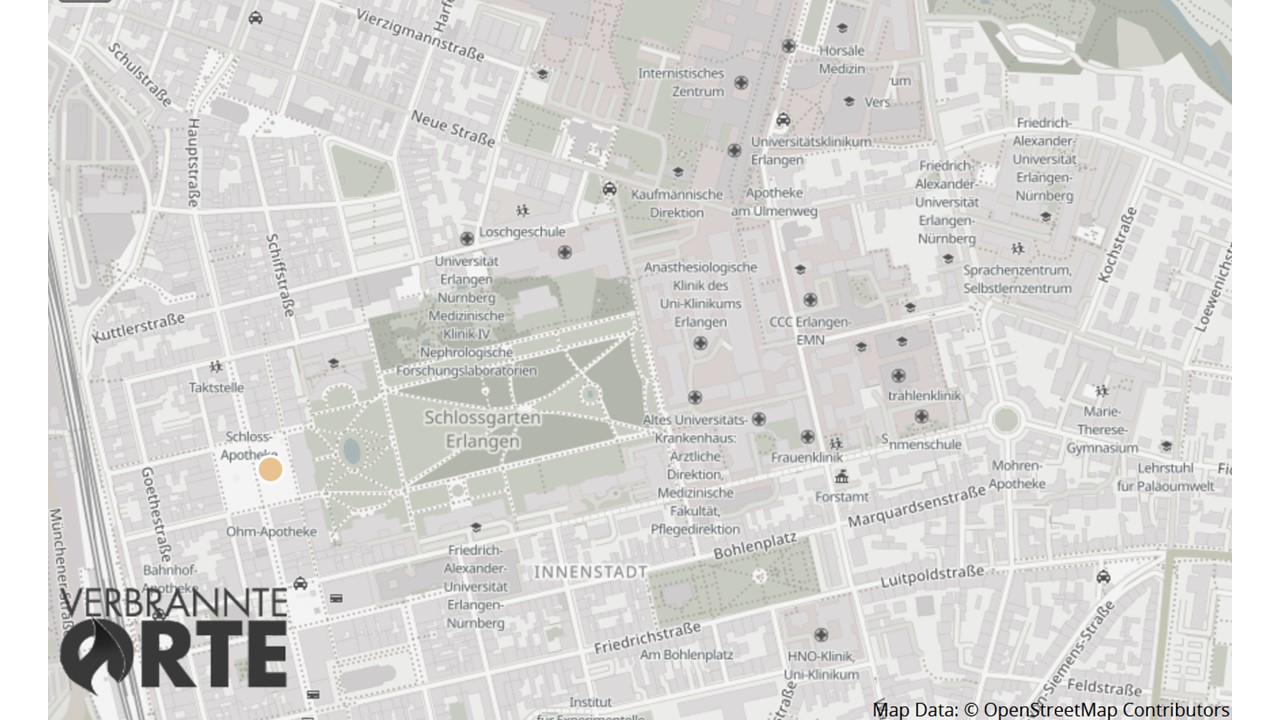
Bücher, die lange weg waren, können wiederkehren. Das ist die gute Botschaft, die durch die digitale Bibliothek der verbrannten Bücher erzeugt wird. Vergleichbar der erneuten Aufführung von Komponierenden, deren Werke wieder in fantastischen Klangwelten erlebbar werden.  Der 90. Jahrestag der Bücherverbrennung durch die Nationalsozialisten markiert meistens nur ein einmaliges Ereignis (10.5.1933 Berlin) in dem brutalen Aufstieg der Nationalsozialisten. Tatsache ist jedoch, dass sich die Bücherverbrennungen über mehrere Wochen hingezogen haben. Ein Beispiel ist die Bücherverbrennung in Potsdam Babelsberg am 24.6.1933. Viele andere Orte warten auf ihre Aufarbeitung. Erneutes Lesen dieser Bücher ist eine Würdigung der geächteten SchriftstellerInnen. Werner Treß wurde im Deutschlandfunk am 12.5.2023 dazu interviewt und beschreibt die erschreckende Hetze, die dabei von den Studentenverbindungen ausgegangen ist.
Erneutes Verlegen dieser Bücher hält die Erinnerung an die „verbrannten Dichter“ wach und verdeutlicht, wie der Einstieg in die grausame Diktatur ablief. Literatur hat neben der Funktion der Unterhaltung und der schönen Künste, sicher eine zusätzliche Aufgabe, die der Verteidigung der Meinungsfreiheit. Dazu gehört das Tolerieren unangenehmer Meinungen, solange sie die unveräußerlichen Menschenrechte berücksichtigen. Dazu ebenfalls ein Hörbeitrag im DLF. Nicht jeder hat die Courage wie der bayerische Schriftsteller Oskar Maria Graf, der solidarisch verkündete, verbrennt mich auch, mit der Konsequenz, unmittelbar ins Exil gehen zu müssen. Exilliteratur ist heute noch vielfach vorzufinden. Salman Rushdie, beispielsweise ist erst kürzlich einem Anschlag entgangen. Lesen all  dieser SchriftstellerInnen würdigt ihre Beiträge und ihre Bücher bleiben. (online Link)

Macht Raum Gewalt

So heißt der Titel der umfangreichen Ausstellung im Haus der Akademie der Künste, direkt neben dem Brandenburger Tor. Nur 3 Monate bis 16.7.2023 lässt sich durch die Architektur, Planung und Umsetzung zur Zeit des faschistischen Regimes in Deutschland taumeln. Angesichts der monströsen Verbrechen und der unterliegenden ideologischen Doktrin wird die Frage „macht Raum Gewalt?“ auf 2-fache Weise beantwortet. (1) Raum macht Gewalt und (2) Gewalt macht Raum. Das gestalterische Element von Architektur schafft Räume, die individualisieren, personalisieren oder entpersonalisieren können. Die Uniformität im Faschismus kreiert eine visuelle Sprache, die durch ihre Art Räume und Räumlichkeiten zu gestalten gezielt entpersonalisiert. Gewalt- und Machtausübung fällt darin leichter. Räume und Gebäude wurden der Menschlichkeit enthoben, gebaut, den Menschen zu überleben.
So fällt es in entpersonalisierten, bewusst überdimensionierten Raumkonzepten, leichter Gewalt gegen Menschen vorzubereiten und durchzuführen. Die 1. These „Raum macht Gewalt“ lässt sich sozusagen empirisch in der Ausstellung durchwandern. Die 2. These „Gewalt macht Raum“ wird ebenso eindringlich durch die Dokumentation der Zwangsarbeit, Konzentrationslager und massenhaft ausgeübten physischen und psychischen Gewalt durch die herrschenden Faschisten verdeutlicht. Wenn Wörter und Stimmen von Augenzeugen zu fehlen beginnen, werden die Texte, Zeichen, Bilder und Stummfilme zu Dokumenten, wie mit Gewalt Raum gemacht wird. Der expansionistische, imperialistische Drang der Faschisten machte vor keinen Grenzen halt. Juristische Grenzen, menschenrechtliche, moralische oder Landesgrenzen spielten keine Rolle mehr. Rechtsbeugung und Missbrauch war an der Tagesordnung, um Raum, Macht und Gewalt menschenverachtend durchzusetzen.
Die architektonischen Nazi-Hinterlassenschaften, weiterhin sichtbar in Berlin, München und Nürnberg werden nur in den markantesten Bauwerken dokumentiert. Das reicht schon, den historisch bewussten Blick zu schulen. Selbstverständliches Hinnehmen von diesen Anblicken verbietet sich. Das Übertünchen des Adlerkopfes mit weißer Farbe, Symbol für den amerikanischen Adler, sollte in uns die Dankbarkeit für die Befreiung von der Nazi-Diktatur festigen und dazu beitragen, den Tag des Sieges 8.5.1945 der „Alliierten Streitkräfte“ als Tag der Befreiung zu feiern.