
Heidi

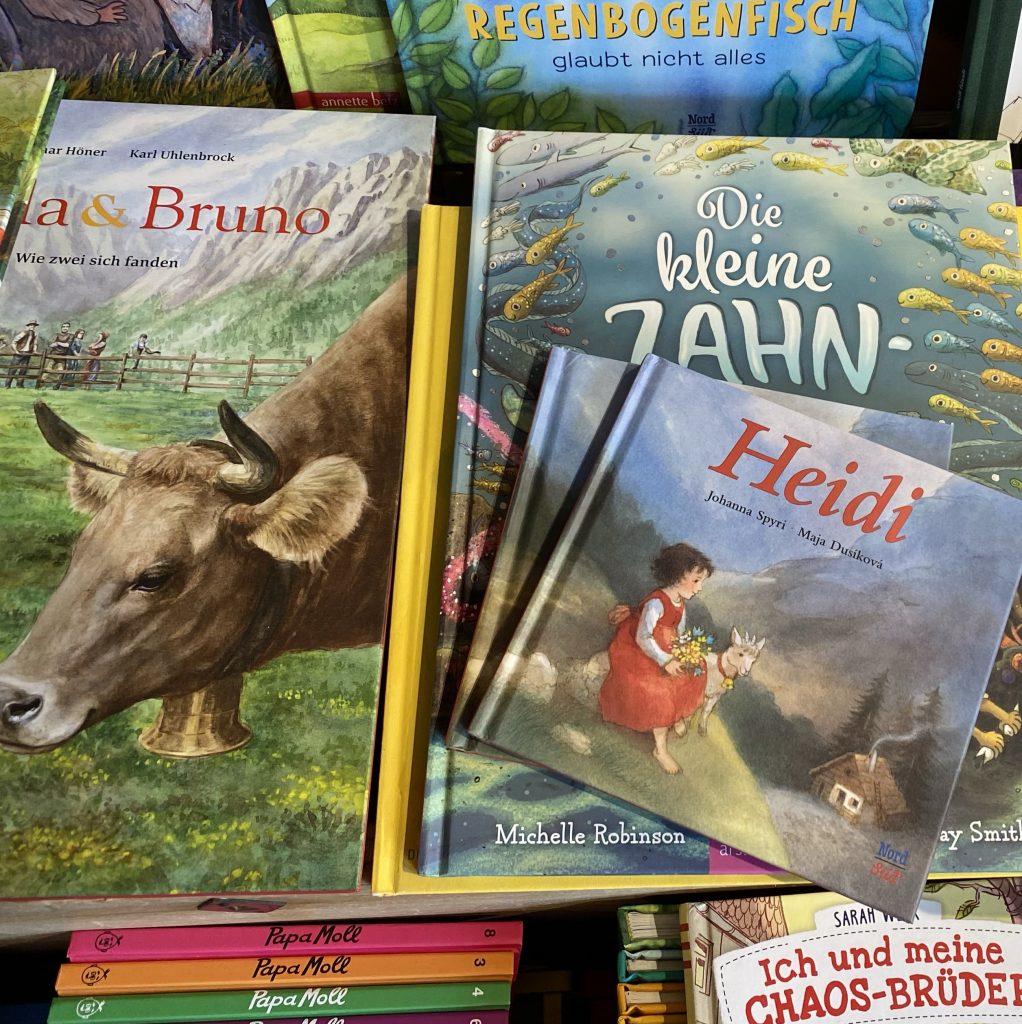
Neben dem Kassenschlager des neuen Barbie Films lebt ein anderer Mythos der Mädchenjahre weiter. Die in der Nähe von Zurich im Kanton Graubünden gebürtige Schriftstellerin Johanna Spyri hatte zwei Bücher mit Kindergeschichten im 19. Jahrhundert mit Namen Heidi verfasst. Dieser Ausgangspunkt bot zahlreichen Verfilmungen eine verwertbare Basis. Die Geschichten der kleinen Heidi wurden überraschenderweise von Filmstudios in Japan zu dem Welterfolg 1974 im Animé Format geschaffen.

Computer Animationen sind nichts Neues, und statt aus Japan kommen viele nun auch aus Südkorea. Outsourcing zur Gewinnmaximierung war schon immer ein verlässliche, gewinnorientierte Produktionsmöglichkeit. Lediglich für so etwas wie Kulturgüter glaubten wir, wäre das nicht so einfach. Filmrechte werden gehandelt wie andere Waren. Hohe Einschaltquoten werden uns noch mehr Heidis und Barbies im Filmformat bringen. Das werden wir aushalten müssen.
Flotow Aus

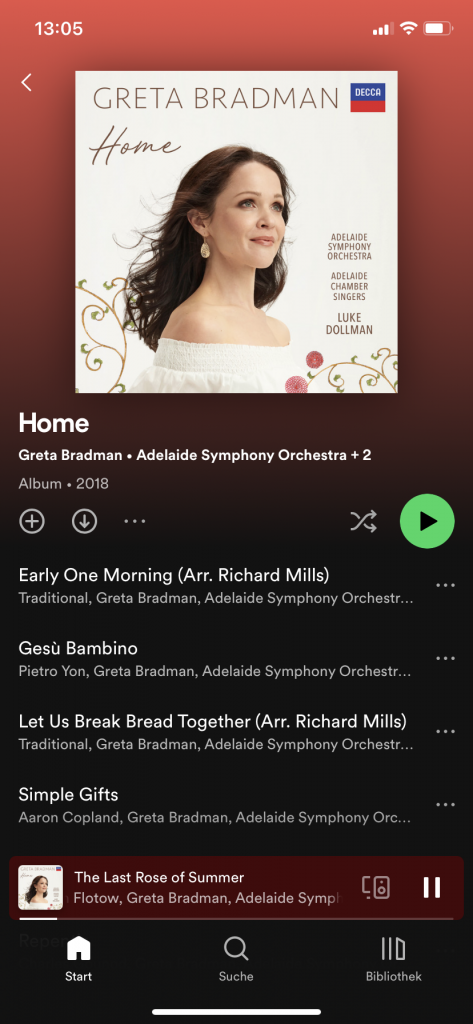
Irgendwann, so denkt man, sollte der Ruf einiger Komponierenden enden oder zumindest verblassen. Überraschend war das Auffinden auf der Musikplattform Spotify einer populären Sammlung von Liedern bei denen die letzte Rose von von Flotow zu hören ist. Ein Bayer oder Österreicher hätte vielleicht gerufen: Ja AUS is! Nix AUS ist es. Ein australisches Orchester (aus Adelaide) und Greta Bradman haben in 2018 auf der anderen Seite der Erdkugel, Flotow mit seiner „irischen“ Arie ins Programm genommen neben anderen Ohrwürmern. Die Romantik lebt. Einige Melodien finden weiterhin ihr Publikum. Erstaunlich, nach 150+ Jahren und 6000km Entfernung. Flotows Opernarien aus Stradella begeistern auch hin und wieder die Fangemeinden der Startenöre.

Caillebotte

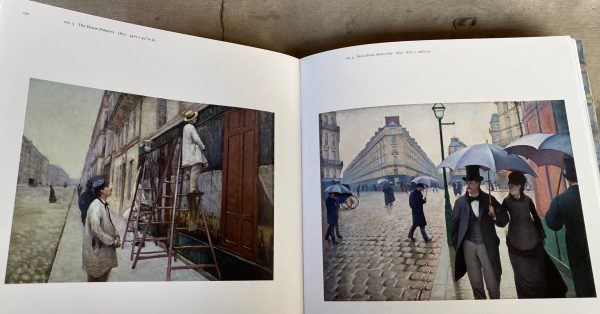
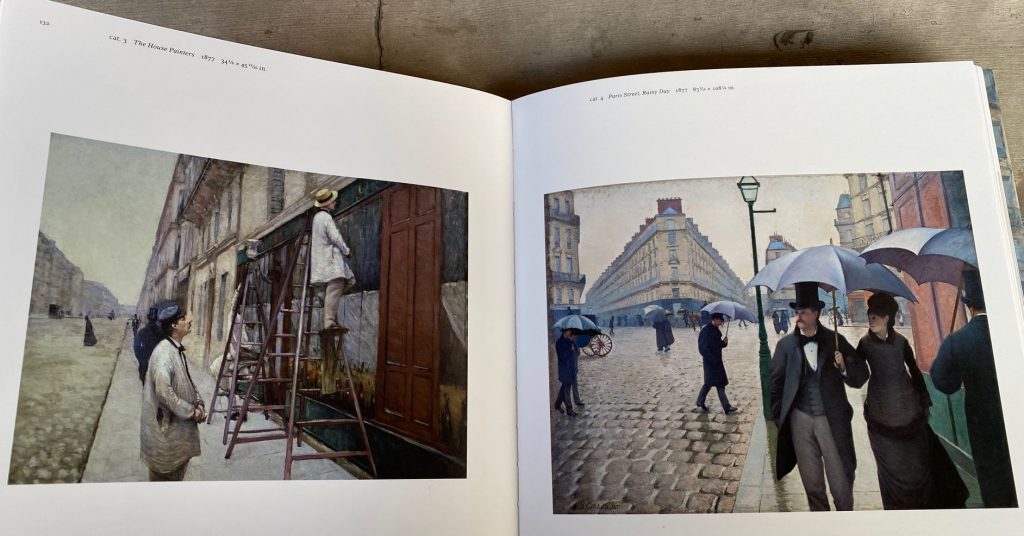
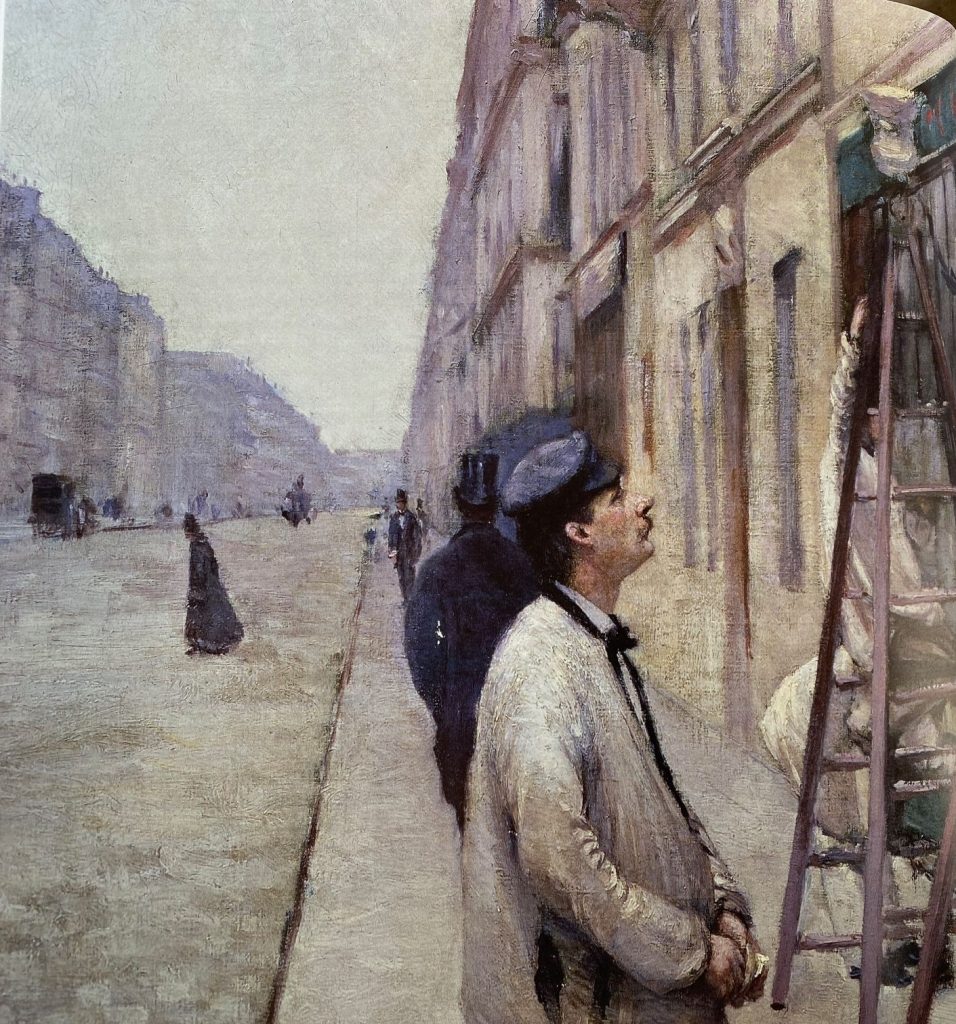
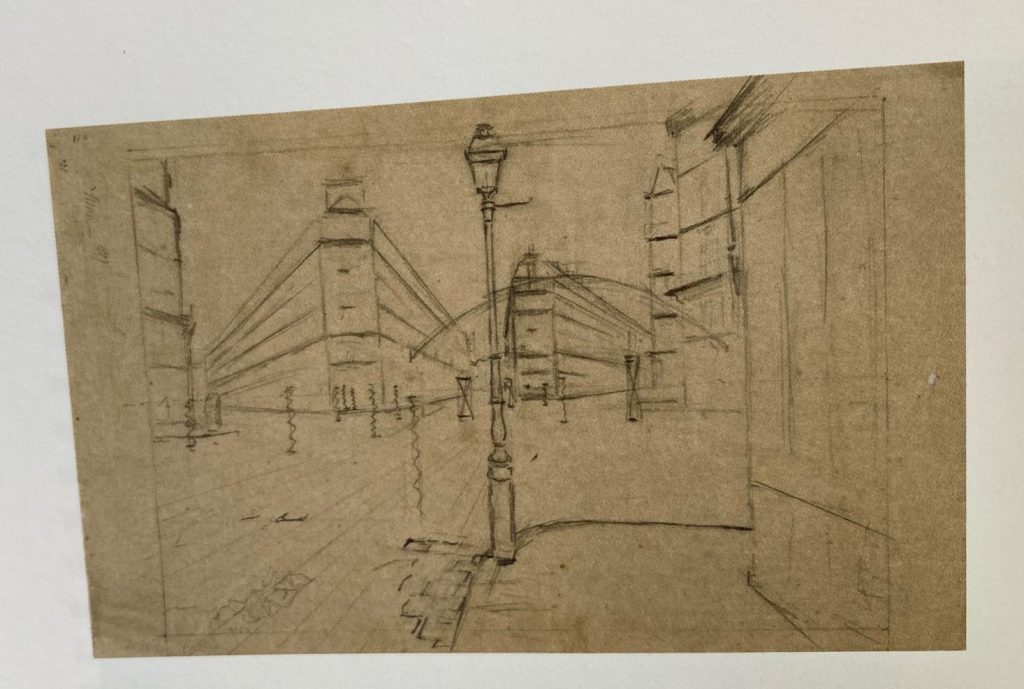
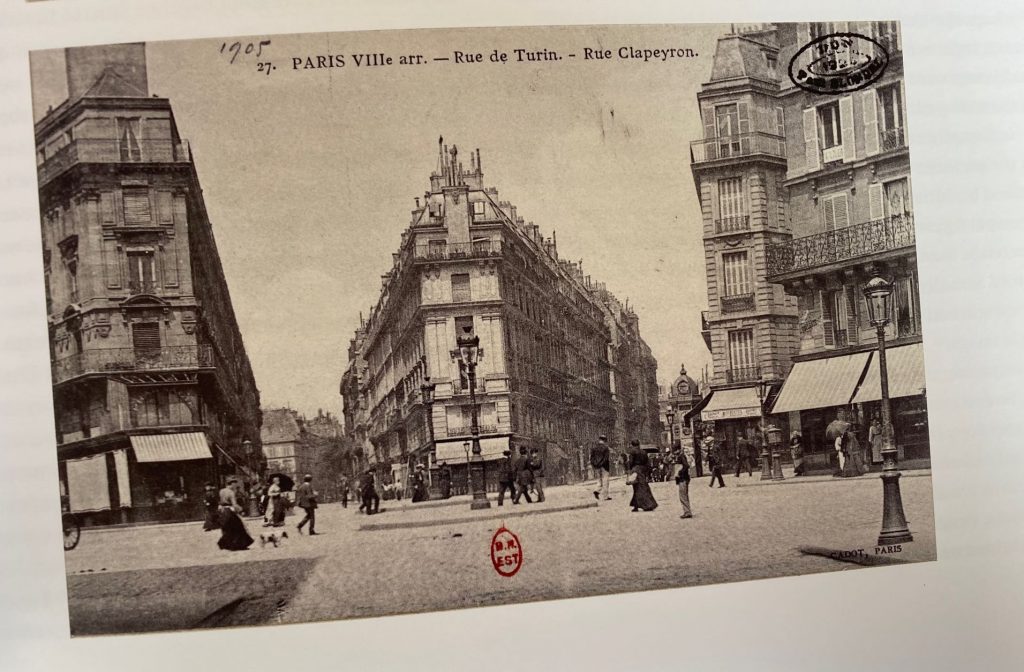
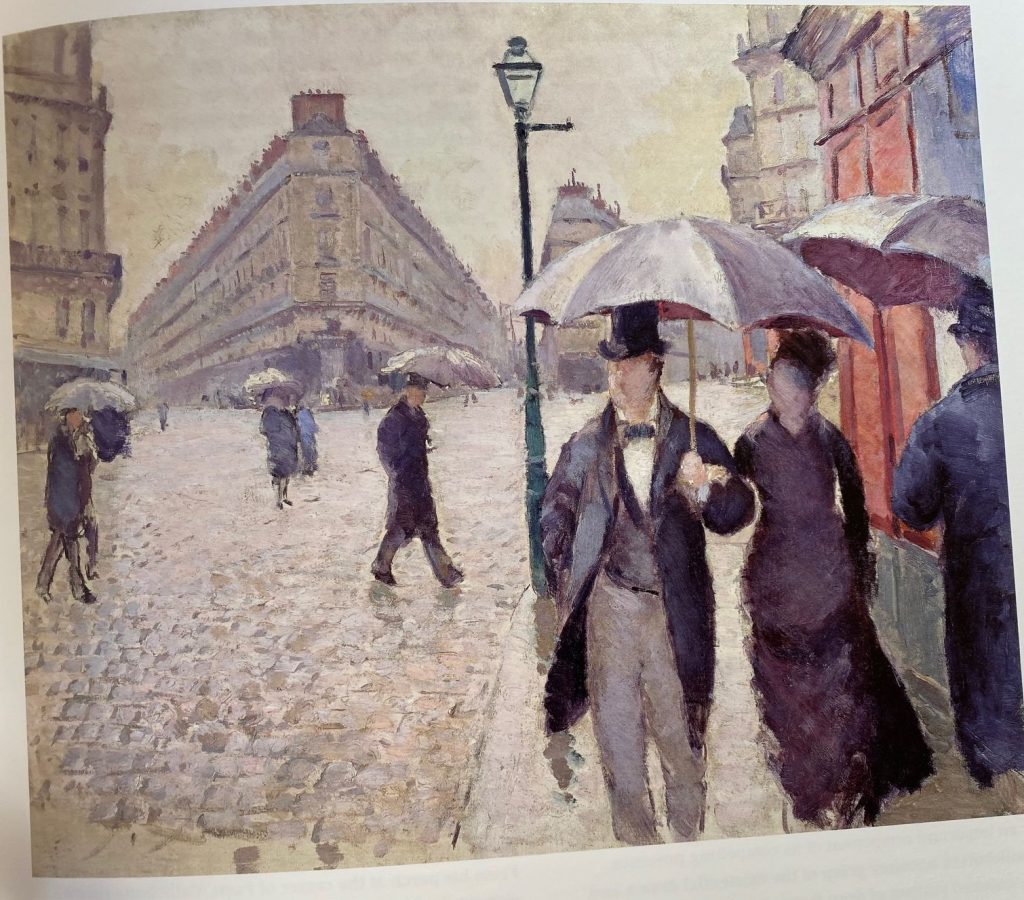
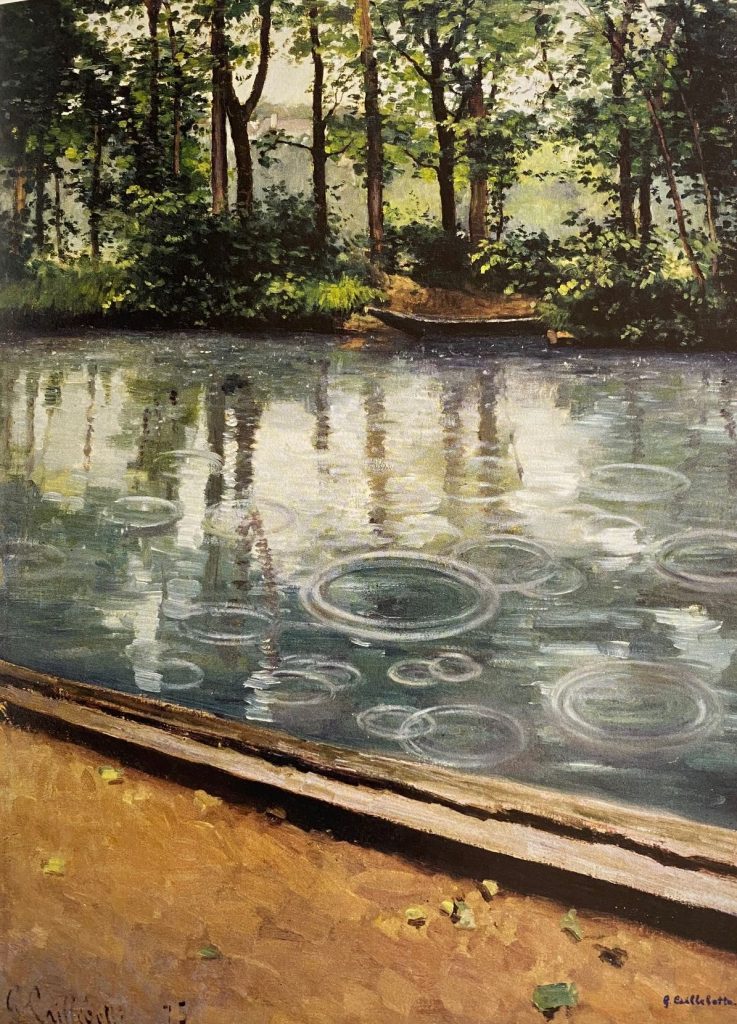
Gustave Caillebotte has done it again. Son of a great beneficiary of war efforts himself. He started with support from his father’s fortune on a painting career. Soon after his father’s death, he joined the group of “alternative artists”, later called the impressionists in France. On the 1.2.2023 the Musée d’Orsay acquired a key painting of Caillebotte for 43 Million € with the help of a donation by LVMH. Where does the hype come from? A catalogue of the exhibition of the painter “Gustave Caillebotte, The painter’s eye” from the National Gallery of Art in Washington from 2015 established Caillebotte again as a key person of the impressionist movement. Rich in diversity of motifs, the painter and supporter of the impressionists (Philantropist) has foreseen the challenge photography could bring to painting. The painter’s eye is well explained by Michael Marrinan (pp.22) in the catalogue. In fact, the spatial depth of the views of the streets of Paris is a precursor to many photographers and movies of several decades later. Caillebotte’s images of Paris depict well the mixed feelings about a daunting city size and the isolation of people captured in their own little inner circles with little communication despite or because of the noisy surroundings. Misty atmospheres allow to focus on impressions. Almost meditative walking in the city is his modern topic. Reflecting on painting as profession versus painting as artist is somehow an impressionist’s sociology of professions. Gustave Caillebotte did not have to paint for money and he was aware of social class differences as son of a factory owner. It did not spoil his artistic view with social facts, but rather tried to reveal the intrinsic beauty not only of landscapes, but ordinary working people. Other impressionists painted beautiful ballerinas, Caillebotte painted workers and sometimes more challenging parts of Paris in his early years. With climate change near Caillebotte’s home in full swing, we shall “adore” the rainy days in Paris even more. And in the countryside, too. The painter’s eye reveals a visionary view of the modern and post-modern world.