Sleeping BPS-SPB

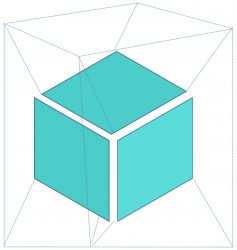
Sleeping is a good example of the co-determination of the biological, psychological and societal spheres of life. The environment with the daily cycles of light and dark as well as the social norms of work and rest determine the circadian cycles of hormones. Shift work or otherwise disrupted sleep patterns depend on social norms like regulation of noise or light in cities. Healthy sleep patterns, therefore, depend to a large amount on regulation and implementation of those social norms. Birthday parties are tolerated, but much less the irregular partying in shared housing with lots of neighbours. Reducing social contacts during Covid-19 led to the changes in sleep patterns as well.
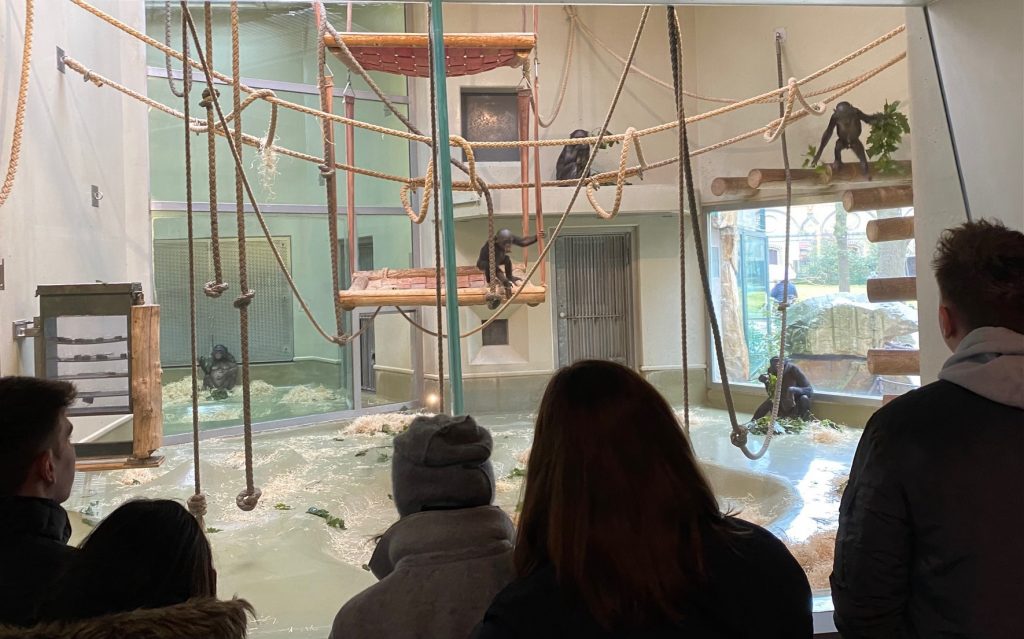
The psychological determinants of sleep go well beyond the world of dreams as theorized by Freud. Nowadays, we investigate all sorts of behavioural patterns that have an impact on sleeping like “bedtime technology use” of smartphones or the ability to switch off thinking of problems. Sleeping is a particular functional state of our mind. A lot of sorting of daily impressions into memory occurs during the different phases while sleeping. Persistent disrupted or impeded sleep is recognized as torture in severe cases. Stress at work or working overtime is also a major cause of sleep disorders.
The biological indicators used to investigate sleep have revealed a lot of links of sleep and the hormones of melatonin as well as cortisol. Testing has become more accessible and provides good indicators of how the biological clocks tick within our bodies.
However, we are only at the beginning of the analysis of more complex interactions of the multiple forms of interaction of the bio->psycho->social (BPS) as well as the social->psycho->bio (SPB) co-determination of sleeping. Scientific research is faced with a steep challenge as the direction of causality is not uniform except in very controlled experimental settings. Maybe the arts have coined and popularized a useful term in this respect. “I am in a New York state of mind”.
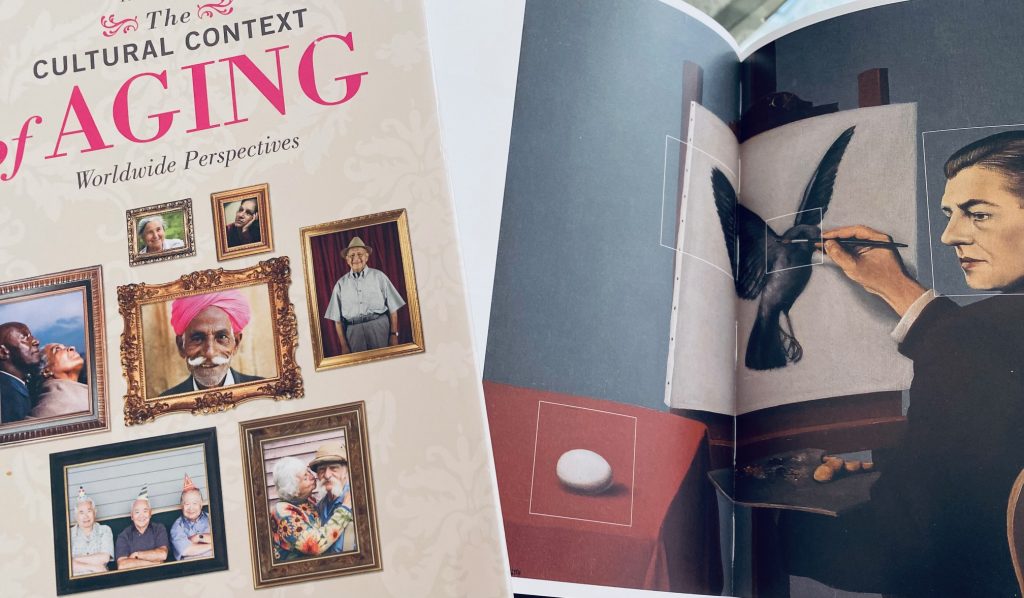
(Image: extrait of Magritte. La clairvoyance, 1936 and The cultural context of aging, Jay Sokolovsky)

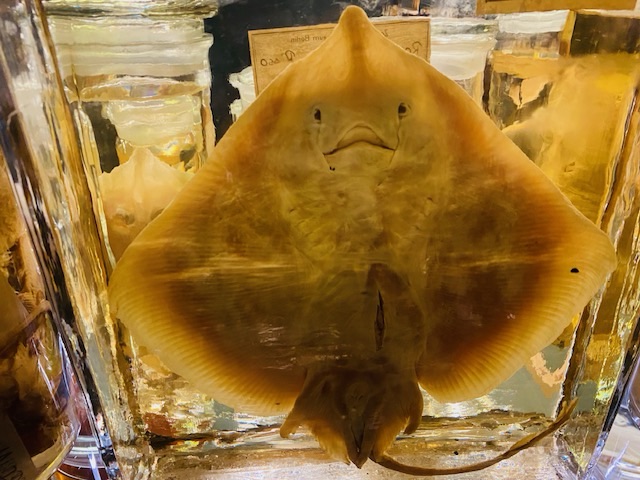
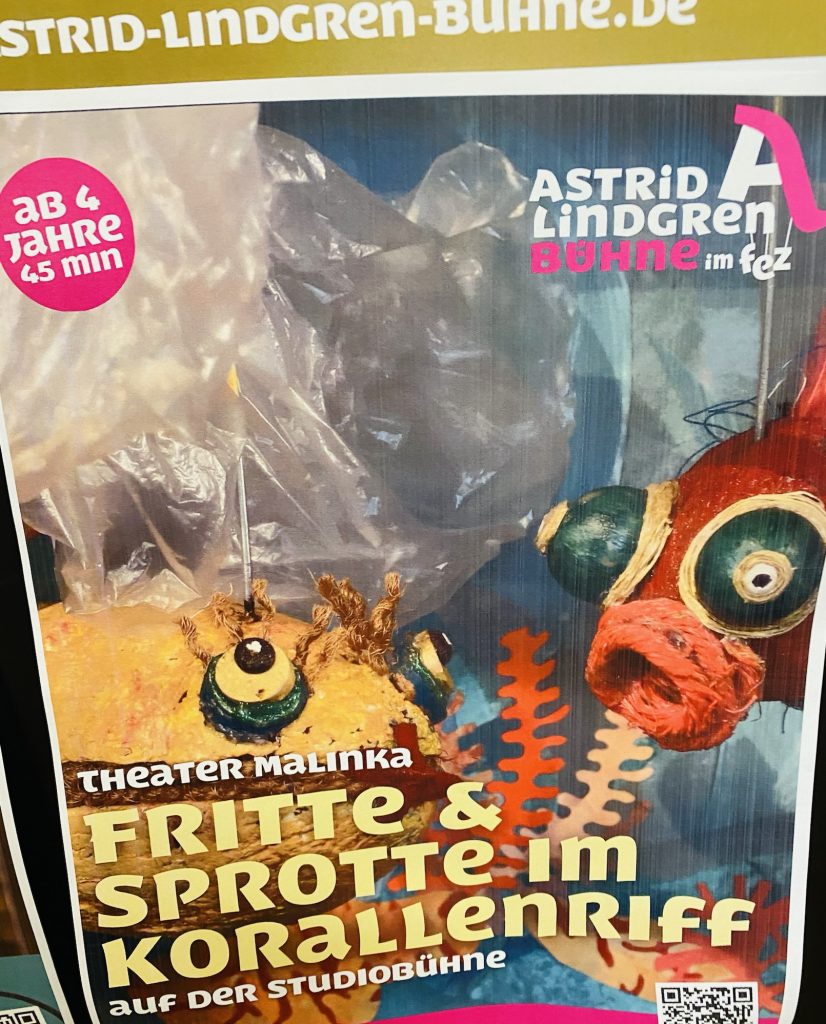
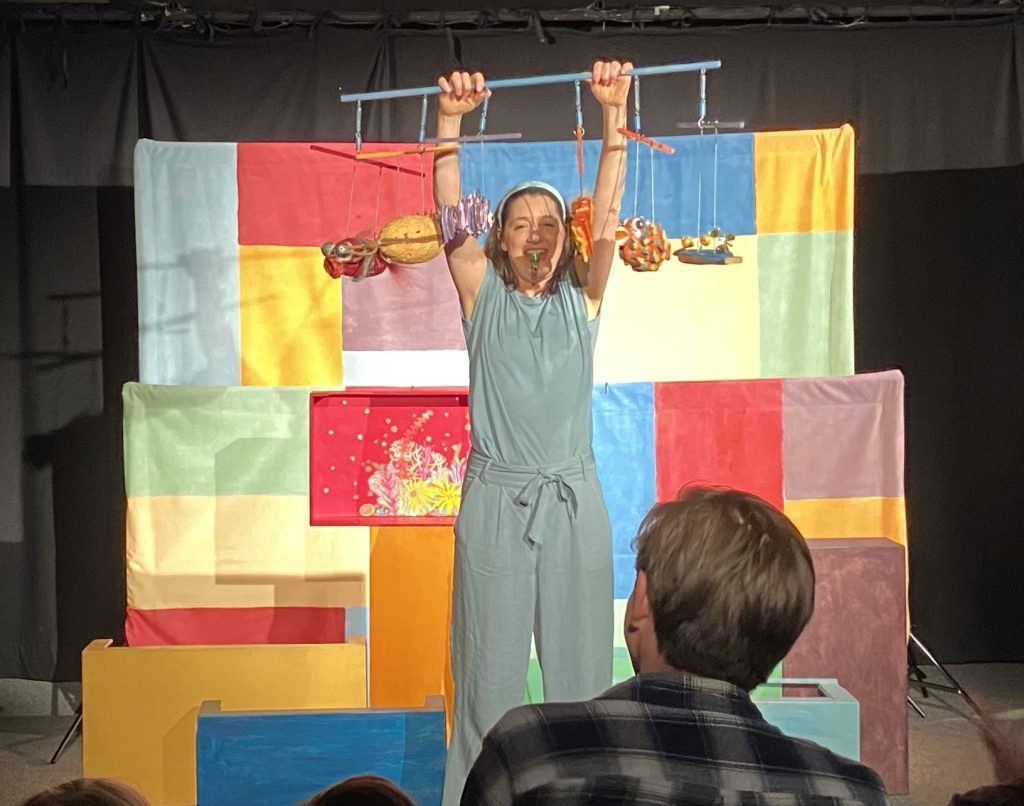
Korallenriff

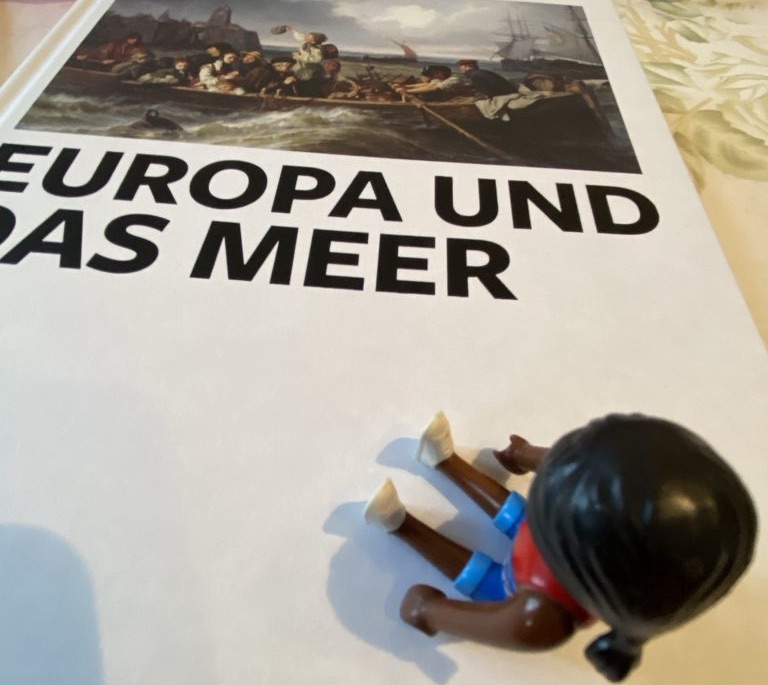
Kinder verstehen direkt, dass es sich lohnt, Korallenriffe zu erhalten. Plastikmüll in den Meeren gefährdet die Korallenriffe und die bunte Vielfalt an Fischen, die darin leben. Ein kleines Theaterstück dazu von Kathrin Brunner begeistert Kinder, weil es sie erleben lässt, wie einfach Lösungen aussehen können. Den großen Leuten zeigen, wie traurig die Welt aussieht ohne die farbenfrohe Pracht der bunten Fische, wird sie schon zu Veränderungen bringen. Das Theaterstück und Buch dazu wurde am 16.3.2024 im FEZ in Berlin aufgeführt. Das Figurenspiel mit überleitendem Refrain, das vom Publikum gleichsam der Promenade in den „Bildern einer Ausstellung“ (Mussorgsky) mitgesungen haben, bildete jeweils eine gelungene emotionale Überleitung und Aufmerksamkeitspause. Wir wünschen uns noch viele kleine und große Besuchende für diese Aufführungen. Die Kinder werden es uns schon lehren, den blauen Planeten noch zu retten.

Symbol

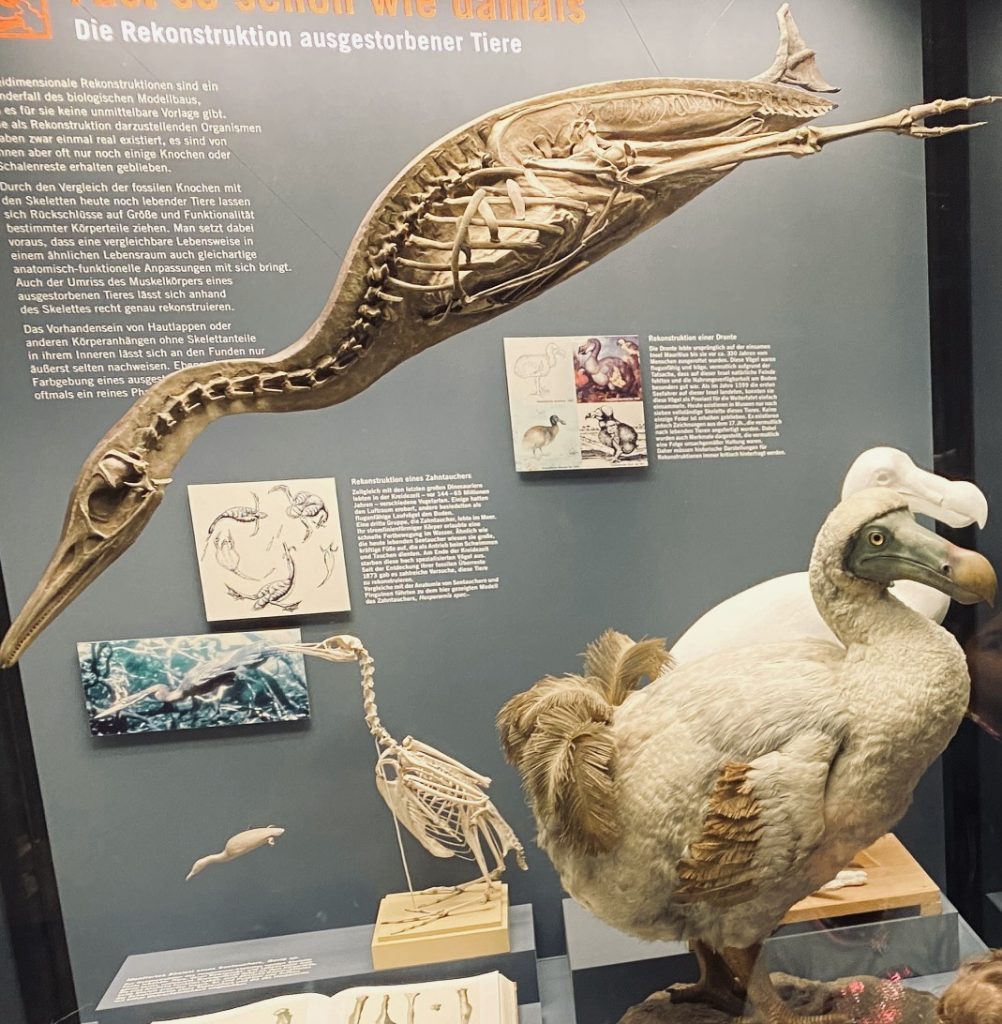
What is it that makes an object a symbol? Probably, it is the widely shared perception of the meaning of a symbol that turns an object into a symbol. The etymology of the word symbol refers back to the Greek word σύμβολον. The earliest philosophical refer back to the Greek philosopher Aristoteles who deals with symbols when he writes about interpretations. Written words have become powerful symbols in the ancient world. We still have them all around us today. The interpretations of the words as symbols, however, may change considerably over time. Some symbols keep their designation and significance over centuries. Maps are well known to contain lots of symbols for roads, railways, tunnels or height. We learn about these symbols and interpret them in a specific societal context. Science is making ample use of symbols, e.g. chemistry. Different cultures define and apply their own symbols. Colonialism has been a form to impose symbols upon other societies. Throughout history symbols of power have changed as well. Each of those topics is an interesting field of application in itself. Young generations create their own symbols to establish a specific cultural identity or subculture. Urban spaces have been invaded by graffiti that tend to spread symbols as messages or symbols for their own sake.
Sociology has taken up the challenge to identify “status symbols” of groups of society. Possession of gold and silver have long ago been symbols of being rich. Maybe, even today such easily visible symbols play a role in how a person’s role is perceived in societies. Not only for priests etc. dresses have been applied as a symbol. Modern fashion is full of symbols as well. Interpretation of the meaning or even no meaning is an act of becoming conscious of the world around you. From the seriousness of symbols, we have come to the playing around with symbols as expressions of ourselves.
No matter whether we use the word, like water, we all know the chemical symbol H20. An image or art work using the symbol in whatever form will be decoded by us accordingly. However, the meaning we attach to water depends on the environment as well as specific context we (or the artists) are using it in. Cross-cultural competences consist in the awareness that symbols grow out of contexts and need to be interpreted accordingly. It needs a lot of openness, willingness to learn about differences and careful consideration in our everyday world to handle symbols. Doing culture is doing symbols.(Image of art work by Anderegg, Andi taken in 2016)

Energy Storage

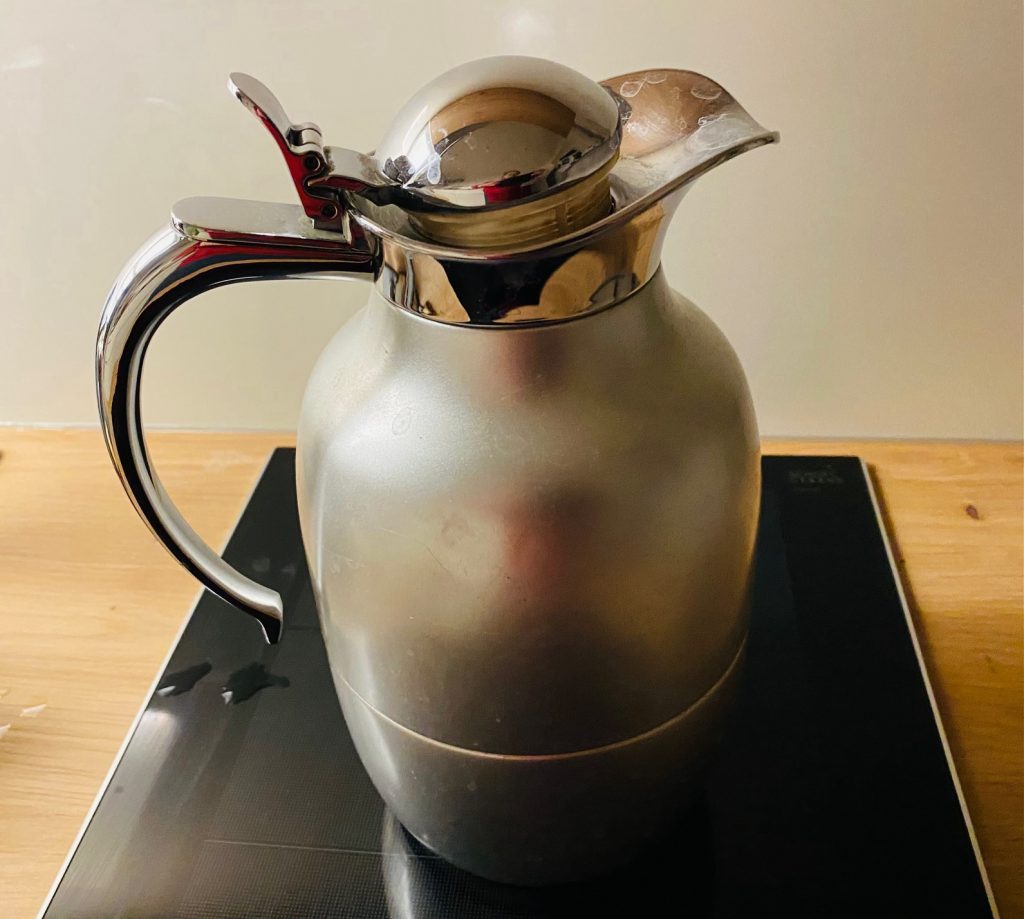
On a sunny and windy day, even in winter or spring, renewable energy is abundant. If demand is stable prices will drop. Prices will rise again as demand for energy picks up. Hence, this is an obvious case for trading opportunities. All you need is … energy storage. All so-called prosumers, short for producers and simultaneously consumers have a lot to gain if they are able to store energy when it’s abundant and cheap. Sell it when it is expensive or use it yourself if needed. Just keep an eye on the costs of energy storage. A stylish insulated carafe is a well known example of storing hot water for astonishingly long time. Insulation is key to store transformed electric energy here. Other options use kinetic energy like pumping water to a higher level and then generate electricity again when the water returns to the lower level. Of course, batteries are a simple way for energy storage as well. Costs seem to come down rapidly and less environmentally hazardous materials leave the laboratory almost every month. It is about time to consider this seriously. More and more cities have understood that energy storage can generate cash for them (Example Feuchtwangen) and appears to be a worthwhile investment for a local power generating community. For the time being my favorite energy storage is the insulated carafe. It is often the beginning of energizing conversations.

Old school energy storage

Personal Health

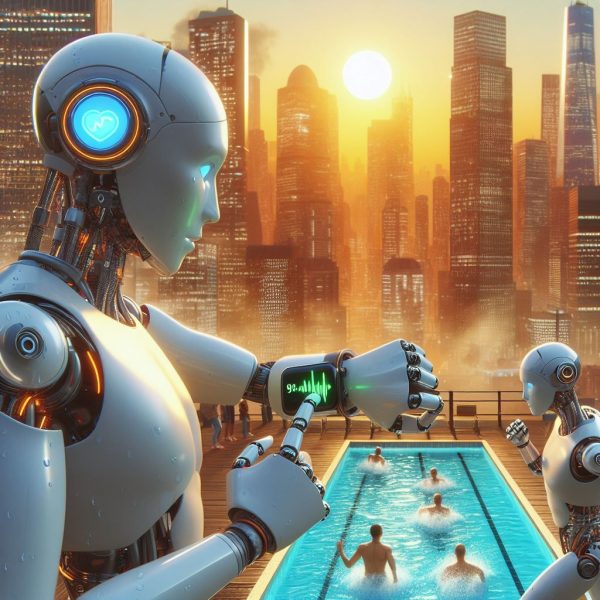
Most people would agree, health is a personal issue. From the onset of life, we have package of genes that predetermine a number of factors of our personal health. Epigenetics has taught us there are many factors to take into account additionally. Environmental factors have huge impacts as well. Improvements in the availability of medical devices in the hands of individuals as well as AI systems on portable devices like smartphones facilitate the monitoring of personal health. Several indicators of early-onset of illness can be retrieved from such devices. Dunn et al. (2024) show that prior to the onset of symptoms of Covid-19 or influenza portable devices can indicate the presence of infections through indicators of resting body temperature, heart rate/min, heart rate variability/millisecond or respiratory rate/min. Combined with the indicators of air quality, indoors as well as outdoors, the presence of allergens a much more personalized data set emerges which can easily be part of an AI-assisted diagnosis. More abundant personal health data and analytical power allows remote and digital health applications to inform patients, medical doctors and the public at large. Digital health technologies are only at the beginning to unfold their potential. Prevention becomes more feasible using such devices, medical professionals should be allowed to focus on interpretation of data and treatment rather than simple data gathering. Thinking about digital health technologies points in the direction of dealing with climate and environmental hazards as sickening causes more forcefully. Personal medicine and personal health are, after all, still heavily dependent on health and safety at work, commuting practices and all sorts of pollution. Personal health, however, is a good starting point to raise awareness of the potentials of digital health technologies to better our lives.
(Image: AI MS-Copilot: 2 robots run in a city. They sweat. The air is full of smog. 2 other robots rest near pool. All look at their wrist watch showing heart beats)