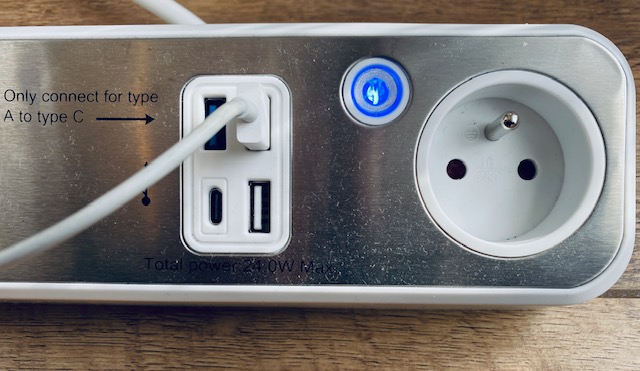

We have many associations with the imperative “switch off”. Depending on your background or state of mind, you might associate “to switch off” with a mental state, i.e. to calm down. Instead of buzzing about, juggling with multiple projects or deadlines at the same time, the reduction on a few major preoccupations can be achieved through a switch-off. In electrical engineering the switch, as switch-off or switch-on, is a key component of electrical circuits. In programming languages a key element is the switch implemented as an “if-condition” in form of “do if X=True”, in its easiest form.
Let us develop a social science corollary of a theoretical concept of “switch-off”. At times of energy shortages the switch-off option becomes an often overlooked or discarded option. Switch-off an engine to lower overall consumption of energy is a very powerful mechanisms. We do this manually by switching off lights, or as programmed or AI-assisted versions in modern homes. States might impose the switch-off of street lights or loud music after certain hours. In an energy crisis the switch-off option needs to be moved to center stage again as any MegaWattHour not consumed does not have to be (1) produced, (2) moved to local provision and (3) distributed. Additionally there is (4) less waste that has to be taken care of. Hence, the switch-off option is a fourfold win-win-win-win-situation. Who cares about this option as all 4 kinds of savings do not increase a standard measure of GDP in an economy? Broader social science perspectives may offer precious indications that “less can be more“.