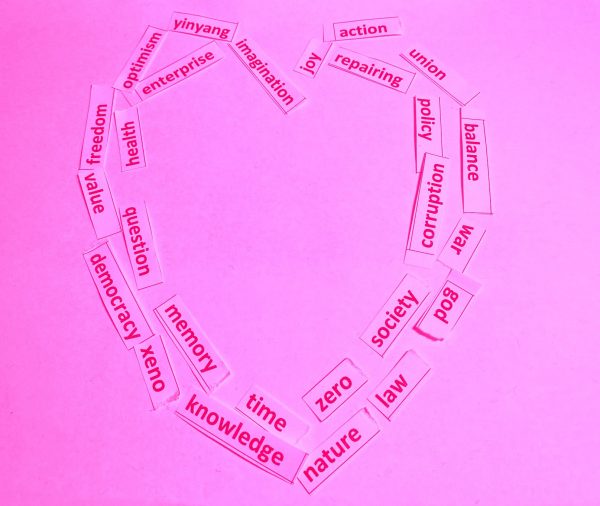

Value in its singular form refers for most people to the value of things. Since Karl Marx we have been fighting about the surplus value of a worker’s work. Nowadays, we have to deal with speculation bubbles on the value of property or even basic elements of nutrition (Water, wheat, energy). Max Weber introduced us to the rigorous analysis of value judgements. In political science the plural “values” refers to basic human rights as fundamental values of humanity. Many other associations with the letter V pop up and arouse emotions: victory, video, view(s), vision, visit, voice, vote, vulnerability.
Creating lasting value seems to transform itself into part of our system of values later on. The longitudinal dimension of value is often neglected, particularly in the short-term focus of much of economic reasoning. Value over time, in addition to the distribution question, or as part of distribution over time, excites researchers of inequality and policy design for generations. Approaching the end of the alphabet increases the stakes of the “endgame”, it seems. Value for me, might not be of value for others. I hope you have found a person that values much of the same as you do yourself.
Interpersonal value, value exchange and intertemporal value are own fields of research. Since the Scottish enlightenment and Adam Smith’s work on “The theory of moral sentiments (TMS)”, reciprocity in value exchange has been an issue, well before the utilitarian turn in his own writings on “The wealth of nations”. Even Adam Smith refers to happiness and interest as a kind of value and “very laudable principles of actions” (part VII.ii.3.15 in TMS).
Children learn and experience value as natural part of growing up. Material things which you valued highly as toddler, you are ready to trash or exchange a couple of years later at much lower prices. Above which monetary value are you ready to trade in your humanitarian values? Never? History and bargaining theory is full of experiments and experiences that teach us otherwise. Corruption is the prominent example of exchanging or trading material value against immaterial values. Reading Kwame Anthony Appiah on “Experiments in ethics” is highly instructive. This bring me back to the economist joke I used to tell in lectures: You know that you’re an economist, if you ask your child, whether s/he prefers 20 Euros in cash, a trip to an adventure park later, a basket ball set or a pizza party for the next birthday. Economists do all this to find out about the value of each item, the preferences, the time frame of delayed reward or discounting of value also called the net-present value. Reading up to here is equal to the value of, maybe, an online bachelor in economics or social science. In your very own life review of learnings you then can estimate the value of your readings to you, your community or humanity. Alternatively, enjoy the joy of just living in peace with optimism. 


is presenting a paedagogic reflection and demonstration 


“names” the important message:

sind schon mehr als 10.000 Tote auf ukrainischer Seite zu beklagen. Der stille Protest vor der russischen Botschaft in Berlin gibt davon Zeugnis. Wer hätte gedacht, dass Heckenschützen in Europa wieder wichtig im Krieg werden. Historisch ist die Bedeutung vielfach belegt und die Künste haben ihren Anteil daran. Auch im Kulturforum Berlins wird wieder aufgerüstet. Nach? der
Die
Dort lässt sich nicht nur im Campanile träumen (
Ach richtig, es fehlt noch etwas. Bei 


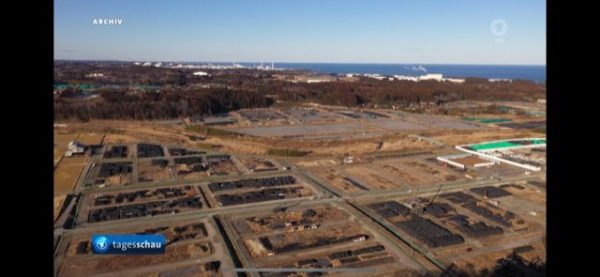
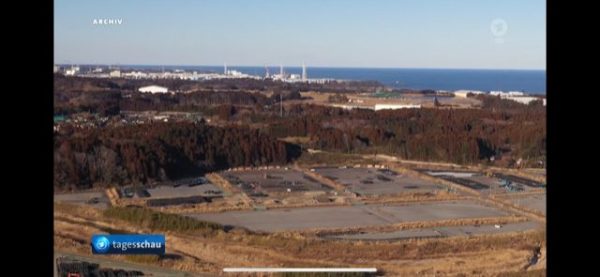
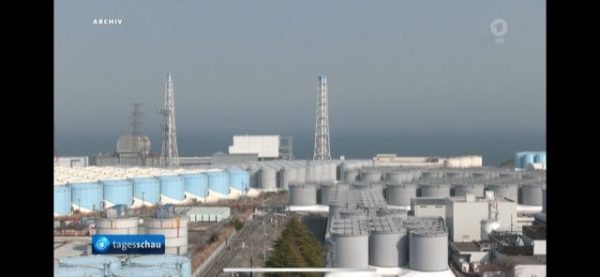
Neben Planungsfehler, Kostensparen und menschlichem Versagen kommt nun die Gefahr von Nuklearkatastropen auf die Liste des Kriegsarsenals. Nicht als Bombe, wie wir bisher annahmen, sondern als nicht schützbare Infrastruktur, die kaum zu verstecken ist. Der nächste Tabubruch ist realistischer geworden. Die Kosten für Abwehrraketensysteme neben jedem Atomkraftwerk wohl etwas teuer und eventuell ineffizient. Wer befasst sich mit derartigen verbotenen Gedanken? Die Schrecken des 21.-ten Jahrhundert könnten sich als noch schlimmer gestalten als wir zu denken wagten. Atomkraft: die Geister, die ich rief, ich werd’ sie nicht mehr los.
mit längeren Spaziergängen von Galerie zu Galerie schreiten und Inspirationen sammeln. Mit Blick über die Jahre hinweg, zeigt sich viel Kontinuität im Kunstbetrieb trotz Corona-Unterbrechung. Das Home-Office-Syndrom ist erklärter Einfluss in den Arbeiten von 

Auszug aus: Tagesspiegel Leute Tempelhof/Schöneberg vom 14.6.2022. Nur zu, machen sie “