
Paris has lots of museums to visit. At times, this can lead to a kind of mental overload. The ” Musée Marmottan Monet, in Paris allows to take home a digital and printed copy of your preferred, your own curated collection of images from the museum. This is a great learning experience. You scan the number of the item you want to include and a specialized application retrieves the image of the painting or object from their database into the App. After the visit you take a break in the café in the garden and sort your collection and if you like have it printed within a couple of minutes after you paid for the print or digital version. Upon special request I was told that I am allowed to share the link to the small booklet even on the web (Link to pdf below).
Since the visit to the Musée Marmottan Monet we have come back to the digital and printed versions several times and reading of accompanying texts and perfect quotations of origin make learning about art a fun experience. Going back to lived experiences makes more lasting impressions on our memories. Knowledge coupled with emotions is a powerful way to memorize. Sharing the experience with other persons like the readers of this blog is an additional advantage. Attentive readers of the blog entries will find references to many of the themes dealt with over the years in this series of blog entries. Such topics are: gender and art, technology and society, reflections on time, life courses, inequality, art history, funding of artists, lifelong learning or beauty.
(Booklet below in German LINK-pdf of 6MB. The app allows many language versions. You can produce those yourself from you collection within the App) 
Nutrition Competence
Nutrition is a good example of how a long lasting disregard in education and learning systems has led to huge medical costs for individuals and societies nowadays. The obesity pandemic calls for urgent action and policy changes in the field of nutrition policies and learning goals for children and adults. Medical doctors have mostly discarded that it is also their responsibility to provide medical guidance on nutrition, as this is highly controversial at times and asks for behavioural changes of the patient. School teachers see little scope to act on the issue due to increasing demands in fields of literacy, numeracy, problem-solving, digital and communication skills. Hence, the hope is to fill the instruction and learning gaps with a hybrid approach of nurses taking on both roles and communicate with children as well as adults alike. This is a tough challenge for these persons, but hopes a high that they can make a significant improvement to the nutrition competences of individuals, pupils, their parents and specific target groups.
The starting point is to recognize that there is an issue with nutrition. The next to establish the best evidence and based on this to develop a curriculum for the nurses to be well-prepared for the challenge in the field. Even with the differentiation of different levels of competences, the learning has to be rather encompassing several related fields as well. Individual, behavioural as well as society-level factors like biology, technology, religious beliefs, economic and social factors determine nutritional choices and consumption. Just because there are so many factors to consider does not justify to keep nutrition out of school curricula for example. Nutrition is a fine example of a topic which links disciplines across a broad range. It is a tasty, at times spicy mixture of issues to learn and apply. The former is the beginning, the latter the real challenge which needs ample and repeated guidance or coaching. (Image: Extrait of Abraham Mignon, 1640-1679, Undergrowth with flowers, animals and insects, MRBA Brussels) 
Competence Nature
Nature can be approached without competence. Emotional attachment is fine. If we delve deeper into the issue, we realize that a lot of processes that have evolved over years or even centuries are hard to study. The learning about nature is manifold and many scientific disciplines deal with nature in the broad sense of the word.
Today the study of nature is scattered across so many disciplines that an overall view of the field seems hard to achieve. This creates a problem to teach a competence to deal with topics around nature. Water, air, species, soil, climate or reproduction are all topics in which we have to make far-reaching individual and collective choices. This requires adequate competences to allow judgments about opportunities and risks involved.
For more than 100 years now we have researched education systems and processes, but the competences to talk and explain basic processes in nature are still scarce. Classification systems are a static way to sort nature into categories. Processes of evolution and development have more or less human input.
We all gain if we keep an eye on education and learning processes that have been applied years ago. The field of the history of education provides clues about some forgotten approaches. Learning about nature and how to acquire competence in the field has been an issue in this field for at least 100 years. It is time to test some of these approaches again to see what went wrong in learning about nature. Man-made climate change is only at the end of a causal chain of things and people moving in the wrong direction. We probably have to press the reset button and start from scratch with the learning and the tracing of wrong decisions. Maybe, the start is the appreciation of a splendid bouquet of flowers. Want to know more? Try to grow and assemble them yourself. 

Competence Gardening
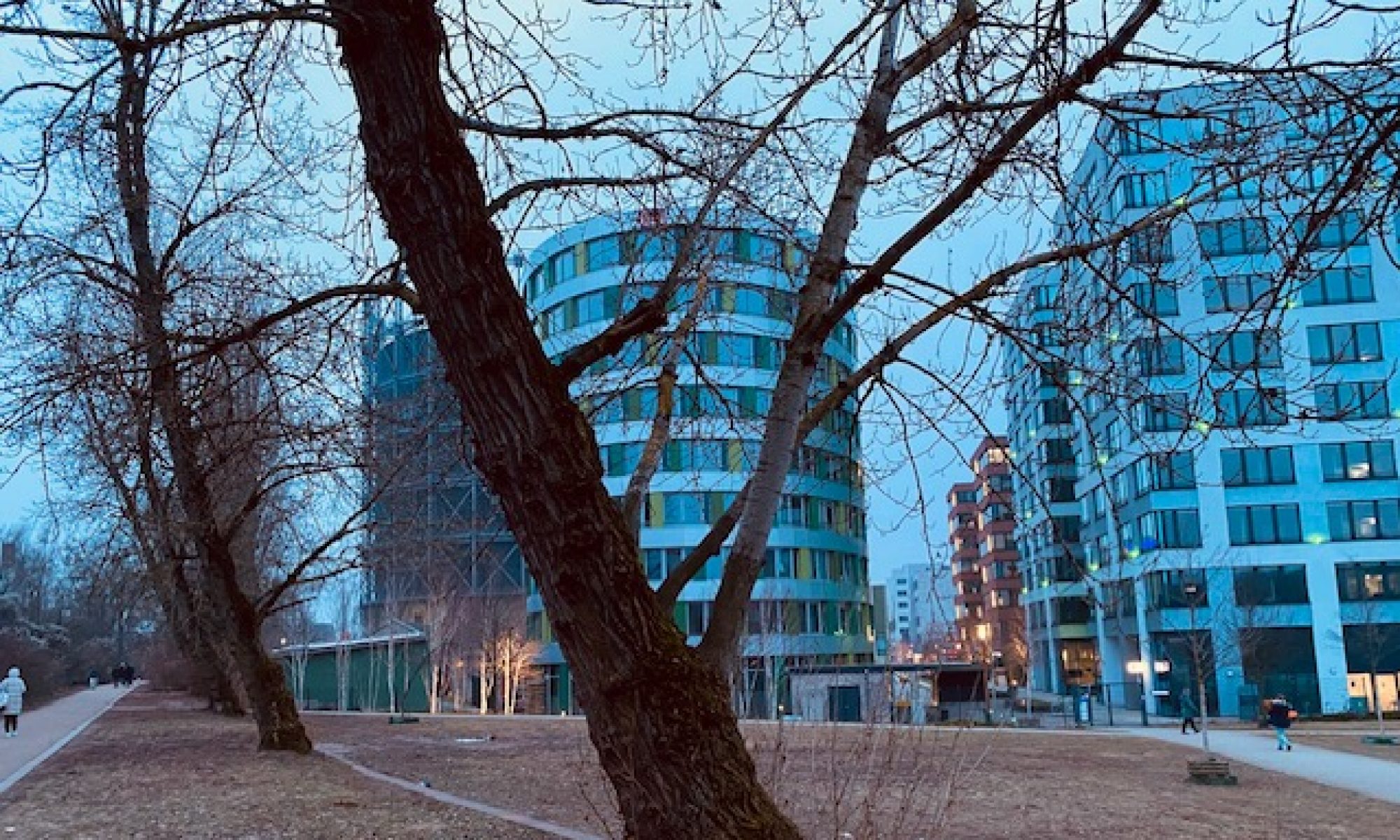
Primary Schools in Berlin have the possibility to participate in the “Gartenarbeitsschule”, the school with learning goal of gardening. It is an interesting option to go out into the real world and deal with nature, sustainability, consumption, climate and many other topics. Voltaire could complement the curriculum in philosophy with his biographical links to gardening. The access to the fields is easy next to one of the central train stations and a larger urban reforestation project as just one example of the 15 overall in Berlin in 2024. (Südkreuz, Südgelände). Hands-on experience of gardening can address multiple forms of problem-solving competencies. Beyond the use of AI, a major advantage is the possibility to train collaborative problem-solving. Beyond the multifactorial approach in determining what to plant, the organization of the implementation and individual contributions towards the realization, all these elements are learning goals. The scope of learning qualifies gardening for learning well beyond primary school as well. It is a nice example of lifelong and lifewide learning even a hundred years after their wider applications in Berlin.

Narratives
In psychology it is a long-established field to study narratives of persons as they age. To make sense of individual narratives might even be considered as one of the foundations of psychological research since its starting times. “The Cambridge handbook of cognitive aging : a life course perspective” has 2 entries that enlighten the issue of personal life stories or narratives. We have to consider the importance of our personal past to the construction and reconstruction of our personal narratives. As persons age reconstruction of narratives becomes a more frequent exercise as life experiences and new evidence continue to accumulate. The chapter on “narratives and identity” supports the view of plasticity in old age, which means that narratives and identity are an adaptive process. “Processes of evaluation and reinterpretation of personal memories enable people to maintain a sense of self”. The importance of recalling personal life events and positive self-regard is a well-established link in this research tradition. The self-memory system consists of the autobiographical memory, the self-concept and the working self as its components. It is evolving in most persons as part of the construction and reconstruction of the self, as well as narratives of it.
As persons age our brain and memory functions age as well. This starts earlier than most people expect. “Many studies in gerontology have shown that being able to remember, evaluate, and integrate personal memories and thereby dynamically maintain identity is related to mental health and well-being in later life (Westerhof et al., 2010).” (p.392). Reconstruction of narratives is a process that is hard work for our brain, therefore as people age many seem to shun away from these tasks. It is easier to clinch on to the old narratives of the self.
The chapter on emotion recognition and aging of the social brain summarises the research (p.369) by Ruffman et al. (2012, 2016) which shows that older persons were not as good as young persons to detect lies due to difficulties with emotion recognition. “Finally, we examined right-wing authoritarianism (Ruffman et al., 2016), that is, the tendency to hold conservative social attitudes (e.g., believing that women should have to promise to obey their husbands when they get married). Older adults had more pronounced right-wing attitudes than young adults, and even within the older adult group, these attitudes were entirely explained by their worse emotion recognition”.
The causal link, however, is less clear. The positivity bias in old age might be a major factor. The positivity bias describes the fact that older persons prefer to look at positive stimuli and avoid negative stimuli. The evidence is rather inconclusive about this effect. Probably persons have a positivity bias all along their life course as part of their personality traits. The other explanations of brain region decline and activation seem to receive a bit more empirical support (p.375). In any case, men seem to be even at higher risks.
Archives of personal diaries, letters, correspondence of persons are a valid additional source to study the process of the construction and reconstruction of the self. Biographical accounts of life histories serve as empirical material to analyse narratives and historical validity of narratives. The better the story, the more scepticism should be applied. 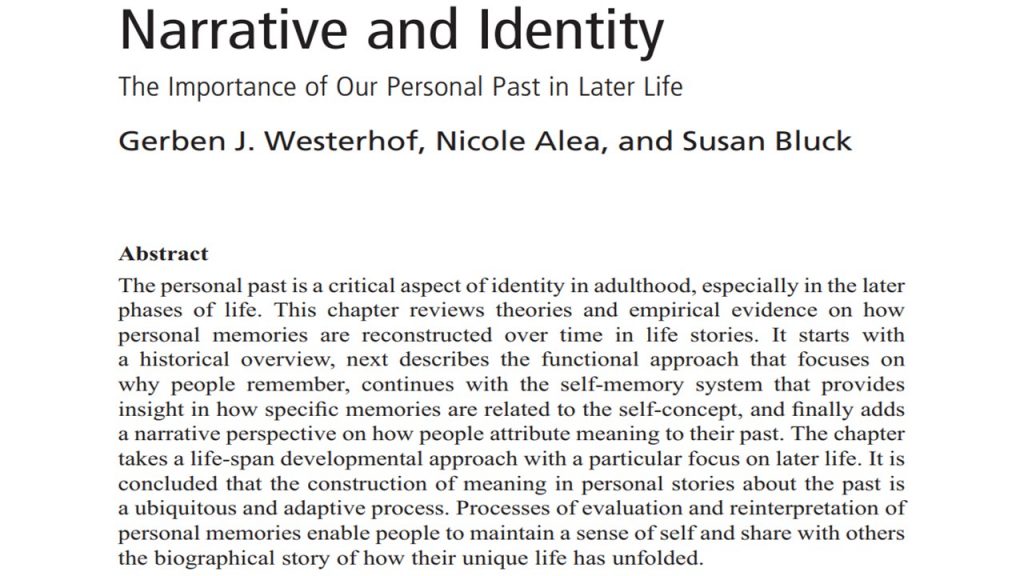
Generationswechsel
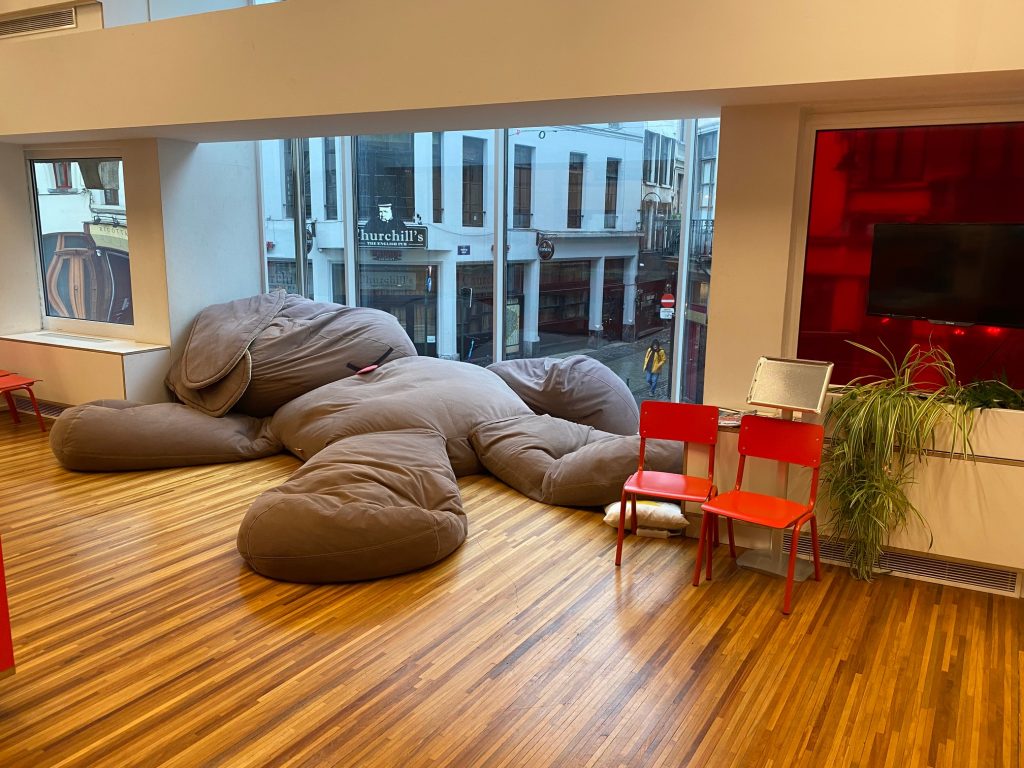
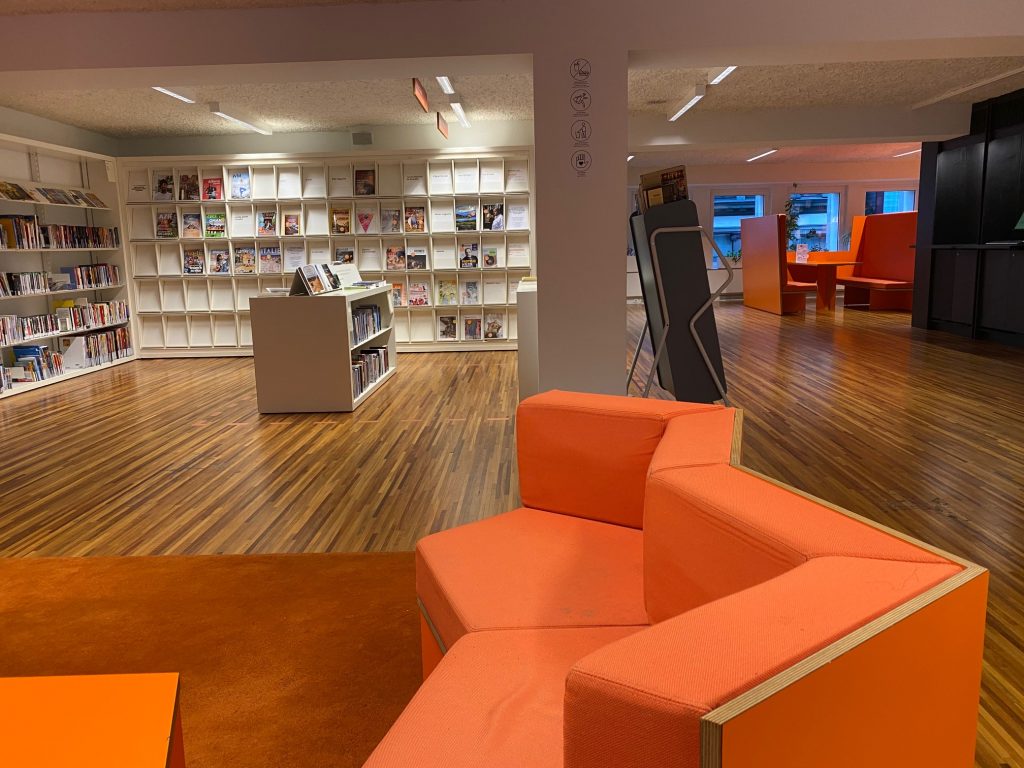
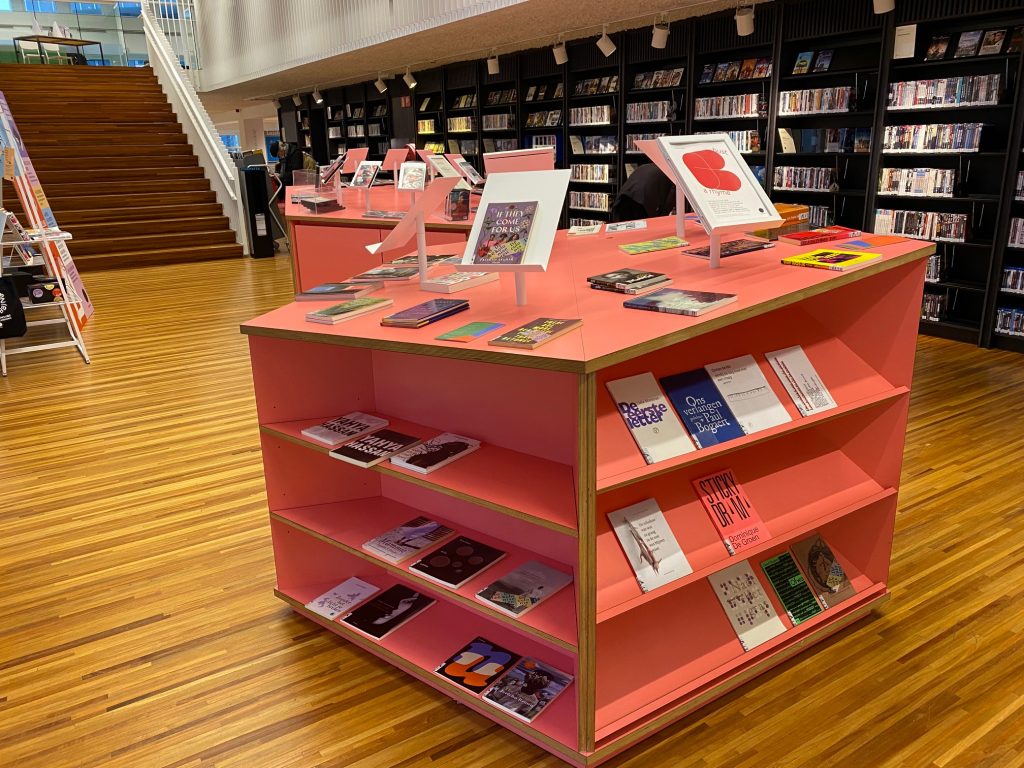
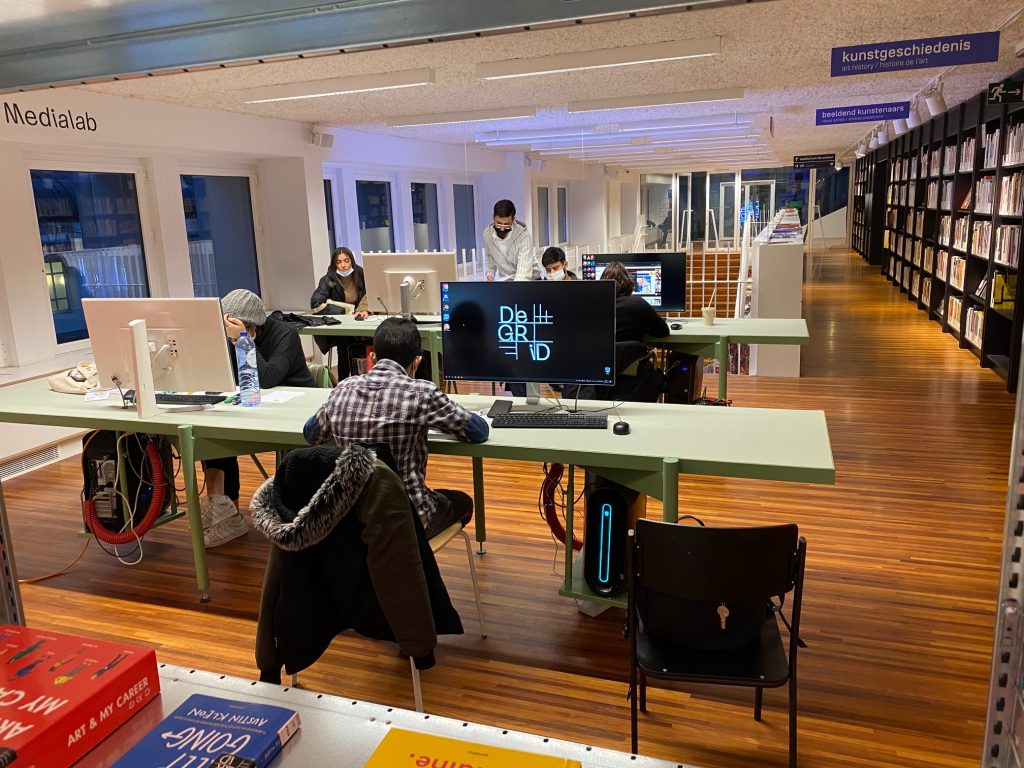
In den öffentlichen Bibliotheken ist ein Generationswechsel der Besuchenden überfällig. Traditionell finden sich 4 unterschiedliche Gruppen von Personen in den öffentlichen Bibliotheken wieder. Da sind (1) die bildungsaffinen Rentenempfangenden, (2) die Eltern mit Kleinkind(ern), (3) Wärme- oder Kühle suchende Menschen der Umgebung und (4) die Schul-, Hochschul- oder Examensvorbereitenden. Soziologisch betrachtet ist das ein interessantes Aufeinandertreffen von gesellschaftlichen Randgruppen.
Die „Neue Zentralbibliothek im KAP1“ (Düsseldorf) hat aus diesen meist unverbunden nebeneinander operierenden Gruppen eine kommunikative Gemeinschaft produziert. Aktion und Interaktion ist nun angesagt. Der Flyer betont richtungsweisend: „Menschen, Bücher, Räume“. Fortan soll der Mensch und seine Lernfähigkeit im Vordergrund stehen, nicht mehr nur die Bücher. Dazu braucht es meistens anders oder umgestaltete Räume. Lernen war immer schon interaktiv und nur in Teilen allein im stillen Kämmerlein. Dazu braucht es Labs als Lernräume und nicht nur die Stille der „Page-turner“. Lernboxen, Lernstudio, Musikstudio sowie eine „Kreativschmiede“. Dort wird heute gepodcasted, 3D gedruckt und es werden social-media Kanäle entworfen und betrieben, immer schön generationsübergreifend. Voneinander Lernen ist das Motto nicht mehr nur nebeneinander und im Wettbewerb um die beste Bewertung. Kollaboration und gesellschaftlicher Zusammenhalt brauchen neue Räume, dem KAP1 in der Düsseldorfer Zentralbibliothek ist dabei schon viel gelungen. Die zentrale innenstädtische Lage ganz nah am Hauptbahnhof ist ein zusätzliches Asset. Ansonsten hätte ich mich wohl nicht auf der Durchreise dorthin verlaufen. Ein Random-Walk in Bahnhofsnähe, verursacht durch verpasste Verbindungen der Bahn, hat zu einer unerwarteten, bereichernden Zwischenpause geführt. Der Ausblick aus dem Café auf das übliche innerstädtische Verkehrschaos konnte umgeben von Alt und Jung richtig genossen werden. 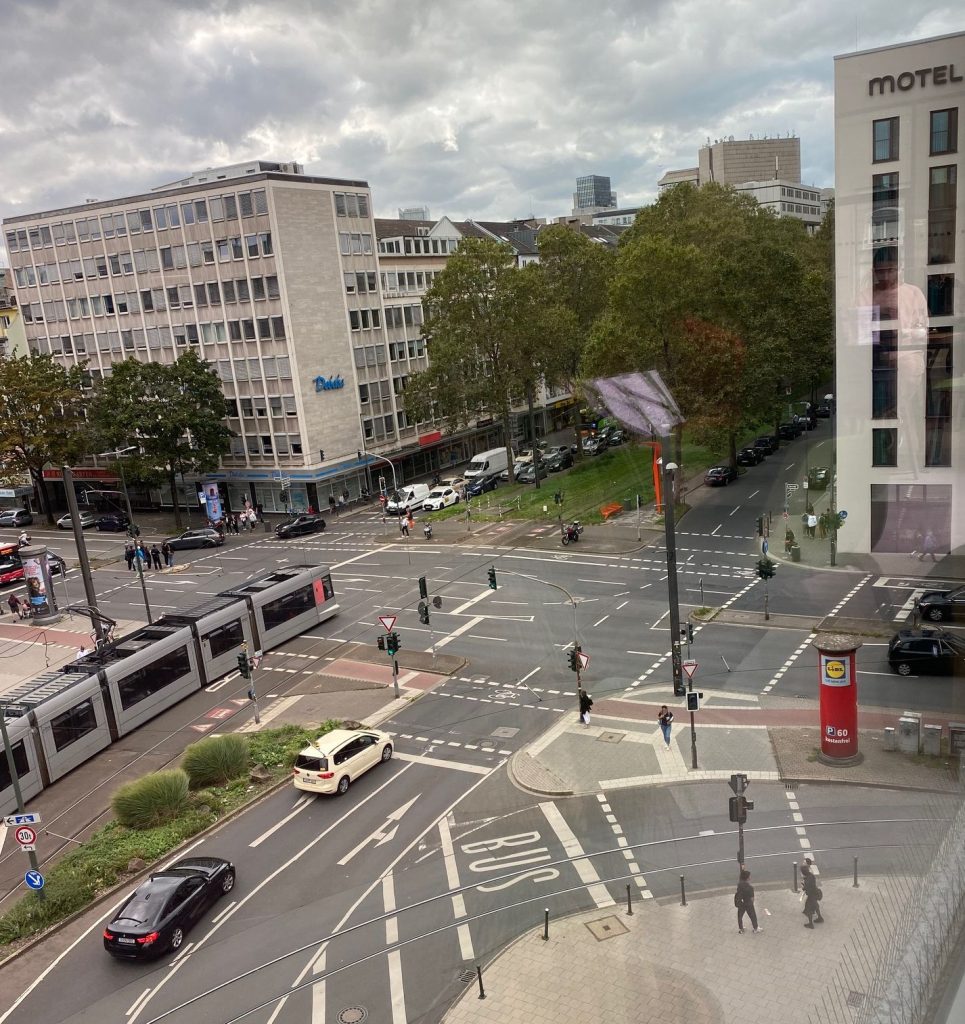
Stabi locker
Die Staatsbibliothek Berlin in der Potsdamerstraße macht sich mal richtig locker. Neben all dem gebundenen und gebündeltem Wissen gibt es eine kleine, etwas versteckte Ecke in der richtig gechillt werden kann. Mit aktuellen Tageszeitungen in Papier und online lässt sich gut pausieren. Eine tolle Aussicht gibt es zusätzlich. Selbst eine vorübergehende Schließung wegen überfälliger Sanierung wird die Stabi bei den Wissbegierigen eine wichtige Location vermissen lassen (fehlende Bücher).
Neben Wissensmaschine ist die Stabi eine Lernanstalt erster Klasse. Die Anzahl der mitgebrachten dicken Gesetzbüchern samt Kommentaren lassen einen immer wieder staunen über den Mangel an stillen Lernorten an Universitäten und in Privatwohnungen. Die richtige Lernumgebung befördert den Ansporn, noch eine extra Meile zu gehen. Wissbegierig ja, aber es braucht auch viel Durchhaltevermögen bei ständig wachsenden Ablenkungsmöglichkeiten. Gemeinsam, einsam, allein mit sich und dem Wissen lässt sich vorzüglich dicke Bretter bohren. Das ist ein wichtiger Teil, das Lernen zu lernen. Kunst am Bau und im Bau gibt es gratis dazu. Die Nähe zur Ablenkungsindustrie am Potsdamer Platz, Kinos, Spielbank und Fresstempel kann da getrost auf ihre späteren Opfer warten. Mit Regionalzügen und S-Bahn kommt man von dort rasch wieder weit weg. 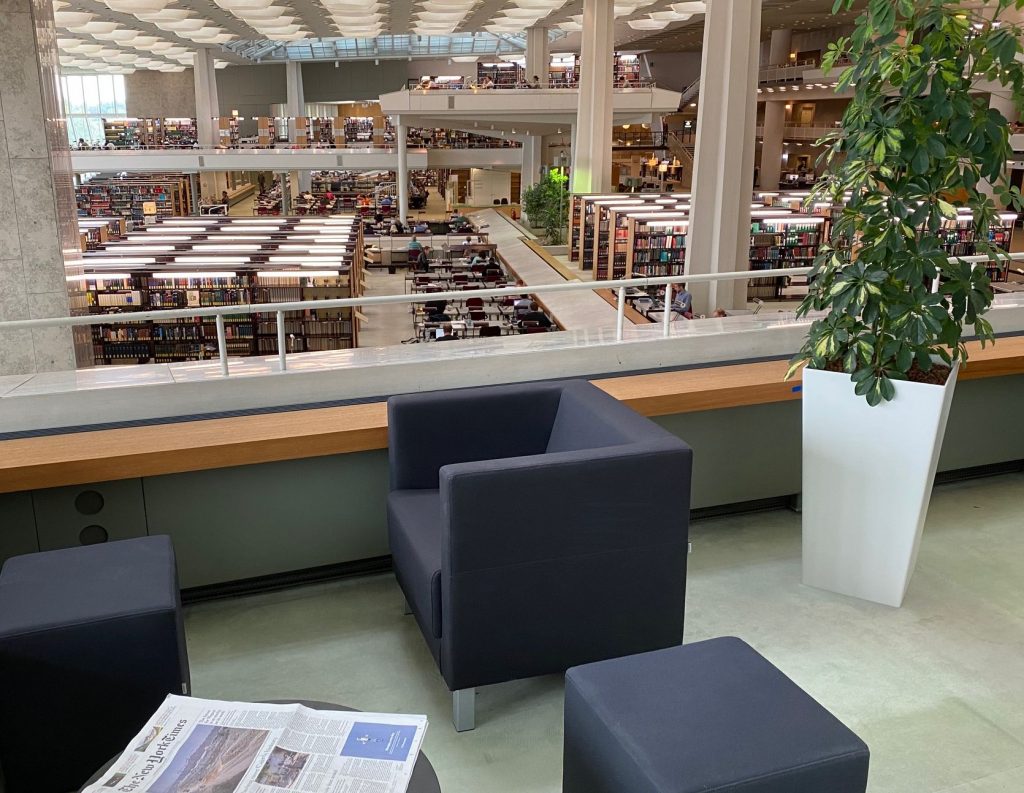
Work Satisfaction
There is an important distinction between job satisfaction and satisfaction with one’s work. Being satisfied with the work you have done or something you created or co-created has become almost a privilege. Production in capitalism has mostly different objectives like rent seeking rather than satisfaction with one’s work. Compromises between both are a major learning process about the functioning of labour markets. Remote work, for some, contributes a lot to more job satisfaction. For others a healthy work environment is the top priority. Many people however focus simply on pay packages and this is often out of sheer necessity to escape poverty eventually. Trades have a tradition to allow satisfaction with one’s work, more than most jobs in industry. Flat hierarchies and subordination to your own standards, rather than pressure from supervisors, are much more common. Recognition of your work adds to the pay you receive. Job turnover is related to job satisfaction but also to satisfaction or even identification with the product of your work.
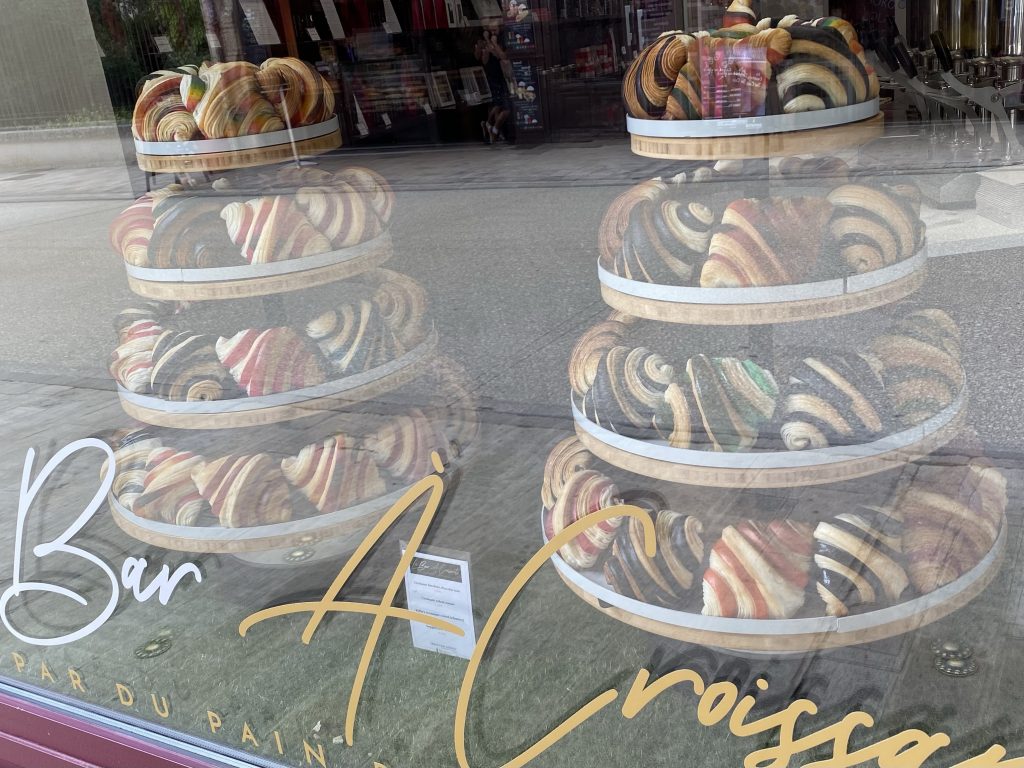
There is more to work than pay. Recognition in form of winning a price in a competition may help to keep awareness high that pay is only one element of remuneration. “meilleur ouvrier de France“ is such a kind of recognition. It encourages people to try new things and test new ideas. This is a major source of satisfaction with one’s work. We might even feel sorry for someone shouting “I can get no satisfaction”. He probably has to try in a simpler or different fashion rather than to try harder. The city Dijon in Burgundy seems to have a pretty high number of people with high levels of work satisfaction and happy to show it.
Healthy Brain
We’ve got only one brain. Hence, we better take good care of it. There is only a small community in Wales that has got more than one brain, they have got brains. For all others we should like to know what we can do to keep our brain healthy for as long as possible. Scientists try their best to find out for decades. The state of the art is well documented in a study published in The Lancet which followed 64 so-called superagers in the study and 55 in the control group. These superagers are 80 years old persons that have annual brain fitness tests and brain scans (MRIs) that show their brain has a functionality of a person 20+ years younger. Anxiety scores and depression levels seem to be major explanatory factors for reduced grey matter and decline in functionality of the brain in aging. Fewer glucose disorders and hypertension contribute to successful aging of the brain. An active lifestyle and any form of practicing music make you also more likely to be in the group of superagers. Motor control, balance and speed are important to take into account additionally. A good solution to successful aging is “singing in the rain” I would say. In terms of prevention of “brain loss” it seems important to highlight both the pure brain functionality and the importance of exercise to keep sufficient motor control. Get up and walk! That is the answer. Yes. Again. Trying to do it fast is a good way to preserve not only your body but also your brain. 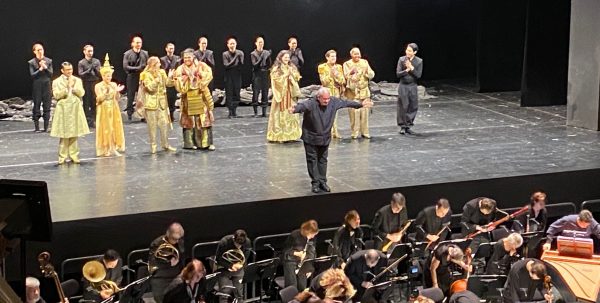
Fröhlich
Fröhliche Wissenschaft. Das geht. Nach gut 6 Monaten mit einem Blogeintrag pro Tag hat sich eine Textsammlung ergeben, die recht umfassend ausgefallen ist. Nach eigenem Monitoring der Themen, wie die Bearbeitung der UN-Themen zu strategischen Entwicklungszielen, oder der alphabetischen Auflistung von Schlüsselwörtern der Sozialwissenschaften sind nahezu täglich Kommentare entstanden. Neu war für mich die Bildredaktion, als Kommentar, Erläuterung, Selbstkritik oder wissenschaftliche Referenz. Eine interessante Variante, Erkenntnisse mit Key-Visuals zu unterstützen. Die bildliche Erinnerung an Beiträge ist ein eigenes Inhaltsverzeichnis. Klar, Hund- und Katzenbilder werden das Ranking der am meisten aufgerufenen Beiträge gewinnen. Egal, wir machen fröhliche Wissenschaft, immer weiter, immer heiter, so bleibt es lebenslanges, lebensweites Lernen. 
Goals SDGs
The Strategic Development Goals (SDGs) date back to 2015 for their enactment. The goal setting is a routine procedure for the UN and its subsidiary international organisations. This makes a lot of sense, because if you do not name the problems, you are unlikely to address them in a systematic fashion. Quantifying the goals is then a much more difficult task and that then already part of the ensuing discussion about idealist, illusive or realist goals. Most diplomatic exchanges focus on this goal setting and scheduled monitoring as well as more comprehensive evaluations of goal achievement. The SDGs comprise another strategic twist. Rather than concentrating on national governments, non-governmental organisations and businesses were encourages to actively participate in the implementation of the goals. After more than 7 years the achievements of intended improvements should become visible. Well, goal setting and monitoring over the last seven years is likely to reveal failure on several of the 17 indicators. Covid-19, disruption of supply chains, wars causing recessions and high inflation are major factors to explain failure. However, knowing the reasons of failure is a substantial part of improving in the next coming years. Returning to cooperation rather than confrontation could do the trick. Even after wars cooperation to organise relief is the only way forward to come closer to achieving the SDGs.
Bold initiatives like the Marshall-Plan for Europe in the 20th century made it possible to rise from the ashes. Countries that have been in ruins at that time, now have important roles as financial contributors to support other regions. The goals remain the same, the challenges as well. 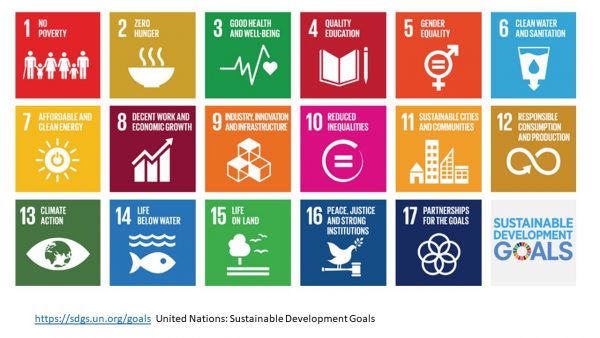
Construction
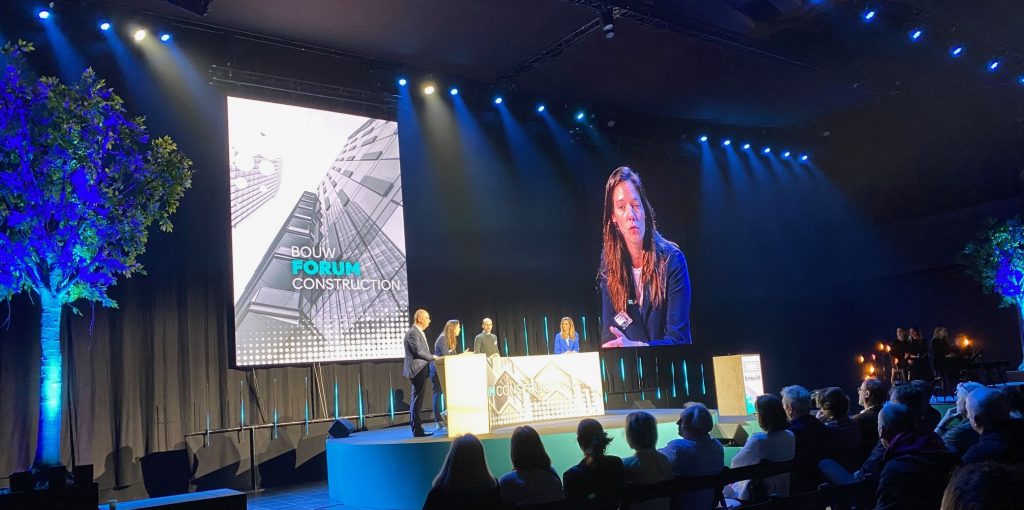
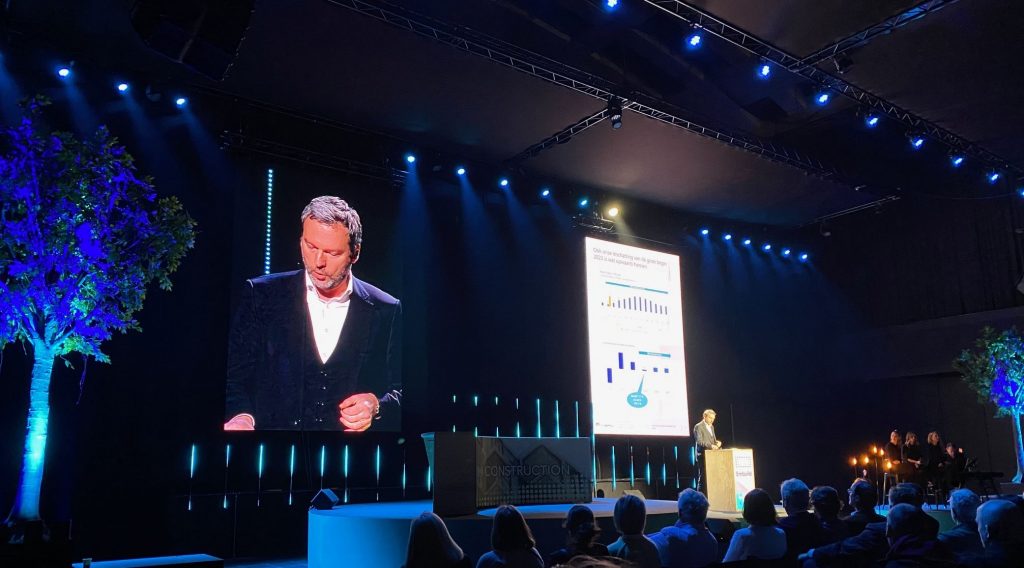
Construction as an industrial sector was growing strongly in the last decade. Corona crises, supply chain disruptions have slowed growth in the last two years, but the sector was still growing in terms of employment. The topic of skill and employee shortages hardened from year to year. In March 2023 the sector has more time to reflect on the somehow rapid, if not sometimes chaotic growth of the previous decade. The macro-economic scenario has changed now. Following on supply chain disruptions, we saw the high inflation rates of raw materials. The war of Russia against Ukraine caused energy prices to soar and eventually come down again. Latest worry is the increase in interest rates to finance construction projects of public, private and the business sector.
The whole sector is known for its economic role of forerunner of economic cycles, up or down. So, what are the prospects? Not so rosy, as the experts explain for example on the expert forum of the Belgian construction forum. The official from the Belgian National Bank announced a rather bleak outlook for the sector. New construction is stalling, but the renovation of buildings, especially for the purpose of reducing energy consumption is still strong and growing. Long-term reduction of emissions keeps the sector busy, thanks to the EU green deal in my opinion. The public, private and business investments in buildings all keep growth from turning negative. 2 big worries remain: (1) skill shortages and the lack of employees signalled in job openings in the sector is high and still rising; (2) the scarcity of women employed in the sector is still trailing most other sectors. Most companies have seen earnings grow over the last decade, sufficient time to build up reserves for the tougher quarters to come. Skill shortages and gender biases are harder to overcome. The Construction Forum in Brussels addressed both topics and tries to convince employers and the younger generation. Construction companies have to work on their male-dominated image was one of the take home messages Hélène de Troostemberg, the Director of Build Up pronounced.
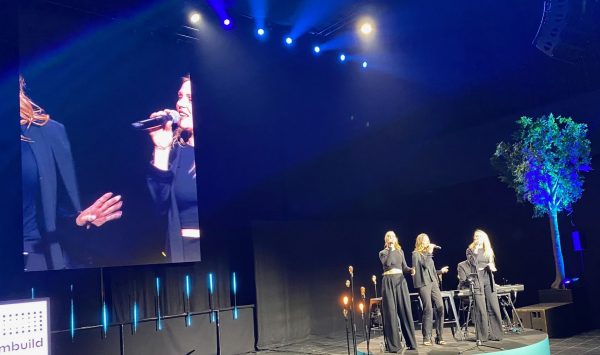
It is not certainly not enough to have a woman as moderator of a panel and an all-female singers group accompanying the presentations. Women as architects, technicians and builders will make the sector even more attractive for the next generation of men as well. Aging of employees in the sector is another tough issue waiting for innovative solutions. Digitalisation of every step in the value chain is an additional necessary step. The leadership and trade unions in the sector are well aware of these facts. Maybe next year women engineers will pilot the robotics demonstration rather than being in charge of building a nice atmosphere with their songs. I must admit I liked the intro song to the Forum: “We build this city on rock ‘n role”, but I am less sure whether rock ‘n role will solve the gender and recruiting issue of the sector. However, naming and framing the problem(s) is already part of the solution.
Aphorismen L3
“Was für Aussichten würden wir bekommen, wenn wir unser Kapital von Wahrheiten einmal von demjenigen entblößen könnten, was ihnen nicht sowohl wesentlich ist, als vielmehr aus der öfteren Wiederholung zuwächst.“ (Lichtenberg S. 50). Die Wiederholung ist eine starke Lernmethode. Sie wird seit Jahrtausenden erfolgreich eingesetzt. Alle Religionen bedienen sich am liebsten täglich dieser Methode, um sich der Treue der Anbetenden zu vergewissern. Der Glaube im Glauben ist: Oft genug wiederholt ist gut verinnerlicht. Dabei bleibt ein Glaube ein Glaube, selbst bei ständiger Wiederholung. Lediglich so manchem Mensch erscheint durch regelmäßiges Wiederholen die Botschaft als verinnerlichte Selbstverständlichkeit. Wahrscheinlich ist es beruhigender, sich nicht täglich zu fragen, ob das 1x,2x,3x mal tägliche Einmassieren von Chemikalien auf Zähne und Zahnfleisch wirklich nachhaltig gesundheitsfördernd ist. Alleine dem Markt wollen wir das Thema nun auch nicht überantworten. Warten wir weiterhin auf die nächste entblößende, hoffentlich wirklich unabhängige, wissenschaftliche Studie dazu. Mit den Pestiziden in der Ernährung hat das bekanntlich nur sehr bedingt funktioniert. Wie schön, dass alle Jahre wieder Frühling kommt und die finsteren Tage hinter uns lässt. Wiederholungen lassen Routinen entstehen, die uns das ständige Hinterfragen ersparen. Rasch gehen wir über Fragen von Kindern hinweg: Muss ich heute in die Schule gehen? Dabei ist Hinterfragen von Wiederholungen ein wichtiges Lernen, dem Mitläufertum entgegen zu wirken. 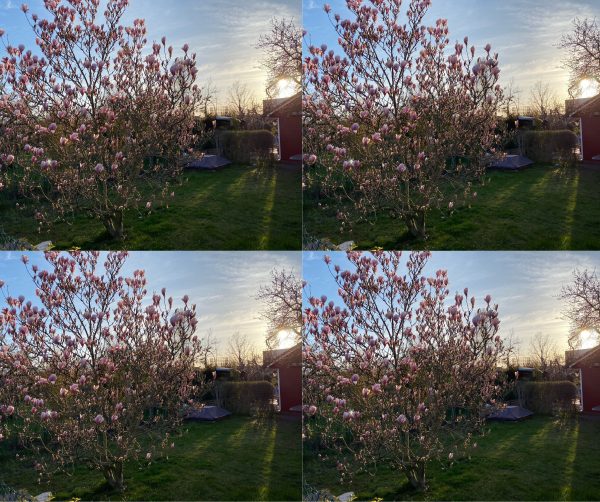
Romanatik2
Zur romantischen Periode gehören die bekannten Lieder von Schumann und Schubert. Meine Auswahl dazu liebäugelt besonders mit den Liedern zum Lindenbaum. Die Linde mit ihrem süßlichen Duft an warmen Tagen hat Malende der Romantik sowie die Dichtenden und Komponierenden betört. “Am Brunnen vor dem Tore da steht ein Lindenbaum …” kannte vor 50 Jahren jedes Kind. Etwas weniger bekannt sind die fabelhaften Rückert-Lieder von Gustav Mahler: “Ich atmet’ einen linden Duft …”. Für mich steht dabei die Atmosphäre in der Nähe der Linde im Vordergrund. “Unter den Linden” assoziieren viele nur noch mit der Verkehr in der Hauptstadt auf dem Weg zum Brandenburger Tor. Zum Reinhören und Reinversetzen in die Romantik sind die Lieder ein idealer Weg. Der Frühlingsglaube (Schubert Op.20.2) besingt die linden Lüfte und das Aufblühen der Natur. Es keimt die Hoffnung auf, dass sich alles zum Besseren wendet. Doch etwas Skepsis ist schon angebracht. Im Lied “Die abgeblühte Linde“, ebenfalls von Schubert vertont, ist dann das Altern und die Treue thematisiert. Der Zyklus der Natur und Jahreszeiten nimmt scheinbar unaufhaltsam seinen Lauf. “Nur der Gärtner bleibt ihr treu, denn er liebt in ihr den Baum”. Das weise Herz will Gärtnern und erhalten, was so viele Emotionen und Optimismus hervorgebracht hat. Wir müssen die Bäume retten, aus Pflicht die Romantik inklusiv und erlebbar zu erhalten. Dazu können wir mit den Linden ja schon einmal anfangen. 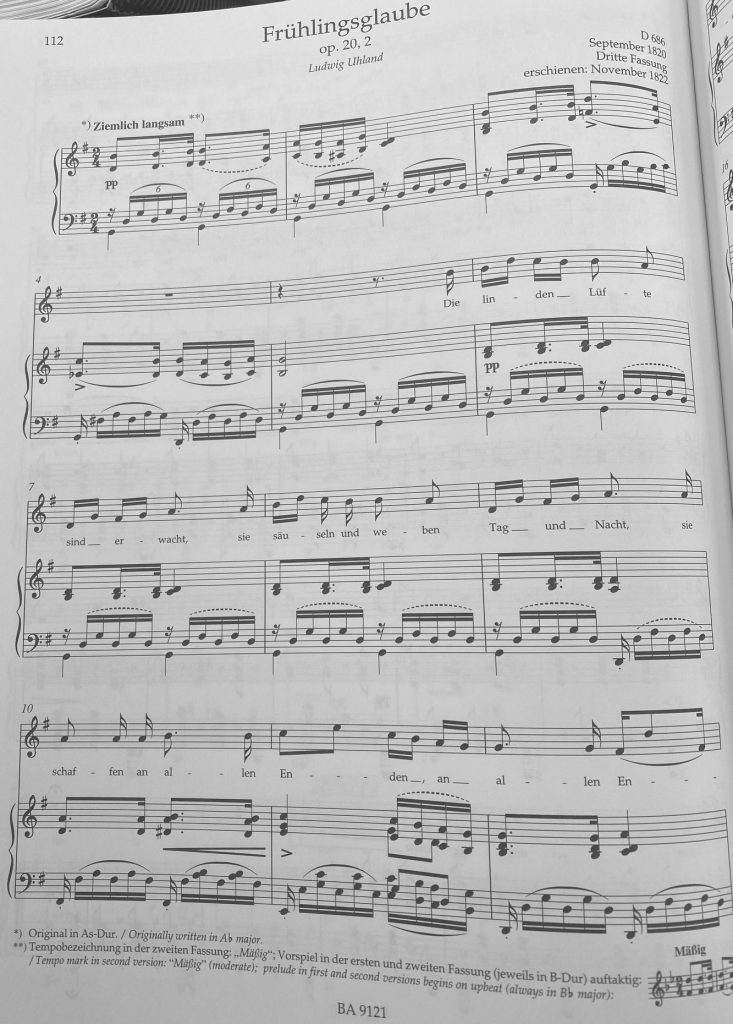
Employment
Employment is back on top of the agenda. Not as we used to think, though. Previously unemployment had dominated societal concerns. Now it is the lack of persons seeking or available for employment. What has happened? The Covid-19 crisis has demonstrated the need of persons qualified to work in the health sector. From health care and urgency care, we are short of personnel in all these fields, everywhere. 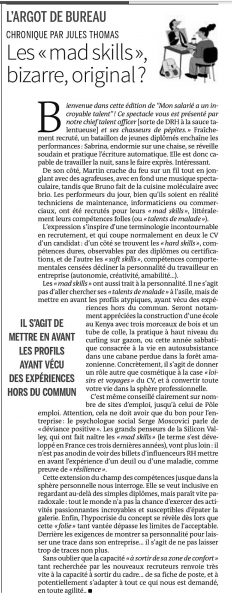 Then we discovered the role of essential services and the need to equip crucial infrastructures like ports, transport, shops, schools and ambulances with service persons resisting despite work overload. Larger cohorts leave employment to retire, some even early due to illness or burn-out. Additionally, war is back in Europe. Military personnel is in high demand again, drawing largely from younger cohorts. The need for conventional weapons. long thought to be oblivious, is forcefully back on the agenda.
Growth potentials are everywhere. However, these pre-modern facts encounter a population in the western democracies that insists on new approaches to employment. Beyond hard and soft skills, recruiters seek atypical skills, competences and trajectories. A parachute jump from an airplane, cooking and dining experiences, caring spells, periods in self-employment, all are directly or indirectly relevant for employment and teamwork. So, what is your specialty? Collecting stamps? Surely you are able to spot tiny differences in images with specific content. Fake news and fake image detection or video surveillance is in high demand, just try an application and discover the employment potential of your MAD skills. Sounds crazy? No joke. Skill needs are everywhere, just give it a start again and again. Read a serious newspaper regularly (here LeMonde 19.1.2023) for inspiration.
U for Union
Union, understanding, undo, unknown, uncertainty, universe, urbanization, use, u-turn. All those u-words spark imagination. Additionally, the short forms of u as abbreviation for you, ur = your, youth and smartphone typing are creating for us abbreviations to communicate even faster and shorter via social media. Union is my favourite of this list for several reasons: (1) Marital union, passionate topic not only for family sociologists, (2) trade unions, as collective form to organize solidarity in and across societies, (3) European Union, the formidable tool to create, conserve and ensure peaceful developments in Europe. We have to prolong this list with the union jack, the united states, the united nations and …, please continue the list.
For me, in union I see a whole film running, a process proceeding, or persons uniting. Unionization, just like two persons deciding to pass more time together, has some magic in it. Match making is the modern term for it. No Union without reunion, dissolving a union might be part of the process as well, as painful it can turn out to be. Most of the times we grow throughout the process. Forming a union, in all senses of the word and of all sorts of forms, is a kind of teleological urge of us as a species. We share this with many animals but have also developed strategies and weapons to force others into union. Unfortunately, no u-word without its potential to be used in the sense of abuse. Unite to defend the union of fans of unions. (Evolution of Union of Tweets own Video 12-2022). IMG_4611
Q for Question
Quality and quantity or queer and query could have made valuable entries here as well. Common to all is the underlying process of questions. Questions put to oneself, to others, society or supra natural or supra national instances. Can quantity turn into quality? Is a queer perspective a new one? Is a query in a programming language the beginning of each algorithm? Questioning is a child’s “natural” approach to understanding the world. This does not stop soon after childhood, but it is occupying, if not haunting, us until the end of our life. When is this exactly happening – the end thing? Are we free to chose this? Just try to answer one of these questions and you’ll find out how one question leads to the next. We are all the same in this behaviour. However, we all find different stopping rules to the query algorithm. Religion is a fast shortcut to stop further questions. Sciences are the never, ever, ending type of questioning. Mathematics solved part of the problem. For a lot of series we are able to calculated the limit value towards which the series evolves circumventing the lack of a stopping rule. Fundamental human rights are such a far-reaching stopping rule. Just like after the French revolution, the question was, how to quickly spread the message of human rights. Didactic and paedagogics evolved in parallel. From “cogito ergo sum” to “rogatio ergo sum”. 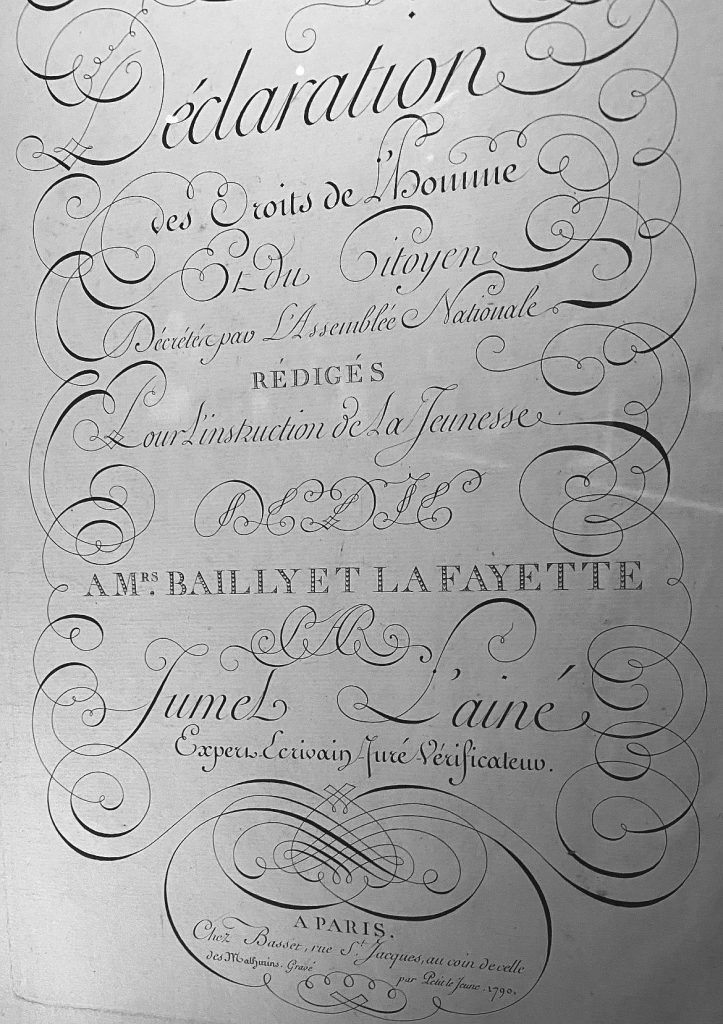
M for Memory
Besides the English term memory, which refers to a huge scientific literature starting with cognitive psychology, I like the French version of “mémoire”, because it is more comprehensive with additional meanings, nicely represented by Wikipedia.org. On the German Wikipedia-page you find first the reference to the children’s game memory, turning around images and memorising where the counterpart is/was (play pairs). This diversity hints towards a cultural element in memory. There is a person’s memory or mental capacity to recall and ways to remember. The latter term refers a lot more to collective memories and becomes a more debated issue. Danny Trom uses the term “split memory” in a chapter on France and the “myths of nations” (p.129-151). In David Brook’s reader on “the social animal” he states that grandmasters in chess (p.88) were long believed to have superior memory. This is actually not true as memory experiments showed, but they rather saw formations and “internal connections forming networked chunks of information”.
“Mémoire”, on the contrary, refers also to the writing of a person’s own biography. Nowadays, book shops contain whole sections of autobiographies, the most sold appears to be the one by Michele Obama recently, if I recall correctly. Among the most scandalous is the publication of the “Journal pour Anne (Pingeot) 1964-1970” by Francois Mitterand. All the autobiographical documents make explicit major parts of what might form collective memory later on.
Memory has found its way into engineering and computing. The memory effect in batteries or being “out of memory” frightens users in computing or programming. In short, I wish you the best of memories reading this page and stimulation by visiting memorials (image: Jewish Museum in Berlin 2022, Ullmann exhibition). 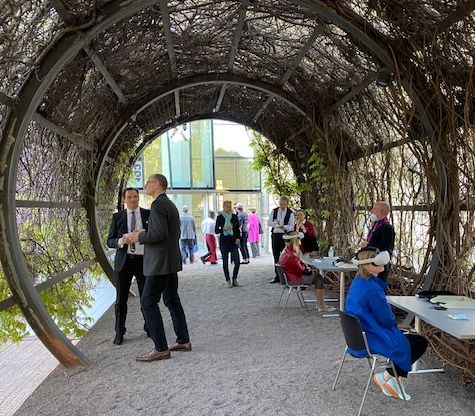
E for Enterprise
There is a new start-up scene in development in Germany. Interesting to witness the new entrepreneurial spirit. Many of the youngsters grow out of their peer community, wanting to try new ways of working and living together. The new bottom-up or grassroots form of growing a business out of a subculture seems to be an adequate response to the growing diversity of societies and easier ways of community building through online social media. Name it “reach” today, it is similar to what you previously called having a customer base. The new element refers to a blending of cultures. Learning through being online connected to the world, yes, the whole world, allows wide-spread influences from other sub-cultures, be they American, Asian or African. The young are open-minded to new stimuli like “Ikigai” from Japan and, of course, the life histories of founders and individual biographies from entrepreneurs like the legend of Steve Jobs, Apple’s legendary founder. Imagineering has become part of the movie-influenced influencers. Short clips out of a longer story build communities. The witty comment, like at school, gets more attention than the long boring story of the preacher, teacher or the mansplainer. The experience of “flow” is all around these communities and this creates the specific magic of the start-up scene. They take each other to new levels, mutually, reinforcing their preferences and life-styles. They are well aware of the risks they are taking. “Keinhorn” German short for “not an Einhorn”, the one billion value threshold for super successful enterprises taught them crucial lessons. The “ecology of organisations” which I referred to in my courses at the now renamed “Constructor University” previously “International University Bremen”, then “Jacobs University”, (let’s see what comes next?) is an important complementary research tradition to assess the “survival” of enterprises. I still recommend this University, which I quit to start new endeavors. It carries in its several  “names” the important message:
start, fail, change, (repeat). 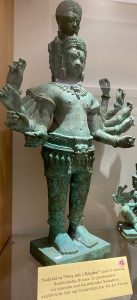
Lange Schatten
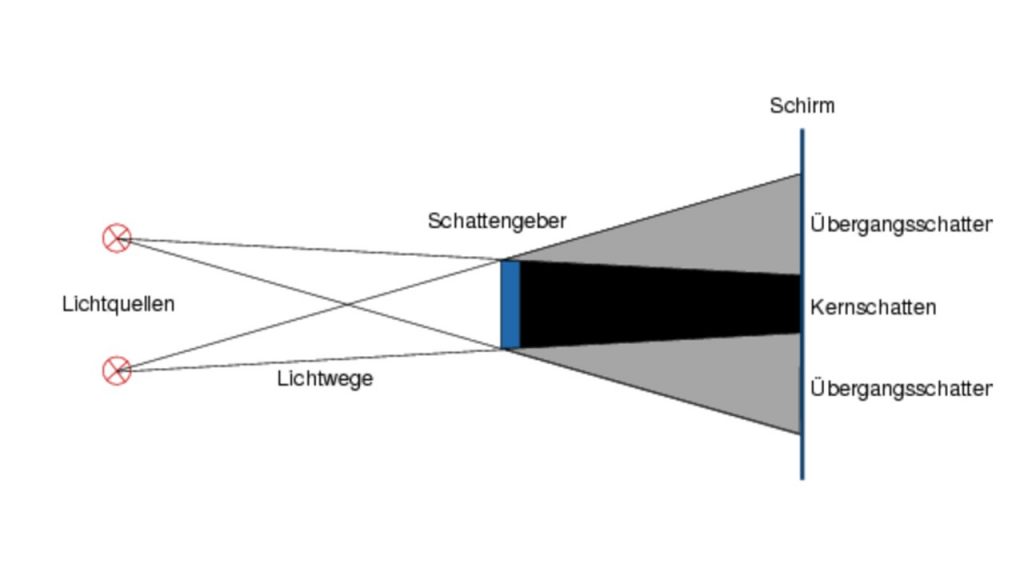
Bestimmte Ereignisse im Leben von Menschen werfen lange Schatten. Das ist ein viel beforschtes Thema (z.B. critical life events research). Einen frischen Blickwinkel aus autobiografischer Perspektive ergänzt Andreas Fischer mit seiner autobiografischen Erzählung “Die Königin von Troisdorf“. Er steht buchstäblich im langen Schatten seiner Großeltern, Eltern, Tanten und Onkeln. Mit viel Details widmet sich der Autor den Nachwirkungen von Kriegserfahrungen seiner Familie, hauptsächlich denen des 2. Weltkriegs auf die Psyche. Das Schweigen zu den oft traumatisierenden Kriegserfahrungen schafft neuerliche Barrieren, die in die Gegenwart fortwirken. Verbindugen zwischen den Generationen lassen sich erzählerisch gut darstellen, insbesondere das Sich-ineinander-verschränkende der Beziehungen und Erfahrungen. Dabei gibt es Kernschatten und Halbschatten, aber selten klares Licht auf Geschehnisse. Einzig die langen Nachwirkungen werden offensichtlich. Dabei könnte anstelle des Schweigens der Generationen zu den eigenen Erfahrungen und denen der (Groß-)Eltern durch Berichten im Familienzusammenhang vorzüglich als Lernkontext für alle und nachkommende Generationen dienen. Nach den vielfach gescheiterten Aufklärungsversuchen der 68er- Generation, hatte sich eine neuerliche Schweigewelle ausgebreitet, die erneut zu brökeln scheint (vgl. Henri-Nannen, vielfach Straßennamenänderungen). Bis zur Kriegswende 1942 wurden große Pläne geschmiedet (damals schon in Verbindung mit einer Besetzung der Ukraine S. 215-6). Das nachwirkende Trauma besteht wohl neben den vielfach beschriebenen direkten Kriegsverletzungen auch in dem Zerborsten der euphorisierten Zukunftsträume der Kriegsgenerationen aller Altersklassen. Aus Kindheitsträumen wurden offensichtliche Illusionen oder gar tiefsitzende, externalisierte Enttäuschungen. Verdrängte Schuldfragen und Wahrheitsverweigerungen mussten über Jahre aufgearbeitet werden. Die abgekürzte Entnazifizierung hat die Länge der Schatten innerhalb der Gesellschaft und der Familien nur vergrößert. Halbschatten ist eben nur halb im Schatten und schon halb im Licht. Bildquelle: http://didaktik.physik.hu-berlin.de/material/forschung/optik/anfangsoptik/schatten.htm
Zugang zu Wissen
Übergänge
Auch Übergänge wollen gelernt werden.
In dem Beitrag von Arbeitsdirektorin Albrecht (Robert Bosch GmbH) im Tagesspiegel vom 19.10.2021 fordert sie von Unternehmen, ihr eigenes hoffentlich eingeschlossen, für die Bewältigung des Wandels, mehr soziale Verantwortung zu übernehmen (s.u.). Unternehmen stehen ihrer Meinung nach in der Pflicht, Menschen von einer Arbeit in eine andere zu bringen. Im Sprech der Human Ressource Verantwortlichen heisst das eben, neben Einstellung auch Trennungsmanagement zu beherrschen. Das stützt die Regionen und den Wirtschaftsstandort allgemein, den sonst steigen die Sozialabgaben auch für die Unternehmen mittelfristig, also sogar mittelfristiges Eigeninteresse. Wer lange über Fachkräftemangel klagt, kann dann nicht im nächsten Atemzug Menschen entlassen, die lange hervorragende Dienste geleistet haben.
Gestaltung von Übergangsarbeitsmärkten als Beschäftigungs(ver)sicherung, lange mein Forschungsthema am WZB in Berlin und in der Lehre an der Jacobs University Bremen, baut auf das Engagement der Unternehmen und Beschäftigten, Übergänge zunächst innerbetrieblich oder zwischenbetrieblich zu organisieren. Erst subsidiär kommt die öffentlich ko-finanzierte Gestaltung von Übergängen dazu, also die Unterstützung von Übergängen von Ausbildung in Beschäftigung, Arbeitslosigkeit sowie sogenannte Inaktivität in Beschäftigung. Eine große Baustelle ist der Übergang von Beschäftigung in den Ruhestand, wenn wir an die Gestaltung eines mehr fließenden Übergangs denken, statt des weitverbreiteten harten Übergangs von Vollzeitarbeit in 100% Gartenarbeit.
Lernen und Weiterbildung spielen direkt oder indirekt bei all diesen Übergängen eine bedeutende Rolle. Das zu verdeutlichen, hatte ich gerade wieder die Gelegenheit anlässlich einer beeindruckenden Tagung der “AgenturQ” in Stuttgart. Das Denken in Netzwerken, Verbünden und Platformen war bereits allseits präsent. Die Vorreiterrolle von Baden-Württemberg in vernetztem Denken und Handeln wurde deutlich, da bereits kürzlich das 20-jährige Jubiläum des Tarifvertrags zur Weiterbildung in der Metall- und Elektroindustrie gefeiert wurde (u.a. mit einem Tagungsband zum Nachlesen).
Weiterbildung schafft Werte und ist Teil der Wertschöpfung (20211025_Schoemann_Praesentation), nicht Teil der versunkenen Kosten, denn durch weitverbreiteten Fachkräftemangel geht Produktion und Produktivität verloren. Sehen wir Qualifikationen und Arbeitskräfte als Teil der Lieferkette, wie beispielsweise im Krankenhaus, dann wissen wir wie schmerzlich Produktionsausfall und Qualifikationsmangel sein kann. Weiterbilden#weiterdenken bleibt eine Daueraufgabe. Der AiKomPass als Ansatz, informelle Kompetenzen sichtbarer zu machen, ist ein guter Ansatz für alle, ihr eigenes Kompetenzspektrum zu überdenken, zu dokumentieren und eventuell zu ergänzen.
Lernen kann so viel Spass machen, wenn wir passgenau ansetzen können. 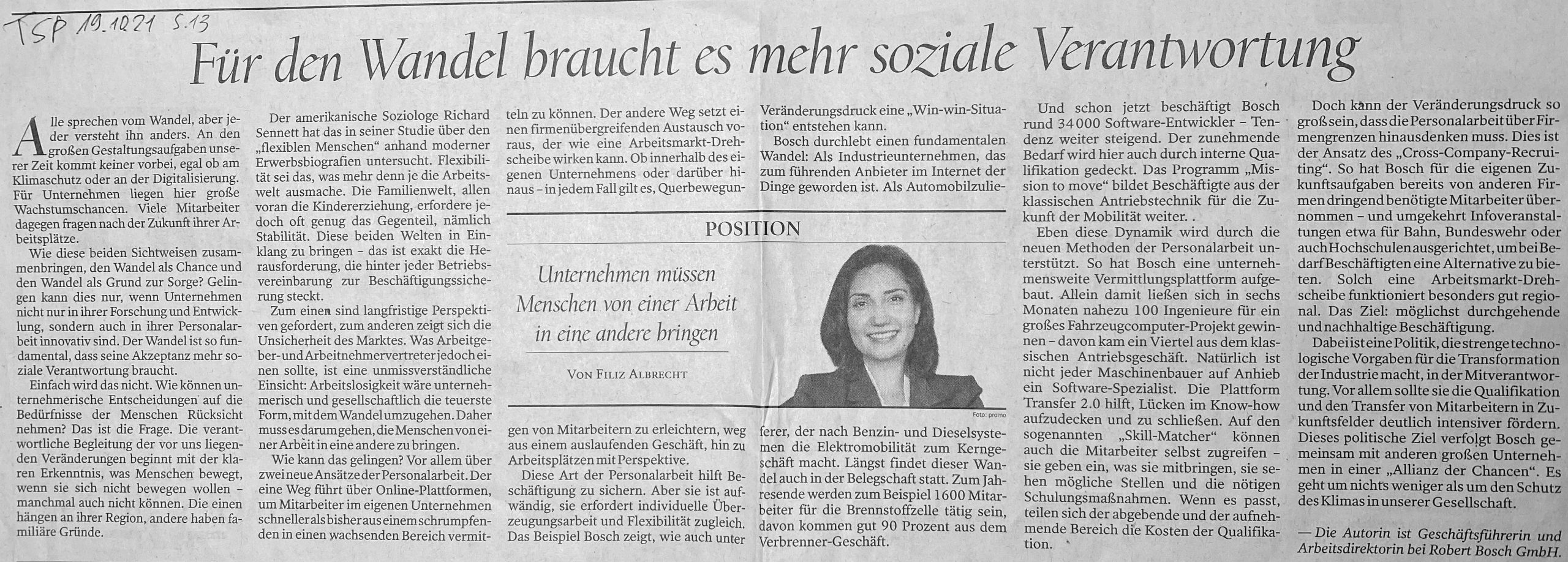
Weniger “isst” Mehr
Ein mit hohen akademischen Weihen versehener Artikel hat mal wieder bestätigt, was wir eigentlich seit den 70er Jahren bereits wissen und in den Gesundheitskampagnen “Friss die Hälfte” effektvoll angeregt wurde. Leider zeigen unsere “Obesity”-Statistiken völlig entgegengesetzte Trends. Wir werden immer dicker als Einzelne und als Gesellschaft. Dabei wissen wir es seit langem. Auch die Lösung mit der “Trimm Dich” Aktion und Waldpfaden mit Sportgeräten aus Holz hatten wir schon und haben sie verkommen lassen. Weniger essen hilft für ein längeres Leben und dadurch werden wir langfristig gesehen doch mehr essen (ein anderes Nachhaltigkeitsthema). Aber zunächst zu “Sestrin” dem Signalprotein. Zu hohe Proteinzufuhr schadet den tierischen und wohl auch dem menschlichen Organismus. Reduktion verlängert um 10% die Lebenserwartung. Das sind etwa 8 Jahre bei einer durchschnittlichen Lebenserwartung bei Geburt von 80 Jahren. Den Autoren
Jiongming Lu, Ulrike Temp, Andrea Müller-Hartmann, Jacqueline Eßer, Sebastian Grönke, Linda Partridge ist mit ihrer Studie ein wichtiger Durchbruch gelungen: Sestrin is a key regulator of stem cell function and lifespan in response to dietary amino acids. Nature Aging, 2020.
Mein Vorschlag ist: bei der nächsten Frühjahrsdiät doch mal erneut versuchen es umzusetzten. In Zeiten von Covid-19 und seinen Varianten sind die Erträge mehrfach. Da es schon wieder wärmer wird, ist der Wohlfühlfaktor warmen Essens nicht so einschränkend. Deswegen, Klaus raus aus dem Haus. 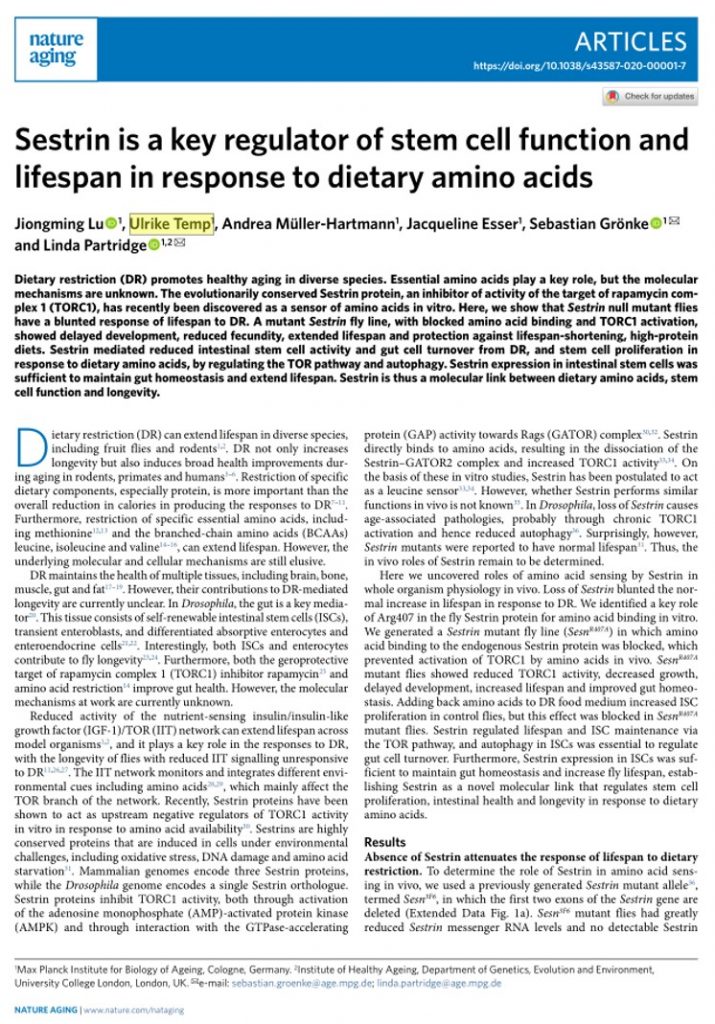
Gott + Schirach
Am heutigen 23.11.2020 ist es soweit. Die Fernsehübertragung des Theaterstücks „Gott“ von Ferdinand von Schirach läuft im Ersten. Nach spannender Lektüre erwarten wir nun die Abstimmung der selbstbestimmenden Personen, nicht der meist über Listen aufgestellten gewählten RepräsentantInnen des Volkes. Alles andere als ein klares Votum für eine legale Sterbehilfe und Selbstbestimmung ein ganzes Leben lang wäre eine Überraschung. So wird endlich die breite Diskussion geführt, die diese schwere Entscheidung für alle Beteiligten benötigt. Toll, denn der Grundwert der Selbstbestimmung gilt unbefristet. So ist es nie zu spät, auch eventuell erst am Ende eines Lebens Freiheit in einer letzten Entscheidung zu finden.
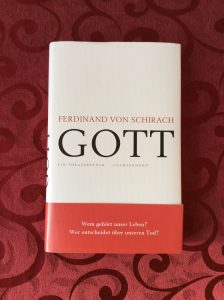 Abschließend ein Zitat aus dem Buch von Seite 177. “Ich bin kein Philosoph, aber, meine verehrten Damen und Herren, könnte nicht genau das es sein, was uns als europäische, als westliche Gesellschaft heute ausmachen sollte: nicht der zwanghafte Konsens, sondern, dass wir den friedlichen Dissens aushalten?”
Ein schönes Stilmittel – die rhetorische Frage, als Frage auf die wir keine Antwort erwarten, sondern beispielsweise, wie in diesem Falle, eine Zustimmung des Zuhörers einfordern.
Finding Freedom
Nach dem Urteil des Bundesverfassungsgerichts vom Februar 2020 nimmt die Diskussion um Sterbehilfe in Deutschland wieder Fahrt auf. Die Mediananstalten (ARD, ZDF) und die Presse (Spiegel) berichteten recht ausführlich. Mit einem Vergleich zu Belgien und den Niederlanden lässt sich recht gut einsteigen in die überfällige Diskussion in Deutschland. Der Deutschlandfunk hat dazu ergänzend eine interessante kleine Sendereihe mit Positionen der großen Religionen produziert. Zum Beispiel der Buddhismus wird hier erläutert. Die jüdische Position findet sich ebenso zum Nachlesen oder Nachhören. Stärkere Ablehnung der Sterbehilfe findet sich im Islam und den beiden großen christlichen Strömungen (evangelisch, katholisch), wohl nicht nur in Deutschland. Jack Kornfield‘s Buch “Das weise Herz” nähert sich in Teil IV “Freiheit finden” und darin dem Kapitel 16 “Leiden und Loslassen” (S. 339ff.) der weisen Lebensstrategie des Loslassens und dem Lernen des Loslassens. Diese Lebensphilosophie endet aber gerade nicht in dem finalen Loslassen, sondern in einem eher lebensbejahenden Ablassen vom Leiden. Ein feiner, aber gravierender Unterschied. Das menschliche Leben ist ein edles Geschenk verglichen mit der Vielzahl der anderen möglichen Wiedergeburten aus dieser Perspektive. Wir dürfen es achtsam seine Früchte entfalten lassen und andere auf ihren Wegen begleiten. Kein einfacher Weg, keine einfache Zielsetzung. Demokratische Willensbildung verlangt gesellschaftsweite Diskussionen zum Thema. Jede/r mit sich selbst und alle gemeinsam. Einen interdisziplären Einstieg (englisch oder französisch) bieten auch die Diskussionen des Mönchs, des Philosphen und Psychiaters zum Thema Weisheit. 
Kreativ
So wie die Generation der älteren Personen sich auf die Covid-19 Einschränkungen eingestellt hat, so macht das auch die jüngere Generation. Die unter 25 oder unter 35 Jährigen hatten schon seit einigen Jahren ein fundamental anderes Medienkonsum- und produktionsverhalten als andere Generationen. Dies hat sich wohl in der jetzigen Krise nochmals verstärkt. Online Nutzung von sozialen Medien und Streaming Diensten haben sich weiter verstärkt (Statistik dazu Link). Aber anders als zu jammern, hat auch diese Generation “in die Hände gespuckt” und eben auf ihre kreative Weise Kultur, Musik, Workshops, Tanz und Gemeinsamkeit in virtuelle Party- und Erfahrungsräume verlegt. “StayAtHome” ja, aber wir lassen uns den Spaß nicht verbieten.
Neue Verknüpfungen von mehreren Intiativen haben sich gesucht und gefunden. Ein gegenseitiges Unterstützen und Miteinander durch die Durststrecke findet statt. Solidarität wächst in der Generation der vermeintlichen Individualisten auf neue Weise. So wird von den Jüngeren eine virtuelle Plattform gebastelt, Gruppen von Künstlern und Freischaffenden vernetzt und gleichzeitig noch Spenden eingesammelt. Das Drunter & Drüber Festival ist ein spannendes Beispiel. Auch vor einem Namen wie dem “Dies | Das Kollektiv” schreckt die junge Generation nicht mehr zurück. Spannende Stories entstehen und viel Gemeinsinn in einer Krise, die uns in unsere oft zu kleinen Stuben einsperren musste.
Ich verrate jetzt nicht in welchen Workshops wir uns beteiligt haben. Spaß hatten wir auf jeden Fall und dazugelernt haben wir wieder viel, dieses Mal von der engagierten Jugend. Streaming-Plattformen für Gamer und Kunstschaffende, wie Twitch, kannte ich bisher nur aus Computerfachzeitschriften. Das hat sich nachhaltig verändert.
Mit dem Dies | Das Kollektiv gings Drunter&Drüber und weiter in der Szene mit . Wer sagt hier Deutschland kann nicht digital? Herzlichen Glückwunsch! 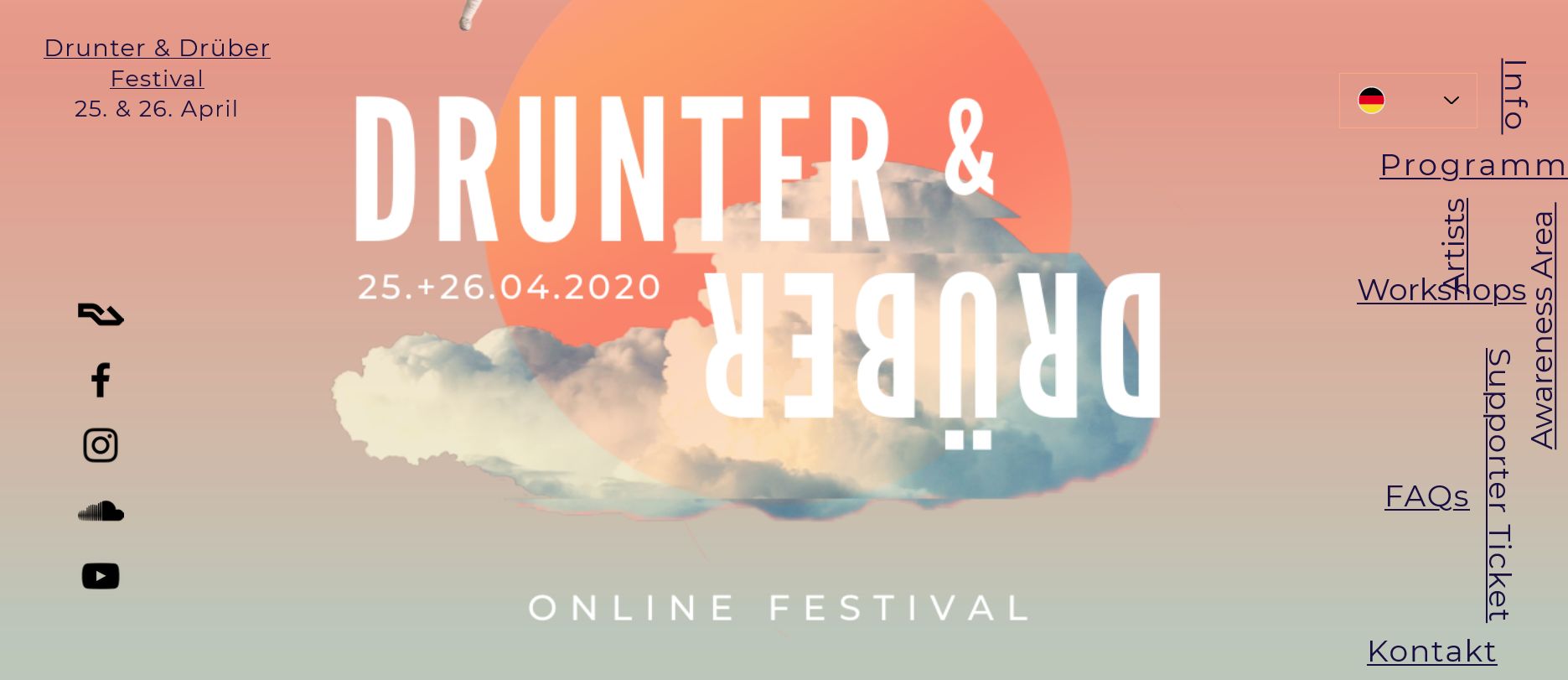
Weitere Aktivitäten und Spendenaufrufe finden sich bei UnitedWeStream.berlin oder der ClubCommission.de
Maske
Das CoronaVirus wird mit uns bleiben, ob wir wollen oder nicht. Dann werden wir uns eben anpassen müssen. Okay, die 85+ Geburtstagsfeier meiner Mutter musste ausfallen. Gemeinschaftsunterkünfte mit Hochbetagten stehen unter besonderem Schutz mit Einlasskontrollen, und das ist gut so. Die älteren Personen müssen noch mehr auf sich selbst gestellt im Alltag klar kommen. Masken zum Schutz vor Ansteckung immernoch weitgehend Fehlanzeige. Die Generation der Hochbetagten mit Kindheitserfahrung der Kriegs- und Nachkriegszeit weiss noch, was plötzlich alleine zurecht kommen heisst. Da mache ich mir irgendwie die Schutzvorkehrung selbst. Die Bastelstunde beginnt. Nach einigen ersten Versuchen und Ölen der Nähmaschine sind die ersten Prototypen fertig und der Familienrat kann tagen.
Also: die gesundheitliche Schutzfunktion der Masken sollte im Vordergrund stehen. Kaffeefiltereinsatz schon gut, aber Flies ist sicherer. Toll, die Wiederverwertbarkeit der Masken nach Auskochen im Topf oder mit Bügeln verdient ein Nachhaltigkeitssiegel. Das Wiederverwerten von Stoffresten spart ebenfalls kräftig CO². Klasse Initiative. Die Lehre aus der Covid-Geschichte:
Behalte deine alte Nähmaschine, die Stoffreste, Gummibänder und Füllstoffe. Alles was mal vorgesehen war für Kostüme oder Fastnachtskostüme hat einen neuen sinnvollen Einsatz gefunden.
Toll Mama, kann ich auch so eine Maske haben?
Bild unten hat sie mit dem Tablet fotografiert, Bastelei beschrieben und per email zugeschickt. Eigeninitiative kennt keine Altersgrenze. Lernen voneinander auch nicht. 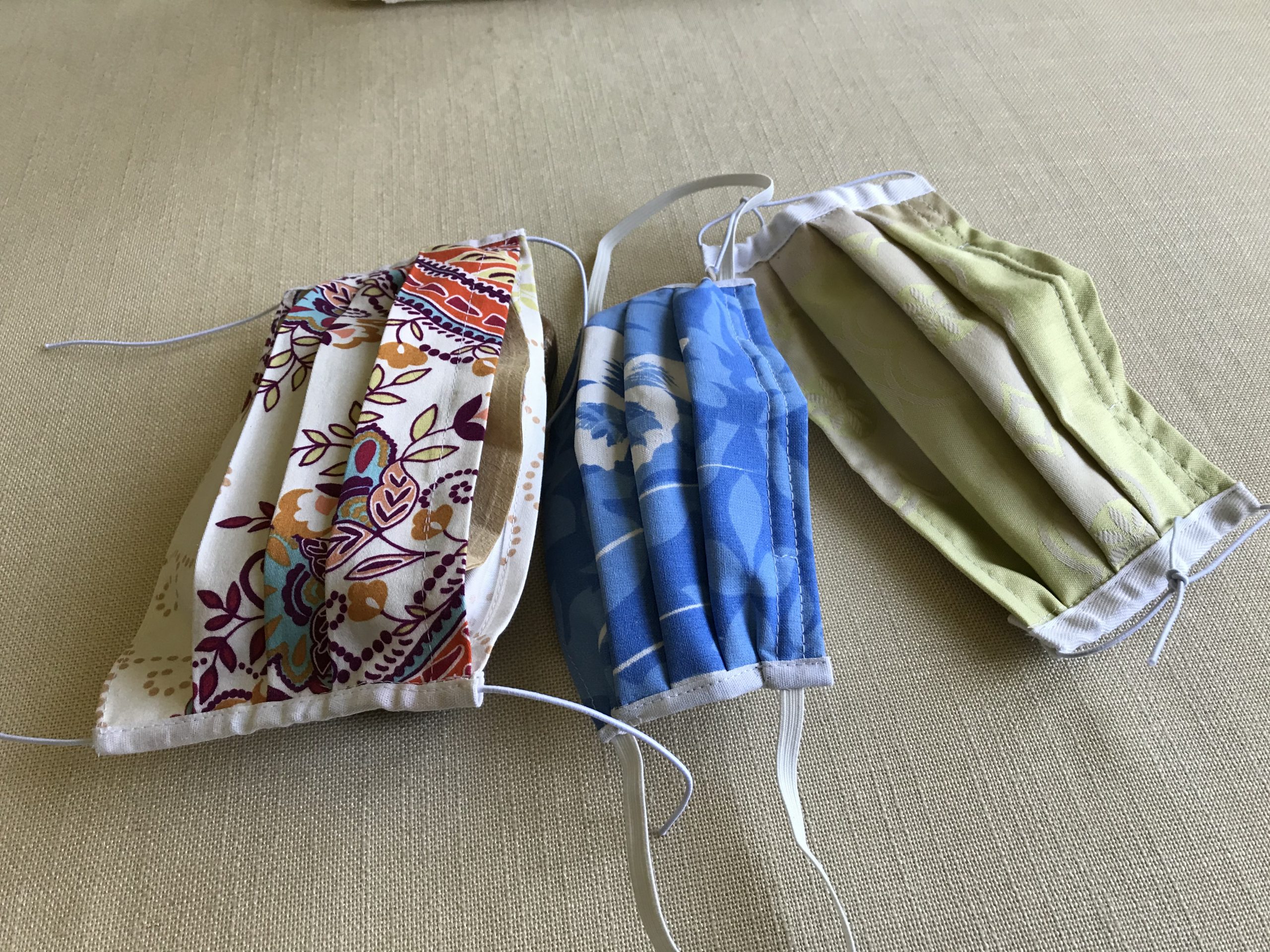
On Mortality in EU
It is normal business for demographers to deal with mortality and the statistics of mortality. The latest data I found from official European statistics from Eurostat refer back to 2015. They mention 571.000 potentially avoidable deaths in the Europen Union of the 1.7 Million deaths among the population younger than 75 years of age, the lower bound of average life expectancy. A look at the leading causes of preventable death shows that prevention of deaths due to alcohol, smoking and environmental causes beyond suicide could safe more than 200.000 lifes per year! Please pause a while in front of these figures.
In Germany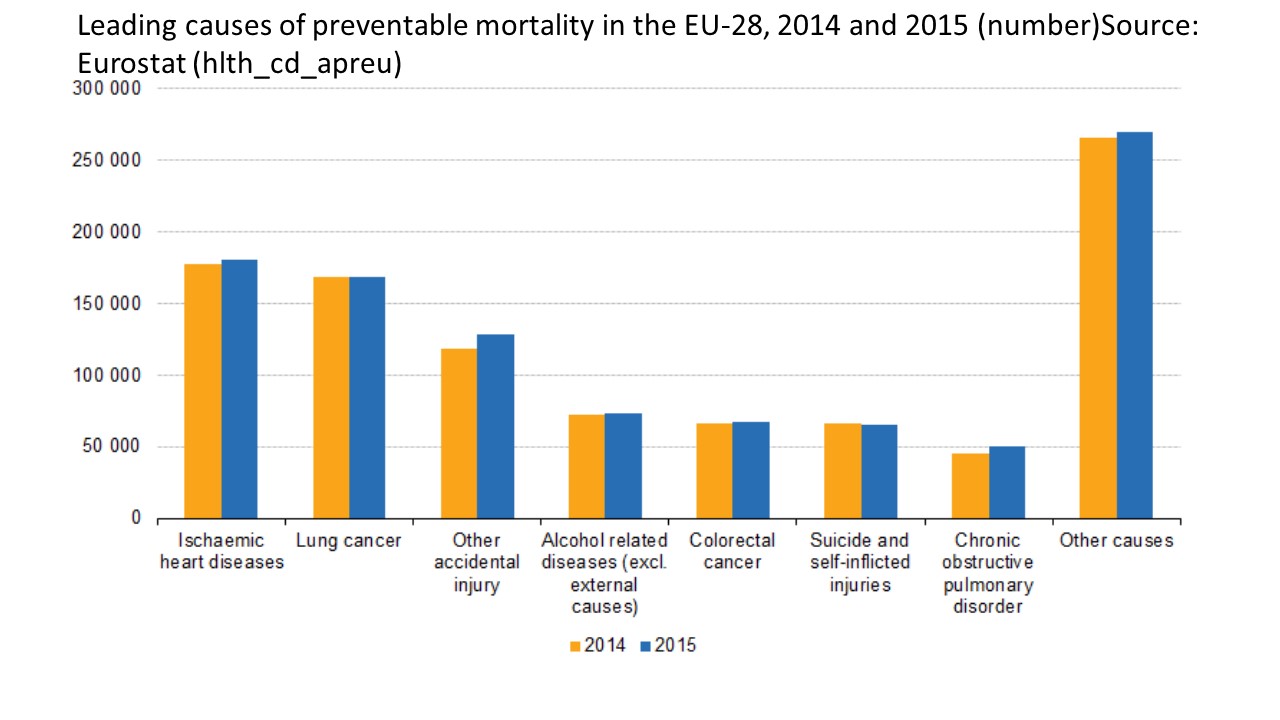 we deplore more than 900.000 deaths each year and according to the statistical office on an average day during the year we have 2100 persons leaving us. In a severe case of influenza these death rates jumped for example in February 2018 to more than 3.100 persons in one day. Hence, keep calm and carry on with taking Covid-19 seriously, but no reason to panic.
Taking a look at our Belgian neighbors, the public health statistics on Belgian Mortality show a cycllical pattern of mortality with peaks in January for the influenza period and sometimes on hot summer days. 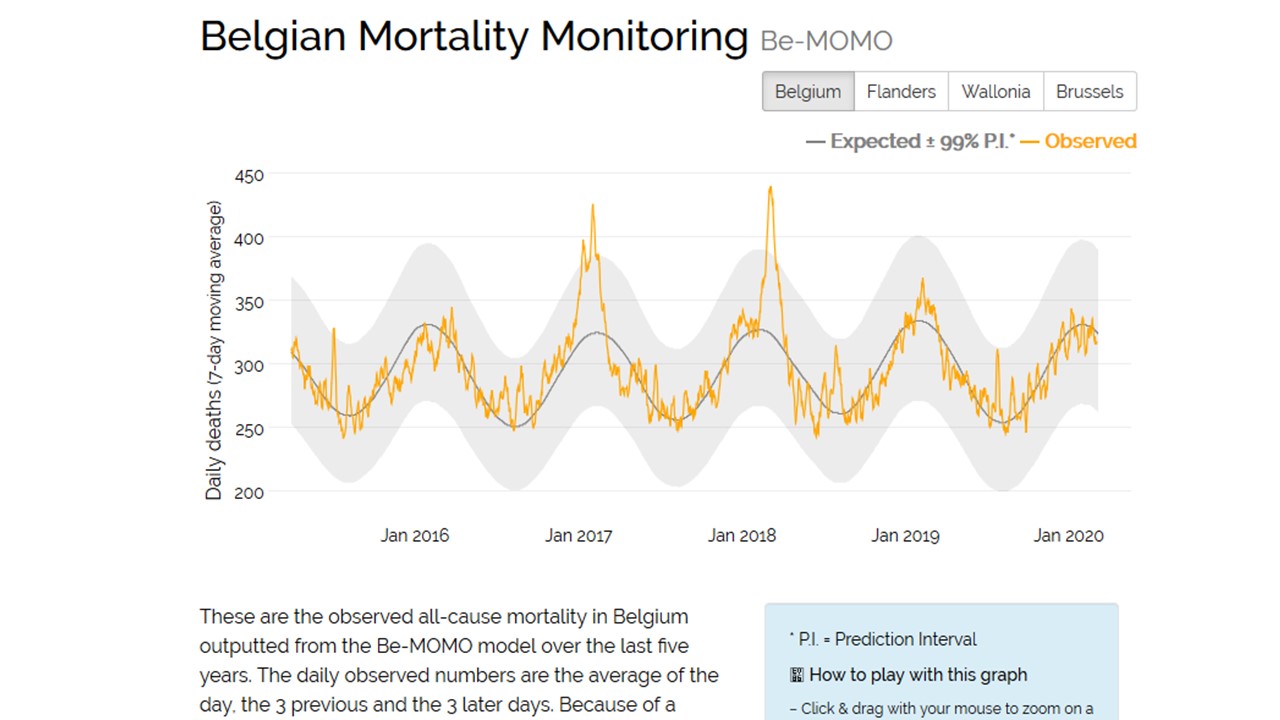
Additionally, there are several severe environmental health hazards which we have gotten used to. Not much fuzz in public about these increased death rates any more. They include many preventable deaths as well. The deadly cocktail of fine particle dust in high traffic countries combined with peaks in temperature and ozone levels yield preventable peaks in death tolls across Europe not just in Belgian, different from region to region and city to city or suburbs or proximity to risky areas. No prove available yet, just coincidence data that need close monitoring. Please follow up on the web page of Epistat and the B-momo project.The EuroMoMo-project and data can be followed on the new webpage, commented by tagesschau.de on the 23.4.2020. Late data reporting as accused for UK by the Financial times needs to be followed closely for all countries.
Students should build their statistical methods skill and get ready to use the statistical software R for further analyses useful to produce nice figures and even better advanced analyses. 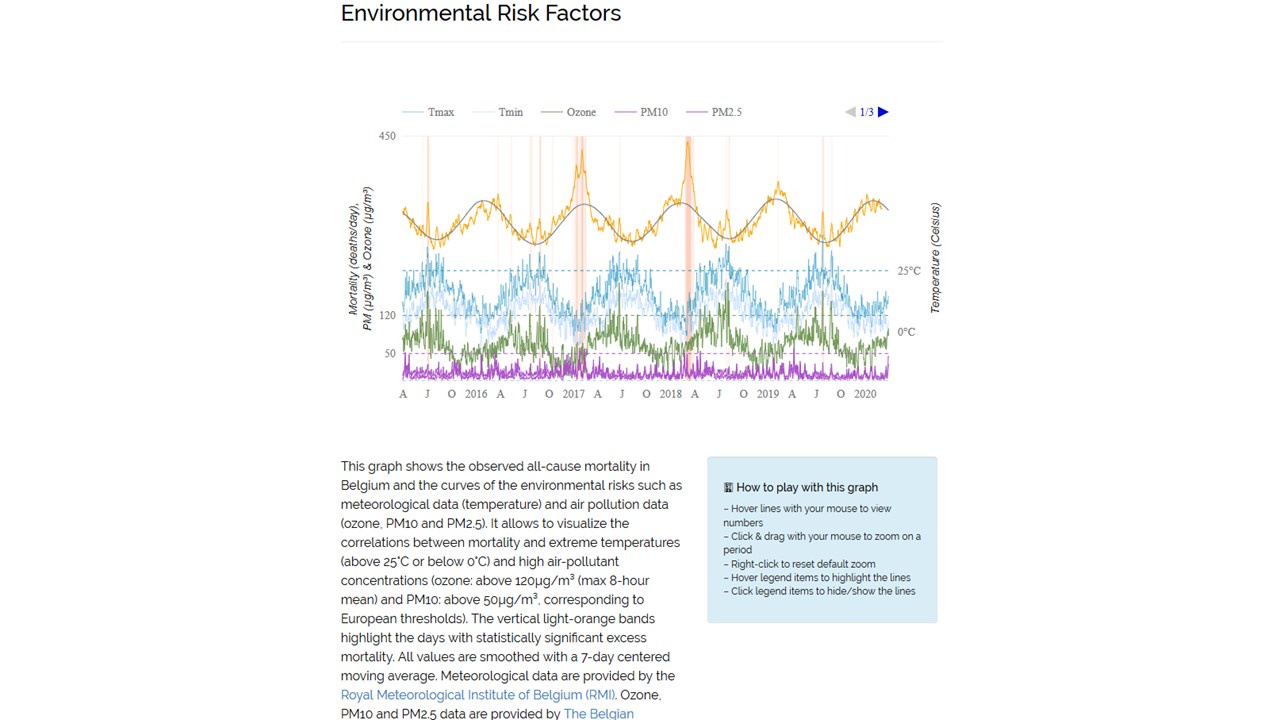
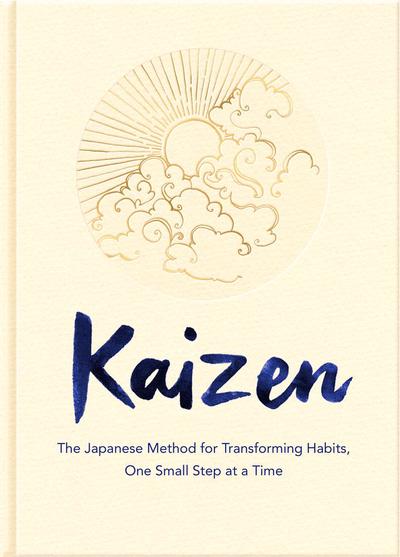
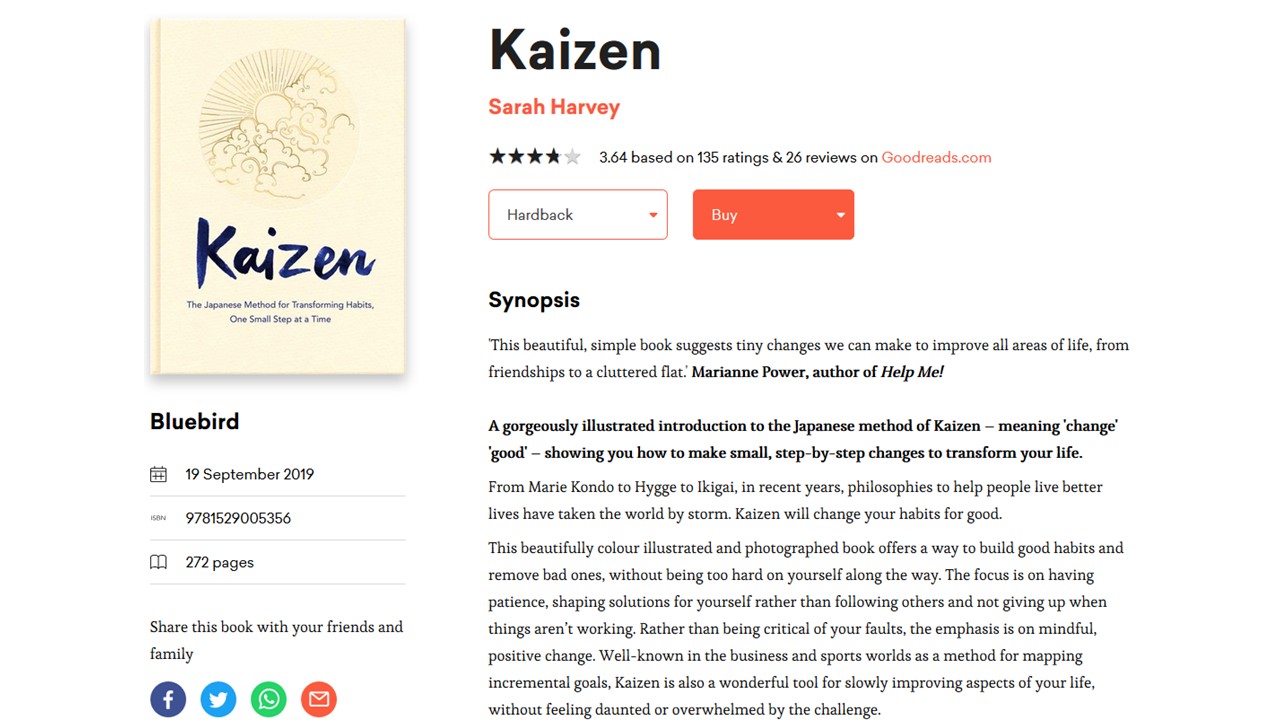
Kaizen oder Kai’Zen bei Covid-19
Die Buchveröffentlichung zu Kaizen bei Pan Macmillan (Bild unten) hat mich erneut mit persönlichem Gewinn an die altbekannte Managementmethode anknüpfen lassen. Für viele ist Kaizen, ich mag lieber Kai’Zen als Wortspiel und konkretere Vorstellung zu den japanischen Kanji-Zeichen. Laut einem Wikipediaeintrag steht “Kai” für Veränderung und Wandel, “Zen” = zum Besseren, zum Guten. Der daraus resultierende kontinuierliche Verbesserungsprozess wurde in der Privatwirtschaft und dem öffentlichen Dienst geradezu zu einem neuen Mantra. Bei der Wahl der richtigen Indikatoren wie Patienten- oder Kundenzufriedenheit und eben nicht nur Kosten(senkung) kann das Anstoßen von Kai’Zen mittelfristig und langfristig wahre Wunder bewirken. Deswegen ist der Vergleich mit dem auf Schumpeter zurückgehenden Prozess der “kreativen Destruktion” d.h. dem Erfolg von radikalen Veränderungen stets sinnvoll. Viele Start-ups können von dieser Methode lernen, anwendbar bei sich selbst, in Gruppen oder für ganze Gesellschaften. In Zeiten von Covid-19 könnten wir auch sagen “von Viren lernen”. Kai’Zen ist “Bionics” pur. Aber genauso mit dieser Methode werden wir den Virus eindämmen und einen Impfstoff entwickeln. Die Viren bleiben gut in Kai’Zen, wir auch. Bleiben wir dran, wir haben den längeren Atem ;-). Einen der führenden Virologen Peter Piot hätte Covid-19 nun dennoch fast erwischt.
“Balance” als Geheimnis des Alterns
Die am 13.1.2020 im PNAS veröffentlichte Studie zu Alternsprozessen des Ginkgobaums, der mehr als 1000 Jahre alt werden kann, lassen eine alte Weisheit des Alterns wieder aufleben. Die Balance bestehend aus neuem Wachstum von Zellen und dem Absterben von Zellen beschreibt den Alterungsprozess bei Langlebigkeit. Am Beispiel des langlebigen Ginkgo biloba beschreiben die Autoren den biologischen und genetisch-bedingten Alterungsprozess. Die deutsche Wikipedia-Seite weist interessante Abweichungen zu der englischsprachigen Seite auf. Neben mehr Hinweisen auf potentielle Effekte bei verschiedenen medizinischen Indikationen kann natürlich ein Hinweis auf Goethe nicht fehlen. Hatte er doch den Baum bereits literarisch verewigt in seinem Gedicht von 1815 “Ginkgo biloba”. Kein Wunder also, dass er Ginkgobaum in Deutschland nahezu mythische Kraft zu besitzen scheint. Vereinzelt finden sich Fanseiten des Ginkgo im Internet. Spannend ist jedoch auch der japanische Mythos um den Ginkgo. Selbst die Atombombe von 1945 hatte ein Haus zerstört, doch der benachbarte Ginko blieb erhalten und ist heute ein Denkmal der Hoffnung. Hier schließt sich der Kreis zur Alternsforschung. Wie beeinflussen soziale Kontexte, im Extremfall Kriege, die Genetik und Epigenetik? Wir bleiben dran an dem Thema.
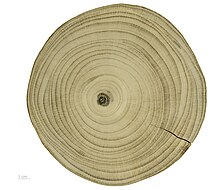
Photo copyright: Jean-Pierre Chéreau & Roger Culos
Ginkgo Biloba, 1815 Gedicht von Johann Wolfgang von Goethe (1749-1832)
- Ginkgo Biloba
- Dieses Baums Blatt, der von Osten
Meinem Garten anvertraut,
Giebt geheimen Sinn zu kosten,
Wie’s den Wissenden erbaut,
- Ist es Ein lebendig Wesen,
Das sich in sich selbst getrennt?
Sind es zwey, die sich erlesen,
Daß man sie als Eines kennt?
- Solche Frage zu erwiedern,
Fand ich wohl den rechten Sinn,
Fühlst du nicht an meinen Liedern,
Daß ich Eins und doppelt bin?
