
More people take to the streets on the 1st of May in Germany. The costs-of-living crisis with high inflation has increased the claims for pay rises for workers and adjusted wages for employees. We all have observed “greedflation”, i.e. excessive company profits in several sectors. Additionally, “shrinkflation” has affected consumers in their daily shopping experience. Political efforts to curb inflation have taken a long time to come about and most initiatives have ended already (Energy sector). This spurred a new drive for trade unions to come out in huge numbers to protest and claim adequate wage increases to cover the increased costs of living. In Germany the DGB informed on the annual 1st of May demonstrations across the country about a strong new entry movement of members of 400.000 persons. It is higher than the loss of members of the large baby boomer cohorts who retire.
Through a broad and engaged membership the pressure on higher wage settlements will persist. Companies have used the crises to generate extra profits. It is only fair that those employees who largely contribute to the success of a company will claim their share as well.
For society as a whole it is important to consider that the discrepancy between managerial pay and shop floor wages do not increase further. The social fabric of societies is in danger if perceived injustices grow. More radical forces can all to easily exploit this causing a severe danger for democracies. Meeting people on the 1st of May and joining forces across sectors and trades ensures that a society continues to build and rely on solidarity. High inflation times are a great reminder of the economic basics of societies in history as well as today. 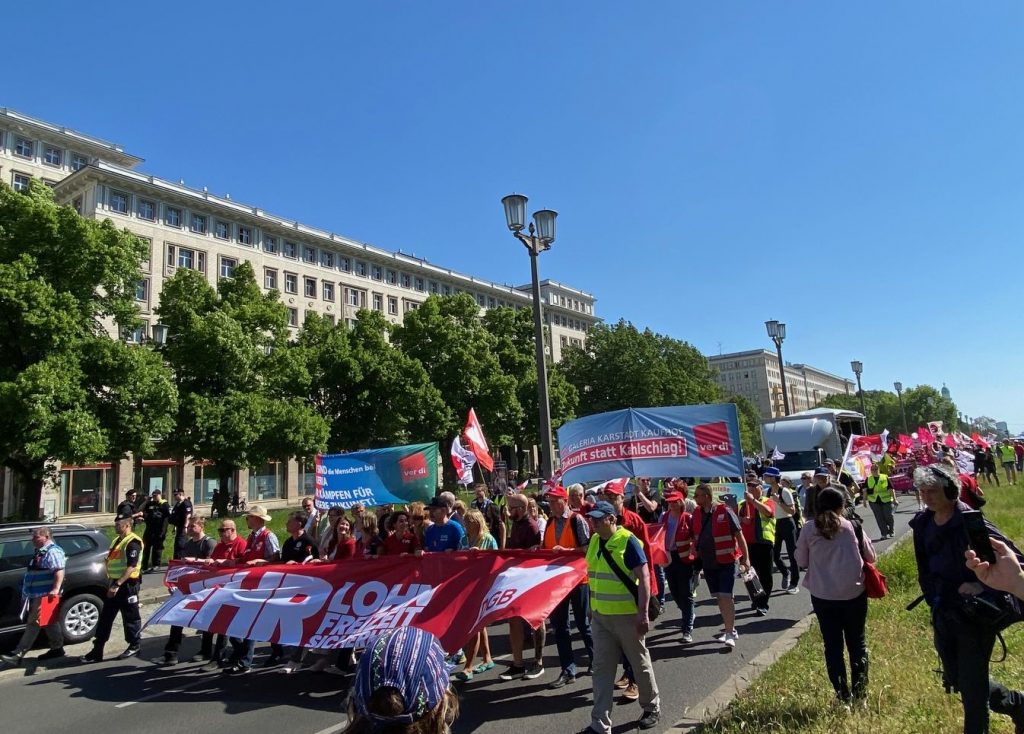
Find Trust
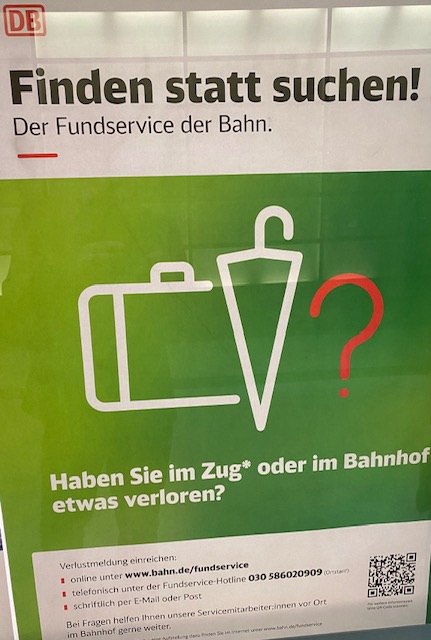
Societies have different levels of trust. Trust in politicians or political institutions has been researched a lot. Another example of trust is related to things lost and found. Losing an item on a train or a mobile phone somewhere are severe tests of the level of trust in a society. How likely is it that the item is going to be found and returned to you. We usually estimate the probability of the return of items as being rather low. The more we are surprised to find out that there are thousands of items found and returned. The Deutsche Bahn has a special service in operation to take care of lost items. Additionally, there are auctions of items found but nobody claimed the ownership of it in the following months. Not giving up on a lost item is the first step to find it again. It would be a nice test whether in high trust societies it is more likely to find something lost. If you have a higher trust that items will be returned you are also more likely to make the effort to claim the item back.
AI Disruption
Many scientists started to question the disruptive potential of AI in, for example, the military’s domain. The Journal of Strategic Studies featured 3 papers on AI and autonomous systems more generally. The major argument by Anthony King is the reliance of autonomous systems on other systems mainly human operators even in the background to get these systems off the ground and maybe back again. Not only logistic support but also satellite communication is needed to guide and protect the operations. In quoting Clausewitz, Anthony King stated that war is a “collision of two living forces”. Strategy and counter-strategy will co-evolve as will attack and defence.
Jackie G. Schneider and Julia Macdonald (2024) advocate the use of autonomous and unmanned systems for their cost effectiveness. Economic costs as well as political costs are lower for these new strategic weapons. Mass fire power from swarms of drones is much cheaper than nuclear warheads and the home electorate is assumed to be more willing to accept and support limited and more precisely targeted unmanned missions. The disruption potential of AI is huge but it is most likely an addition to the arsenals than replacing them. (Image 2 swarms of drones fly in the air above tanks, created by AI – copilot-designer 2024-4-29).
Hospital Bias
Asking people about differences between private and public hospitals, you are most likely getting answers that the private hospitals deliver superior patient outcomes. Whereas private hospitals seem to have a positive stigma attached to them, public hospitals commonly have a negative stigma. Scientific evaluations are helpful to set the record straight again. The study published in “The Lancet Regional Health” in 2024 shows that in the simple descriptive statistics on several patient outcome indicators, this is what the data showed between 2026 and 2019. However, a more precise statistical analysis reveals that there is also a selective admission to the private and public hospitals in England. Using so-called instrumental variables approaches that account for the selection process between admission to the 2 types of hospitals (private versus public) most of the differences between the hospital types disappear. The underlying mechanism is a sorting of different patients into the private or public hospitals. Put in easy words, for a routine intervention people tend to chose the private hospital, but the more rare and difficult operations were more likely admitted to public hospitals. The number of co-morbidities (heart disease) is also of importance as they might negatively affect patient outcomes. Jumping to conclusions and reinforcing stigma about public or private provision of services hinders progress and an equitable provision of services.
The analysis of a potential selection bias can reveal the “creaming” effect of private provision of (health) services. Just caring for the “easy” or routine cases and avoiding the more difficult and costly cases has economic advantages, but for society as a whole the costs overall remain the same. A good public service in health is a definite asset.
(Image: Exposition Isa Genzken 2023 in Neue Nationalgalerie Berlin)

Family Kafka
100 years after Franz Kafka’s death nearly all facets of his life and writings have been analyzed. The archives of the editor Wagenbach and the publishing house have now opened an exhibition at the “Stabi Ost” in Berlin adding a family picture book description of Kafka’s life (Curator Hans-Gerd Koch). This is of interest because Kafka himself had written an extensive letter to his father (Brief an den Vater) in which he tries to understand his intricate relationship with his father and other family members.
Nowadays, some people would try to analyze Kafka’s life through the parapsychological technique of family constellations. The far-reaching and pan-European family networks of the Kafka (father) and Löwy (mother) families were more than just an excellent source of inspiration. 2 younger brothers died in their first year. 3 younger sisters followed more traditional evolutionary patterns within families. The television series on Kafka’s life add to the understanding of his sources of inspiration and “parallel worlds” he created and lived in. The exceptional “fictionalization” of his own life and existence in the spirit of André Breton’s surrealism remains a milestone in the history of literature.
Kafka himself thought he was not really “instagrammable”at the time, but his image has reached and still reaches millions of people (Link to Picture archive). He himself would probably have defended the thesis that the most powerful images are within us. … and they are hard to escape from.
(Image from Exposition in Staatsbibliothek Berlin 2024-4, QR-code links to reading in originals!) 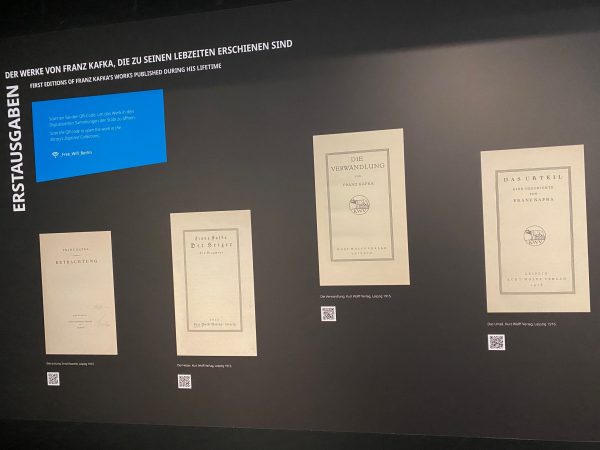
Hannover Fair
The annual science fair at Hannover is a kind of a show of things to touch and of those things that come to the public market in the near future. Most of the annual hype is about potentials of production. Rationalization, using few resources or innovative solutions of digitization are high on the agenda. Create your digital twin, save energy, make production more safe or cyber secured.
Robotics is another reason to visit the fair. Some 7 years ago I had my Sputnik experience there. The robotics company KUKA had demonstrated live the that assembling a car from pre-manufactured components takes just 10 minutes for the robots. Shortly afterwards the whole company was bought by Chinese investors. Roughly 5 years later we are swamped by cars from China. It was not that difficult to predict this at that time. Okay, we need to focus on more value added production and take our workforces (not only) in Europe along on the way. Reclaiming well-paid, unionized jobs in manufacturing, as Joe Biden does, will not be an easy task. Robots and their programming is expensive, but skilled workers, too. Hence, the solution is likely to be robot-assisted manufacturing as a kind of hybrid solution for cost-effective production systems.
Following the proceedings of the 2024 fair we are astonished to realize that visiting the fair is still a rather “physical exercise” walking through the halls. After the Covid-19 shock we expected a lot more “online content”. Instead we keep referring to webpages and newletters rather than virtual visits and tours. The preparation of the visit in advance remains a laborious adventure. However, the in-person networking activities in the industry are largely advanced by ease of exchanging virtual business cards and the “FEMWORX” activities.
This year’s Sputnik moment at Hannover is probably most likely related to the pervasive applications of AI across all areas of the industry and along the whole supply chain. Repairing and recycling have become mainstream activities (www.festo.com). Robotics for learning purposes can also be found to get you started with automating boring household tasks (www.igus.eu).
Visiting Hannover in person still involves lengthy road travel or expensive public transport (DB with ICE). Autonomous driving and ride sharing solutions might be a worthwhile topic for next year’s fair. Last year I thought we would meet in the “metaverse fair” rather than in Hannover 2024. Be prepared for another Sputnik moment next year, maybe.
(Image: Consumer’s Rest by Stiletto, Frank Schreiner, 1983) 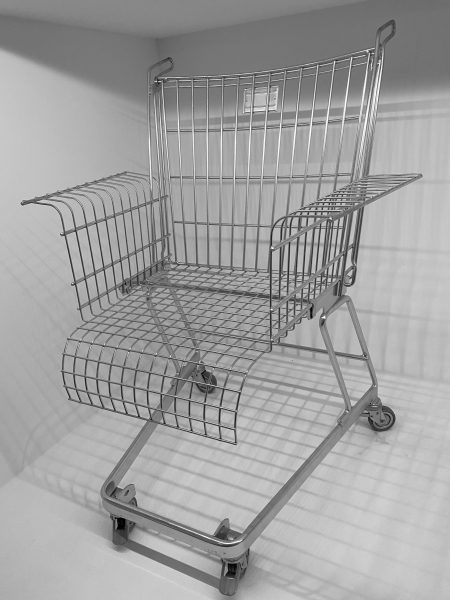
Digital Estonia
The progress of Estonia in going digital is quite advanced. The electronic identity card which allows data to be linked to health data and accounts or banking gives an impression of how far-reaching digitalization may go. Great steps have been taken to guide the population on the way to move towards the digital (only) world. Learning and coaching of a huge amount need to take place so that people do not abandon or get lost on the path towards “everything digital”. For the so-called digital natives, who have grown up with the sound of their smartphone at the bedside all the time, this move feels “natural”. Some experienced or silver workers got on track, if they were accompanied in suitable forms. The 65+ population might find it harder to adapt to the permanent use of digital devices for not only getting around in your city, but also to do your tax declaration, pay your dues and vote in elections.
Digitalization is not a goal in itself. It has advantages to reach communities in remote places or islands, but it might alienate older persons that have no other person around to assist them in the digital only world. An easy way to get some social science data to inform the debate is to refer to Eurostat and the surveys with information about the “overall life satisfaction” of people (EU-SILC). Checking for some major countries of the EU and neighbours of Estonia with less digitalization the differences are rather small. In terms of overall life satisfaction (16+ years old) Estonia has been catching up to the EU-average mainly between 2013 and 2021. Since then, stagnation at the EU-average is what the data tell. A quick testing of the hypothesis that the older persons (65+) might not see the past evolution as rosy is reflected in the EU-data as well. Good pensions seem to drive the “happiness” of older persons in the EU more than good digitalization. Eventually the two features of a society will have to go hand in hand to improve life satisfaction to higher levels. (Image: Data Eurostat EU-SILC Life satisfaction 65+, selected countries 2013-2023, retrieved on 2024-4-23, comparison with table all ages here, Data source)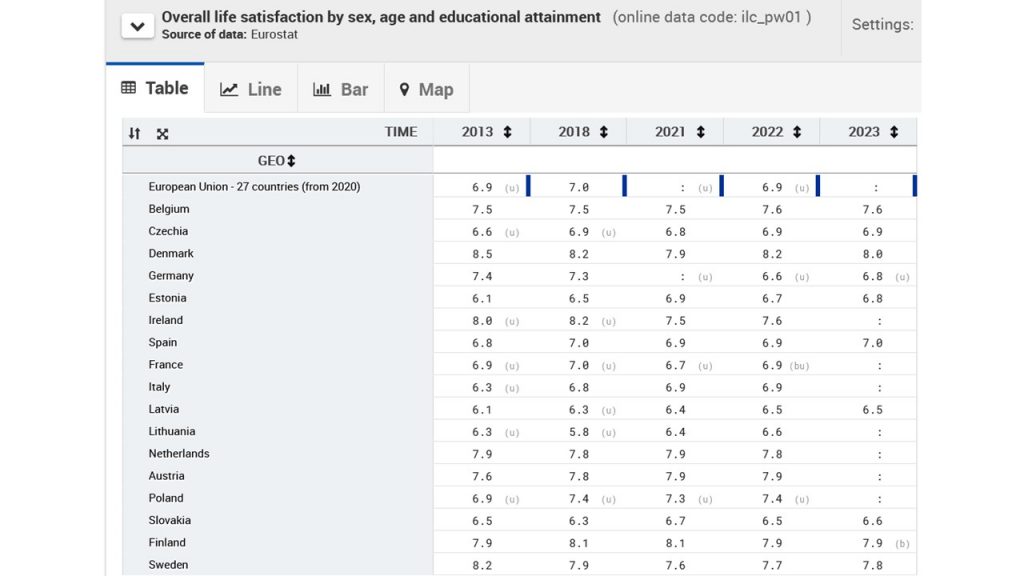
Opera Politics
We know that sports and international politics have ample links. This holds true for Opera performances, either due to the way they are presented or due to the content of the libretto. The opera Jeanne d’Arc (Giovanna de Arco, Jungfrau von Orléans) by Guiseppe Verdi was composed in 1844 and had its Premiere at La Scala in Milano 1845. The libretto is based on the drama written by the playwriter Friedrich Schiller. Later in the 19th century musical pieces followed that dealt with the court judging Jeanne d’Arc. The opera by Verdi creates a strong female voice and character which outperforms men around her. Obviously, she was and remains for many a quasi-mythological heroine. In short, this constitutes great plots for drama and operas. This is centuries old despite the rare occasions of more recent performances of Jeanne d’Arc in form of Verdi’s opera or other forms.
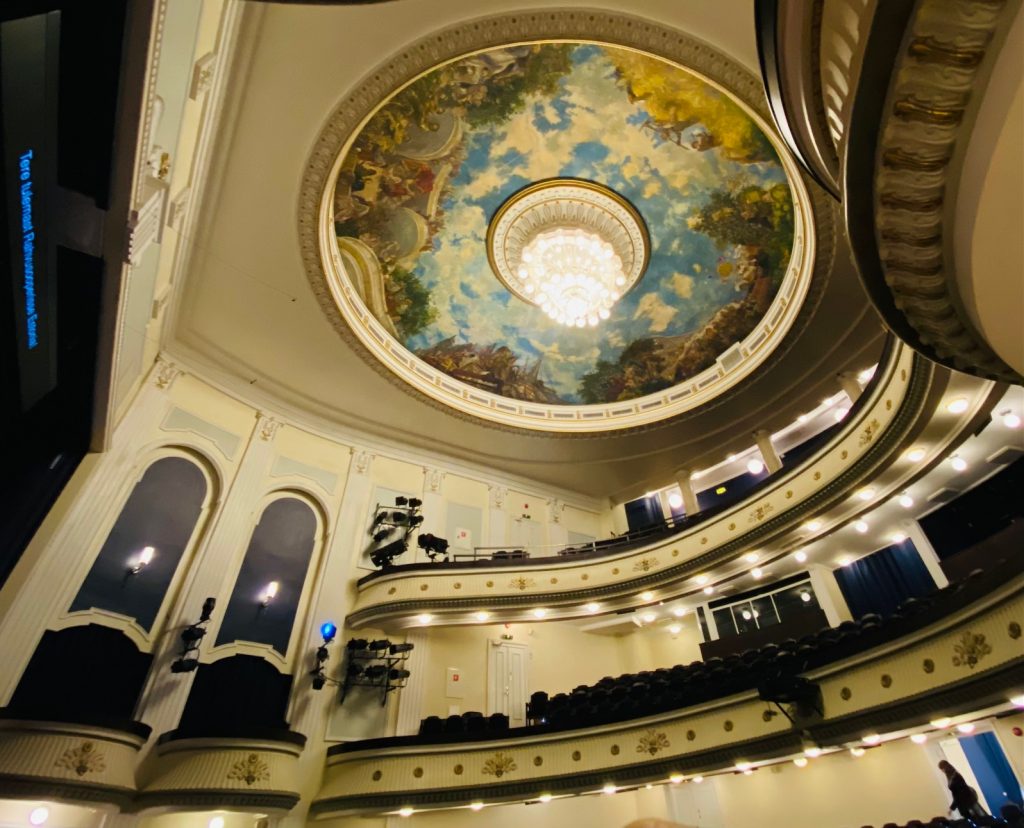
The Opera as arena of politics is currently tested in the Opera at Tallinn Estonia. Due to the aggression and occupation of Ukranian territory by Russia the plot of Jeanne d’Arc regained another European location of potential application. Ukraine pushed back the Russian invasion and struggles to win back its territory from the invaders. The performance of the Opera recreates an impressive Jeanne d’Arc in the person of Elena Brazhnyk who was trained at the National Tchaikovsky Music Academy of Ukraine. The evening inspired hope in many respects. Talents from Ukraine or trained in Ukraine reach out into to the world. Similarly, we have much reason to be inspired by courageous acts. Operas do politics. “Bravi”, as they say in Italian.
(Image: Opera Tallinn-Estonia2024-4-18)
Electricity
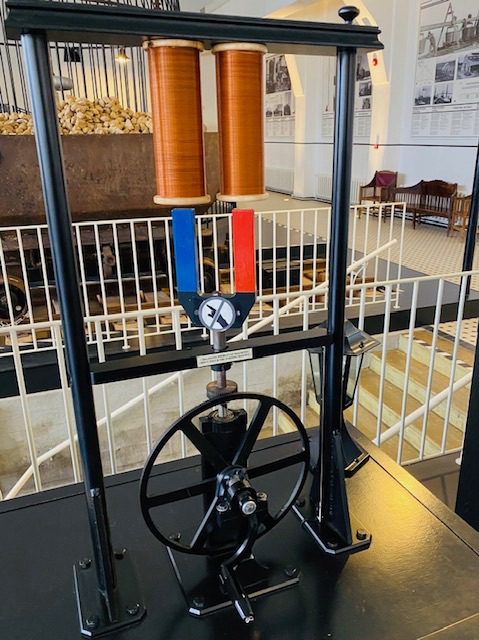
We all use electricity, not only daily but continuously. But do we really know or remember how it works? Surprisingly, we care very little about the energy provision or the physics behind it. Therefore, from time to time it is useful to dive into the details of generating electricity and thereby energy and how it arrives at our doorsteps or desks. In science museums you can literally walk through the history of power generation. A fine example is the Energy Discovery Centre in Tallinn, Estonia. Even for those you did all at school turning the handles of generators is a playful reminder of the basic principles of electric power generation. The efficient use of it, is a topic that needs to be covered as well. Searching the web for demonstration videos is fine as well, but the physical activity of moving induction coils and releasing sparks is difficult to rival. Opening up your mind for the physics of our lives yields a better grip on the challenges of electricity grids and local production of electricity. Are you already a prosumer? Combining electricity production and consumption in one household is surely a forward-looking strategy. Raising awareness for these topics concerns all generations. Take time for a power play, it is truly enlightening. For teaching professionals or want to be there are exciting programs out there, too. Just one suggestion for 2024 in Colorado, US.
Schachliteratur
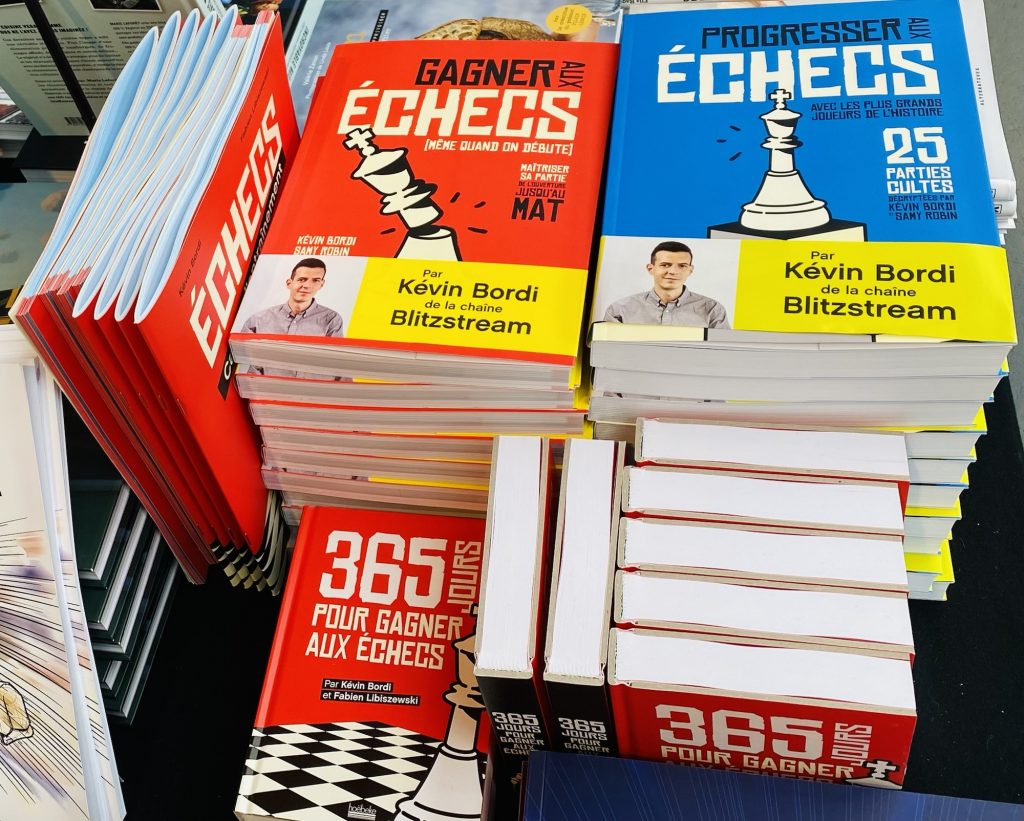
Es gibt sie noch, die Personen, die Schachbücher lesen und kaufen. In vielen Sprachen existiert die Niche der heimlichen Strategen. „Teaching old dogs new tricks“ oder ist es eher „teaching young dogs old tricks“. Das ist eine empirische Frage. Nicht nur Zeitungen für sogenannte BildungsbürgerInnen haben noch kleine Spalten zumeist mit Schachproblemen. Manchmal findet sich Schachspielen sogar als Schulfach. Lesestoff zum Schachspiel findet sich reichlich. Schach in der Literatur ist jedoch verschieden von der Schachliteratur, die sich mit Strategien und Tempi befasst.
Das Lesen von Schachliteratur mit Meisterpartien hervorragender Spielenden ist vergleichbar dem Lesen einer Partitur einer Symphonie oder Oper. Das Kino spielt sich dabei überwiegend im Kopf ab. Gelegentliche unvermittelte Gesten oder Ah-laute sollten den Spielenden ihrer Verzückung wegen entschuldigt werden. Vielleicht sollten die Schulen diese Kulturtechniken mehr vermitteln. Macron‘s Vorschlag Theaterspielen mehr in den Schulen zu vermitteln erscheint in diesem Vergleich als ein Entgegenkommen an die „Generation der sich ständig selbst inszenierenden“. Mehr Spielen ist aber schon mal ein wegweisender Vorschlag.
AI Travel
Playing around with AI it is nice to test take fun examples. Image you want to plan a vacation, then the use of AI is ready to suggest to you a couple of things to do. Of course, AI is eager to propose travelling services like transport or accommodation to you where it is likely to earn some commissions. So far, the use of the “Vacation Planer of Microsoft’s BING Copilot” is free of charge. In entering the time period and a region as well as some basic activities you’ll receive suggestions with quotes on the sources (webpages of public services from tourist offices mostly). It seems like trustworthy sources and the suggestions of D-Day activities in Normandy is a positive surprise to me. These are popular activities which attract huge international crowds every year.
Thinking further on the potentials it becomes evident that travel suggestions will be biased to those paying for ranking higher on the algorithms selection criteria, which are not disclosed. Entering into the chat with the AI you and AI can target more precisely locations and also hotels etc. You are disclosing more of your own preferences in the easy-going chat and probably next time you will be surprised to be recommended the same activities at another location again.
So far, I have bought travel guides or literature about locations to prepare vacations. This is likely to change. I complement my traditional search or planning with the “surprises” from AI for travelling. I rediscovered, for example, the public service of tourist offices and their publications ahead of the travel rather than the leaflets at the local tourist office. In order to plan ahead there is value in the augmented search and compilation capacities of AI. Drafting a letter in foreign languages is also no problem for AI. The evaluation of the usefulness of AI, however, can only be answered after the vacation. Outdated info or databases have a huge potential to spoil the fun parts as well. 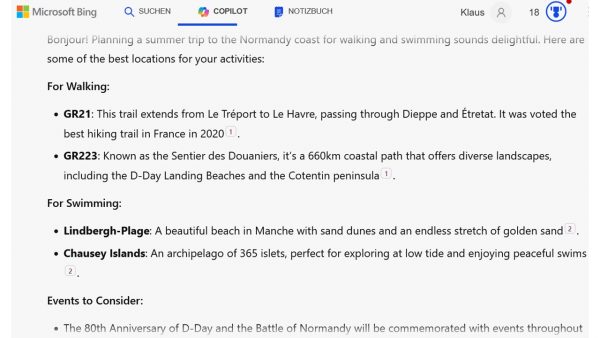
Theory Literature
There still is a lively debate at the margins of literature and the commerce around it about theories of literature. Even if the best of years of theories about literature have passed, in 2024 we see several revivals of theoretical perspectives on literature. Travelling in Europe we celebrate, for example, the 100 years of Belgian and international surrealism in Brussels. The French artist and theorist André Breton was preparing in his thoughts the art and literature of surrealist inspiration. Of course, we think of Magritte as one of the eminent figures of the painted surrealism. Franz Kafka, who died relatively young in 1924, was the author in the spirit of the surrealist movement. The powerful impact of literary theory and theory of art to form communities of practice have had lasting effects, which fascinates large audiences in 2024. Exhibitions across Europe reflect the importance of these art movements to understand European culture, inspirations and aspirations.
Not least through this revival of the surrealist artists in the broadest sense we are returning to a more theory-driven view of literature a bit like 100 years ago. I find it remarkable to read in “Le Monde Livre” of 2024-4-12 the article on “Défense de la théorie” by Tiphaine Smoyault (p.8 see quote below) with a comment on the book by Florent Coste on the usefulness of a theory of literature to understand the world around us. Reworking of language is the contemporary concern of literature: pluri-linguistic experiences, re-discovering oral performances, irony in language and digging into archives are the major strands of contemporary literature. Theory of literature reflects on the past and allows to synthesize the present. For some it also enables to project into the near future of what is going to be published. In any case the theory of literature provides orientation in a huge ocean of published oeuvres. Writing or painting with ideas ahead of your time has been a painful experience for most of these artists. Some artists or authors are lucky to become famous during their lifetime, but lots have struggled for years or never learned that their contributions advanced humanity for more than a hundred years. 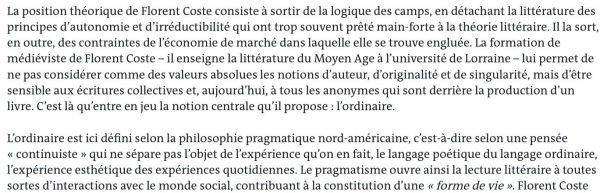
Citizens Gardens
There are multiple ways to link citizens to gardens. Most people would link citizens to the property of their own garden. This is more the perspective of people from the countryside. The aim of citizens who can afford it have a garden, many others wish to have one and all of them enjoy public garden spaces. An intermediate version of the public versus private property of citizens’ garden is the joint ownership of groups of like-minded people to work together in the shared property or rented garden space. The recreational and health effects are well documented, if care is exercised with utensils etc. Spring is the ideal time to join projects again as the results of a little bit of gardening will be visible and enjoyable for several months afterwards. Gardens are also meeting points for people of all walks of life as in the vicinity of the European Parliament in Brussels. The Citizens’ Garden has a different function to people gardening there. When you puzzled about Europe after a visit to the Parliament or the Museum of the History of Europe, then it is time for a stroll and relax in the garden nearby.
Alternatively, the Exhibition Centre of Tour & Taxis in Brussels not too far away from the North train station has an impressive indoor garden for the times of rough weather conditions. At the time of the book fair culture in the indoor garden made a splendid combination. There is a green version of Europe. It is like a small plant. It needs a lot of time and care to grow. 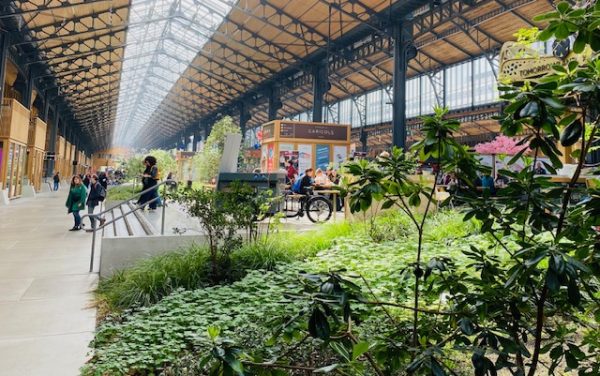
Heroines
In youth we are open for a wide range of influences. Heroines in children’s literature, picture book or cartoons look back on a long history as successful influencers. Creation, transmission and criticism of stereotypes are all part of the scientific reflection on heroines and heros. Nowadays, influencers have taken over picture books through the use of more compelling videos.
In the 1950s,1960s and 1970s picture books or cartoons dominated the influences before mass media like television became more absorbing, addictive and powerful influencers. Children’s books are passed on from one generation to next generation. The French-speaking world (and beyond BBC reference) has witnessed the success of the illustrated booklets of the young “Caroline” (Hachette) and “Martine” (Casterman) exploring the world. Parents passed on their collection to children and had their own parents read the stories to their grand children.
Well, that’s how intergenerational transmission of cultural heritage has worked for a long time. It describes the basic social mechanism. Nevertheless, new forms of influencing emerged with new technologies. Successful illustrated narratives like “Caroline” and “Martine“ were adapted as television series as well. In France you could chose your side of either explorations with Caroline and her group of animals or the adventures of Martine.
Ideally it would be an occasion for the families and friends to discuss pros and cons of each character and, thereby, become aware of what is a stereotype, at least at a later stage of the life course. Gender stereotypes have evolved and to observe 2 boys colouring Martine images in public (Brussels book fair 2024, image below) was a positive surprise. It almost felt like a real world experience of the AI-enabled Barbie explorations. 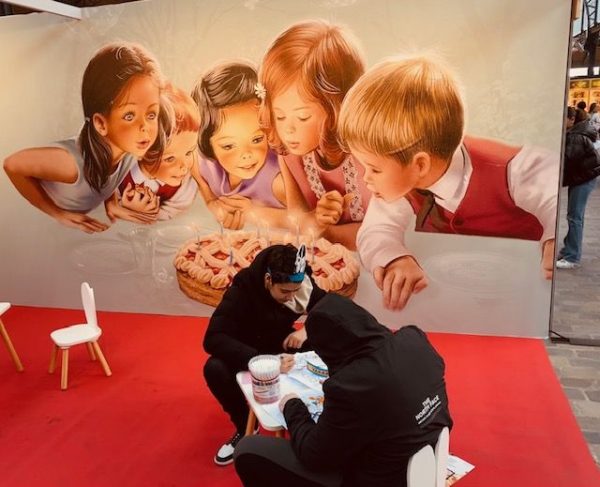
Surrealist 100
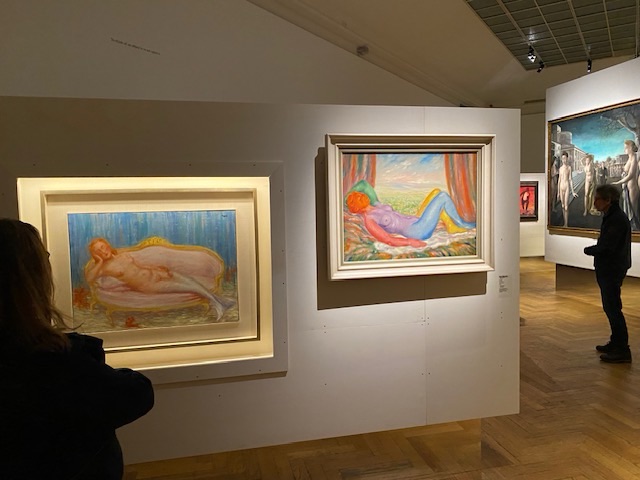
Belgium celebrates 100 years of surrealism with a special exhibition in Brussels at Bozar in 2024. The arts movement has much more to offer than just paintings from Magritte. Many other painters and intellectuals that were instrumental to create and perpetuate the movement are represented there. The French philosopher Breton as spiritus rector of the movement contributed innovative ideas and challenged the artists to do further and further on their journey to explore freedom of expression and freedom of association. The exhibition is centered around the surrealist idea to explore the association of words and images. This time the words are on the walls of the rooms and the images put up in the rooms as kind of obstacles on your journey. Keep challenging, keep questioning the sense of things and our imagination. The journey goes on and there are many artists who are still influenced by surrealism, for example Folon. The texts and images take you along on the journey into the surrealists’ world. If you want to challenge your own way to see things and the associative world, this is the place or catalog to refer to.
AI and languages
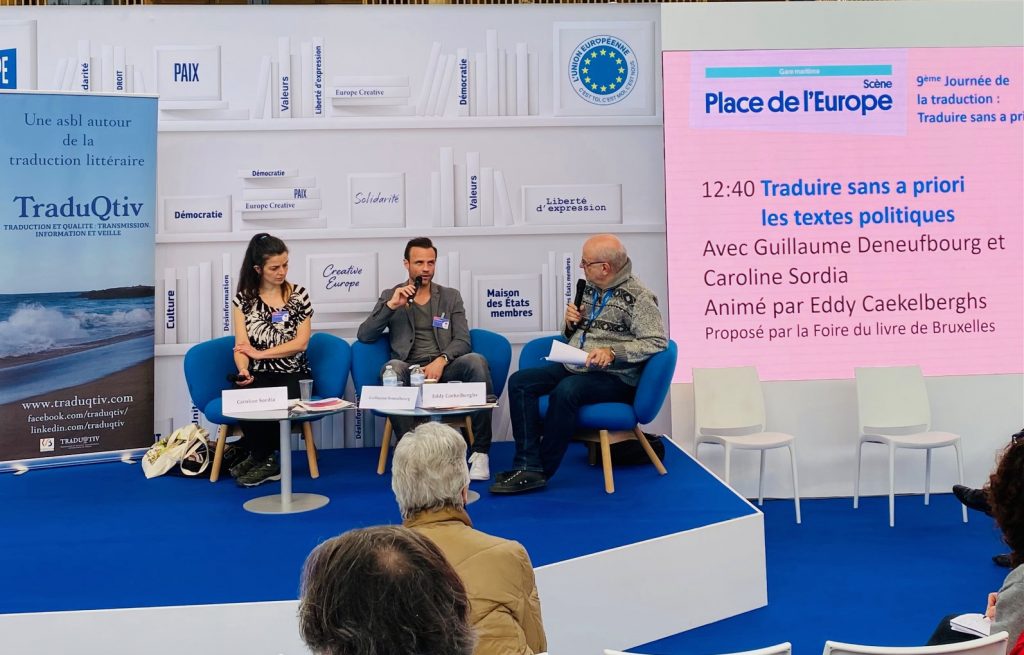
A big potential of AI is in the field of languages. Translations have been an expert domain and a pain for pupils at school. In professional settings translations are an expensive extra service for some or a good source of revenue. AI has shifted the translation game to a new level. In terms of speed of translating large amounts of written text AI is hard to beat. In terms of quality the battle of translaters against AI is still on. For chess players the battle against AI has been lost some years ago already. It remains an open question whether translators can still outperform AI or just adapt to using the technology themselves to improve both speed and quality of translations. The European Union with its many languages and commitment to cultural diversity can serve even more language communities with documents in their own language than before at marginally higher costs. A panel on the 9th day of translations at the „foire du livre de Bruxelles” 2024 expressed their reservations with regard to the use of AI in translation of political text or speech. Misunderstanding and misinterpretation will be the rule rather than the exception with potentially harmful consequences. Checking the correctness of translations is a permanent challenge for translators and can be very time consuming. There is room for an AI-assisted translation, but similar to other fields of application of AI, relying exclusively on AI bears high risks as well. We should not underestimate the creative part of translators to do full justice to a text or speech.
Wage Minimum
A wage at a minimum level is frequently lower than the minimum wage. Most EU countries have a legal minimum wage that should protect against poverty risks at low levels of wages. Over decades it has not yet been possible to raise all low wages to this level. Le Monde (Béatrice Madeline et Aline Leclerc) has published on April 3rd a comprehensive analysis of sectors and people concerned with this difficulty to make a decent living while earning the minimum wage. In France (La désmicardisation), as in many other countries, it is difficult to earn just a bit more as the minimum wage because both employers and employees may lose social benefits if they just earn some hundred € more than the legal minimum wage. For all those persons who do receive only a wage even below the minimum wage getting stuck in a poverty trap is very likely. The number of working hours is then often is the only option to make ends meet your needs. Put bluntly, you work additional hours and/or take a second job to complement the lack of earning a wage at the minimum level. Public procurement that makes the application of the minimum wage compulsory and controls this application effectively benefits society as a whole. Lots of infrastructure projects, urban and rural development receive public support. The conditionality to pay the minimum wage + X should be a „conditio sine qua non“. The millions of workers at the lower end of the wage distribution have a power at the ballot box, which continues to be underestimated in many European countries. The EP elections on June 9th will probably alert us about the lack of faith in a bettering of living and working conditions of those persons coping with wage minima.
Architecture Berlin
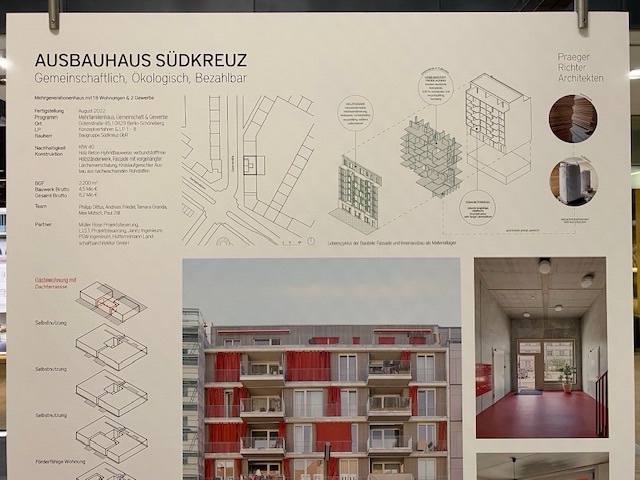
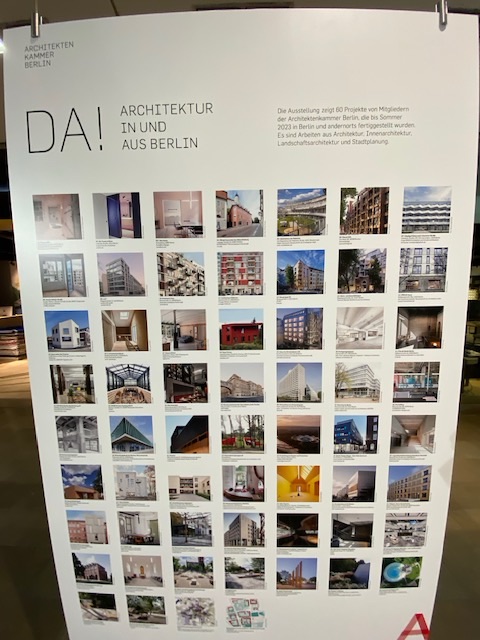
The annual exhibition of completed architecture projects in Berlin attracts people beyond the narrow circles of architects. You may take a walk through Berlin to view the actual realizations in 3D or 4D with people living, working or moving in these buildings. As social scientists we like talking or interviewing these people about their experiences. Urban planning and participation in urban development is important for city development in a democratic fashion. The combination of social, ecological, economic and technological concerns find compromises in urban renewal. The range of activities is remarkable. Living spaces have the most entries in the exhibition followed by offices and trade spaces. Education as well as public open spaces raise a lot of interest and funding currently. Climate change and adaptation to limited ecological resources ask for innovative solutions as well. Most projects in Berlin or by Berlin based architects deliver in this respect. The socio-ecological change needs a lot of actors to implement such changes and meet unprecedented challenges. The 60 projects represented for 2023 are the top of the iceberg but a lot remains to be accomplished in repairing old buildings and infrastructure as well. The DA! exhibition provides a democratic transparency of projects, which allows the public to learn about innovation and to make more informed judgments about what architecture can deliver for society.
Cinema D
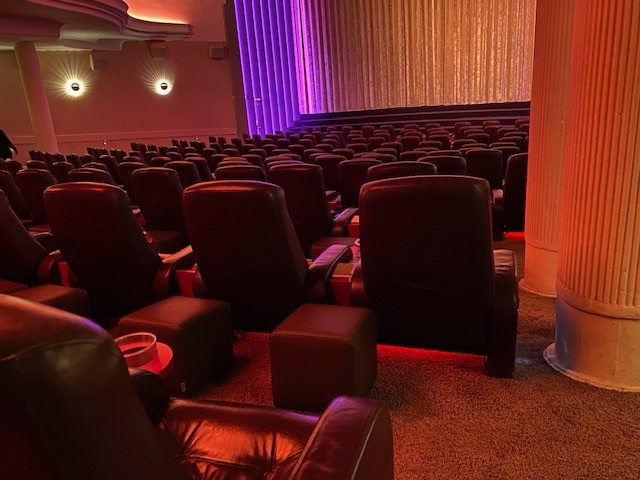
In terms of statistics cinemas are almost back to the pre Covid levels of spectators. The sector is worth in Germany close to 1 billion € in 2023. The price level has risen as well but many cinemas have upgraded their cinema experience as well in terms of comfort, audio and visual quality. Traditional houses provide chairs that compare well with home comfort and for a little more you can put up your feet as well after a long workday. Drinks and food may be served directly at your seats so the time to relax is guaranteed. However, this depends a lot on what type of movie you have chosen. The movie industry has adapted to modern technology and comfort. The turnover of a movie theatre is supported a lot by the consumption of beverages on site and they make huge efforts to prolong the visit beyond the screening of the movie. The competition for the time and money of the consumer is intense. The quality of the whole experience will determine the survival of the cinema. It is worth much more than a second best solution for rainy days or the cold season.
Fertility Growth
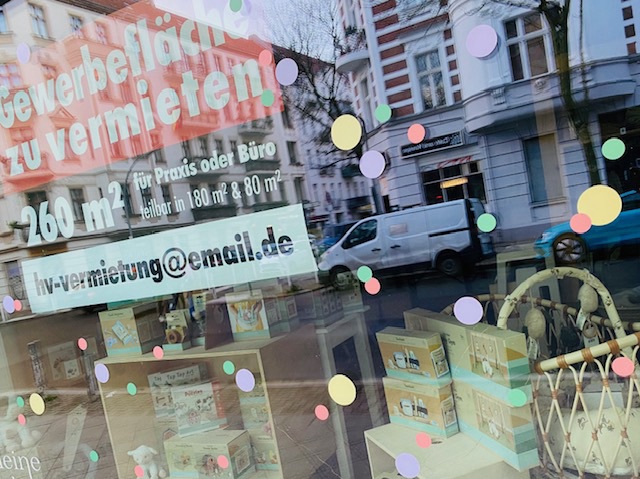
The first association of fertility and growth is likely the growing of fertility rates in a country or region. Only macro economists associate the growth or decline of fertility with the macroeconomic consequences of more or less economic growth. Countries with higher fertility rates in most cases have higher growth rates as parents spend more on food, clothes, mobility and education. Accommodations are changed, adapted and refurbished. Estimates of increased consumption per child by economists range from 500.000 to almost 1 million in the highest developed countries. Children are a country’s wealth, but they also cost a fortune in monetary terms. Good news for the economy if families keep spending independent of economic cycles. More children keeps dedicated shops running or even a whole sector of the economy. In recessions the downward pressure in this sector becomes an additional challenge not only for the families but with ripples-on effects for the whole economy and society. If you see shops closing which has sold furniture for children for the last 15 years then the realization of an economic downturn becomes also more real. Sometimes the parallels in the news of declining fertility and increases in pensions do not square well with the fitness for the future or the future orientation of a society. Democratic voting rights that give families more weight in elections could change this. It is not yet on the political agenda.
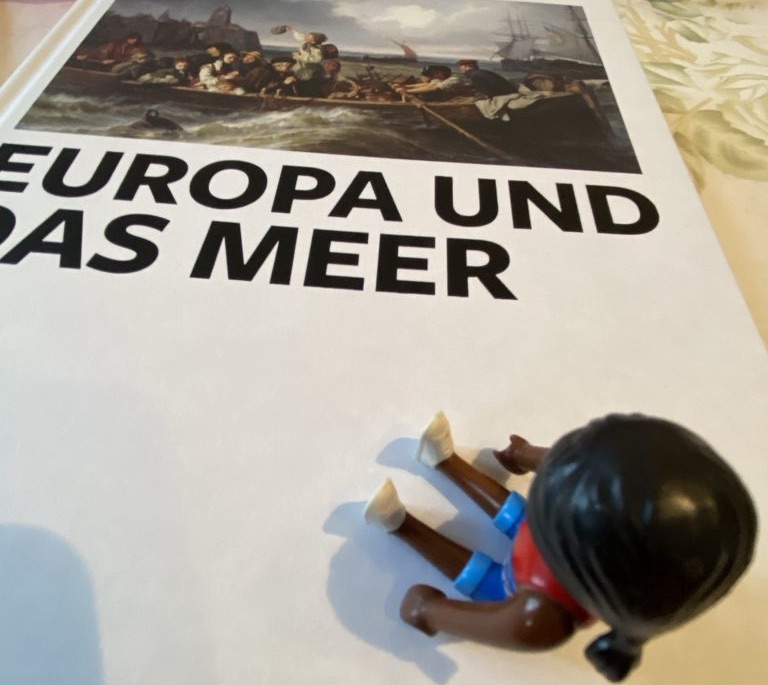
Mehr vom Meer
Wir sollten uns mehr um das Meer kümmern. Länder ohne Küsten finden meistens wenig Gründe, warum sie sich um das Meer bemühen sollten. Es ist doch so weit weg. Weit gefehlt. Erderwärmung erhöht die Meerestemperaturen und das wiederum beeinflusst massgeblich die Regenfälle im Inneren der Kontinente. Wir sitzen buchstäblich alle zusammen in einem Boot. Historisch betrachtet war das Meer mindestens seit der Antike Teil des machtpolitischen Kalküls der Beherrschung der Welt und der sie Bewohnenden. Wirtschaftliche Interessen waren ebenfalls Bestandteil der Erkundung und Eroberung des Meeresraums. Die Hansestädte in Europa bieten dazu noch heute gute Beispiele. Nach dem Sklavenhandel sind heute die Überseekabel und Rohstoffe des Meeres die begehrten Schätze des Meeres. Der Artenreichtum der Tiefsee wird erst seit kurzer Zeit intensiver erforscht. Externalisieren von Kosten des Umweltschutzes zu Lasten unserer Meere hat noch wenig Berücksichtigung in Wirtschaft und Gesellschaft gefunden. Tourismus- und Migrationsströme zum Meer, auf dem Meer und über das Meer stellen uns vor große Herausforderungen. Wir werden sicherlich mehr über das Meer reden müssen, und das ist keine Mär. Image aus „Europa und das Meer“ (DHM).
Russian Angst
The title of a book “Russian Angst” by Thomas Franke summarizes the state of Russian society under Putin. It dates back to 2017, but the underlying process of Angst in the Russian society is increasing rather than diminishing due to the already 2 years long intensive hot war of Russia against Ukraine. The Russian Angst is a fear of a continued roll back of its authoritarian rule in Eastern parts of the world and its internal threat that its own people will claim more rights like freedom of speech, freedom of the press and effective democratic voting rights. In a dictatorship the “Angst” is a pervasive phenomenon which creeps into all spheres of live. Franke and Dornblüth (2023) describe the toxic society in Russia. Intoxication and torture of opponents are used by the Putin regime as a threat to suppress critical voices in Russia. Through this a climate of “Angst” is spread so that any internal opposition has to face very high risks to utter any discontent. The experience of a barbarian, totalitarian regime is well known. The threat to life and the presence of intimidation to any disobedient behaviour are strictly persecuted. Nevertheless, the need to think beyond the Putin regime is well under way. The more external and internal, real or imagined threats are countered with brutal force, the more the regime reveals its true kind of governance by force. This invites and leads to the strengthening of counter forces both internally and externally. It seems like box fight in the before last round of a very vulnerable, weakened and isolated boxer. Not many will bet on the likely loser and more countries who previously supported Putin will stop their erroneous policy. Russian Angst and loneliness will further increase. 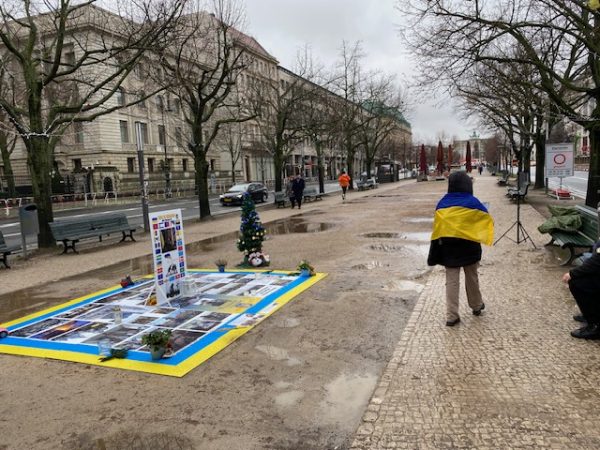
Fertility BPS-SPB
Fertility is another example of the co-determination of the biological, psychological and societal spheres of life. The latest available data for Germany and Sweden in 2023 show a remarkable decline of 10% in the seasonally adjusted Total Fertility Rate (TFR) in both countries (Bujard, Andersson 2024). The TFR was at 1.3 in Germany and 1.5 in Sweden. This means both countries are well below their population replacement rate. In both countries the populations will shrink further. There are no easy answers to the question: why?
The co-determination of the biological, psychological and societal spheres of life seems to be combined driving force. The biological clocks are ticking for women who delayed birth. Maybe pollution of drinking water or PFAS, nanoparticles of plastics disturb fertility. Psychological reasons such as increased anxieties due to the Covid-19 pandemic, lock downs or closed schools have left parents without adequate support for 2 years. Isolation or loneliness could have delayed partnerships and fertility as a consequence. The social environment has also provided additional uncertainty as the cost of living has risen and affordable housing for families is scarce in both countries.
We have probably underestimated the effects of the “Zeitenwende” on people’s mind sets. Sweden has suddenly sought to join NATO to achieve a broader military safety net for its people. In Germany the experience of damages due to war or as a consequence of Russian occupied territory is very present in people’s mind. The war of Russia in Ukraine may have increased uncertainties, anxieties beyond the immediate effects of higher living costs, interest rates or prices for energy. At best fertility might only be delayed for some years, but the consequences of shrinking populations need to be taken seriously. Making societies more welcoming for children and their parents is part of the solution. 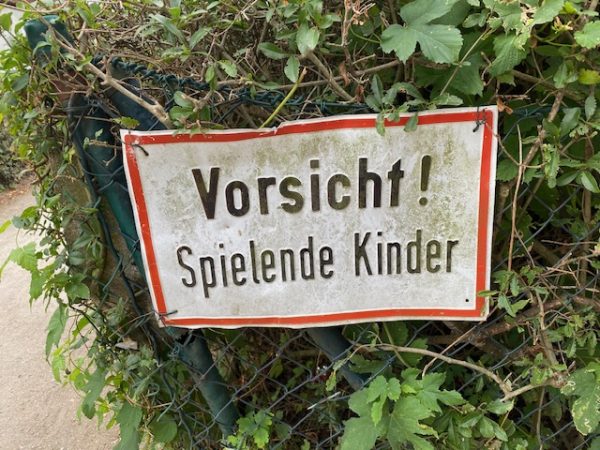
AI and dialect
The training of Large Language Models (LLM) uses large data sets to learn about conventions of which words are combined with each other and which ones are less frequently employed in conjunction. Therefore, it does not really come as a surprise that training which uses standardised languages of American English might not be as valid for applications that receive input from minority languages or dialects. The study forthcoming in the field of Computer science and Language by Hofmann et al. (Link) provides evidence of the systematic bias against African American dialects in these models. Dialect prejudice remains a major concern in AI, just like in the day-to-day experiences of many people speaking a dialect. The study highlights that dialect speakers are more likely to be assigned less prestigious jobs if AI is used to sort applicants. Similarly, criminal sentences will harsher for speakers of African American. Even the more frequent attribution of death sentences for dialect speakers was evidenced.
If we translate this evidence to wide-spread applications of AI in the workplace, we realise that there are severe issues to resolve. The European Trade Union Congress (ETUC) has flagged the issue for some time (Link) and made recommendations of how to address these shortcomings. Human control and co-determination by employees are crucial in these applications to the world of work and employment. The need to justify decision-making concerning hiring and firing limit discrimination in the work place. This needs to be preserved in the 21st century collaborating with AI. The language barriers like dialects or multiple official languages in a country ask for a reconsideration of AI to avoid discrimination. Legal systems have to clarify the responsibilities of AI applications before too much harm has been caused.
There are huge potentials of AI as well in the preservation of dialects or interacting in a dialect. The cultural diversity may be preserved more easily, but discriminatory practices have to be eliminated from the basis of these models otherwise they become a severe legal risk for people, companies or public services who apply these large language models without careful scrutiny.
(Image AI BING Designer: 3 robots are in an office. 2 wear suits. 1 wears folklore dress. All speak to each other in a meeting. Cartoon-like style in futuristic setting) 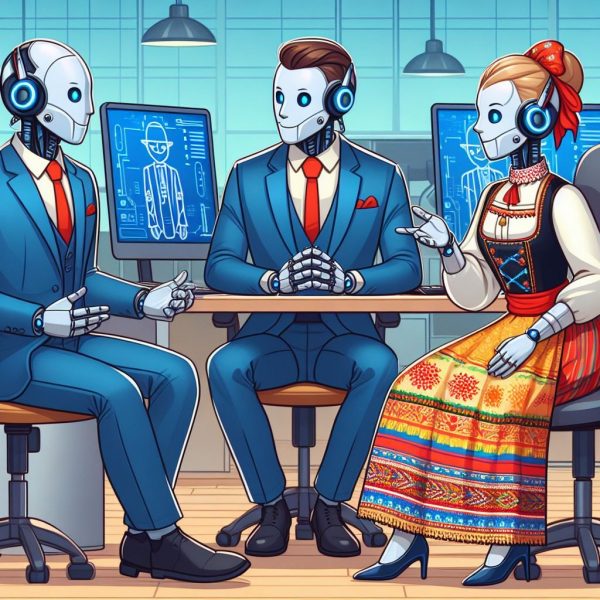
Need of War
It seems like a horrific idea to talk about the need of war. We might have deemed it outdated to read about the terrible love of war or about the strategy of war. However, the time of war is back in Europe and Eastern Europe feels the real threat and Ukraine the bombs hailing from Russia. Why does Putin love war? The love of war is largely driven by domestic issues. Staying in power for unliked authoritarian leaders is easiest if they indulge in external conflicts. Dictators love war because it makes it easier for them to sustain leadership through brutal force within the country due to a proclaimed external threat or even outright engagement in war. Democratically elected leaders know that they will leave office eventually in a peaceful way (exceptions like Trump are rare). Dictators use any force or terror necessary to stay in power. The love of war is part of this.
Hence, the need of war goes without questioning, if a country in decline or at risk of decline tries to uphold an inefficient, belligerent regime. Beyond rational reasons, such regimes will abuse ideation about national pride, the national interest and anything pertaining to some supposed myths of nationhood to justify its need of war. The dictators have all failed eventually as resistance against this need of useless war is found out by enemies either within or externally. But thousands or millions of victims will suffer. The pressure against the need of war has to rise internally from opposition as well as from alliances of democracies that do not need war to motivate their people to achieve the best they are able to deliver.
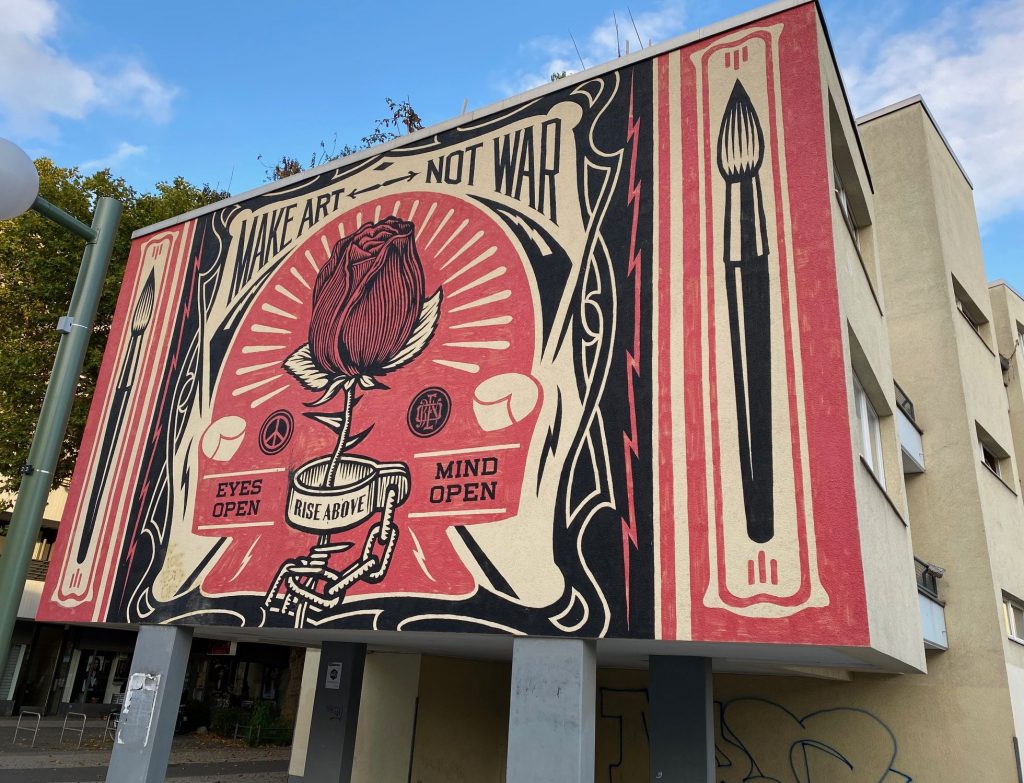
Therefore, the defence of democratic rule is, at the same time, a fight against the need of war by some doomed regimes. After winning the war comes the difficult task of winning peace. This means to create a state of affairs and a state of mind that can do without the need of war. If the external threat diminishes the internal threats might rise and have to be contained as well. Lots of challenges, even for mature democracies. (Image: Berlin 2022-10)
Magritte Symbol
“People always search for symbols in my works. There are none.” For those familiar with the work of Magritte, they know that he means precisely the opposite of what he is stating there. He applies well-known symbols like the white pigeon representing peace in his paintings to represent and make us think about peace. The image becomes surreal in the sense that we go beyond the real world of violence and war to lift our attention to the other surreal version of the world as it currently appears to us.
In times of war, it is more difficult to image a peaceful world and yet, this is the time we need to believe in the possibility of peace beyond the reality of aggression. In 1966 Magritte has painted “L’oiseau de ciel”, the year the peace movements became more than a surreal dream across the world. It remains a challenge to think beyond the cold war at the time and the hot war initiated by Russia in Ukraine. Surrealism helps us to think beyond the real state of affairs.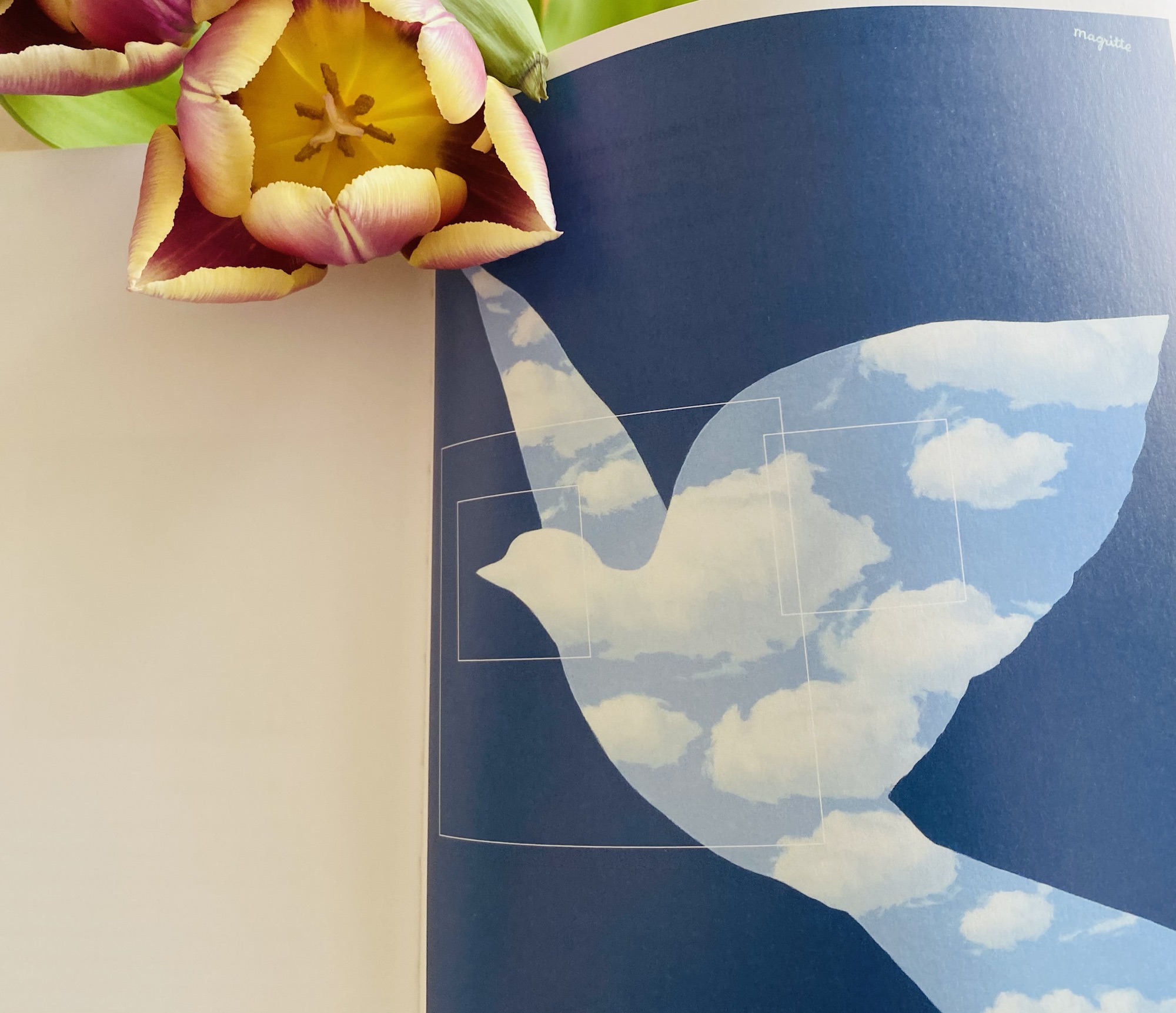
In Magritte’s own biography the “dove of peace” occurs towards the end of his own life. Whereas at the onset of his career as painter he dealt with depression and suicide in his family, towards the end of his career he moves beyond the autobiographical topics. Globally valid symbols gain the upper hand. The life course seems to have come full circle.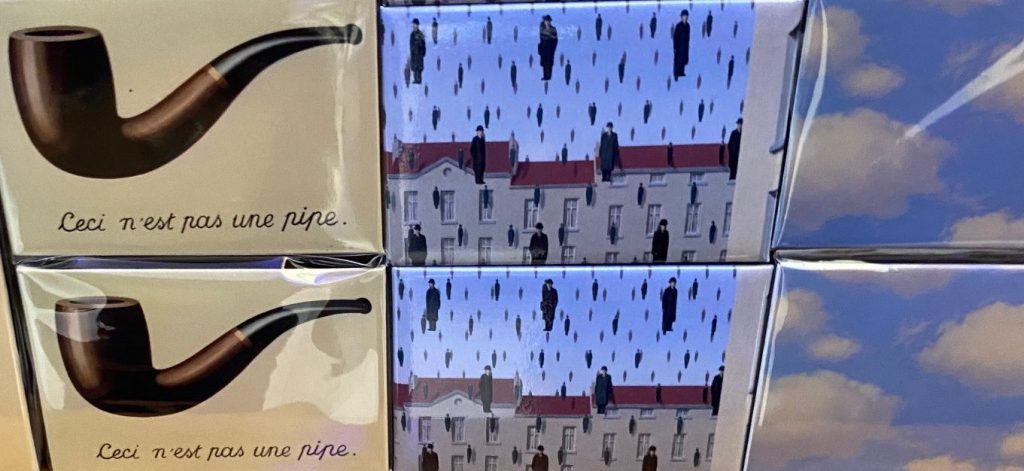
Corruption Watch
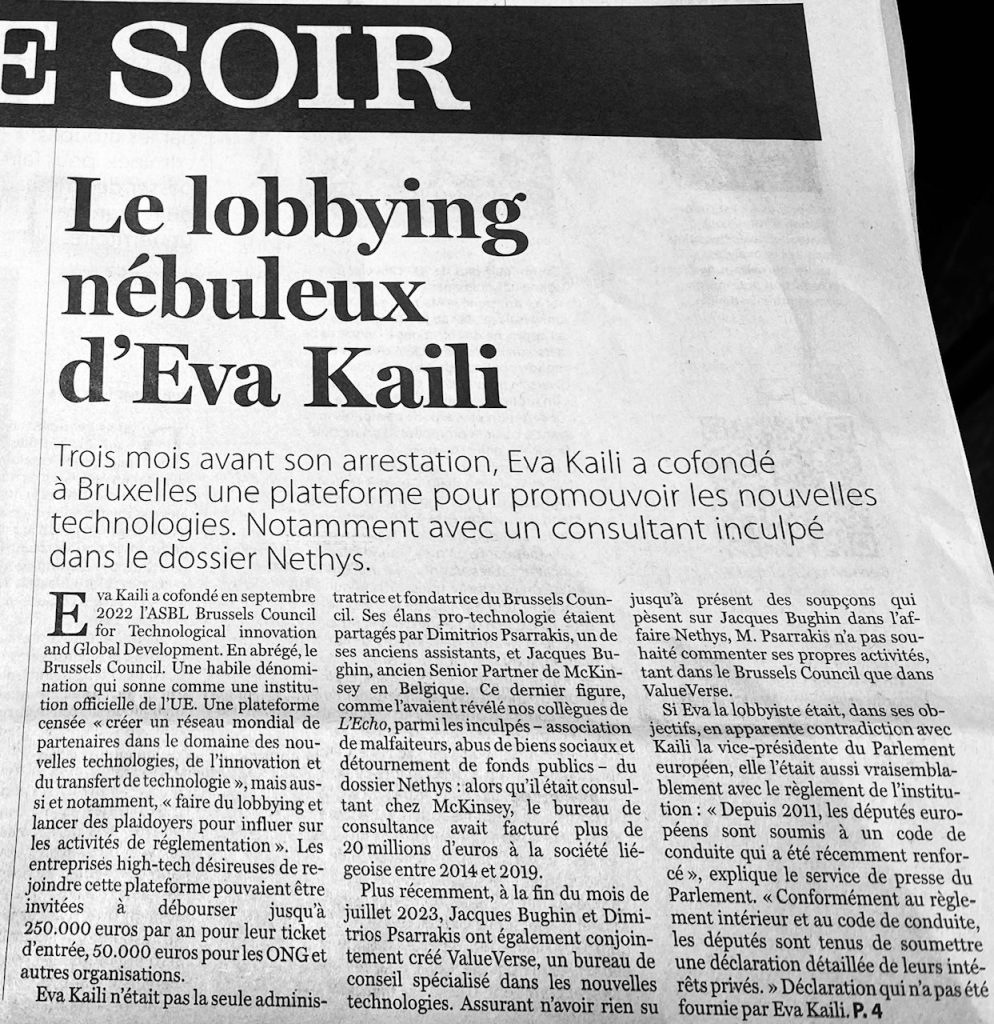
There is a persistent need to watch carefully whether corruption is involved in political as well as economic deals. Transparency Watch is doing a great job in reporting on corruption cases. In democracy we can talk openly about corruption but in authoritarian regimes it is life-threatening for yourself to talk and report on corruption. The case in Europe around the network of Eva Kaili continues to make headlines due to the ruthless abuse of rules the European Parliament. (Link to Le Soir, image below, 2024) The close monitoring of activities and lobbying of powerful industrial interests targeted on parliamentary candidates and officials will continue to be essential for the survival of democracy. The organization „Abgeordnetenwatch.de“ is doing just this. Investigative journalism needs to complement the work of NGOs in this field. Thanks to these efforts it has become much harder to cover up corruption. Only if the risk to be found out is a credible threat corruption can be contained. Let us watch out carefully and probably with the assistance of AI to uncover early any attempts of corruption.
Schachnovelle
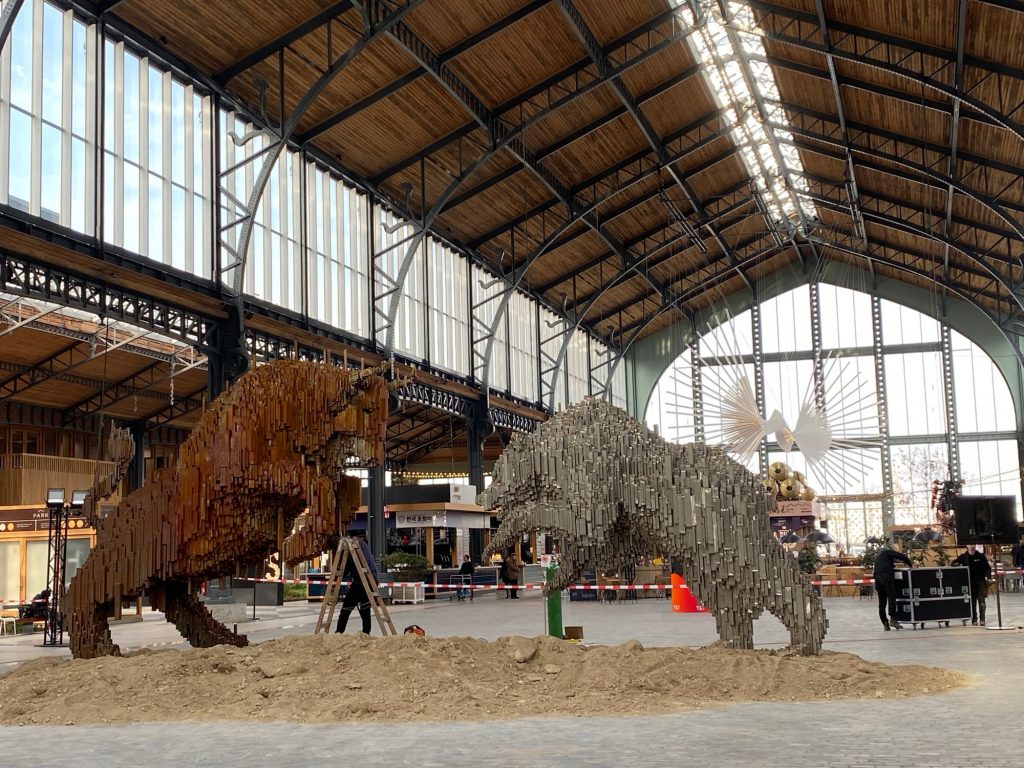
Die Schachnovelle von Stefan Zweig gehört seit langem zu den Klassikern der deutschsprachigen Literatur. Zuletzt hat Jean-Philippe Toussaint in seinem autobiografischen Roman « L’échiquier » dieses Werk nochmals gewürdigt. Die psychische Belastung der fortgeschritten Schachspielenden macht spannende Lektüre. Bei Stefan Zweig ermöglicht das kognitive Training mittels Schachspielen die Bewahrung vor dem drohenden Wahnsinn durch Isolationsfolter. Gedankliche Fokussierung auf das Schachspiel und Spielen gegen sich selbst im Gedankenexperiment werden Rettung und Flucht in virtuelle Welten. Dennoch hinterlässt die Intensität der Erfahrung Spuren. Absorption ins Game, heute als Gaming meist verharmlost, lässt sich in vielen anderen Lebenssituationen wiederfinden. Es kann zur Sucht werden und Personen komplett absorbieren. Alleine Rauskommen oder vom Trip runter kommen ist schwer. Glück haben diejenigen, die professionelle Hilfe suchen und bekommen können.
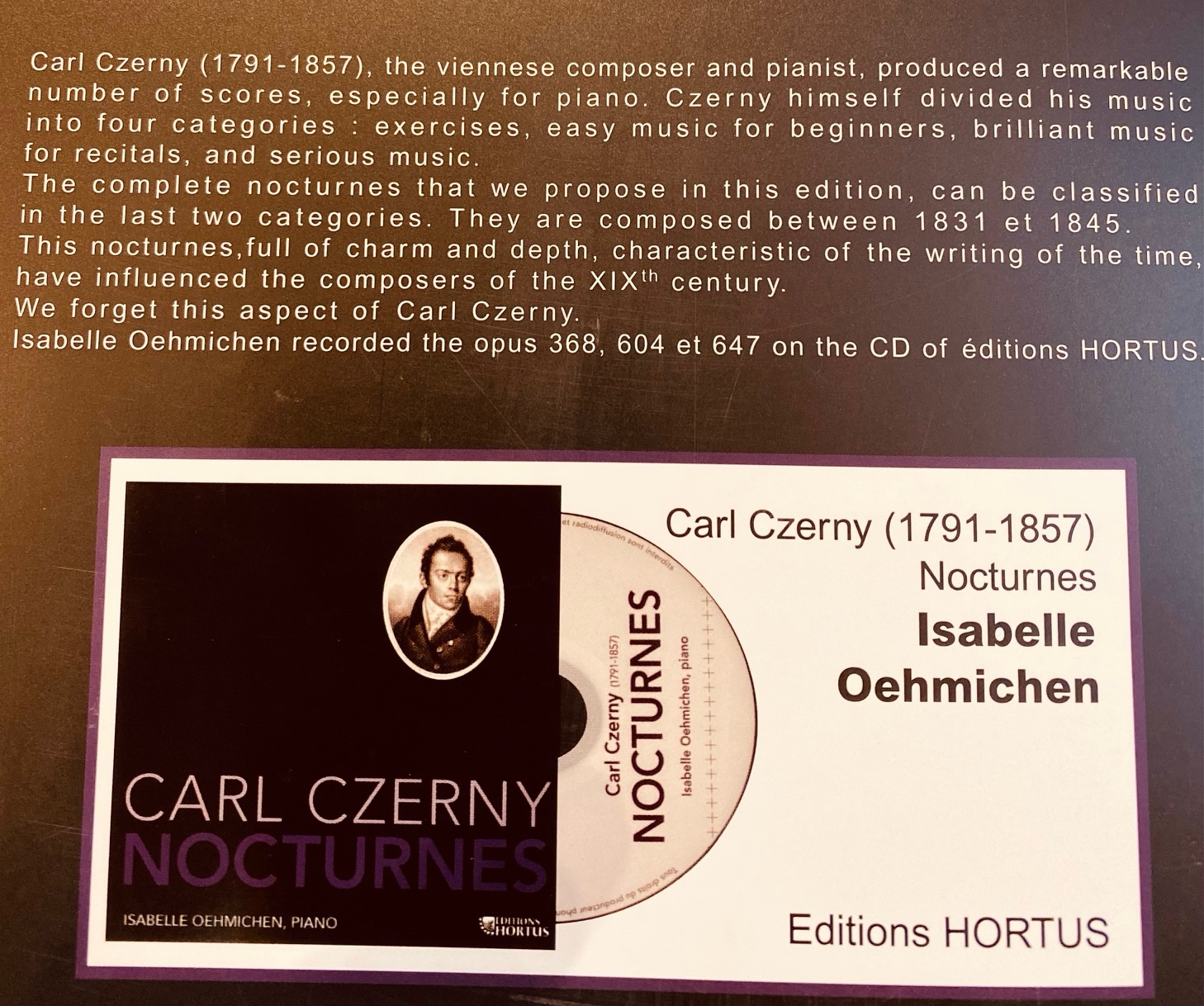
Nocturnes
Contrary to some people’s belief “Nocturnes” is not only the denomination of the late opening of splendid shopping centres selling French fashion, but the name of music pieces. The origin of the Nocturnes as innovative form of composing is attributed to Irish born and bred John Field. The Polish born Frédérik Chopin developed the art form to perfection and he is the person who is also remembered for master pieces of this type of short romantic music pieces.
Mozart has left a famous piece entitled “Eine kleine Nachtmusik” and previous lesser known attempts of this kind were named Notturni, popular “Serenade” or “Pastoral”. All these Nocturnes shared the basic emotion, which we might call nowadays some kind of love-songs (Piggott, 1973, p.115). “Bel canto”, the tradition of emotional recitation of songs or arias, Paganini’s virtuous violine play were predecessors of the Nocturnes. 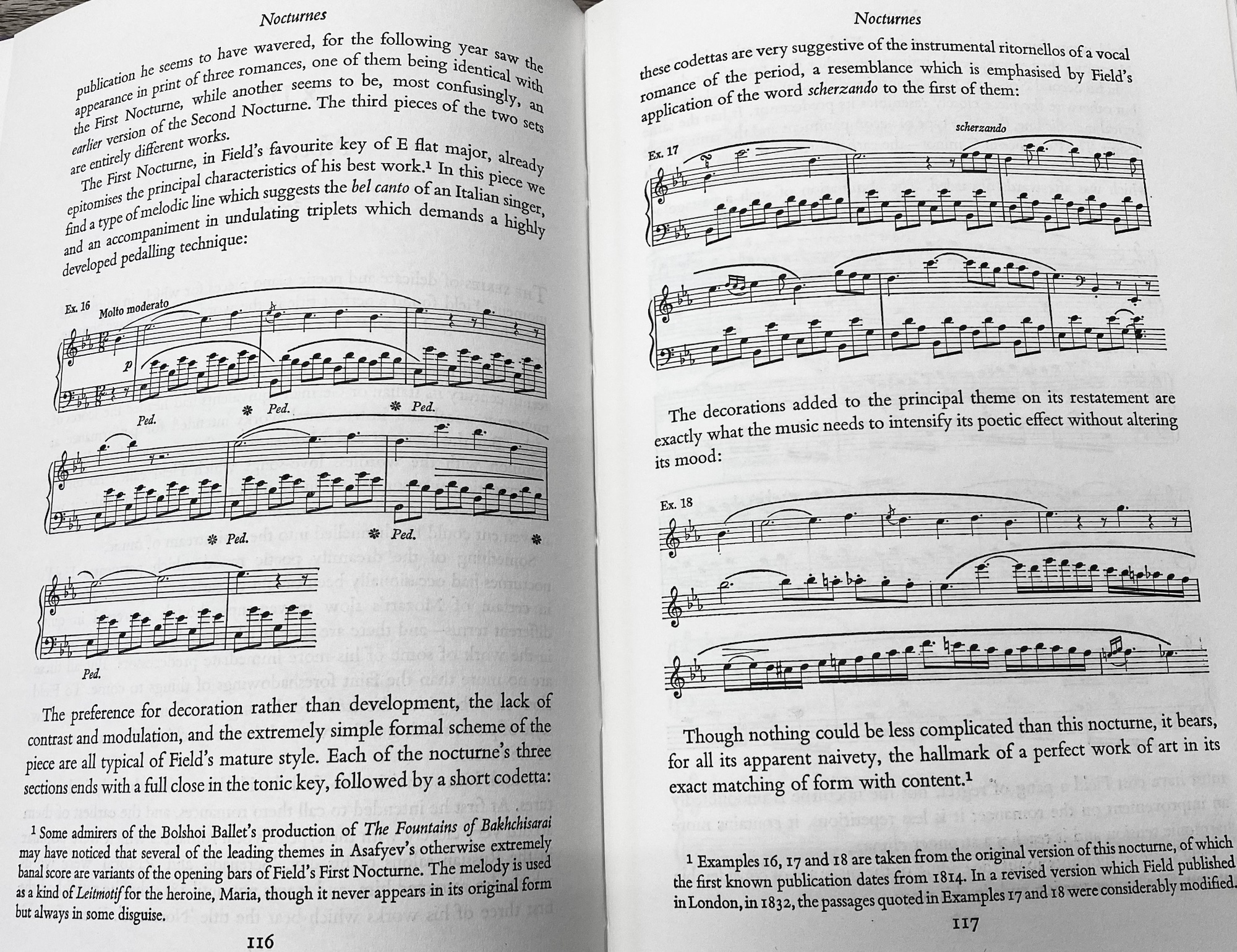
John Field published the first 3 pieces named “Nocturne” in 1814 and continued to produce new Nocturnes and revising former ones. These somehow more easy-going melodies or phrases often written in E or A flat major are technically less demanding for piano players than the later ones composed by Chopin, but their “charme” lies especially in their simplicity. Reducing complexity of sound rather than the virtuous effect seeking of a tune could attract large audiences. After the rebellion in France in 1830 and the foundation of independence of Belgium in the same year, so-called high culture had to address a lot widely differing emotions.
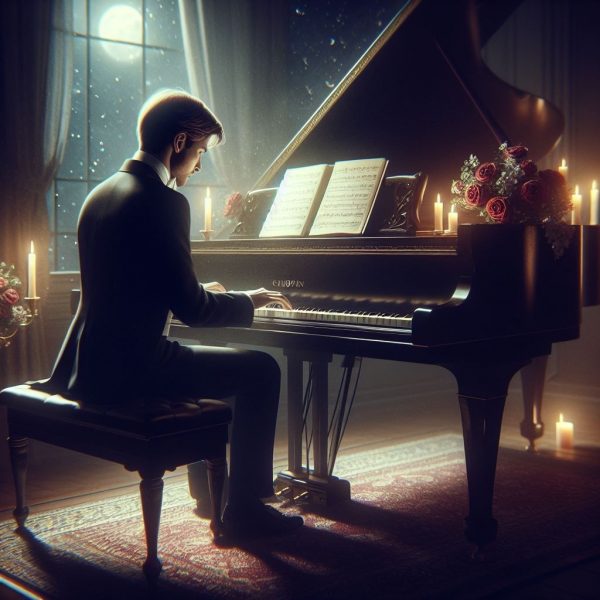
Maybe, in 2024 we are less surprised to rediscover the value of straightforward emotional tunes when even so-called high fashion shows in Paris return to more simplicity.(Image: KI Dall-E, Composer plays on grand piano Nocturnes by Chopin with romantic flair, photorealistic style on 2024-3-5).
Paris 1830s
The music life in Paris in the early 19th century, almost 200 years before now, was incredibly rich. In 1828 the young Flotow arrived in Paris to receive lessons. The pianists Liszt, Chopin, Fields and Czerny passed or lived for longer times in Paris. The innovation in this period of romantic music and operas saw also a fierce competition among those talents. It was no easy task to find your niche to thrive in composition or in both performing and composing.
The 1830s had a rich urban bourgeoisie, which animated and indulged in festive events of live music and social life. Friendships of Chopin and Sand are a testimony for this. Similarly, the young Flotow and Offenbach paired to find their place in the Paris music salons and society of that time. The biography of John Field, written by Patrick Piggott (1973, p.73-81) supports this density of musical experience. The period is also characterized by the fast industrialization and the rise of the global trade. The musical life found refuge in the romantic period and more and more artistic performances by musicians. Theatres, opera houses, concert halls and private salons were meeting points of the upper social class which practices networking in rather closed circles with rather rigid routines and admission at the time.
In architecture the Operas became meeting points and a matter of national pride with National Operas contributing even to national identities. The opulent “Palais Garnier” in Paris was started in 1861 to become an iconic place in the new Paris with the huge boulevards à la Haussmann. The wealthy citizens cultivated a new lifestyle of a networked upper class that had the leisure to participate in the masses of modernity. Cultural events of all kinds filled newspapers and specialized editions. There were inner and outer circles of influence in the economic, military, political and cultural spheres.
Recommendation letters were a real currency for entry in each of these circles. Some of these social practices, have still a lot of currency even in 2024. In short, in the 1830s Paris was the place to be. Compositions of that time still fill concert halls today and their music is abundant on the new music platforms and streaming as well.