

The book (editor Sabrow 2023) and the exhibition “Gewalt gegen Weimar. Zerreißproben der frühen Republik 1918-1923” need a broad European audience. The violence, which in the medium term destroyed the newly founded democracy of the Weimar Republic in Germany, is linked to the immediate aftermath of the 1st world war. The relatively calm abolition of monarchy in Germany did in no way prevent the eruption of violence within the new democracy. Extreme forces prepared in organized ways (Organisation Consul) and some in open public discourses the potential for the use of violence. Armaments left over from war equipped the Freikorps Movements and the potential to use the weapons was present at all times in the aftermath of WW1 in Germany. The contributions to the volume provide a detailed account of these 5 crucial years when democracy was able to defend itself against all odds. The strategies to take control of the country were built on a violent rhetoric which prepared the ground to put violent talk into action later on. This spiral of violence is hard to de-escalate once started. However, democracies have to foster ways to calm the spirits in periods of high potential violence. Elections as well as the campaigns before are the arms of democratic change. They should be used as such to pave the way to compromise.


 The century-old tradition to produce miniature books has been revived and the miniature books have been widely distributed at the event. A side effect consists in the
  325 years ago, Weigel the Elder has illustrated, edited and published such a tiny edition of the Bible. It is currently exposed in the treasure museum at the “


 In Germany deaths/week amounted to 250. Compared to the overall population size killing is more pervasive in the U.S. than in Germany. The map of the specialized agency

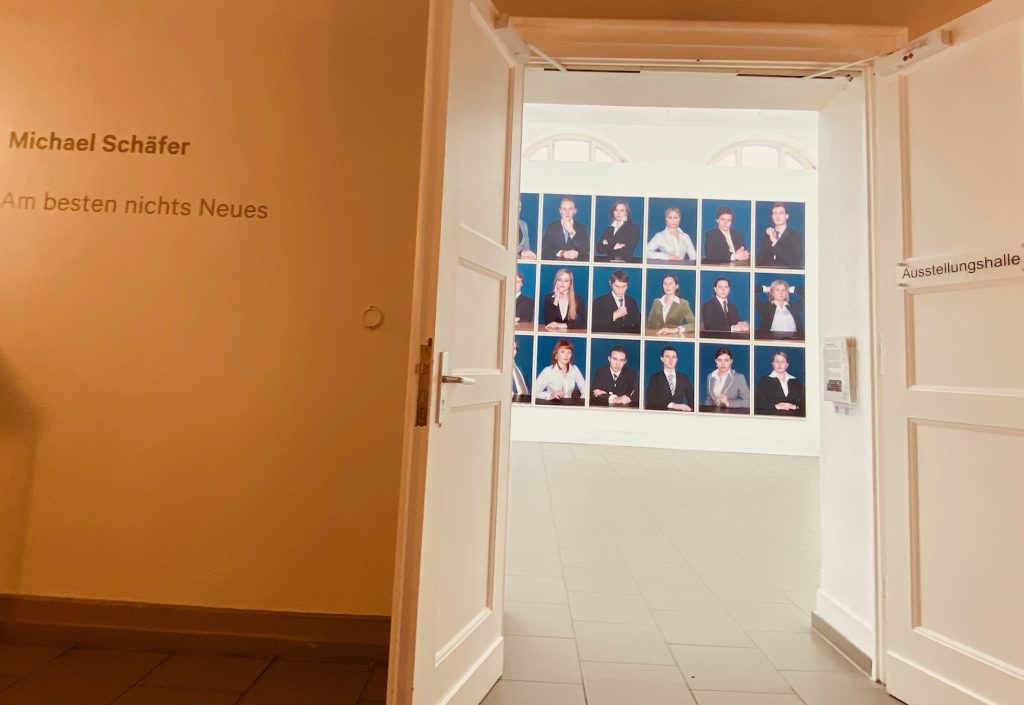

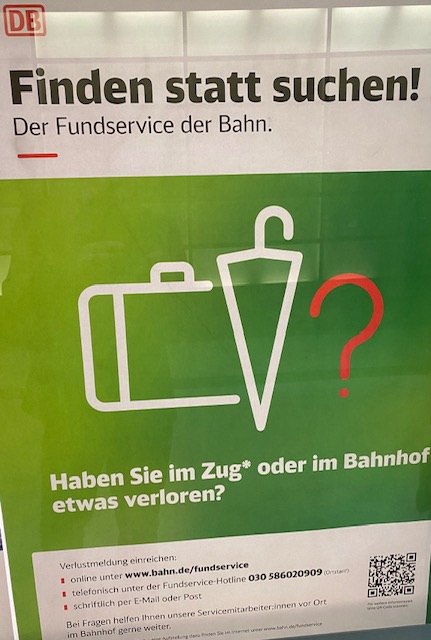
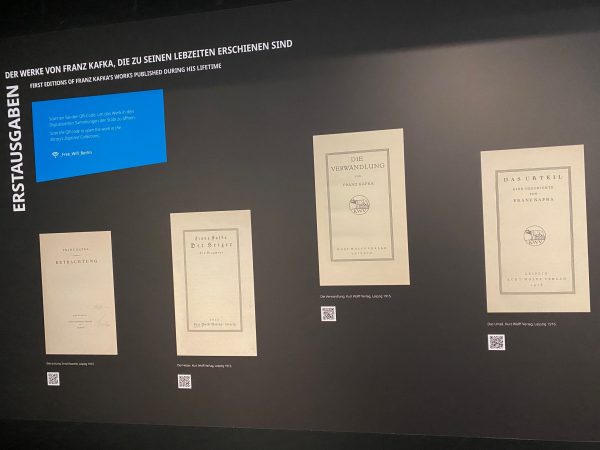


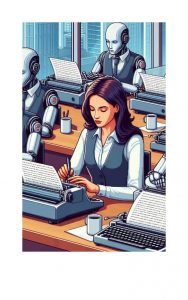



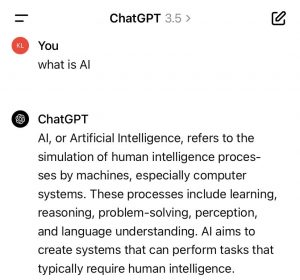 (See image). ChatGPT provides a more careful definition as the “crowd” or networked intelligence of Wikipedia. AI only “refers to the simulation” of HI processes by machines”. Examples of such HI processes include the solving of problems and understanding of language. In doing this AI creates systems and performs tasks that usually or until now required HI. There seems to be a technological openness embedded in the definition of AI by AI that is not bound to legal restrictions of its use. The learning systems approach might or might not allow to respect the restrictions set to the systems by HI. Or, do such systems also learn how to circumvent the restrictions set by HI systems to limit AI systems? For the time being we test the boundaries of such systems in multiple fields of application from autonomous driving systems, video surveillance, marketing tools or public services. Potentials as well as risks will be defined in more detail in this process of technological development. Society has to accompany this process with high priority since fundamental human rights are at issue. Potentials for assistance of humans are equally large. The balance will be crucial.