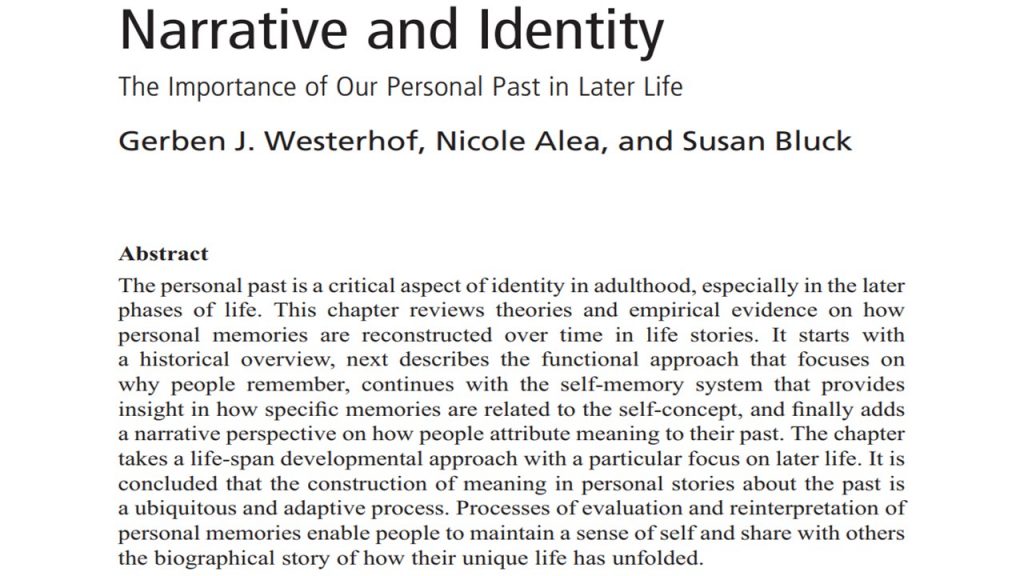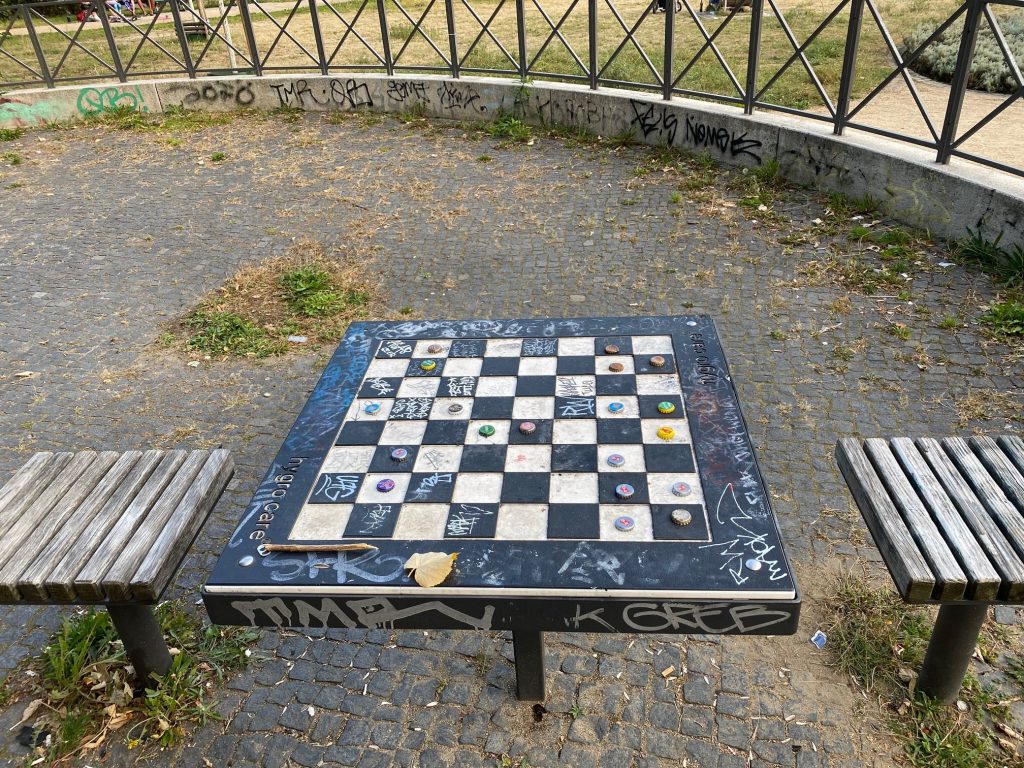

The attempt to define a sociology of vision has had a hard time to build on hard evidence that vision may depend on context or in a broader sense your visual heritage. A standard definition of context in vision highlights the areas around a focal point. The findings by Krupin et al. (2025) show through the comparison of persons from very different populations that our vision depends on our cultural background. It is the social background and upbringing in a specific cultural setting, which determines what we see in an image at first sight. The so-called Coffer illusion test (Deregowski 2017) reveals what we see in an image spontaneously and maybe after some longer staring at the image or doing it repeatedly, we learn to see that there is more to see than our original impression. Depending on our cultural heritage we might focus unconsciously on rectangular or round shapes in a geometric image. This fundamental finding questions the view that there is only one universal kind of vision common to all humans. In fact, there is variance around what we see and thereby how we perceive an image. This research provides a justification to delve also into the field of a sociology of the visual. Because of the common term in informatics “WYSIWYG”, (what you see is what you get), we might spend more efforts on research of how human vision is shaped over generations or according to social background. We know that in some images different people see different things. What appears as a splendid opportunity for some, is a very risky situation for others. Eyes are so closely wired to our brain that inscriptions of vision on the brain functioning are quite likely. The plasticity of this process over the life course remains a crucial topic to understand the process(es) of how a person’s social background shapes her/his vision.




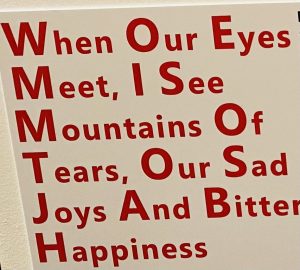 Even mastering tears or the delayed unmastered tears give rise to ample drama. Have you found a poet or author to whom you relate through the sorrows s/he expresses? Reading itself is a process of mastering tears due to the possibility to go through a wide spread of negative and positive emotions.
 Hardly any traces in the internet of her writings in English make her even more of a local hero and an early female role model. The windmills are powered by the nothingness of our illusions. The beauty of futility is revealed in our dream. She puts it so much better. The biography and work of