
Betting is considered a vice. The industry has moved from the local bookmakers to the internet and is spread across countries and continents. Some legal advisers have classified betting as the fastest growing vice industry and it is about time to launch a wake up call for more oversight of what is going on in the sector. As betting like gambling seems to be working in conjunction with other addictions the potential of cumulative risks is quite high. Our brains tend to wire things together which frequently occur jointly. It is difficult to disentangle these co-occurrences later again. The major angle of attack is prevention.
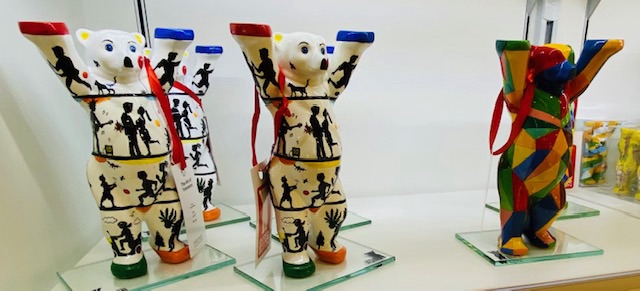
Health journals start warnings of the detrimental effects persons and observe that the industry follows similar strategies as the tobacco industry to address as many people as possible. And this is very successful and profitable for them. Hence, prevention strategies should also follow what has been applied to smoking like the ban from restaurants and bars as well as the restrictions on advertising. We will have to accept that betting and gambling should not be as easily accessible as it is currently. Age restrictions have to be applied stringently. I bet this will take quite a long time until Europe and elsewhere the regulations will change. Some of the young get interested in even more stimulating activities like exploring arts (image below class at Neue Nationalgalerie Berlin 2024-6) rather than betting on who is going to win the Euro 2024 football matches.


 Zeitdruck bei der Heimkehr oder beim Wegfahren lassen auf die Begründung der Nachdrücklichkeit der Aufforderung schließen, bitte Ausfahrt freihalten.


 In Germany deaths/week amounted to 250. Compared to the overall population size killing is more pervasive in the U.S. than in Germany. The map of the specialized agency