
Repair is our new mantra. Think of repairing in all domains as of now. Nature is showing us the way how to repair in many ways. Culture is also embracing the shift towards repairing as caring. If we really care about our planet, and there is no planet B, we shall have to repair in many more domains. We are used to repair bicycles, cars, roofs, windows etc. Repairing is never boring. You can improve the performance of a device or building by repairing it, even with relatively small budgets. Isolation of buildings is a good example of investing in upgrades through repairing. Rather than throwing away a functioning heating system repairing it with an energy saving device is enhancing its performance and produces fewer emissions in the short run. Heat pumps are the way forward for new installations. Shifting a sector, heating with gaz, to ensure longer lasting repair and improve options would save a lot of raw materials and CO2 as well. The construction sector has repair work almosts in its DNA, the energy sector will have to make that shift as well. Dare to repair. 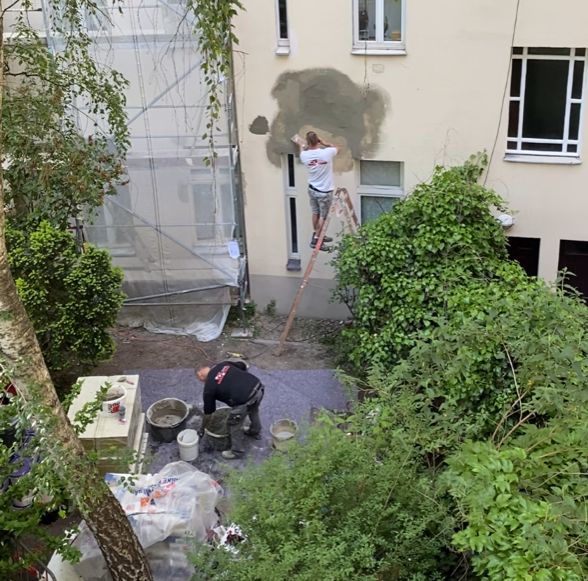
Krieg
„Zugunsten des Krieges kann man sagen: er macht den Sieger dumm, den Besiegten boshaft. Zugunsten des Krieges: er barbarisiert in beiden ebenfenannten Wirkungen und macht dadurch natürlicher; er ist für die Kultur Schlaf- oder Winterszeit, der Mensch kommt kräftiger zum Guten und Bösen aus ihm heraus.“ (Nietzsche, Menschliches, Allzumenschliches Nr. 444 S. 668).
Wir werden der Ukraine ermöglichen, ihre Kultur zu erhalten und gestärkt durch den Krieg zu bringen. Das können wir ermöglichen und gleichzeitig der von Putins Russland eingeleiteten Barbarisierung seiner eigenen Bevölkerung entgegen wirken. Nietzsche hatte das recht klar durchdacht und die Gefahren des Krieges kühl berechnet. In seinen aphoristischen Betrachtungen (u.a. Menschliches, Allzumenschliches) nachzulesen, lohnt immer mal wieder. Es schärft den Blick für zu schnell Vergessenes.
Die Einen dumm, die anderen boshaft gemacht. Es lässt sich damit nichts zugute des Krieges sagen, außer es werden Tendenzen, negative wie positive, verstärkt. Der Prozess der Zivilisation (Norbert Elias) wird auf barbarische Zeiten zurückgeworfen. Nur mit Erhalt und Förderung der Kultur kann dem begegnet werden. Die Ukraine ist auf einem vielschichtigem, demokratischem und kulturellem Weg in die Zukunft. 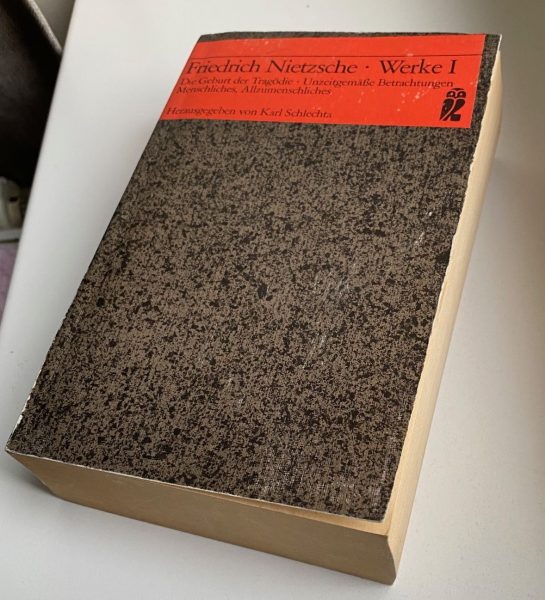
Essais
The essays written by Montaigne in the 16th century have re-established a way of writing on philosophy in short digestable small essays. These short essays became very popular at the time and the new technology of the 16th century invented by Gutenberg, the printing press, facilitated the wider spread of literature. Even Montaigne himself re-wrote on printed versions of his own work. The early adoption of the printing technology helped to spread literature in your own mother tongue rather than only in Greek or Latin for the clergy. Montaigne’s format of rather short notes, without a huge masterplan or encyclopedic approach, took readers along on the journey of scepticism, think on your own. Enabling the reader, how to doubt received wisdom, became an important milestone in the history of ideas and philosophy. Referring back to Seneca for example is also interesting as this Greek philosopher dealt with the topic of wisdom in his later life combining knowledge from different different scientific disciplines. Free independent judgment and the ability to argue and take different perspectives became later known as the foundation of relativism. It is still an important way to enable people to take and defend their own perspectives, just like the critical version of colonialism in the exhibition “Indigo waves“. Lichtenberg’s Aphorisms are another example of the independent mind writing down his ad hoc impressions as pieces of larger picture or puzzle. The literary puzzle needs several attempts to assemble the thoughts. Common to these writers is the freedom of thought and expression, still not a given in many parts of the world today. I would probably imagine the doubt as the origin independent thinking. “I doubt, therefore I am” would do much good not only in totalitarian countries. Rediscovering the usefulness of doubting as foundation to take new perspectives and to find new solutions is worth it. 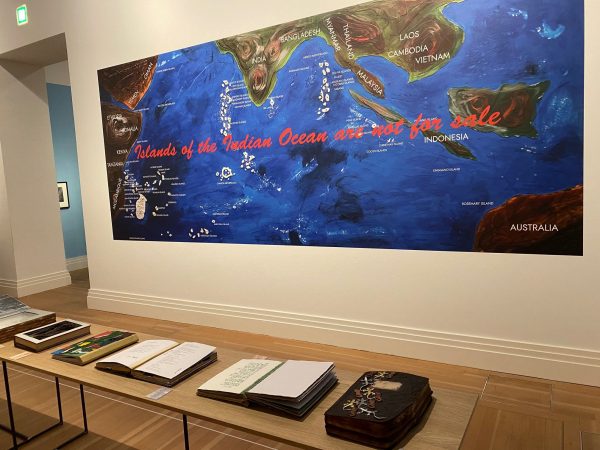
Proud
Proud to be part of the European Trade Union Congress. We take so many things for granted that we no longer really aware of the importance they have for our daily lives. Trade unions are part of these things. We only start to miss them when we no longer can count on their impact on legislation or collective bargaining as well collective agreements. In Ukraine 🇺🇦 lots of things we take for granted were destroyed by Russia from one day to the other. We learn from their courage to defend our common values like the freedom of association to form a truly independent trade union and to decide yourself which other unions in Europe to associate with. The Ukrainian unions made their choice and they are proud and committed members of the ETUC as of May 2023. Great to have met you in Berlin. We have a lot to defend together. Basic human rights and workers including their families need their and our support. This will remain a priority as well as a challenge. Thank you for the sticker on the wall of greetings for 50th anniversary of the ETUC. 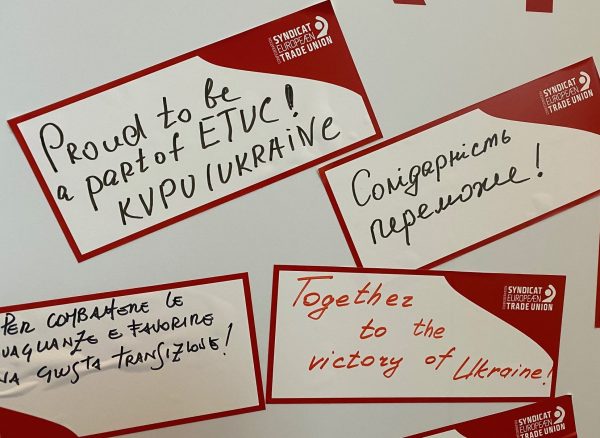
Frau, Leben, Freiheit
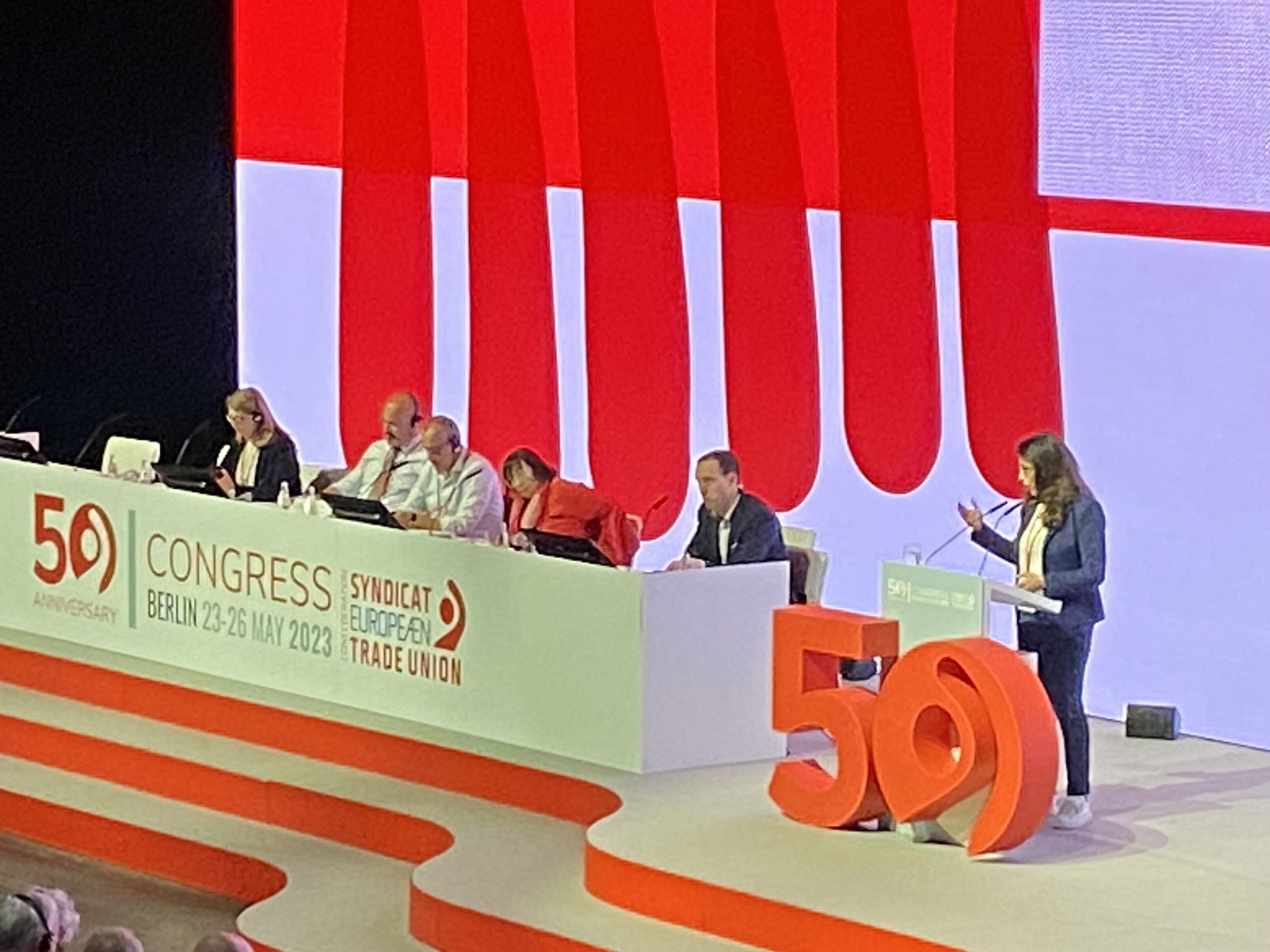
Seit der brutalen Tötung einer Frau im Iran gehen viele Iranerinnen und Iraner auf die Straße. Als Zeichen ihres Protests rufen sie: Frau, Leben, Freiheit! Das ist und bleibt eine kurze Zusammenfassung für die Forderungen der Frauen, die trotz massiver Unterdrückung unablässig demonstrieren. Viele Hinrichtungen und Misshandlungen von Frauen werden wir weiter anprangern und fordern den internationalen Druck auf das Regime im Iran zu erhöhen. Wir dürfen nicht wegschauen, sondern werden weiterhin die Öffentlichkeit wachhalten. Diese aktiv für Menschenrechte eintretende Stellungnahme wurde von Yasmin Fahimi (DGB-Vorsitzende) eindrücklich auf dem EGB-Kongress vorgetragen. Mit überwältigender Mehrheit wurde diese Resolution vom Kongress befürwortet. Die italienischen Gewerkschaften stimmten gleich ein in den Ruf: Donna, Vita, Liberta!
Bravi! So rufen viele sonst eher in den Opernsälen. Hier passt es zu der Stimmung auf dem EGB-Kongress. Mit großer Einigkeit und ausgeprägter Solidarität wurde eindrücklich Stärke bewiesen, die auch über Europa hinweg Strahlkraft besitzt. Bravi! Kurzvideo EGB-Iran-Resolution Yasmin Fahimi und italienischer Support. EGB-Iran-Akklamation-IT. 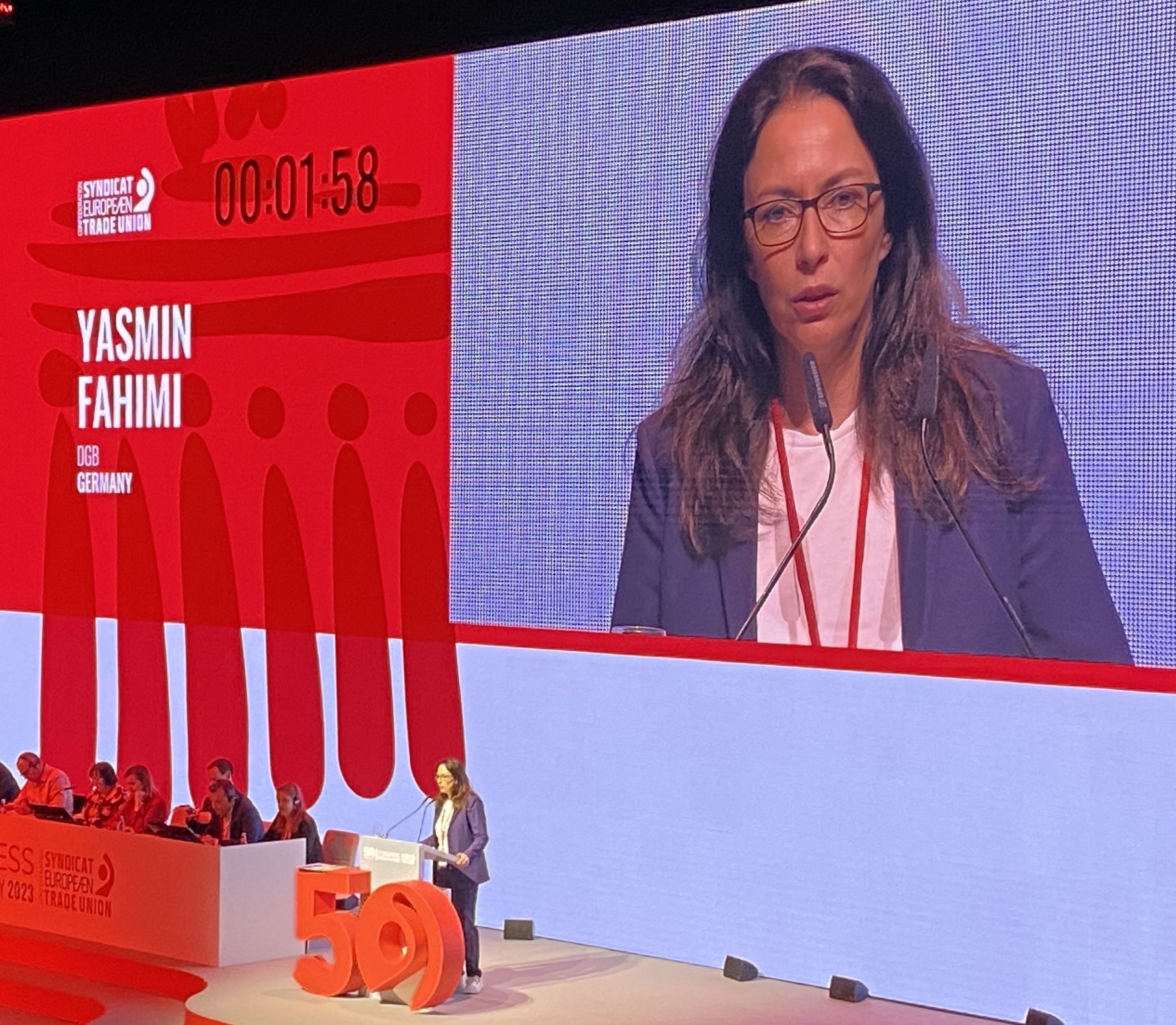
Democracy is key
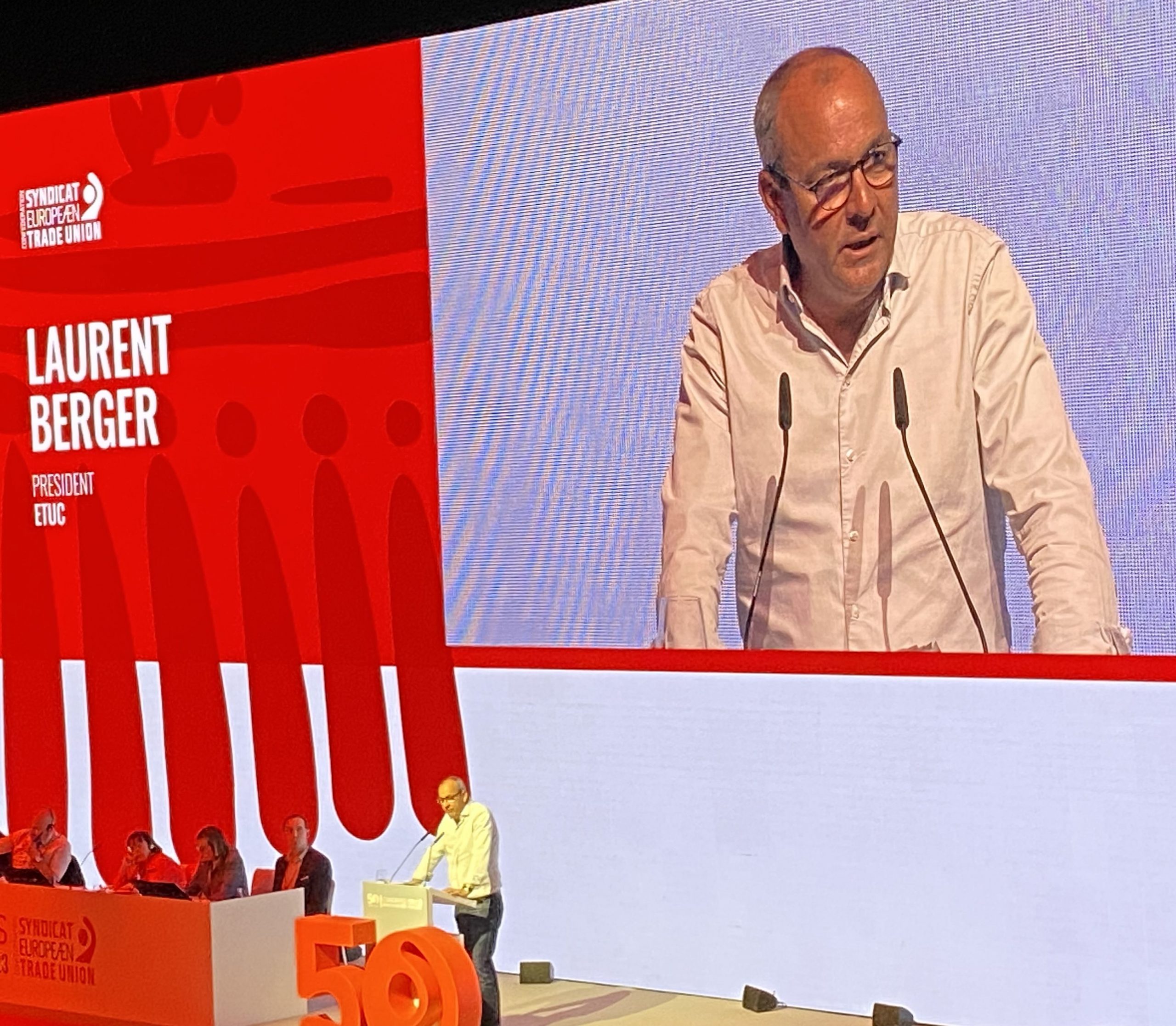
The ETUC congress in Berlin 2023 prepares the working agenda for the next 4 years. A lot of support across political parties is voiced in favour of the important role the ETUC plays in coordinating the European Trade Union Movement. The democratic forum of all delegates works before and during the congress on a comprehensive list of essentials for the movement. It is much more than about wages, as most people might believe. Of course, minimum wages and fair wages are always high on the agenda. The strength of the 2023 Berlin congress for me consists in the widespread and loud call to intensify democratic structures and broaden participation of workers at all levels. The power of the unions to fight for democracy is dearly needed in all European nations with the threat from far-right populist movements. Strengthening workers is the best way to foster democracy. Throughout the congress several support facilities have been mentioned like the SURE instrument as a step into a European labour market policy.
Public services have also enjoyed more popular support, since essential services were the jobs that kept our countries running during the COVID crisis.
A just transition to a green economy in a democratic spirit means taking everybody with us on this journey. Fighting poverty, inequality is still high on the agenda and most people are convinced that democratic societies are highly sensitive to injustices caused by education systems, remuneration systems, retirement systems and tax systems. Even industrial policy, to guarantee our independence and values, is also linked to essential workers cooperation.
Weak social policies erode the trust in our societies to handle crises. The engagement of trade unions is felt far beyond Europe. Gilbert F Houngbo (ILO), hopes that due diligence is rapidly implemented in Europe, because it will benefit workers well beyond Europe across the world.
Union leaders were arrested in Belarus and in many other countries where they stand for democratic values. Trade Unionist from Europe have shown their own commitment to fight for democracy and mobilize to convince more people and youth to join the movement. “Donner l’envie de s’engager …” (LeMonde 26-5-2023 p.28) “Raise the urge to get involved” – that is the democratic challenge. 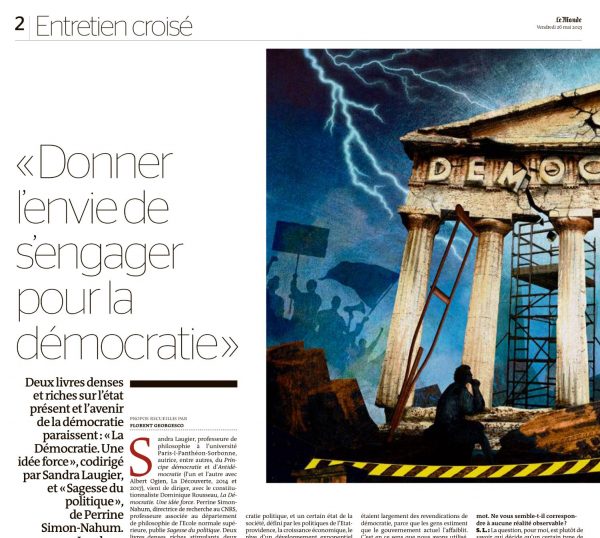
Gewaltmonopol
Für Demokratien ist die Frage des Gewaltmonopols eine sehr entscheidende Frage. In gleichem Atemzug muss dabei die demokratische Kontrolle dieses Monopols gewährleistet sein. Verfassungsrecht in Demokratien ist darin eindeutig. Lediglich die Praxis des Rechts gestaltet sich oft schwierig und durchaus wechselhaft. Die Studie von Laila Abdul-Rahman, Hannah Espin Grau, Luise Klaus und Tobias Singelnstein (2023 bei Campus kostenlos downloadbar) greift das wichtige Thema mit einer repräsentativen Studie von 3300 Opfern polizeilicher Gewalt in Deutschland auf (Zusammenfassung). Anders als im amerikanischen Raum fehlt bei uns bisher die Berücksichtigung von Rassismus und räumlicher Verortung in der wissenschaftlichen Aufarbeitung des Geschehens. Das Interaktionsgeschehen oder Eskalationsstufen (S. 31) bieten einen weiteren Ansatzpunkt zukunftsweisend präventiv tätig zu werden. Die Aussetzung der Strafverfahren gegen Polizeibedienstete wegen Gewaltausübung (Körperverletzung) ist mit 93% aller Fälle außerordentlich hoch. Das Kapitel 8 (S. 307ff.) über die strafjustizielle Aufarbeitung offenbart die Randbedingungen der justiziellen Verfahrensweisen.
Das Gewaltmonopol darf nicht in Frage gestellt werden, aber sobald Gewalt des Monopolisten unverhältnismäßig und rechtsstaatlich ungenügend kontrolliert wird, kommt eine politische Gewaltenteilung langsam ins Wanken. Die wehrhafte Demokratie braucht Polizeigewalt, um beispielsweise das Demonstrationsrecht durchzusetzen oder öffentliche Veranstaltungen zu sichern. Aber die Exzesse polizeilicher Gewalt müssen geahndet werden. Solche Anklagen finden wir in England anlässlich der Krönungsfeier, in Frankreich bei Streiks oder Fußballspielen oder in Belgien bei Gipfeltreffen oder Räumungen von Flüchtlingslagern. Das ist keine Randnotiz. Friedlicher Protest ist wesentlicher Bestandteil von Demokratien. Einschüchterung durch Gewaltanwendung ist Teil der dunkelsten Kapitel und muss entschieden unterbunden werden im Friedensprojekt Europa. 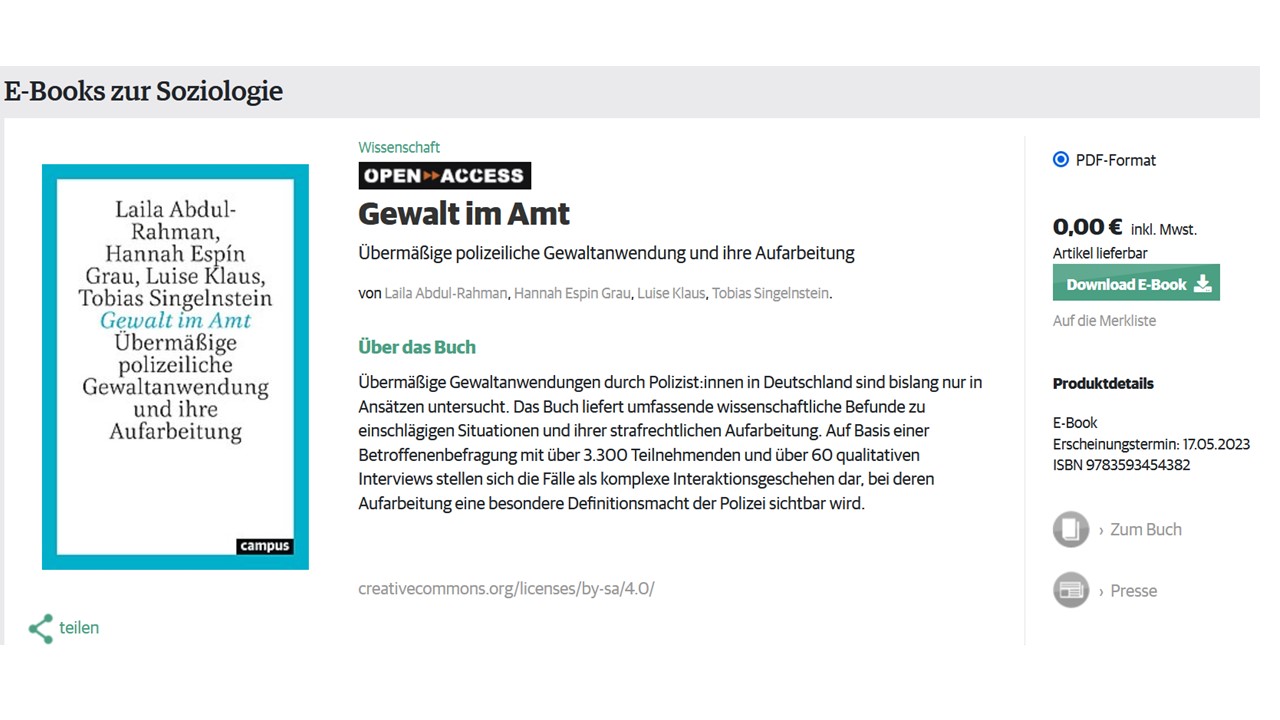
Jahrestage
Jahrestage sind die Geburtstage von Organisationen oder zeitgeschichtlichen Dokumenten. Der 23. Mai ist so ein Jahrestag. Alle BundesbürgerInnen sollten an diesem Tag die Verkündung des Grundgesetzes im Jahre 1949 feiern. 75 Jahre sind das in 2024. Die Ostdeutschen hatten mit den Füßen abgestimmt, dem Geltungsbereich des Grundgesetzes beizutreten. Eine gesamtdeutsche Verfassung lässt noch auf sich warten. Provisorien halten oft ganz gut.
160 Jahre SPD, feiern wir etwas verhalten, ob der enttäuschenden Wahlergebnisse der heutigen Sozialdemokraten beispielsweise in Berlin (außer in Bremen Mai 2023). Der Allgemeine Deutsche Arbeiterverein (ADAV) von 1863 in Leipzig begründete die lange Tradition und der Kampf für Rechte der Arbeiter. Zu dem Jahrestag der Sozialdemokratie passt der am 23.5.2023 in Berlin stattfindende Kongress, gleichzeitig zur 50 Jahre-Feier des Europäischen Gewerkschafsbundes (EGB). Viele Sozialdemokraten haben dabei Anlass beides zu feiern. Ferdinand Lassalle, Gründer des ADAV, forderte aufgrund seiner These vom „ehernen Lohngesetz“, die Armutsbekämpfung zu einem Hauptthema zu machen. 160 Jahre später feiert der EGB in Berlin auf seinem 15. Kongress die erfolgreiche Arbeit für eine europäische Richtlinie für Mindestlöhne. Manche Sprünge brauchen sehr viel Anlauf.
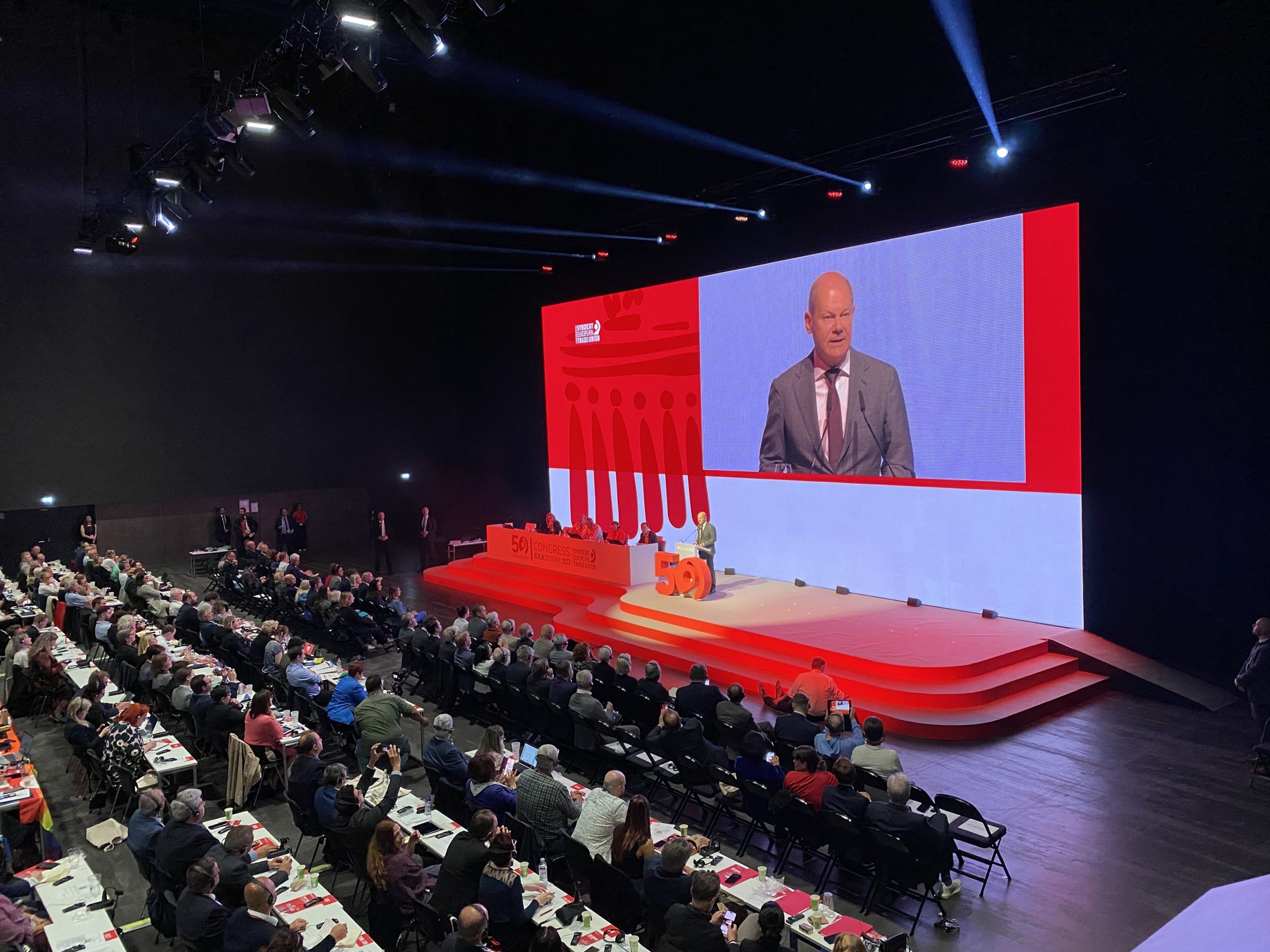
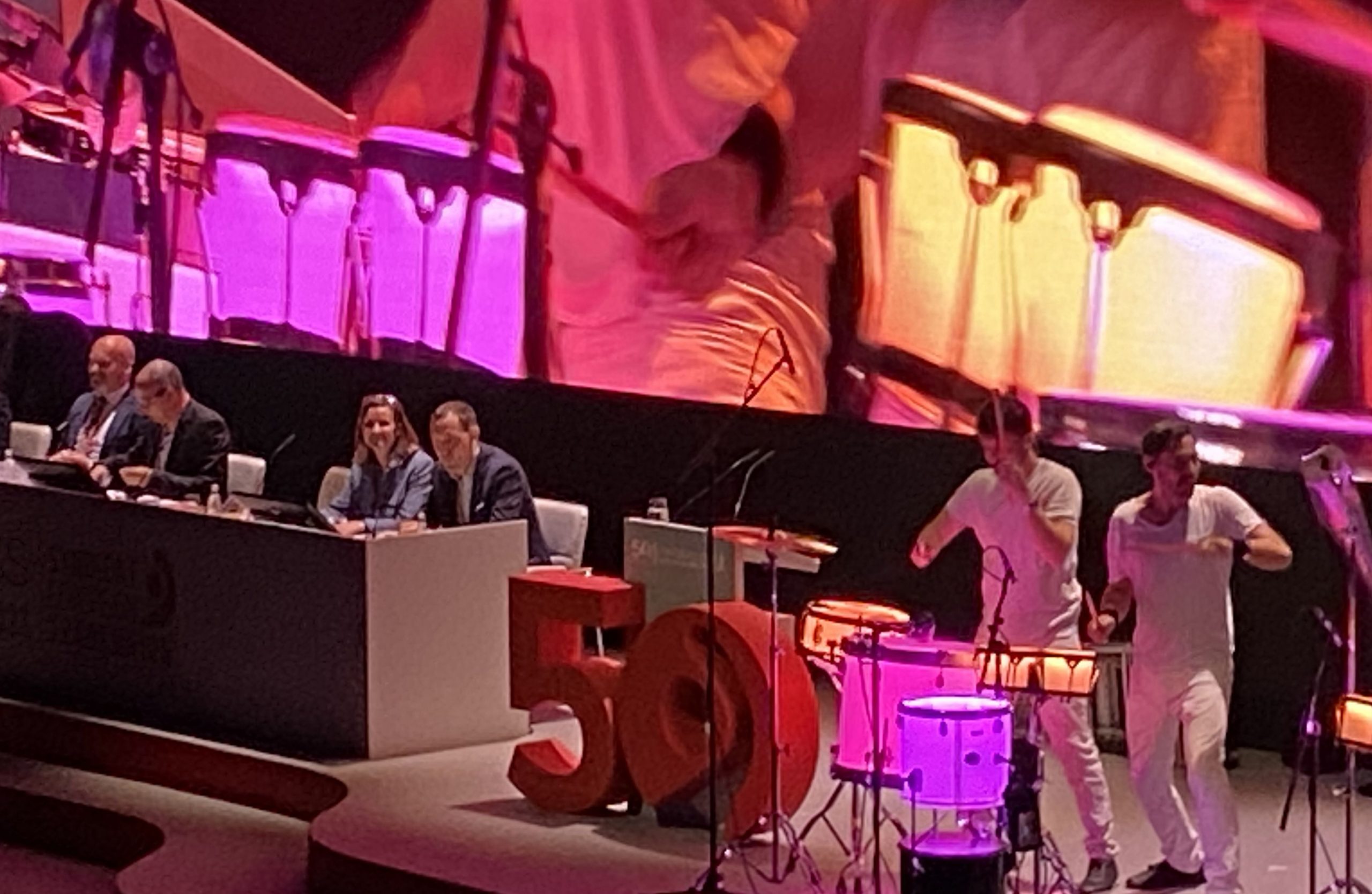
Weiter hinten in der Warteschlange der Aufmerksamkeitsökonomie der Jahretage reiht sich der 25. Jahrestag der Europäischen Zentralbank am 24.5.2023 in Frankfurt ein. Auf allen Feiern gibt es einen persönlichen Vortrag des deutschen Bundeskanzlers Olaf Scholz (gerade zurück aus Hiroshima und Südkorea). Sein Ausrufen der „Zeitenwende“ (Artikel in Foreign Affairs) wird deutlich in dem tösenden Applaus für die Aufnahme der Ukrainischen Gewerkschaften in den EGB (Bild unten) auf dem EGB-Kongress, der quasi im Laufschritt von der DGB-Vorsitzenden Yasmin Fahimi eröffnet wurde. Jahrestage können wehmütige Blicke in die Vergangenheit sein. Dem EGB-Kongress ist ein zukunftsweisender Auftakt „à la Zeitenwende“ gelungen. 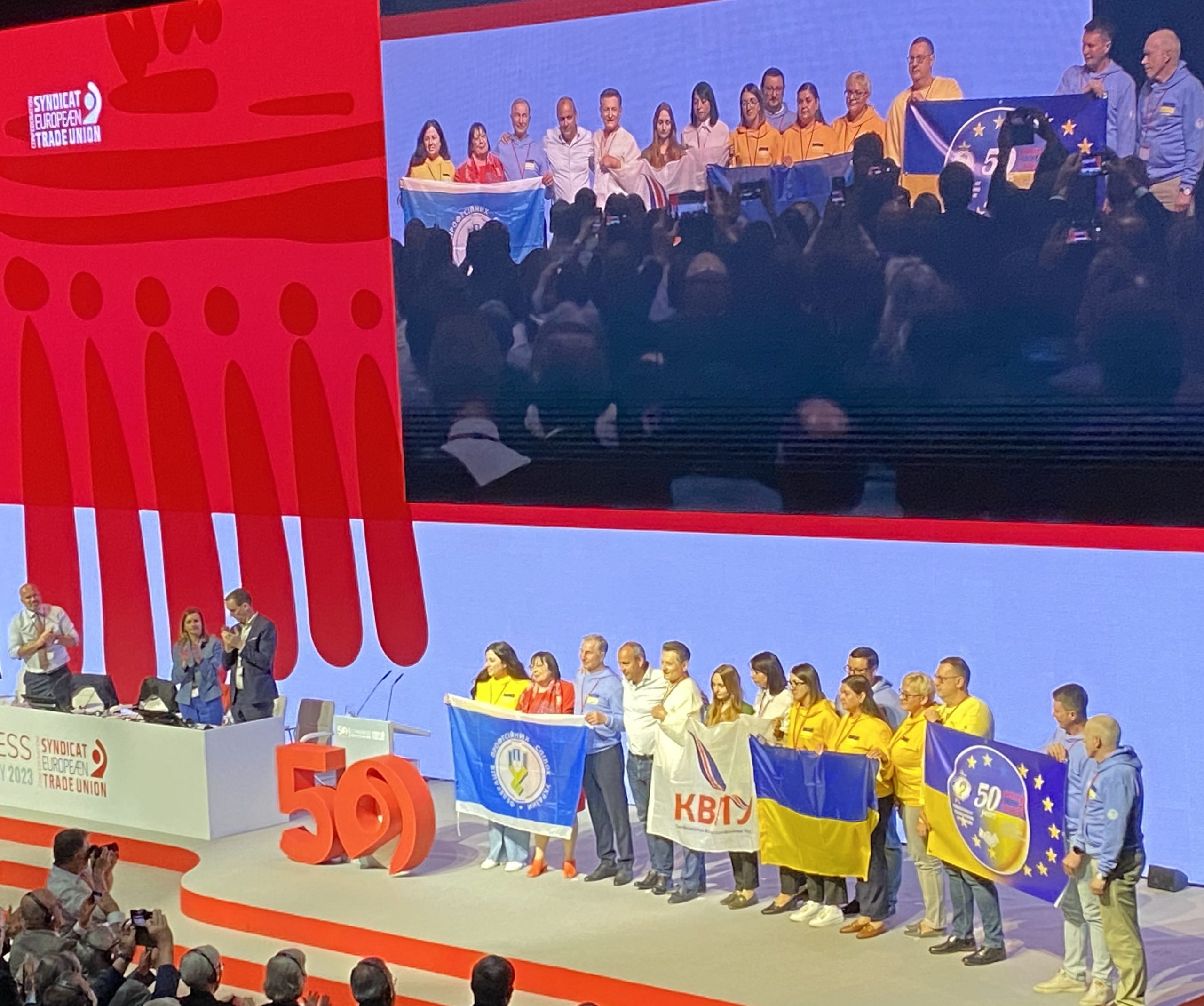
Gentrification
We teach about the process of gentrification and segregation in sociology in most of our courses. Consulting is also busy with telling policy makers, urban planners and architects about this fundamental social process. A mathematical description of the process has been provided by Schelling as well. A recent striking depiction of the process evolving over years in Brussels is produced by Karim Douieb (dataViz and Jetpack, image below! and more, THANKS). The data is from the Brussels institute of statistics and analysis. Policy-makers have a hard time to work against the well-known tendency: birds of the same feather, gather together. Humans do not seem to be much different, at least when it comes to large metropolitan cities. Only a small China town is missing in Brussels.
What is masked in the grouping by nationalities of residents, is the underlying mechanisms that drive this gentrification. Even previously mixed parts of the city might suffer a slow process of erosion due to educational, job, wealth, poverty and housing differentiation between people and Brussels communities. Falling behind in educational achievement, then higher unemployment leads to lower credit worthiness and residence in less comfortable housing. The Belgian and EU15 residents are much more likely to follow virtuous upward mobility. Hence the process of gentrification trickles down through subsequent generations. Start with learning and socialising of kids and adult learning to overcome the discriminatory process. Ethnic communities will also have to open up to interact with locals. Social progress is hard work for all. 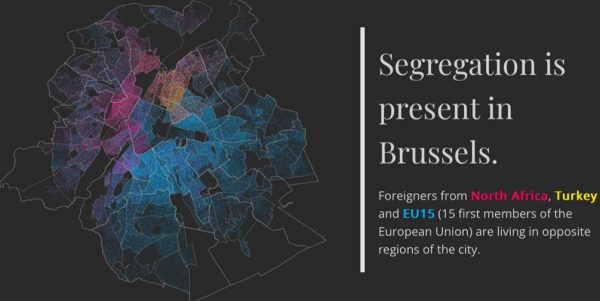
Design Start-up
Es war wieder Designmesse. Klein, aber fein, in Berlin in den KantGaragen. Die Location weckt schon Hoffnung auf Experimentelles, Garagenhaftes, Handwerkliches. Das bringt Abwechslung in die sonstige, glitzernde Shoppingwelt. Das renovierte und entgiftete Parkhaus erlaubt einen Rundgang über mehrere Etagen, vorbei an Galerien und Ständen von DesignerInnen. Es macht sich eine anregende Brise von erfrischenden Ideen breit. Von Design im Raum mit Leuchten und Möbeln über Design von Mode und Schmuck lässt sich viel Schickes finden. Blickfang, samt Blickfang Akademie haben es geschafft, die Mini-messe in den KantGaragen zu etablieren. Es kann sogar Eintritt verlangt werden. Eine weitere Begleitung der Neuen auf dem Markt wird oft nötig sein, denn selbst gute Innovationen sind meistens keine Selbstläufer. Konkurrenz belebt nicht nur das Geschäft, es bleibt meist auch ein Verdrängungsprozess.
Die großen, vielfach schließenden Kaufhäuser in den Innenstädten spüren besonders die Konkurrenz der individualisierenden DesignerInnen mit ihren einzigartig anmutenden Realisationen. Singuläre Kauferlebnisse auf solchen Messen, in stilvollem Ambiente, selbst in einem alten Parkhaus sind, allem Anschein nach, ein Erfolgsrezept. Start-up statt Close-down schafft viele erfüllende Arbeitsplätze. Gute Arbeit wird nicht aussterben, sondern durchstarten. 
Put People First
Put people first is a natural claim of human beings. We tend to abstract from the fact that we implicitly rely on a sufficient biodiversity for our survival. Therefore, the natural claim to put people first has many preconditions itself and severe implications. The most obvious implication is related to our world of production and consumption. We need to build an economy that serves its people rather than one that uses up human resources and discards people to an inferior rank of importance. Externalising health and safety at work to save money in the process of production will only cost society much more later on. This needs to be part of the balance sheet of companies not only “national accounts” or relegated to some health statistics hardly known to the public.
Put people first in consumption, has come to our attention recently. With energy prices rising due to Russia’s war on Ukraine territory we have learned that energy prices may be grossly distorted. Firms’ versus consumers’ energy consumption became a thorny issue. Even legislation, like in Germany, that put people’s energy consumption before companies’ consumption of energy became subject for debate.
Same issue with artificial intelligence. Let’s put people first here as well. Discriminating use of language or biased conclusions due to wrong data input to train AI is not acceptable as excuse. AI may serve humans in their work or leisure, improve production lines through error detection or early onset of disease, but it cannot replace the human verification of a just or otherwise justified human intervention. Humans are not perfect, never will be either. This is a tough rule to teach the algorithms that guide AI. Put people first has a strong interpersonal or solidarity element enshrined in it. This is what matters, now, in the medium term as well as the long run. 
Beyond growth
We have reached the bio-physical limits to economic growth much earlier than most people and experts expected. The “Beyond growth conference” at the European Parliament 15.-17.5.2023 is quite unanimous in this verdict of collective failure. Some advocate “degrowth” in various forms. Maybe the framing of how to address the vital topic of how to set objectives for a post-growth economy needs an even broader perspective. It is a global issue, but the industrial growth societies around the globe will have to work together to find and implement solutions. The worldwide conference COP-XY are hardly delivering on the issue. At best they satisfy the ego of political leaders to address important issues providing nice images from nice places in the world (Paris agreement) to advance their own political campaigns.
From an economist’s view rather than solving a very complex issue with uncertain outcome, it is more instructive to, for example, start to produce the same economic and social well-being by using much less natural resources above all climate-toxic elements (Carbon-dioxide CO2, Chlorofluorocarbons CFC, or methane). These are simple first steps with a rather immediate effect. After the recent crises we have learned to safe resources (heating) and reduce mobility, just continuing on this trajectory is feasible. Vastly excessive forms of consumption need to be capped through targeted taxes that allow redistribution or investment in reduction of pollution. It isn’t hard to do, or “It’s easy, if you try“, we might sing. 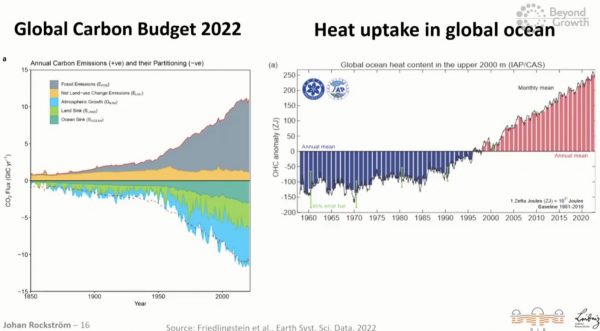
Indigo Waves
„Indigo“ is an almost mystical colour. Its deep blue nature refers to profoundness and in combination with oceans to a surprisingly still largely unexplored world of biodiversity. Additionally, in association with endlessly forthcoming and retreating waves, indigo reveals its many possible shades. Oceans separate or link continents and it is this feature of Oceans which is explored in the exposition “Indigo Waves and Other Stories” (Gropiusbau). Beyond our all to common focus on the transatlantic relationships, “Indigo Waves” explores the links between the African and Asian continents. Embarking on a new narrative for the Afrasian Sea, i.e. the Indian Ocean, we are taken to new horizons through the continuous challenge to our value systems, comprehension of art, poetry or culture more generally. The exposition, through multiple challenges, succeeds in displacing us into the context of other perspectives. Following Oscar Murillo, imagine to view the water roses from Claude Monet (Les Nymphéas) from below the surface. What do you expect? In Europe? Near a barrier reef in the Indian Ocean? Beauty is often not visible at first sight, yet it is co-determined by the currents that build and potentially destroy it (compare photo from exhibition below). The balance of social ecosystems is easily messed-up just like the beauty of ecosystems in nature. “Indigo Waves and other stories” tells us other versions of the colonial stories most of our history books told us for centuries. It is an eye-opening exposition, but probably not the way we expect. Following a poem towards the end of the exhibition by Tishani Doshi “Do not go out in the storm”, we are drawn into the ambiguity of our existence irrespective of the continent of origin. Jack Beng-Thi preserves a poem from Jean Joseph Rabearivelo in his artistic book creation and installation to bring to light “indigo waves”. “vos yeux clignotent dans l’azur, et je les appelle : étoiles. ” (Translated suggestion: “your eyes blink in the blue sky, and I call them: stars). 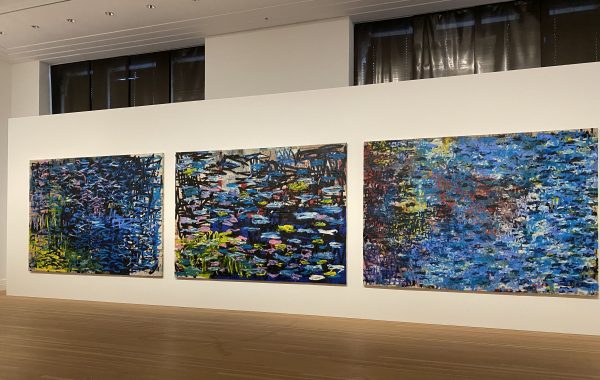
Archer
The Archer is a recurrent topic in art. We find lots of examples around in Berlin just as in front of the National Gallery. Historical references are manifold, too. The exhibition in the Martin-Gropius-Bau with works by Daniel Boyd adds temporarily 3 paintings. But wait, beyond this shared anthropological phenomenon across continents, this exhibition challenges our western, imperialist perspective on human existence.
Please take of your shoes, at first entry into the museum entry hall. Unsettling for most of us, we are continuously confronted with our narrow perspectives on perceptions. Poetics, philosophies, perceptions and cultures are all to easily classified and devalued.
This exhibition achieves to surpass our traditional western concept and empathy for land, room, light, air and water. Eurocentric narratives still dominate the world of art and art history. Daniel Boyd manages to unsettle this through his relentless effort to differentiate from this narrow perspective. Aiming for a difficult to accomplish solidarity across resistance movements, he highlights the common injustice “First Nation People” had to go through. These original inhabitants of continents claim their right to own languages, customs and spiritual or spatial perception. It remains a challenge to start to like the notion of opacity (Éduard Glissant) rather than our western aim for transparency, associated with the enlightenment philosophical tradition. The archers in Boyd’s work aim into the, maybe opaque water, maybe clouds, maybe into the twilight. It sometimes seems more like a ritual than a weapon. Family histories find their way into his works based on photographs of grandparents. The images are different from our conventional depictions of First Nation people, just to highlight the limitations of our western photographer’s eye and mind. 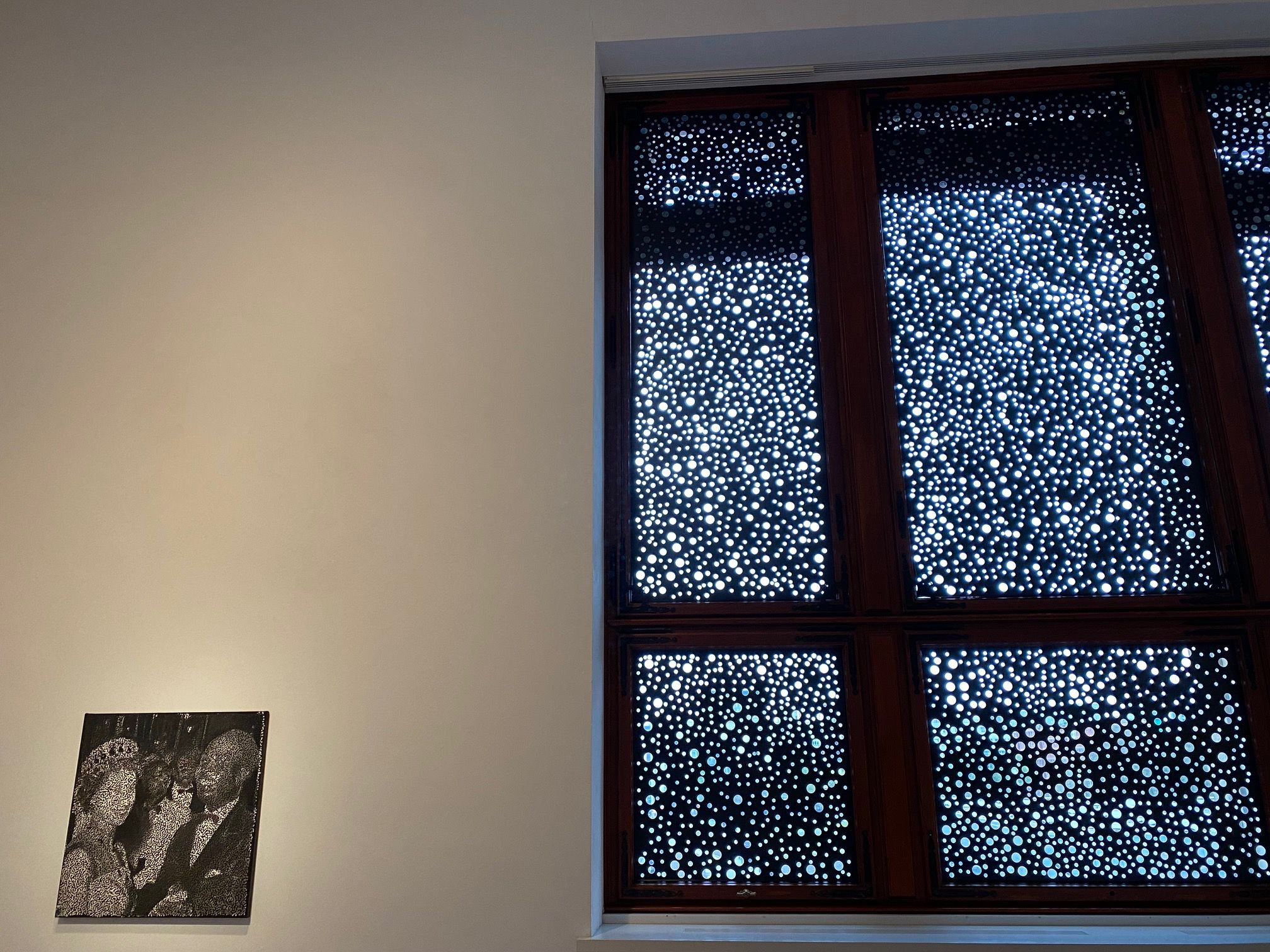
Bücher weg
Bücher, die lange weg waren, können wiederkehren. Das ist die gute Botschaft, die durch die digitale Bibliothek der verbrannten Bücher erzeugt wird. Vergleichbar der erneuten Aufführung von Komponierenden, deren Werke wieder in fantastischen Klangwelten erlebbar werden. Der 90. Jahrestag der Bücherverbrennung durch die Nationalsozialisten markiert meistens nur ein einmaliges Ereignis (10.5.1933 Berlin) in dem brutalen Aufstieg der Nationalsozialisten. Tatsache ist jedoch, dass sich die Bücherverbrennungen über mehrere Wochen hingezogen haben. Ein Beispiel ist die Bücherverbrennung in Potsdam Babelsberg am 24.6.1933. Viele andere Orte warten auf ihre Aufarbeitung. Erneutes Lesen dieser Bücher ist eine Würdigung der geächteten SchriftstellerInnen. Werner Treß wurde im Deutschlandfunk am 12.5.2023 dazu interviewt und beschreibt die erschreckende Hetze, die dabei von den Studentenverbindungen ausgegangen ist.
Erneutes Verlegen dieser Bücher hält die Erinnerung an die „verbrannten Dichter“ wach und verdeutlicht, wie der Einstieg in die grausame Diktatur ablief. Literatur hat neben der Funktion der Unterhaltung und der schönen Künste, sicher eine zusätzliche Aufgabe, die der Verteidigung der Meinungsfreiheit. Dazu gehört das Tolerieren unangenehmer Meinungen, solange sie die unveräußerlichen Menschenrechte berücksichtigen. Dazu ebenfalls ein Hörbeitrag im DLF. Nicht jeder hat die Courage wie der bayerische Schriftsteller Oskar Maria Graf, der solidarisch verkündete, verbrennt mich auch, mit der Konsequenz, unmittelbar ins Exil gehen zu müssen. Exilliteratur ist heute noch vielfach vorzufinden. Salman Rushdie, beispielsweise ist erst kürzlich einem Anschlag entgangen. Lesen all dieser SchriftstellerInnen würdigt ihre Beiträge und ihre Bücher bleiben. (online Link)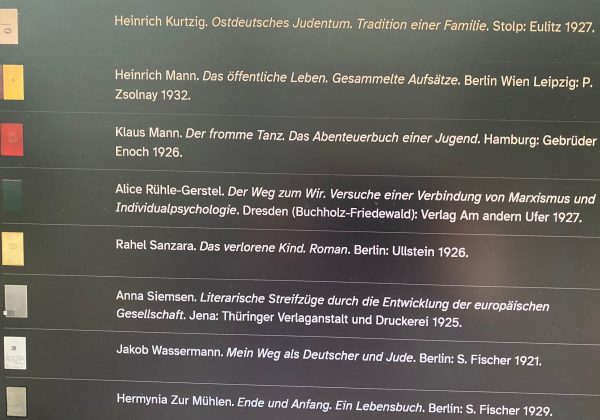
5000
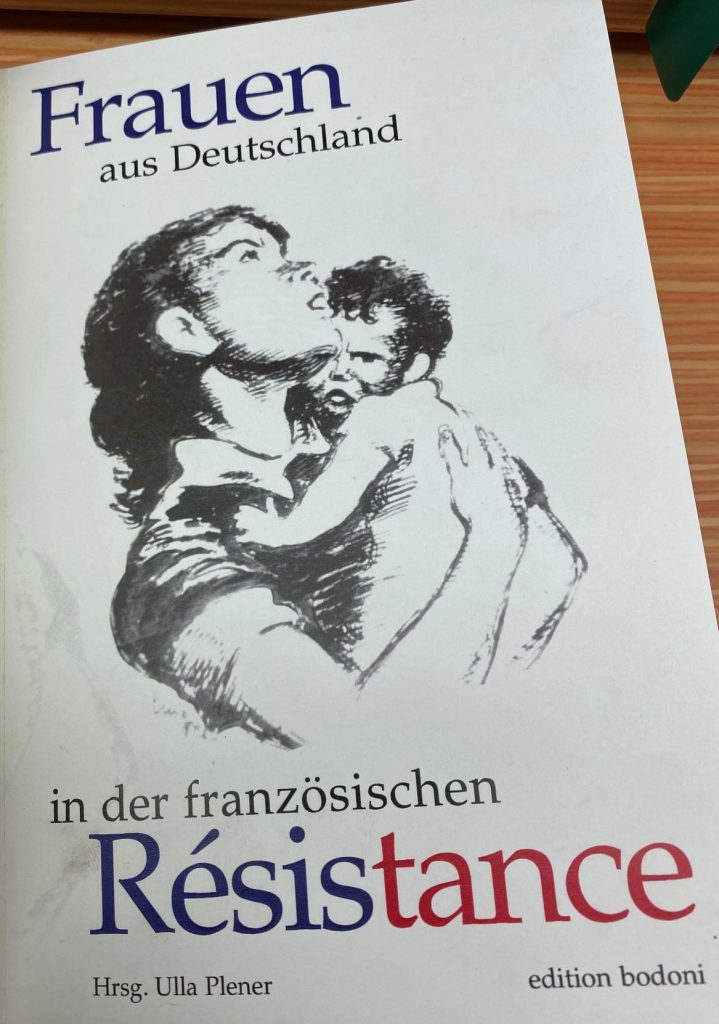
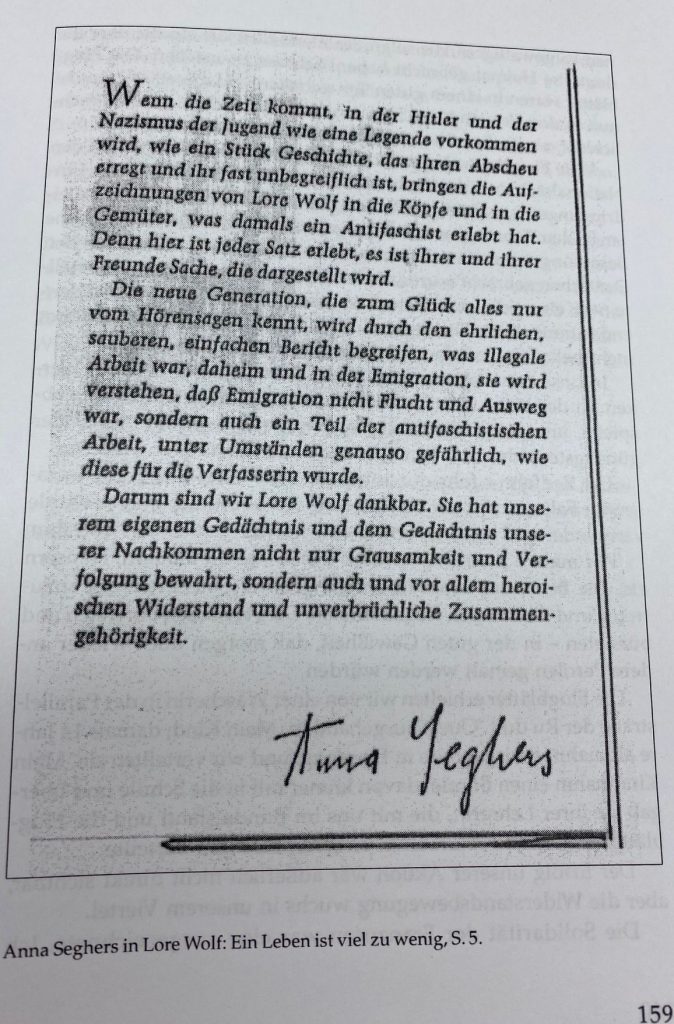
“5000 Köpfe. Wer war was im Dritten Reich” enthält eine alphabetische Liste der Hauptschuldigen und Belasteten. Gut, dass es dazu bereits auf Wikipedia eine kleine Diskussion gibt mit weiterführenden Literaturhinweisen. Die viel jüngeren ausführlich recherchierten Arbeiten zu den Kreisleitern in Süddeutschland haben 250 Mitwirkende gebraucht, damit eine gründliche Archivarbeit möglich wurde. Zu der Recherche von Dr. Proske u.a. lässt sich lediglich das Organigramm zu den Funktionsbereichen eines typischen Kreisleiters ergänzen. 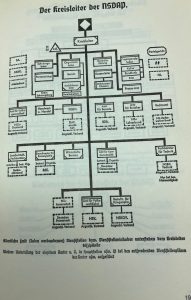 Eine solche Übersicht verdeutlicht, woher die Analogie mit den “kleinen Herrgöttern” kommt. Machtfülle, angehäuft in einer Person, erleichtert selbstherrliche Willkür in der Amtsausübung. Das gleiche Verhalten findet sich bei den berufsspezifischen Biografien zu den Planern und Architekten in der Ausstellung “Macht Raum Gewalt” der Akademie der Künste, die damit gleichzeitig eine Aufarbeitung dieser Profession leistet. Viel lieber würdige ich hier die Biografien der deutschsprachigen Frauen, die sich couragiert der französischen Résistance angeschlossen haben und ihr Leben riskiert und vielfach verloren haben. Positive Leitbilder brauchen wir, besonders wieder in Zeiten in denen Zivilcourage nötig ist, nicht nur in Deutschland.
Macht Raum Gewalt
So heißt der Titel der umfangreichen Ausstellung im Haus der Akademie der Künste, direkt neben dem Brandenburger Tor. Nur 3 Monate bis 16.7.2023 lässt sich durch die Architektur, Planung und Umsetzung zur Zeit des faschistischen Regimes in Deutschland taumeln. Angesichts der monströsen Verbrechen und der unterliegenden ideologischen Doktrin wird die Frage „macht Raum Gewalt?“ auf 2-fache Weise beantwortet. (1) Raum macht Gewalt und (2) Gewalt macht Raum. Das gestalterische Element von Architektur schafft Räume, die individualisieren, personalisieren oder entpersonalisieren können. Die Uniformität im Faschismus kreiert eine visuelle Sprache, die durch ihre Art Räume und Räumlichkeiten zu gestalten gezielt entpersonalisiert. Gewalt- und Machtausübung fällt darin leichter. Räume und Gebäude wurden der Menschlichkeit enthoben, gebaut, den Menschen zu überleben.
So fällt es in entpersonalisierten, bewusst überdimensionierten Raumkonzepten, leichter Gewalt gegen Menschen vorzubereiten und durchzuführen. Die 1. These „Raum macht Gewalt“ lässt sich sozusagen empirisch in der Ausstellung durchwandern. Die 2. These „Gewalt macht Raum“ wird ebenso eindringlich durch die Dokumentation der Zwangsarbeit, Konzentrationslager und massenhaft ausgeübten physischen und psychischen Gewalt durch die herrschenden Faschisten verdeutlicht. Wenn Wörter und Stimmen von Augenzeugen zu fehlen beginnen, werden die Texte, Zeichen, Bilder und Stummfilme zu Dokumenten, wie mit Gewalt Raum gemacht wird. Der expansionistische, imperialistische Drang der Faschisten machte vor keinen Grenzen halt. Juristische Grenzen, menschenrechtliche, moralische oder Landesgrenzen spielten keine Rolle mehr. Rechtsbeugung und Missbrauch war an der Tagesordnung, um Raum, Macht und Gewalt menschenverachtend durchzusetzen.
Die architektonischen Nazi-Hinterlassenschaften, weiterhin sichtbar in Berlin, München und Nürnberg werden nur in den markantesten Bauwerken dokumentiert. Das reicht schon, den historisch bewussten Blick zu schulen. Selbstverständliches Hinnehmen von diesen Anblicken verbietet sich. Das Übertünchen des Adlerkopfes mit weißer Farbe, Symbol für den amerikanischen Adler, sollte in uns die Dankbarkeit für die Befreiung von der Nazi-Diktatur festigen und dazu beitragen, den Tag des Sieges 8.5.1945 der „Alliierten Streitkräfte“ als Tag der Befreiung zu feiern. 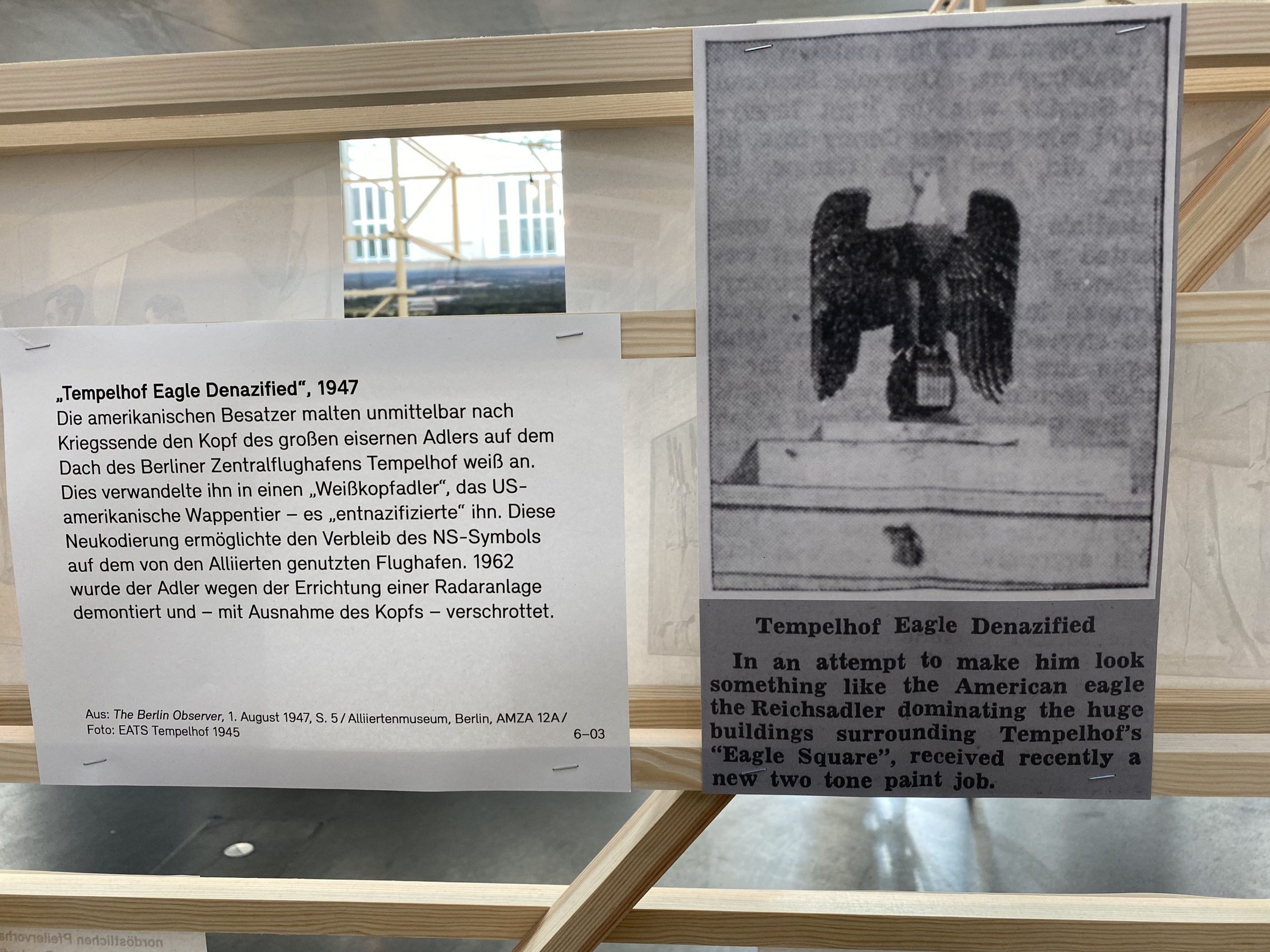
Aufarbeiten
Ganz anders als das Verb „reparieren“ lässt sich „aufarbeiten“ verstehen. Beide Verben beschreiben Prozesse, die schon mal einige Zeit dauern können. Manche dieser Prozesse haben eine scheinbar nicht enden wollende Persistenz. Anders als Autos und Maschinen allgemein, können wir Geschichte nicht reparieren, bestenfalls Versuche einer Entschädigung machen. Aufarbeiten von geschichtlichen Ereignissen, Kriegen, Menschenrechtsverletzungen und Unrecht kann viel schwieriger sein. Rechtsausübung von Unrecht, das in historisch gültige Gesetze gefasst ist, gilt als rechtspolitisch wenig angreifbar. Moralische Bedenken späterer Generationen, beispielsweise, sind wie der historische Gegenstand selbst, zu kontextualisieren.
Diese geschichtswissenschaftliche Herangehensweise an historisches Material hat seit einiger Zeit eine zusätzliche verlegerische Heimat gefunden. Der Kugelberg Verlag, Verlag für historische Sozialforschung verbindet einen biografischen Ansatz der Aufarbeitung von Geschichte mit einer organisationssoziologischen Perspektive der mittleren Führungsebene als Funktionselite. Zusammengenommen ergibt sich aus dieser Verbindung von Mikro- und Meso-ebene des Nationalsozialismus eine wichtige Ergänzung der Aufarbeitung der Schrecken und Verbrechen der Nationalsozialisten. Das Büchlein von Dr. Wolfgang Proske „Kleine Herrgötter! Die Kreisleiter der Nazis in Bayern“ ist bereits in der 5. Auflage im Kugelbergverlag erschienen. Die sorgfältig recherchierten Beiträge bauen auf den Arbeiten zu den umfangreicheren 20! Bänden „Täter, Helfer, Trittbrettfahrer – NS-Belastete“ in Bayern und Baden-Württemberg auf. Die bereits mehr als 250 AutorInnen, versammelt in diesen Bänden zu den biografischen Recherchen, vereint ein einmaliges, zu Recht mehrfach prämiertes Aufarbeitungsprojekt von lokalen Geschichtsinteressierten und -werkstätten.
Die Multiplikatoreneffekte solcher „Citizen Science“-Projekte unterstreicht die Bedeutung von „bottom-up“ Vorgehensweisen. Erst die Zusammenarbeit von diesen vielen AutorInnen ermöglicht die Zusammenschau und genügend tiefe Einblicke in den Aufbau und die Funktionsweise der menschenverachtenden NS-Maschinerie. Geschicktes Infiltrieren von allen möglichen Machtpositionen in früher Zeit schnürte das Netz des Terrors immer dichter. Daraus ergibt sich eine immens wichtige Lektion für das Überleben von Demokratien: Wehret den Anfängen! Keine Freiheit und Machtpositionen den Feinden der Freiheit! 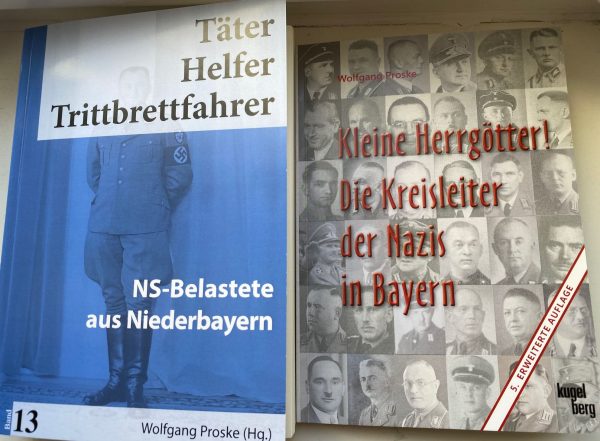
Doppelt-gemoppelt
… hält besser. So erging es mir, wie den anderen Zuschauenden im Berliner Konzerthaus bei 2 x hören. Eine kleine Fangemeinde hatte sich wieder eingefunden, um zeitgenössischer Musik zu lauschen und sich zwischendurch Erläuterungen anzuhören. Welch eine tolle Gelegenheit, denn neben dem Gespräch mit den beiden Musikerinnen Franziska Pietsch (Violine) und Maki Hayashida (Klavier) war die Komponistin Tatjana Komarova anwesend. Christian Jost moderierte das Gespräch über die Komposition und Interpretation bevor das gleiche Werk „Umhüllt von Licht und Nebel“ erneut zu hören und sehen war. Das kammermusikalische Stück in 4 Sätzen lebt von seiner unaufgeregten Dynamik und dem Wechsel der beiden jeweils tonangebenden Solistinnen. Allein, aber gemeinsam; ruhig, dennoch dynamisch. Dieses Sich-aufeinander-beziehen und gleichsam wieder nahezu meditativ auf sich selbst zurückgezogen komponierte Werk hat einen überraschenden Bezug zu den Biografien der Künstlerinnen. Selten gibt es die Gelegenheit, so nah an diese Hintergründe heranzukommen. Während noch die Tradition der italienischen Oper (auch Mozarts Frühwerk Mitridate) die SängerInnen stimmlich bestens in Szene setzten, vertraut das zeitgenössische Stück von Komarova auf eine zurückgenommene, eher verhaltene Virtuosität. Angedeutet ja, aber eben nur angedeutet und umgehend reflektiert, bescheiden gewendet. Wechselbäder der Gefühle, wie sie Aufführende ständig durchleben, werden nahezu musiktherapeutisch gewendet. Die Hommage an die Verletzlichkeit in der Musik sowie durch die Musik wird mit der Besetzung authentisch vermittelt. Das Stück von Komarova wurde zum Festival Spannungen 2014 komponiert und im Jugendstil Wasserkraftwerk Heimbach uraufgeführt. Der kleine Werner-Otto-Saal im Konzerthaus bot eine für Kammermusik geeignete Atmosphäre für die Darbietung sowie für das Gespräch zwischendurch. 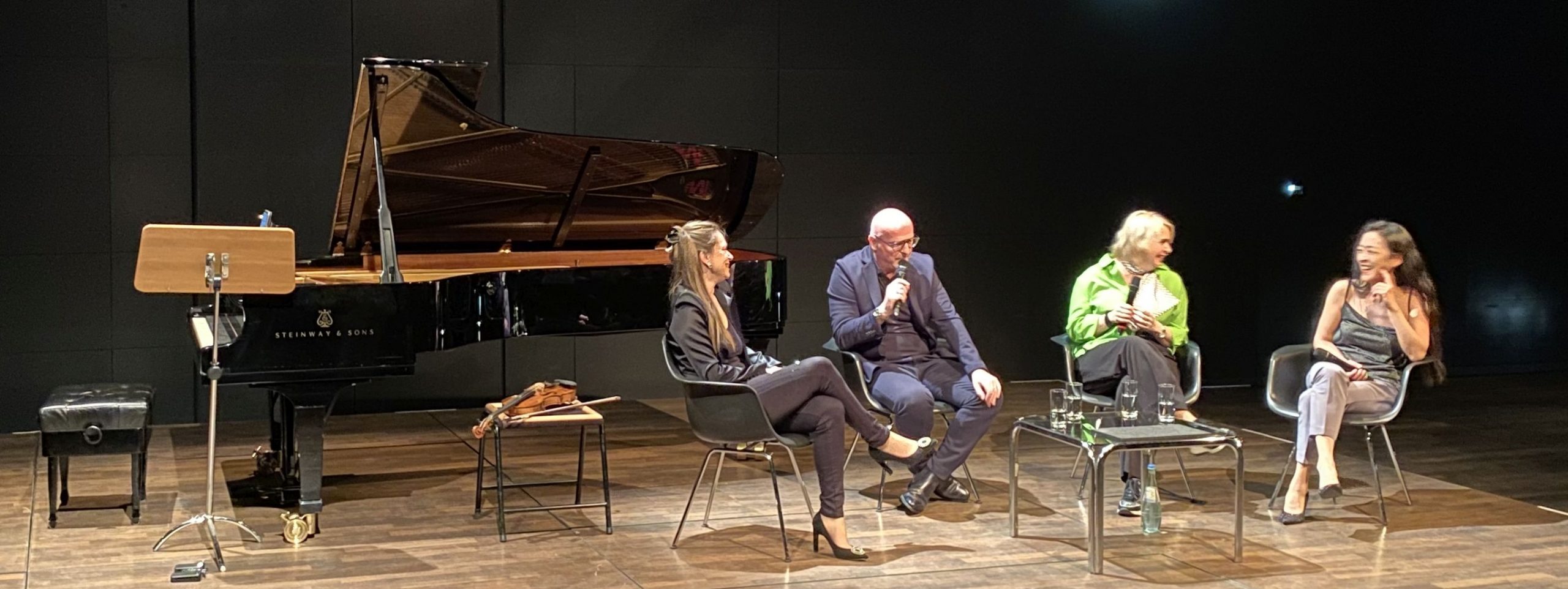
De-risking
Risks are all around us. Risk is the spice of life. True, but this might be an elitist concept of life or business. Survival of the fittest or the best equipped to take risks might be the consequence. After the 3 crises, financial, covid, energy, we have a new impetus to thrive for de-risking. Certainly, concerning our health, we are aware that prevention is key to fight a pandemic. In order to stem an energy crisis, most countries start to rethink their energy mix and achieving more energy autonomy is a major step to shield against risks of delayed delivery or commerce with belligerent states like Russia. De-risking is key in supply chains for industries (automotive production, microprocessors) as well as service providers (cloud services, care givers) just as well. Mariana Mazzucato (UC London) urges us to develop a new narrative to accompany the transformation of our production and service provision models. Mazzucato advocates to learn from lessons from the ground of how to proceed in the best way. Copenhagen is a good starting point to observe how a metropolitan city manages the greening and decarbonisation of a city. It is important to not only target single policies but the coherence of several policies and approaches. In my view de-risking means for Germany and the EU to shield energy systems from foreign, malignant interference. Only local production of energy and nearby consumption of it will ensure the de-risking of energy provision and consumption. Let us start with massive investments in rooftop solar or small wind turbines. Nobody complained about millions of ugly television antenna all around us. Solar cells on balconies contribute to a basic local electricity supply, difficult to target millions of solar cells instead of a single huge and horrifically dangerous nuclear power plant. At the same time ,we reduce dependency on monopoly or oligopoly structures that develop their own agenda (Too big to fail, remember those?). I prefer the reverse statement. Because they are so big, they are doomed to fail and, therefore, fail us sooner or later. The Forum New Economy offered an open and accessible platform for exchange of ideas. That’s a good starting point to address de-risking. Reducing Risk is in the subtitle of Rebecca Henderson’s Chapter 3 on “Reimagining Capitalism” (short Review), but I would like to add the business case for household production of energy for de-risking supply failure and exploitation of consumers through excessive profit margins as a prosumer business case. 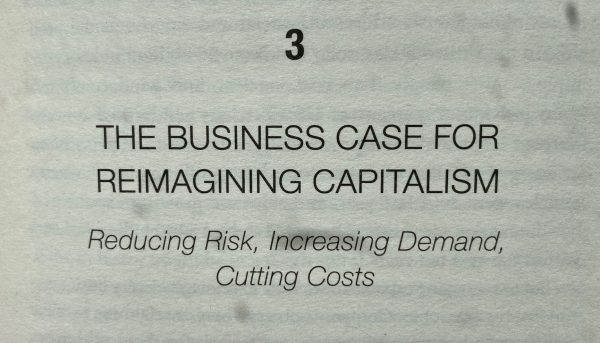
Crises
Crises, yes crises, we have seen a few in recent years. After the first financial crisis, 2009, the COVID-19 crisis and now the energy crisis, , they all have cost us respectively 1.6%, 2.5% and lately a whopping 7.8% of GDP loss according to Tom Krebs (Uni Mannheim and FNE) in his assessment of lessons from these crises. Also Philip Lane (ECB) showed the lower GDP growth rates due to the crises.
We lost out on the wealth of our nations and face mounting difficulties for the distribution of this wealth. As firms cashed in on profit margins lately, workers risk even more to fall behind significantly. At the same time, it is high time to prepare for the next winter season now, to ensure the same risks as the dependency on energy resources from outside Europe, especially Russia, can be maintained. The conference of the Forum New Economy from the 8th of May 2023 discussed several ways forward to learn our lessons from these crises. Strategic independence needs to be properly defined for Europe as a whole, not just in each individual state. Implementation has to be rapid as well. Geopolitical challenges will not wait for us to finish discussions. Germany and minister Robert Habeck has received some acclaim from the economists for a fast and rather successful reaction to safe us from an energy crisis last winter. Massive increases in renewables (+20% solar energy) has helped a lot to ensure sufficent energy supply when France suffered heavy reductions from its nuclear energy power plants. “Let the sun shine … in”, I would sing. However, we have to think even further ahead build our resilience based on improved energy efficiency and may rethink the risks and vulnerabilities of our economic model of production and consumption. Diversifying imports from Russia with imports from other countries and other (green) forms energy is part of the solution. A heavy reliance on China as buyer of our products is good for trade balance, but some sectors (automotive) are nowadays critically dependent on selling in China. Some of our partners are very anxious about this new dependency on Asia for our economic growth model (see figure below from conference). Market based economies suffer more openly from huge economic swings than more secret-based autocratic economies. Our state agencies have to keep that in mind and state intervention seems to become more likely options in future as we have already witnessed in the past crises. We had to rely on running higher state deficits to cover the losses incurred from the crises. The EU, the larger Europe in combination with the transatlantic and pacific alliances has a lot of resources to address these strategic interdependencies. Being prepared, in strategic thinking and potential implementation procedures is a major part of building capacities that ensure resilience and strategic independence. As in a game of chess, you have to think ahead a couple of steps to frighten off some potentially dangerous moves of other players.
In terms of a planetary concern we still have to address the major climate crisis and the last 3 crises have largely contributed to reduce the resources we have available to address climate change. Smart crisis management succeded to ask for emission reductions in return for subsidies from firms and private households. This might be the “best practice examples” worthy to learn from. There are still huge evaluation tasks for analysts of these crises. 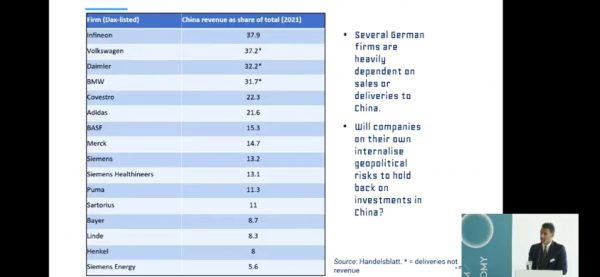
Flaneur
Der bürgerliche Flaneur wird kritisch hinterfragt und erweitert erörtert im Festival DRiFT in Berlin. Das passt doch gut zu dem nötigen WALK und WALKING, welches uns schon alleine aus gesundheitlichen Aspekten von Nöten ist. Die subversive Form als kollektives Wandern, gefährlicher historisch waren die Märsche auf Rom von Mussolini, friedlicher Gandhi, aber beeindruckend erfolgreich. Ostermärche kennen wir noch als Beispiel dieser kollektiven Form des gemeinsamen Gehens und Erkundens, oder doch Beeinflussung oder gar Eroberung.
Die Idee ist alt, die Ansätze in unserer Zeit bleiben eine Herausforderung. Protestmärsche kennen viele Organisationen gerade aus den nicht-regierungs Organisationen (NGOs) und den Gewerkschaften. Präsenz zeigen und seine Meinung äußern, wenn sie nicht genügend Gehör oder Widerhall findet, gehört zum demokratischen Kanon. Eine entsprechende Wiederbelebung und Stadtteilerkundung als “Psycho-geografie” hat historische Wurzeln in Paris und Frankreich. Räumliches Vorstellungsvermögen und Orientierung ist eine Qualifikation, die messbar ist. Eine Stadt erlaufen bildet eine kognitive Landkarte der Straßen und Umgebung. Mal schwer, mal einfach, aber fast immer irgendwie anders. 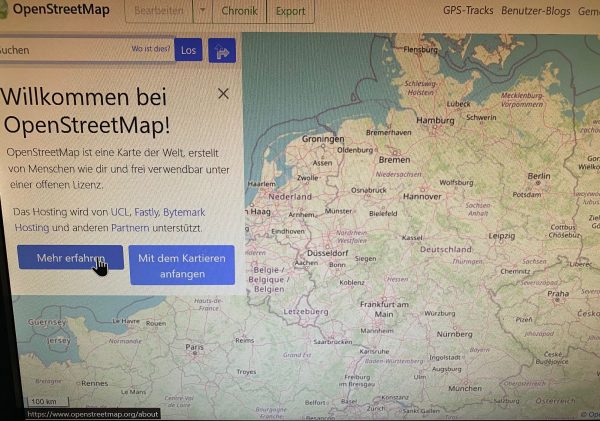
Priming
Nicht nur PsychologInnen müssen über den „Priming Effekt“ Bescheid wissen. Ein vorhergehendes Wort, Bild oder eine kurze Geschichte oder eben ein Blog-eintrag können in der Erinnerung Assoziationen hervorrufen, die das Verständnis oder die Einordnung der neu hinzukommenden Information (Wort oder Bild etc. ) wesentlich beeinflussen.
Bei dem Blog-eintrag zu „Barbie“ kann das relativ einfach nachvollzogen werden. Mit einem Bezug auf die Zeit des Nationalsozialismus, über Täter und Opfer sowie Strafverfolgung und Gerichtsbarkeit als Vorgeschichte oder Vorlektüre wird bei dem Wort „Barbie“ schnell die Assoziation Klaus Barbie in Erinnerung gerufen.
Ein anderes Priming im Kontext von Geschichten zu Geschlechterrollen, Kinderspielzeug, Kleider anziehen, Schönheitsideale sowie Mode erzeugen mit dem nachfolgenden Wort „Barbie“ unmittelbar Assoziationen mit dem Konsumartikel der Barbie als weiblicher Spielfigur bei den meisten Personen. Unser Gedächtnis oder vorherige Informationen lassen uns nicht mehr unabhängig oder unvorbereitet neue Information aufnehmen. Dieser psychologische Effekt auf unsere Meinungs- und Informationsfreiheit kann rhetorisch oder strategisch zum Beispiel in Zeitungen genutzt werden. Wird Ökologie im Politikteil, Wirtschaftsteil oder dem Wissenschaftsteil einer Zeitung aufgeführt, wird bereits eine vorher bestimmte Erwartungshaltung der Lesenden erzeugt, der dann einfach entsprochen wird. Die transdisziplinäre Natur des Begriffs geht dabei schon weitestgehend verloren. Priming ist überall, das fängt wohl schon mit dem Wecker morgens an. Wie gut, dass die Snooze-Taste schon erfunden wurde. Zumindest kurz können wir uns der Illusion hingeben, noch für eine kurze Weile, dem allgegenwärtigen, alltäglichen Priming zu entkommen. 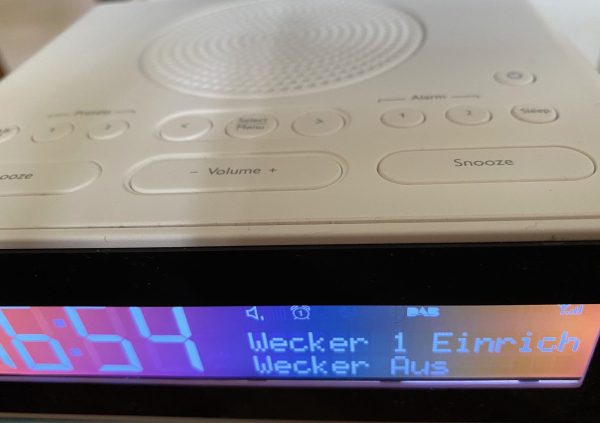
Demos
Wenn Demokratien den Demos fürchten und es vorziehen mit Verordnungen zu regieren, dann wachsen die energischen Verteidigenden der demokratischen Prozesse. Frankreich erlebt das Szenario im Ringen um Macht zwischen Exekutive, Legislative, Judikative und dem Willen des Volkes jenseits der festen Fristen von Wahlperioden. Die “Ligue des droits de l’homme” hat das gut formuliert und ruft zu Aktivitäten in mehreren Feldern auf. Aus einer sozialen Krise wird rasch eine Krise der Demokratie von größerem Ausmaß, davon ist auch Frankreich, wie viele andere europäische Staaten nicht gefeit. Demokratie ist kein “Menu à la Carte”, wo ich die Bereiche für demokratische Prozesse aussuchen kann, die mir am besten passen. Macht geht immer dann verloren, wenn sie sich nur noch auf sich selbst berufen kann. 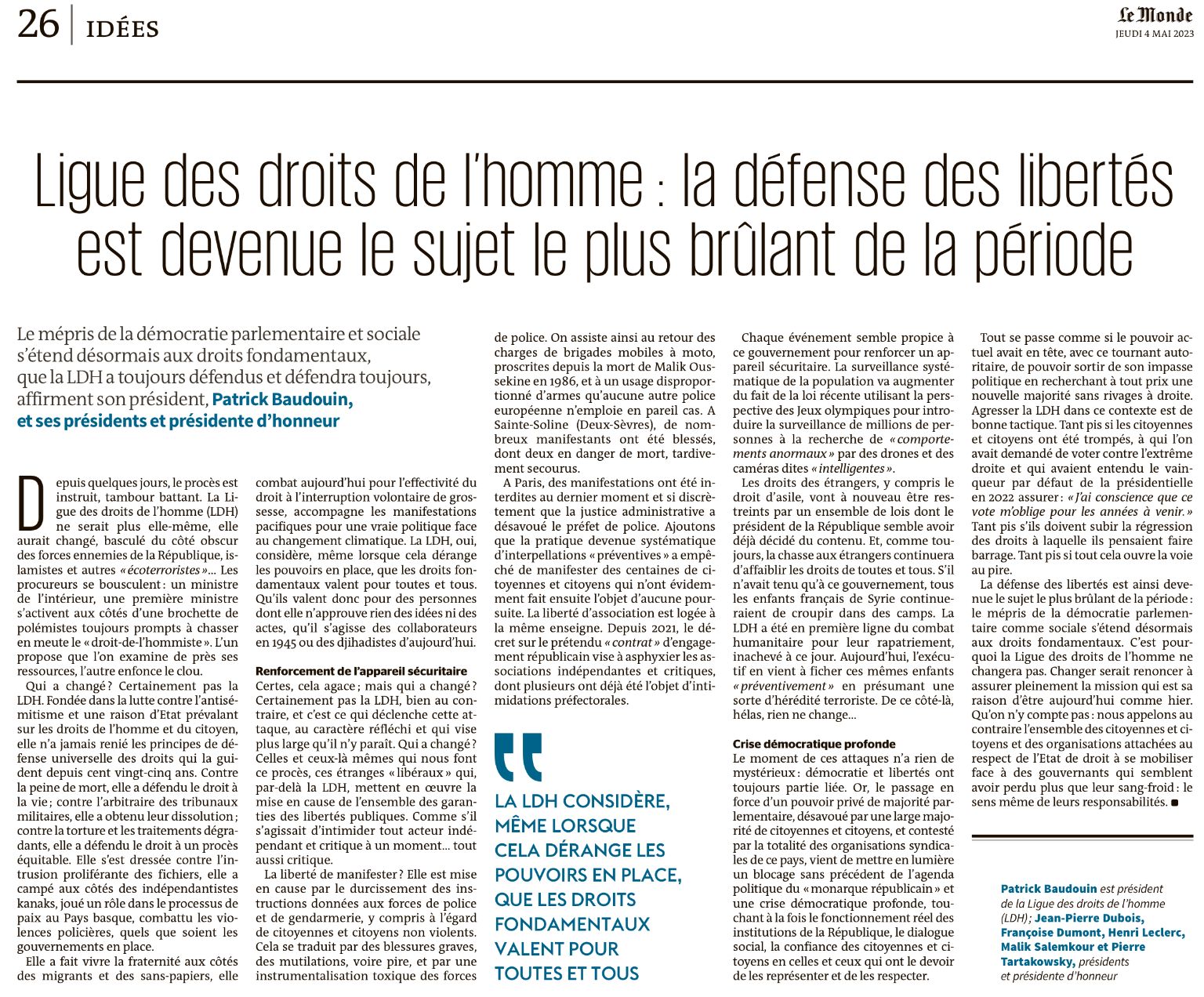
Barbie
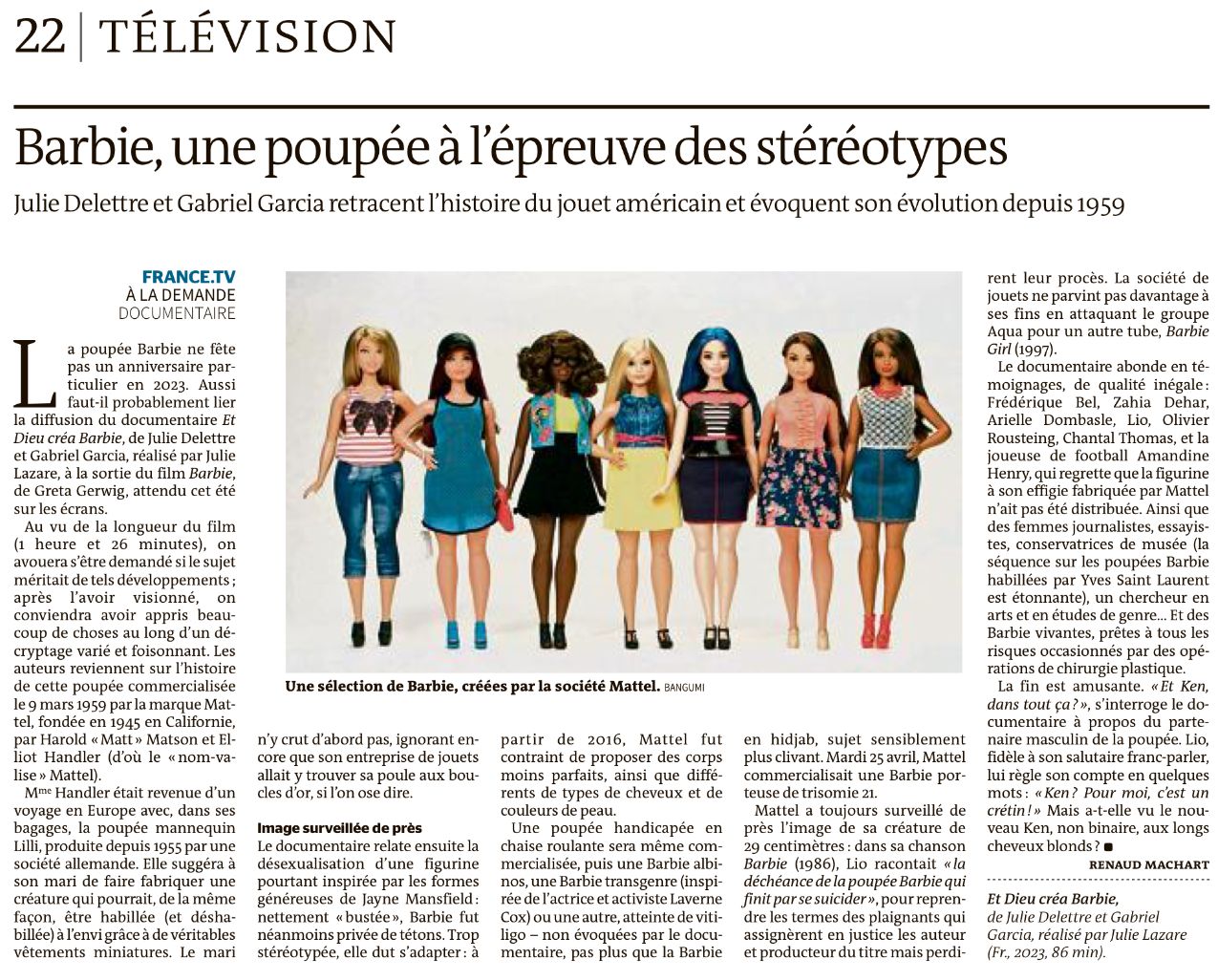
Jede einzelne Person hat Assoziationen mit dem Wort Barbie. Eingehen möchte ich jetzt nicht auf Klaus Barbie. Die Barbie war und ist als Puppe zu einer Kultfigur als Spielfigur mehrerer Generationen geworden. Dadurch hat die erfolgreiche Kommerzialisierung seit 1959 eine wirkmächtige Erfolgsgeschichte in den 60er und 70er Jahren erzielt. Zuletzt hat die kulturelle Öffnung hin zu „people of colour“, transgender und außergewöhnliche Charaktere den Gleichstellungsgedanken figürlich und spielerisch umgesetzt. Wenige Spielsachen erlauben eine solche Öffnung und Modernisierung über ihren „Lebensverlauf“. Die Barbie oder Der Barbie, wie auch immer, ermöglichen spielerisch Diversität zu erleben oder zu simulieren. So kann früh Stereotypen entgegengewirkt werden, wenn denn der Wille der Eltern oder Mitspielenden das ermöglichen wollen. Barbies sind schon längst ebenso zu Sammlerobjekten mutiert. Im Eingang zu IDENA (u.a. Spielwarengroßhändler) fand ich eine Würdigung dieses Bestsellers mit „Vintage Kleidern und Accessoires“ samt Hinweis auf Designer Entwürfe à la Karl Lagerfeld. Lernen sich zu kleiden, Stereotype erkennen und damit überwindend spielen können, das alles kann auch Barbie-spielen sein. Wo Sexismus nicht weit ist, kann aber Empowerment gewinnen. Und die Barbie hat Ken immer in die Tasche gesteckt. Das kann Hoffnung vermitteln. Die sogenannten sozialen Medien haben viel stärkere Stereotype geprägt und haben ihre Anhängenden viel fester im Griff als es eine Barbie je erreicht hat. Le Monde 2023-5-4 hat die Doku zur Geschichte der Barbie wohlwollend kommentiert. 
Biotop
Die Sensationspresse, zu der leider mehr und mehr ehemals seriöse Zeitungen neigen, zitiert Biotope meistens als Wirtschaftsbremse, Wachstumsverhinderung oder Spaßbremse. Da fällt es schwer dagegenzuhalten. Biodiversität ist nicht umsonst zu haben. Viele Schmetterlingsarten leben bestens angepasst an ihr ökologisches Umfeld, vergleichbar einem Biotop. Farbenpracht dient zur Tarnung im Gelände oder zum Anlocken von Paarungspartnern. Im Botanischen Garten in Berlin werden solche Inseln der Glückseligen für viele Regionen Europas und darüber hinaus nachgestellt. Der frühe Schmetterling von Ende April ist kaum zu bemerken, so gut passt seine Farbkonstellation in sein Umfeld. Es werden richtige Suchbilder und Geduldsproben, die Falter zu entdecken (bitte unten testen). Belohnung lockt für die Geduldigen, wenn das auch vielen von uns unerträglich schwerfällt. Zu schnell sind die Umgebungen für vermeintliche, kurzfristige, wirtschaftliche Interessen zerstört und die angepasste Tierwelt ebenso. Das Bundesnaturschutzgesetz (BNatSchG) intentiert einen Schutz. Der ist aber wohl allzu leicht auszuhebeln. So wird die Farbenpracht und das Tanzen der Schmetterlinge zunehmend in Konzertsälen zu hören oder darüber zu lesen sein, aber seltener in Biotopen zu bewundern sein. Artenvielfalt als Biodiversität braucht die passenden Räume dazu. Eine große Aufgabe bei dem weiteren Anwachsen unserer Spezies.




Ekman + Eyal
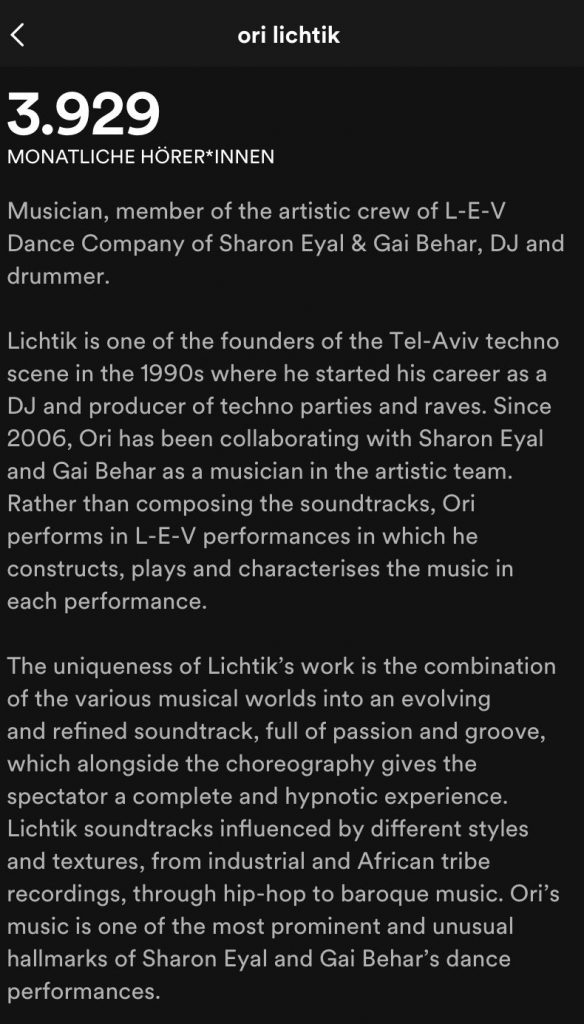
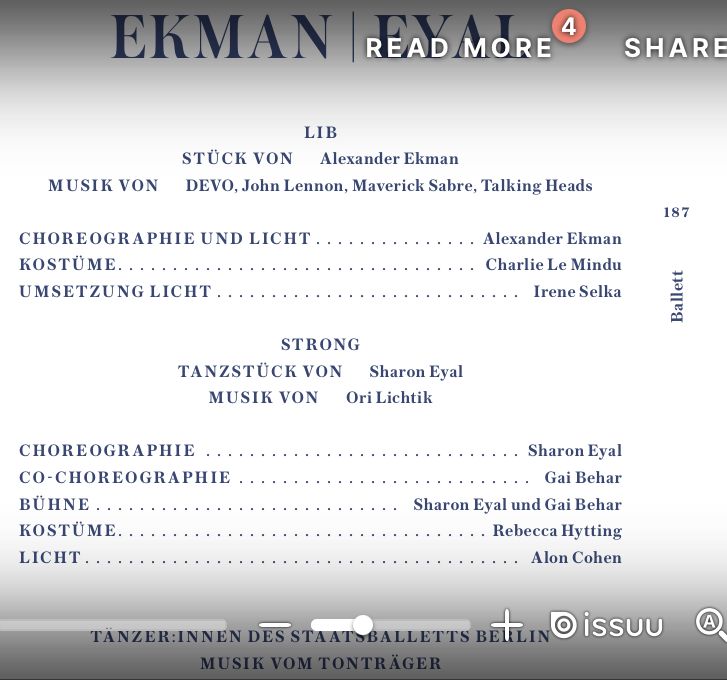
Die Ankündigung im Programm der Staatsoper in Berlin zur Aufführung von 2 Tanzstücken (1) Alexander Ekman und (2) Sharon Eyal im Programm spricht dementsprechend von Tänzer:innen des Staatsballetts Berlin mit Musik vom Tonträger. Das hohe Haus hat es mit den beiden Stücken geschafft, das reformierte Ballett in das 21. Jahrhundert zu retten. Dazu gehört neben neuen Bewegungsformen, die freieren Umgang mit dem Standardrepertoire des Balletts erlauben, auch die Musik der jungen Generation in die Staatsoper reinzulassen. Ja genau, dazu gehört Technomusik in der Staatsoper. Das Publikum hat sich deutlich verjüngt und so manchem älteren Herrn oder Dame fliegt da schon mal das Blech weg. Die Clubszene in Berlin hat ihre balletttänzerische Erweiterung gefunden mit ihrer Musik als Kunstform. Das gelingt besonders durch die Musik von Ori Lichtik „Strong“. Die provokanten Kostüme, die gekonnt mit Genderrollen spielen, ergänzen auf eindrückliche Weise die kraftvollen Ausdrücke der Tanzenden. Anspielungen an Maurice Béjart’s Bolero oder „Le sacre du printemps“ erfreuen Tanzbegeisterte. Gruppendynamik, Solo und Pas de Deux bauen dennoch auf dem klassischen Figuren- und Konstellationsrepertoire auf. Auch oder gerade in der Clubszene der Realität gibt es die Feuervögel, Flamingos und schwarzen Schwäne. Zur Vorbereitung auf den Tanzabend empfiehlt sich der Besuch in einem der Berliner Clubs. Gerne auch einmal wieder in den Berliner Zoo gehen und die Haarpracht der Orang-Utans in der Bewegung bewundern. Die uns genetisch sehr Verwandten haben uns in puncto Haarpracht, besonders auch im Alter, einiges voraus. Mehr Bewegungsfülle und Begeisterung für Bewegung wecken beide Stücke auf nachhaltige Weise. „Nobody leaves the room unmoved“. Ein bewegender, tänzerischer Abend Unter den Linden.

Visual
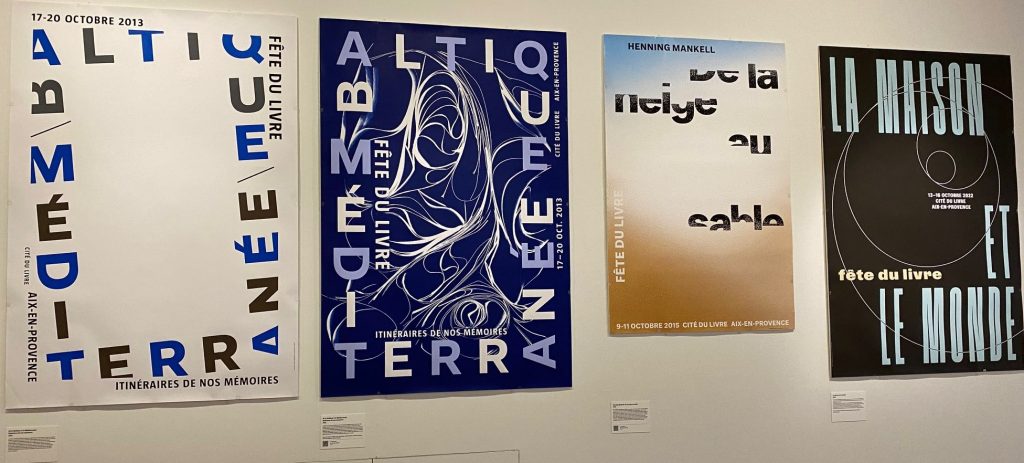
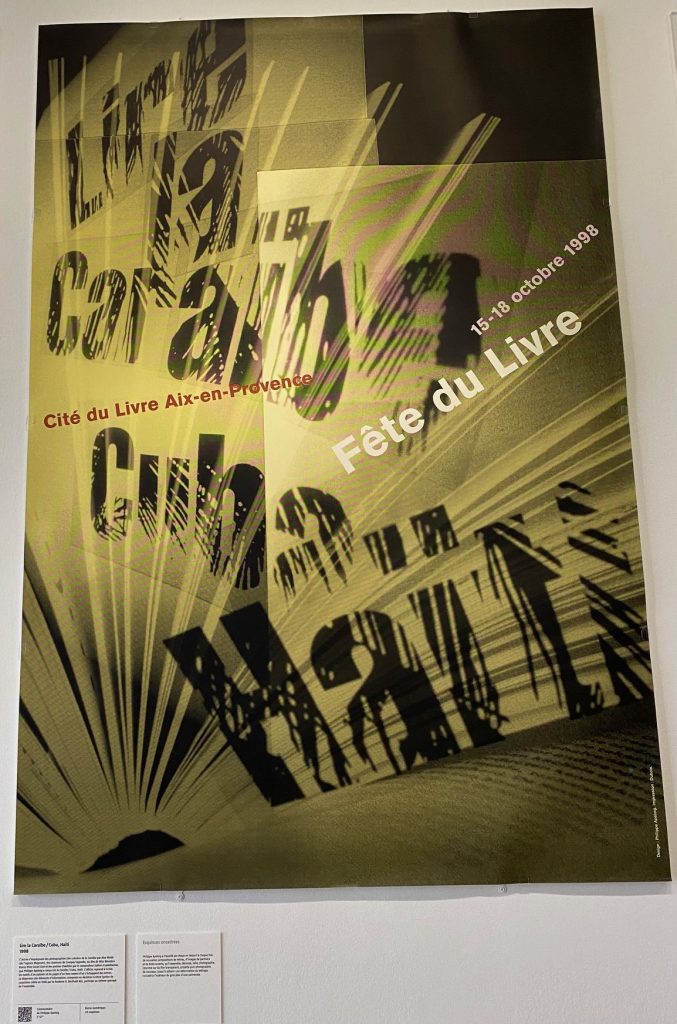
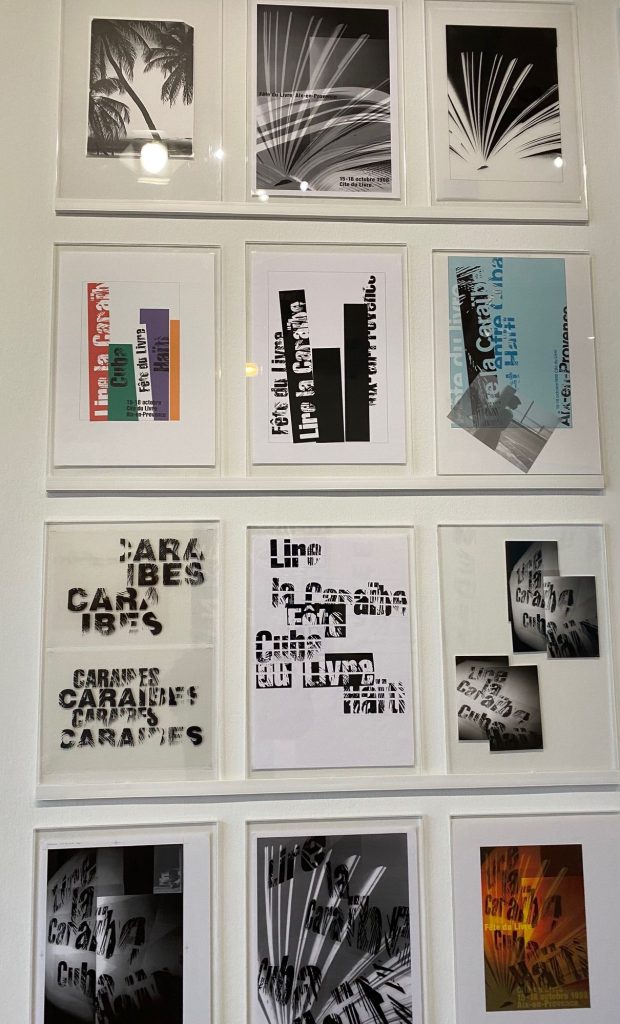
Key visuals have the potential to appeal to us like an own language. From a communication point of view the message is simple. You send a message from your visual appearance even if you do not intend to do so. Hence, better think about it briefly before you go public. The receiver might interpret your visual statement differently from you or other peers, but you offer a coherent version of your activity or appearance. Be it politicians (Merkel) or others, frequently memory allows only for key visuals to make lasting impressions or for something or someone to enter into collective memory of a decade or even a century. Repetition, also from different sources, plays a major part in this. It is surprisingly still uncommon to hire persons in charge of key visuals for a person, an organisation or a festival. Haphazard treatment of key visuals as part of marketing is probably an underestimation of the lasting impact of a coherent visual message. Stability and repetition are key here, rather than the wide-spread ad-hoc approaches to marketing. Only on the margin of the exposition devoted to Philippe Apeloig “Des esquisses à l’affiche” (BnF) this lesson can be learned. The merit of the exposition is the opening-up of the process of creation. Posters, graphics and typescripts all contribute to the overall visual message. Achieving coherence in the thousands of choices demands an aesthetic point of view. This may blend aesthetic languages of a decade and reflections on the subject. Catching an audience at the time of affluence of images, movies and accelerated rhythms of daily life remains a challenge. For the “Fête du Livre” Apeloig has achieved this in a memorable way, well worth a tiny exposition of donations from a master in visual communication. 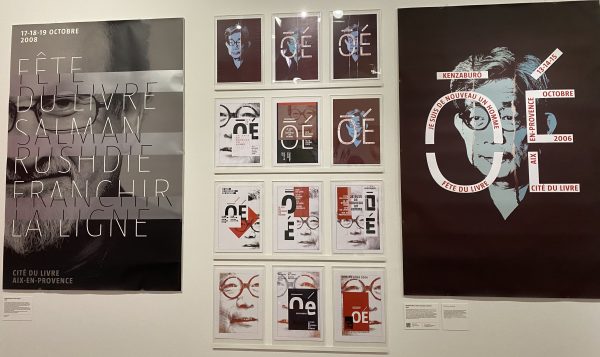
Mobil
Mobilität geht heute schon anders als für meine Generation oder vorherige Generationen. Selbst wenn Autos noch für viele in den Vorstädten und auf dem Land schwer verzichtbar sind, ist der Stadtverkehr im Wandel. Erst die Teslas, die einen scheinbar unaufhaltsamen Aufstieg als relativ saubere Alternative zu den Verbrennern darstellen und jetzt der Quantum aus Bolivien, wie der Wall Street Journal am 27.4.2023 berichtet. Sehr klein, noch ohne Heizung, gemütliche Stadtgeschwindigkeit als Maximum und knapp 100 km Reichweite für 3 mittlere Personen plus Chihuahua oder Dackel für gerade mal 7.500$. Das kosten 2 gute, flotte E-Bikes auch, nur werden die noch schneller geklaut als damit gefahren wird.
Für viele Städter sollte der elektrische Einkaufswagen genügen, dieser steht ja sowieso die meiste Zeit. Kleine Ausflüge ins Umland unternimmt der Städter eher selten, vielleicht noch zum Sport in jüngeren Jahren. Fernreisen werden meistens anders bestritten. Bus und Bahn bieten wieder wachsende Reichweiten, wenn es sein muss nachts. Hier kann weniger groß (auf 4 Rädern) wieder zu mehr Beweglichkeit führen, egal ob als Eigentum oder besser noch als Sharing-Variante. Von den großen Reichweiten mit Fußwegen in deutschen Städten sind wir noch weit entfernt. Das wird sich hoffentlich bald ändern. Bis dahin drehen wir Runden in kleinen Parks und verkehrsberuhigten Ecken. Wem es draußen mit dem Fahrrad zu gefährlich, kalt oder nass ist muss auf den Heimtrainer umsteigen. Mal sehen wie lange es noch dauert bis sich kollektive Vernunft durchsetzt. Verhaltensänderungen sind bekanntlich schwer und dauern wegen Rückschlägen lange. Wir bleiben dran am Thema der nachhaltigen Mobilität, 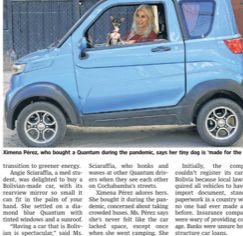 um unserer (Enkel-)Kinder willen.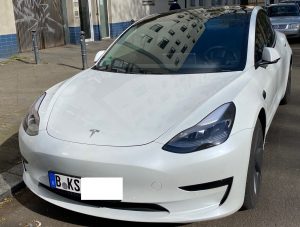
Katzengeflüster
Für viele schwierige Situationen braucht es Eisbrecher. Im übertragenen Sinne jedenfalls erfüllen täglich Hund, Katze, Maus diese Funktion. Sich unbefangen über Tiere unterhalten, sich dabei näherkommen oder einfach nur in Kontakt treten, wird heute von PsychologInnen vielen Personen empfohlen. Das war schon bei den Ägyptern und Römern so. Im späten Mittelalter, seit den Verwerfungen in Europa durch die Reformation und Glaubenskriege, brauchte es ebenfalls solche Hilfsmittel für Durchbrüche in der Diplomatie. Der Roman von Nils Minkmar „Montaignes Katze“ strickt seine Geschichte über Geschichte und Ideengeschichte im Mittelalter um eine solche Anekdote. Kinder können ebenfalls solche Anlässe bieten, Menschen zusammen zu bringen und zu vermitteln. Erfahrene Ältere, die sich nach weniger Turbulenz, aber mehr Toleranz sehnen auch.
Diplomatische Missionen, wie sie Montaigne aufgetragen wurden, haben etwas mit Pferdeflüstern, Katzenflüstern oder eben Majestätsflüstern zu tun. Wie bringe ich einen in seiner Rolle hinreichend zufriedenen, desillusionierten Herrschenden dazu eine Mission anzunehmen, die äußerst ungemütlich, wenn nicht tödlich enden kann? Ein neues Narrativ muss her. Eine erhellende Inszenierung gehört ebenfalls dazu. Genau das erzählt das diplomatische Lehrstück von Nils Minkmar am Beispiel der Zeit des späteren Heinrichs des Vierten. Die eindrückliche Statue lässt sich heute in Paris bewundern, aber kaum eine/r der Passanten interessiert sich noch für die Geschichten dazu.
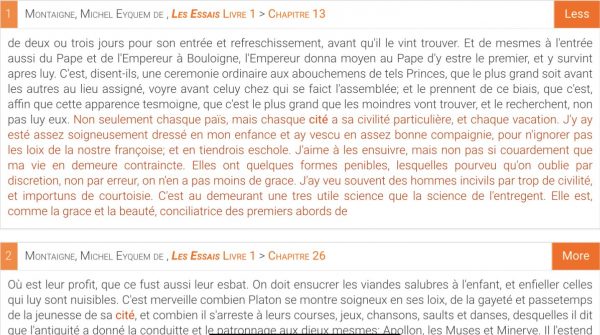
Noch interessant für uns? Sicherlich. Üben in Toleranz ist ein wahrlich ein lebenslanges Unterfangen und will immer wieder neu praktiziert werden. Stöbern im Werk von Montaigne ist einfach über die Uni Chicago möglich (auf französisch, bien sur) mit Schlagwörtern z.B. “cité”. 10 Einträge zum Thema Katze “chat” im Original sind ebenfalls darüber in “Les Essais” zu finden.